






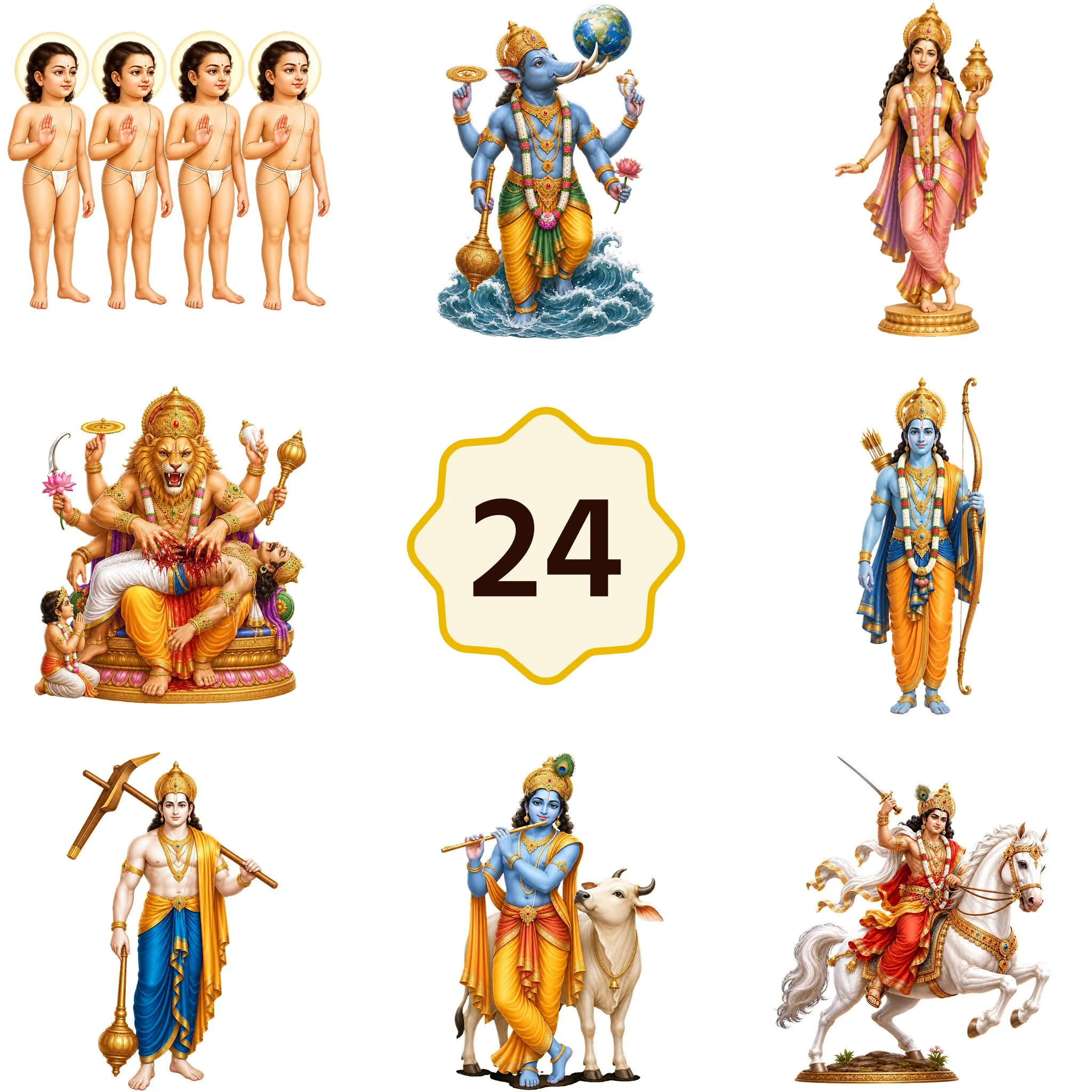
What are the twenty-four incarnations of Vishnu?
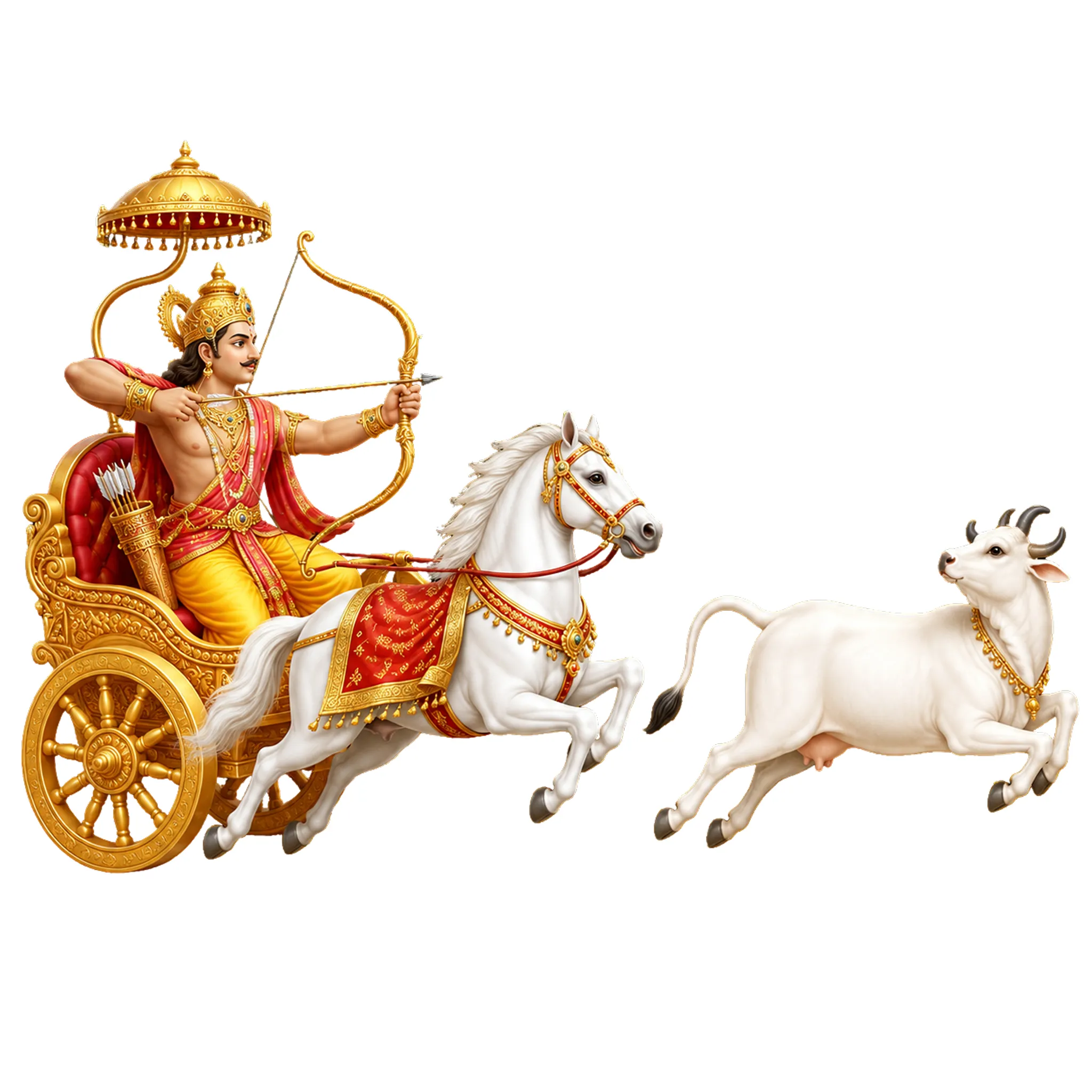
In Hinduism, Lord Vishnu is considered the preserver of creation and the protector of religion. Whenever the influence of unrighteousness increases on earth and religion is in danger, Lord Vishnu protects the creation by taking various incarnations. Generally, the ten incarnations of Vishnu are more famous, but the Srimad Bhagavata Mahapuran describes twenty-four main incarnations of Lord Vishnu. Through these incarnations, the Lord established religion, propagated knowledge, and performed divine activities for the welfare of his devotees in various ages.
List of 24 Avatars of Vishnu
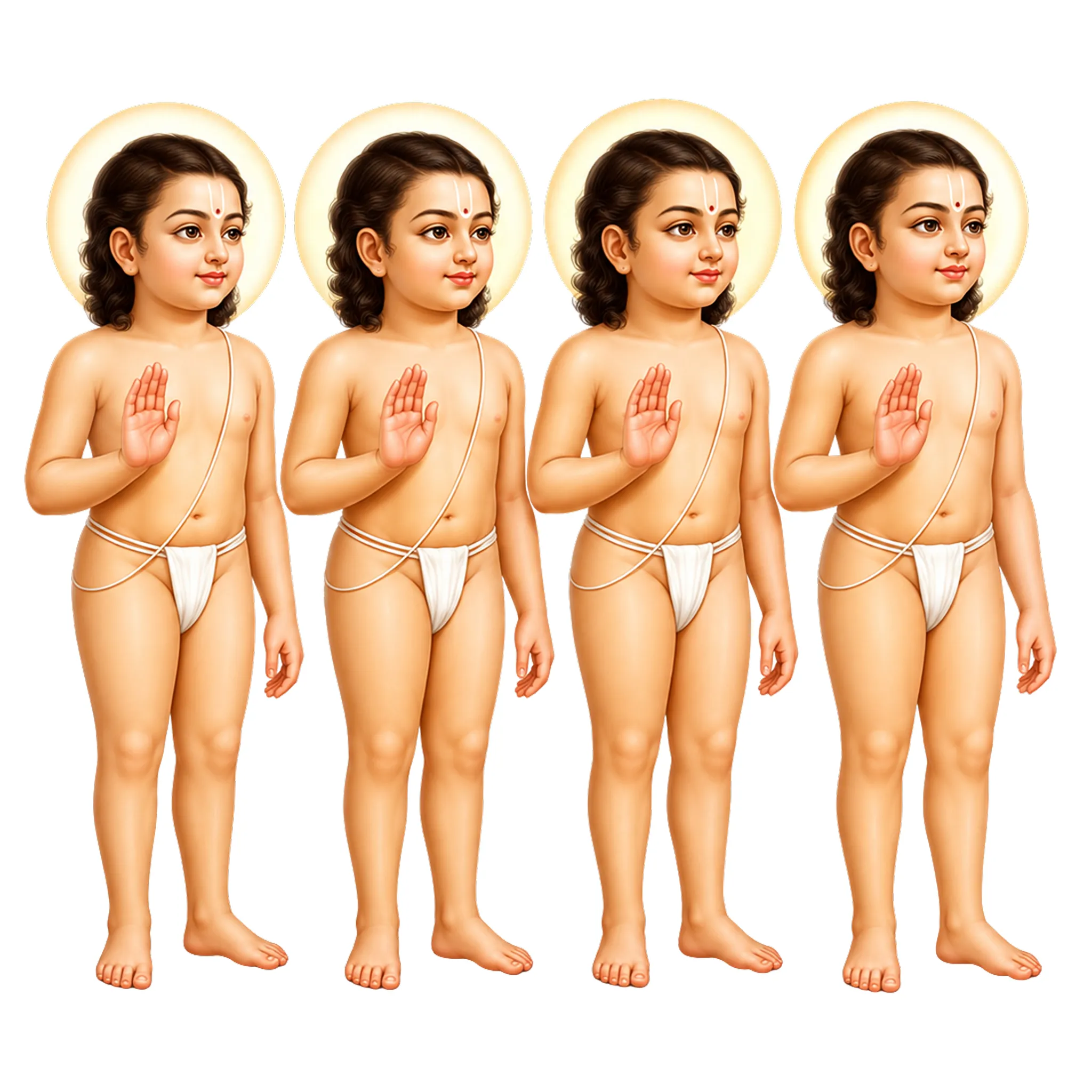
1. Sankadika Kumar Avatar
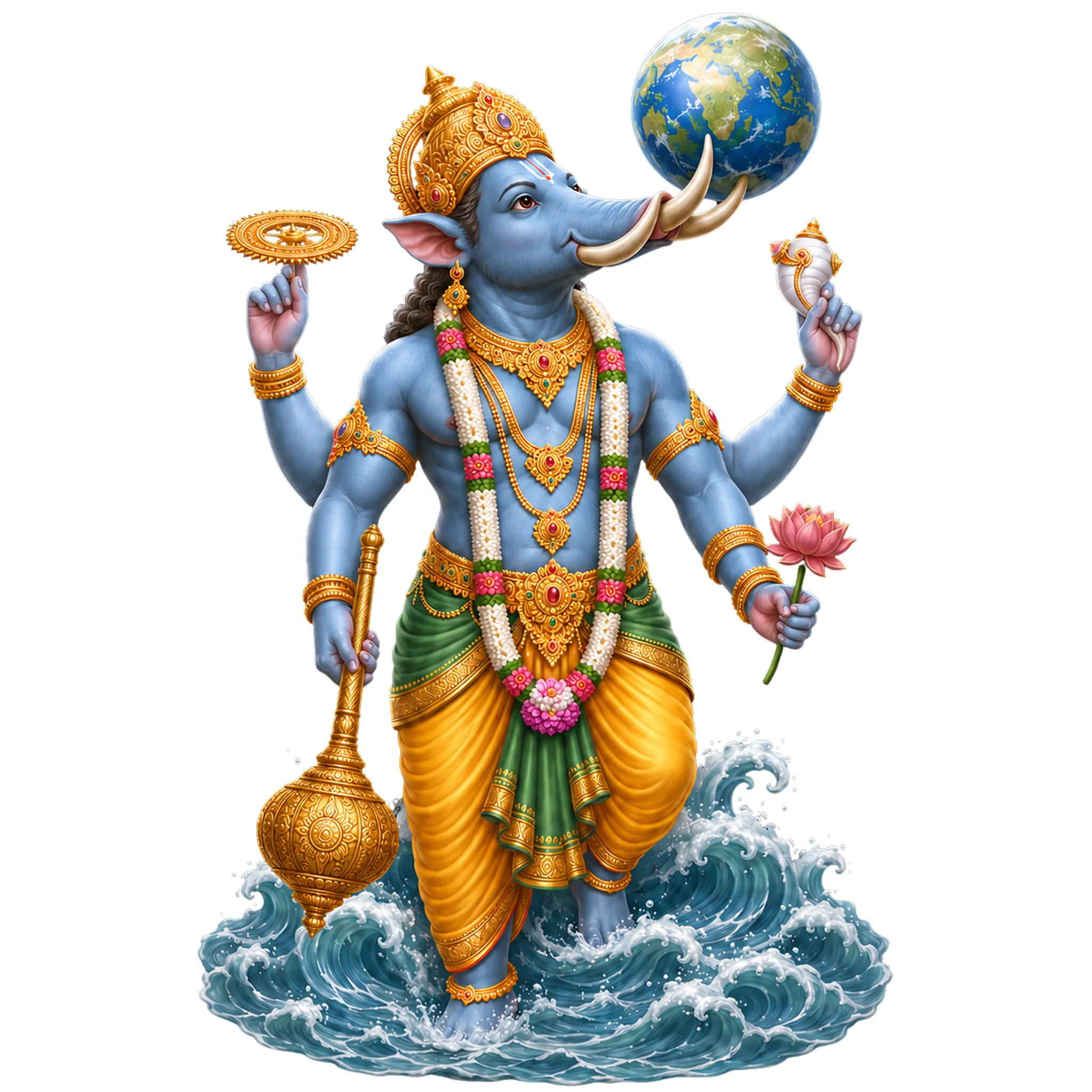
2. Varaha Avatar
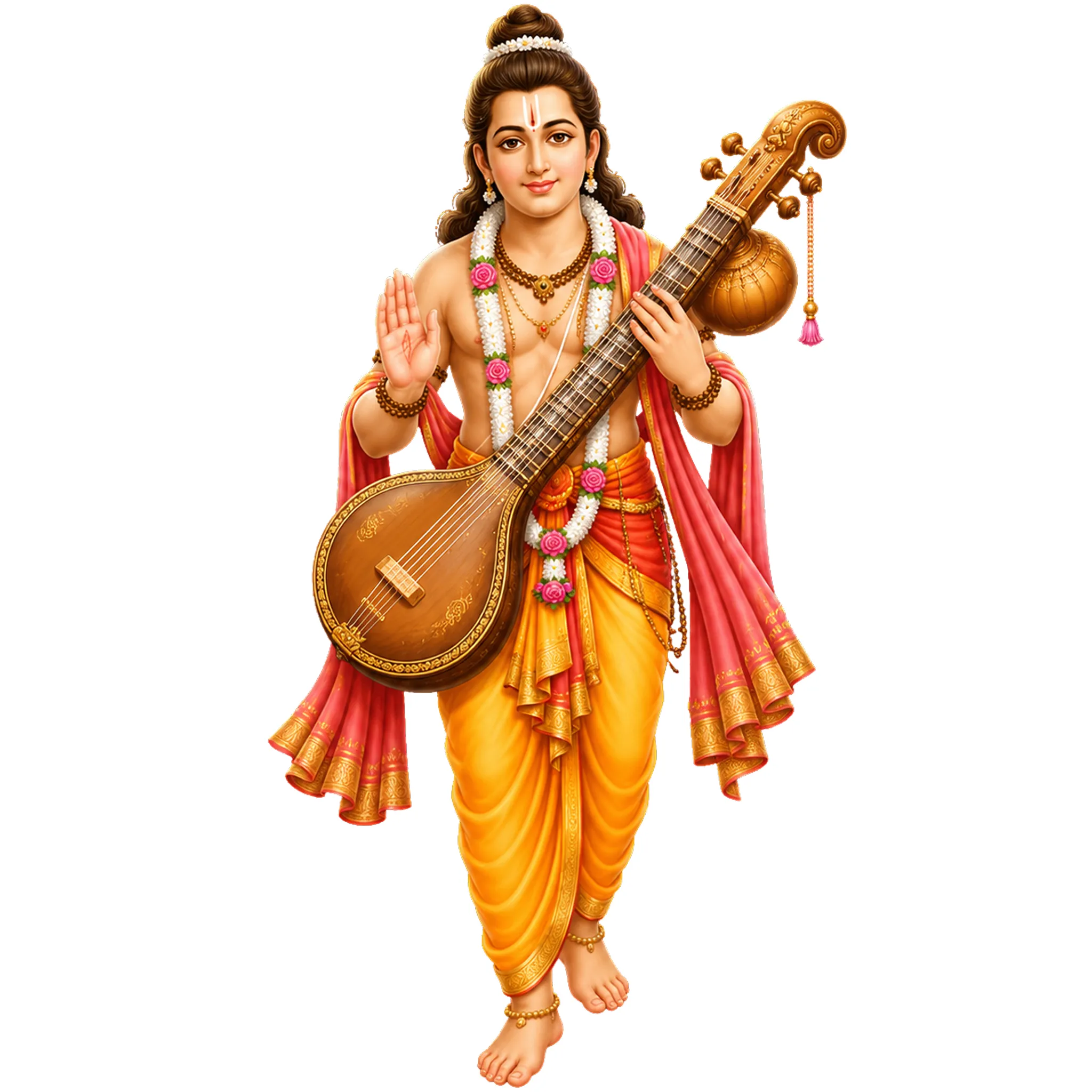
3. Narada Avatar
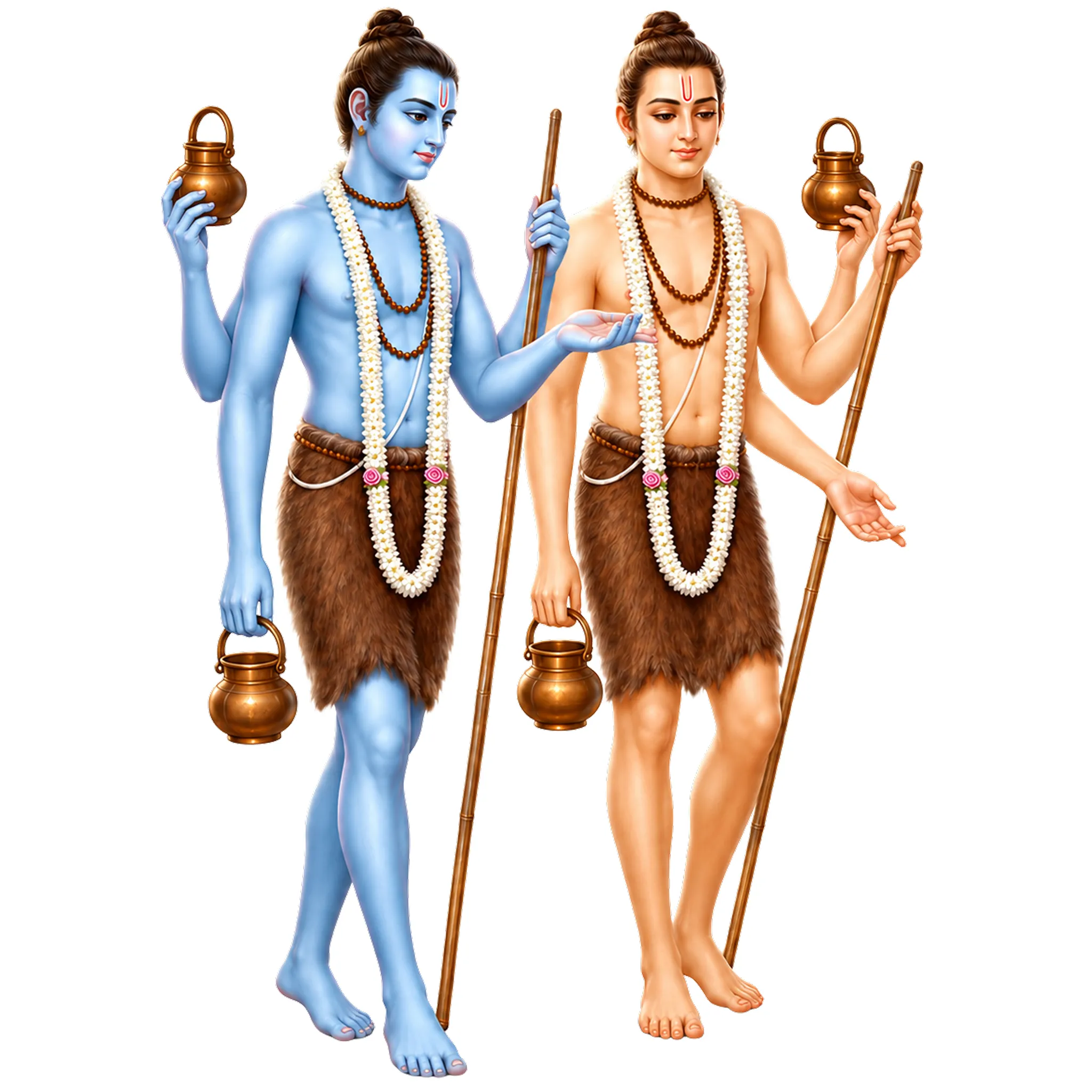
4. Nar-Narayana Avatar
5. Kapila Muni Avatar
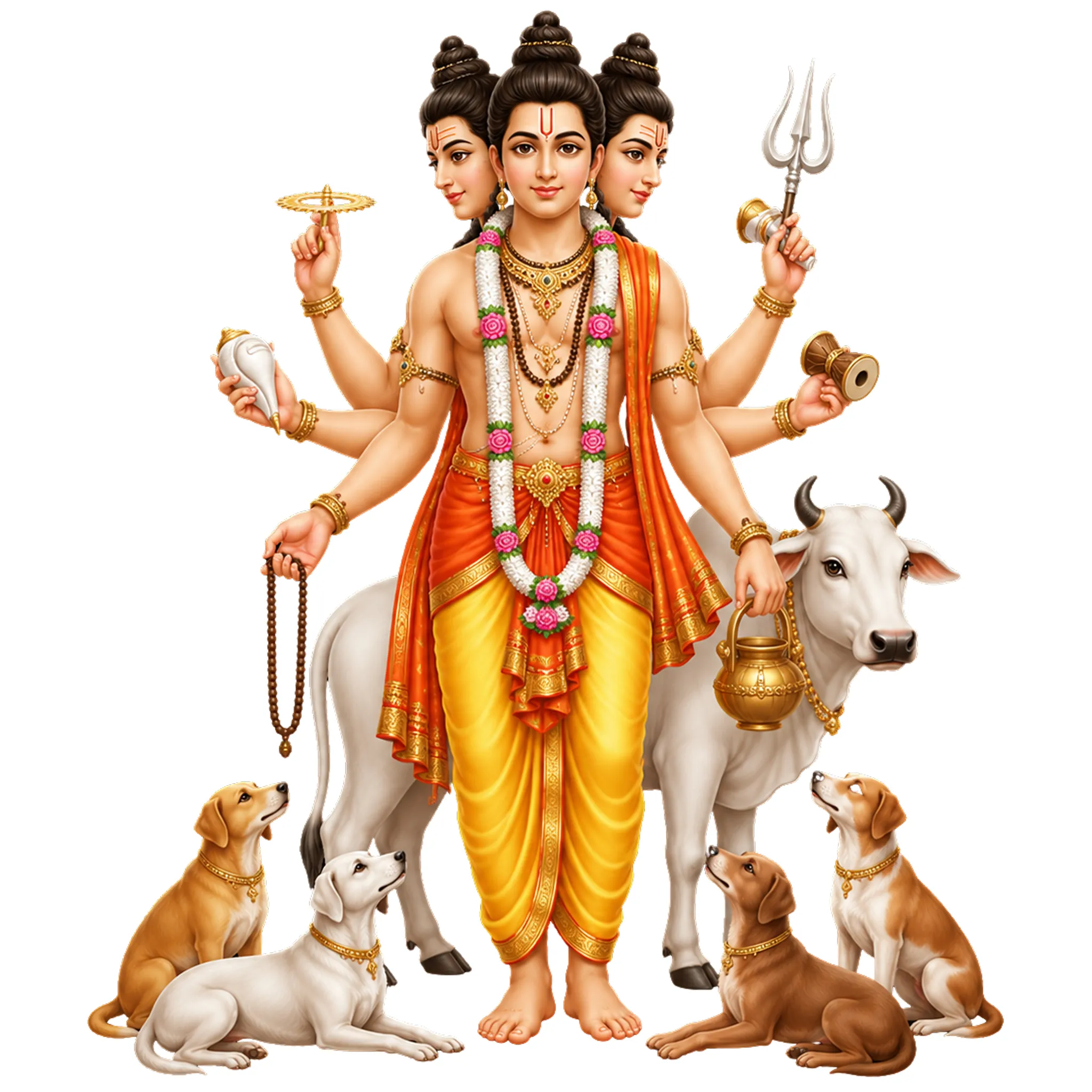
6. Dattatreya Avatar
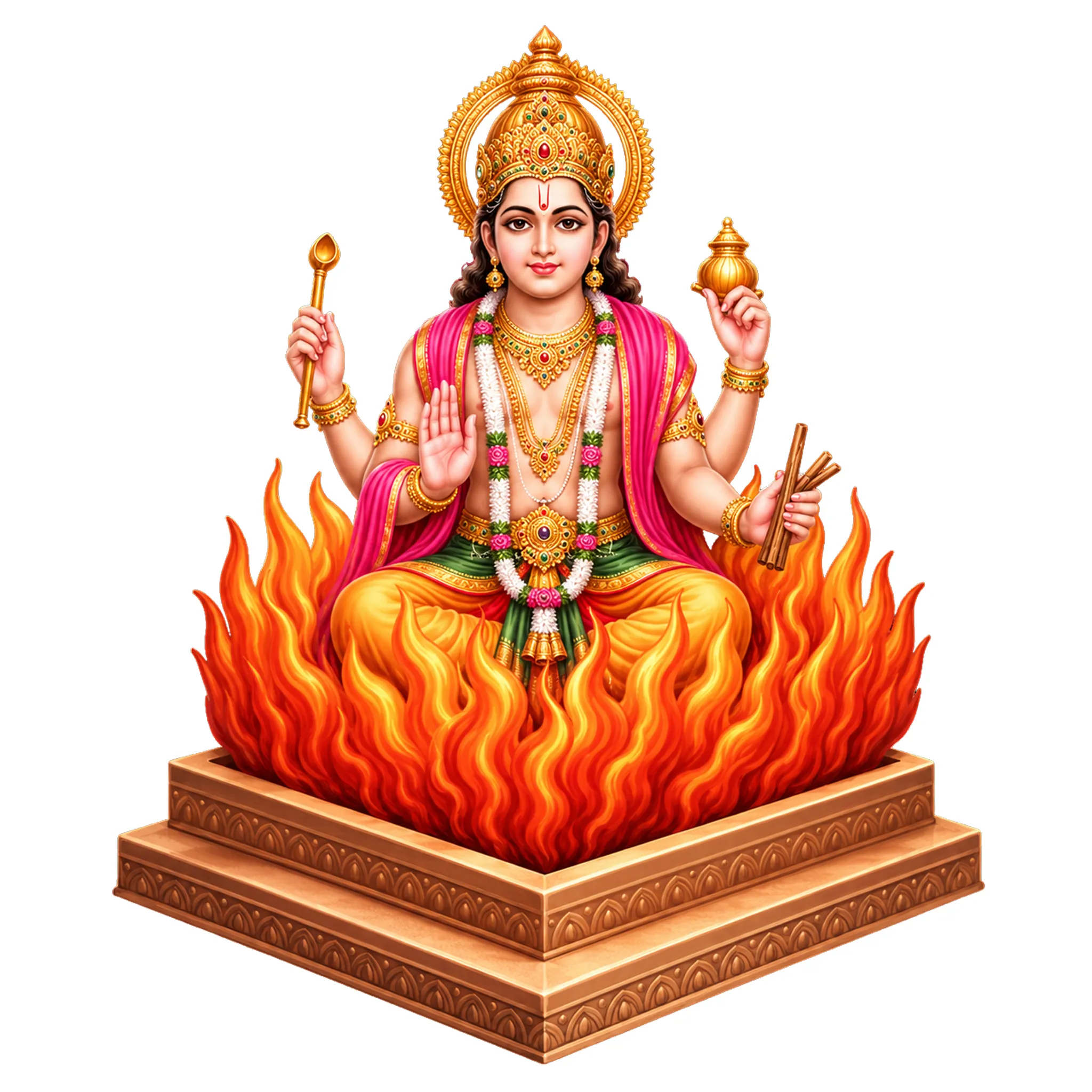
7. Yajna Avatar
8. Rishabhdev Avatar
9. Prithu Avatar
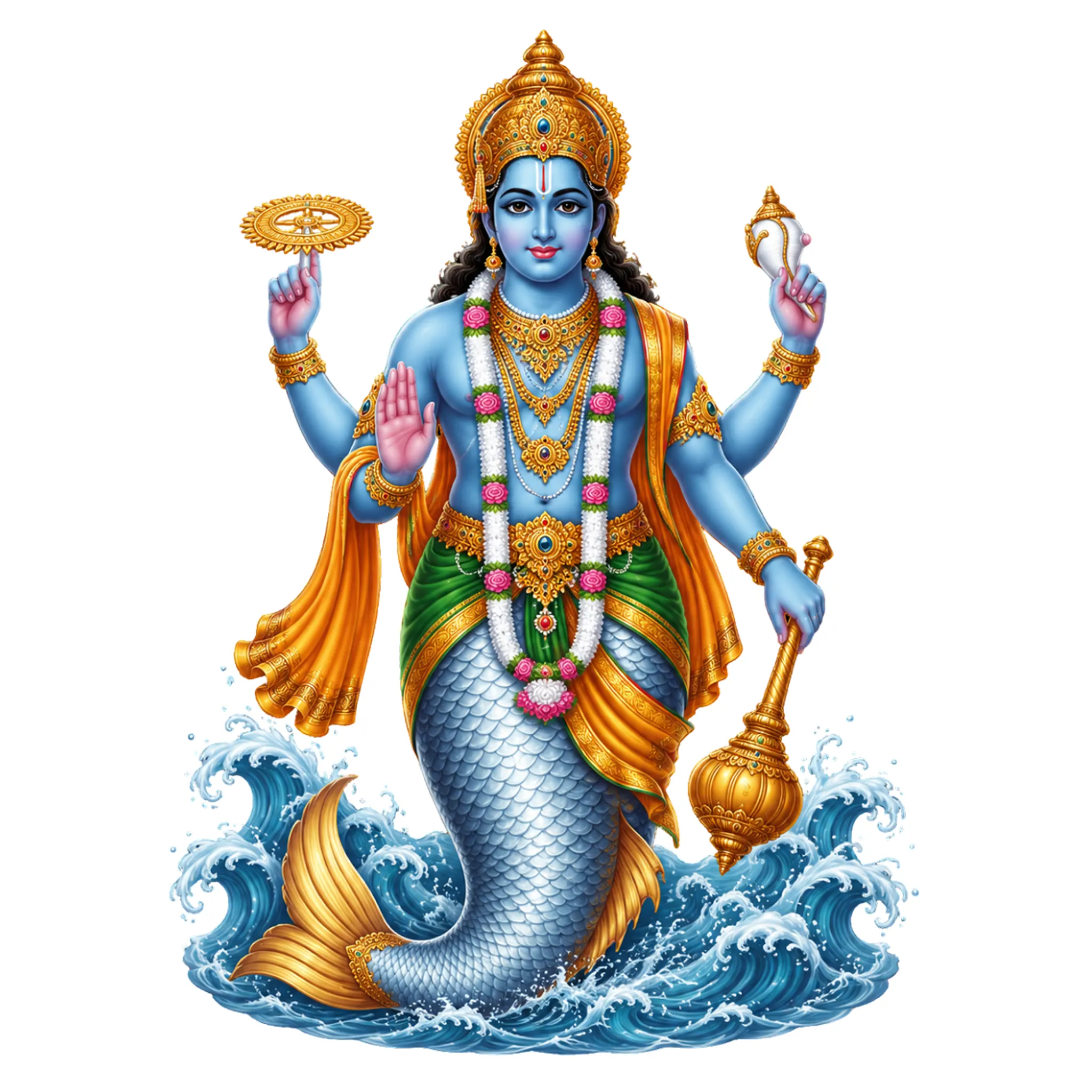
10. Matsya Avatar
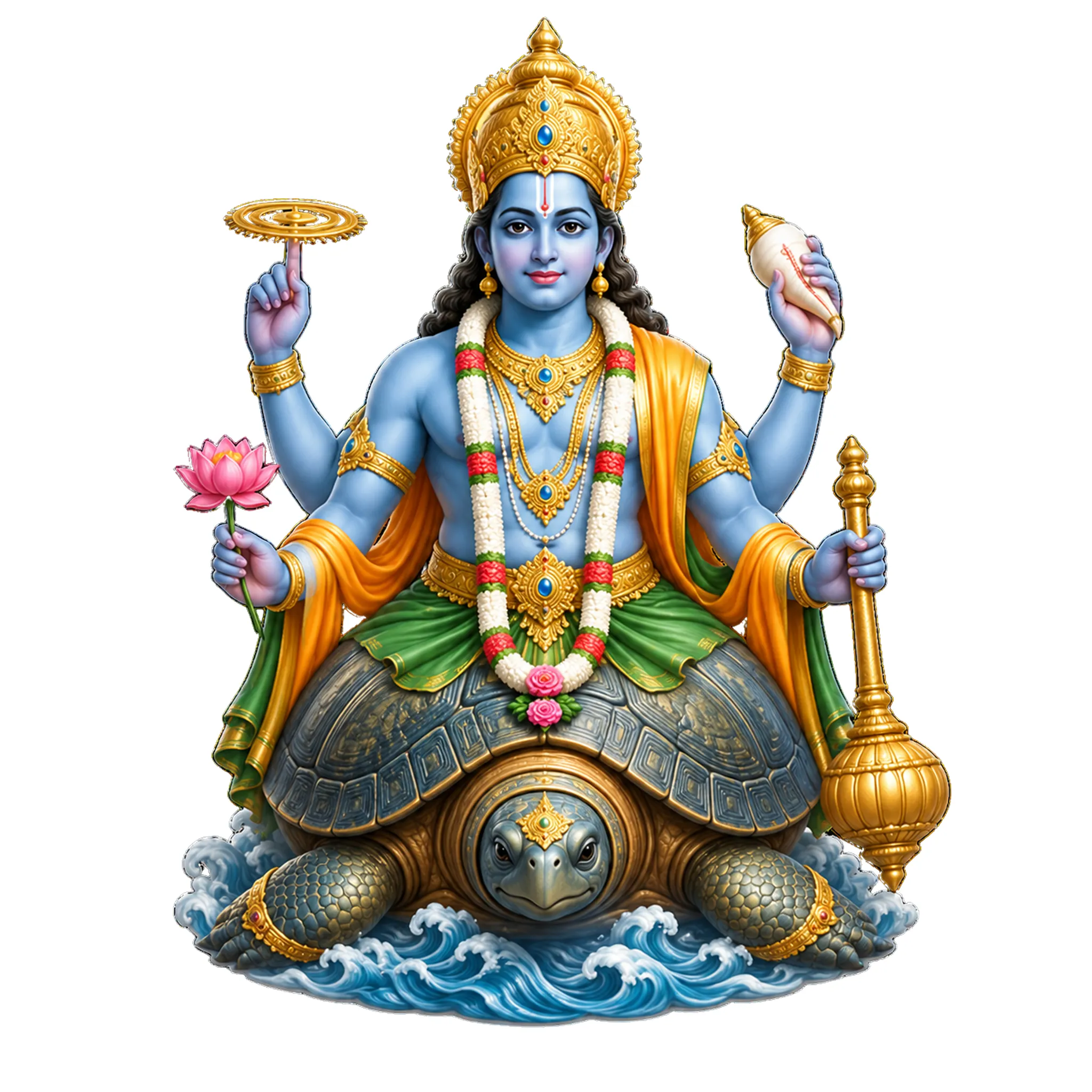
11. Kurma Avatar
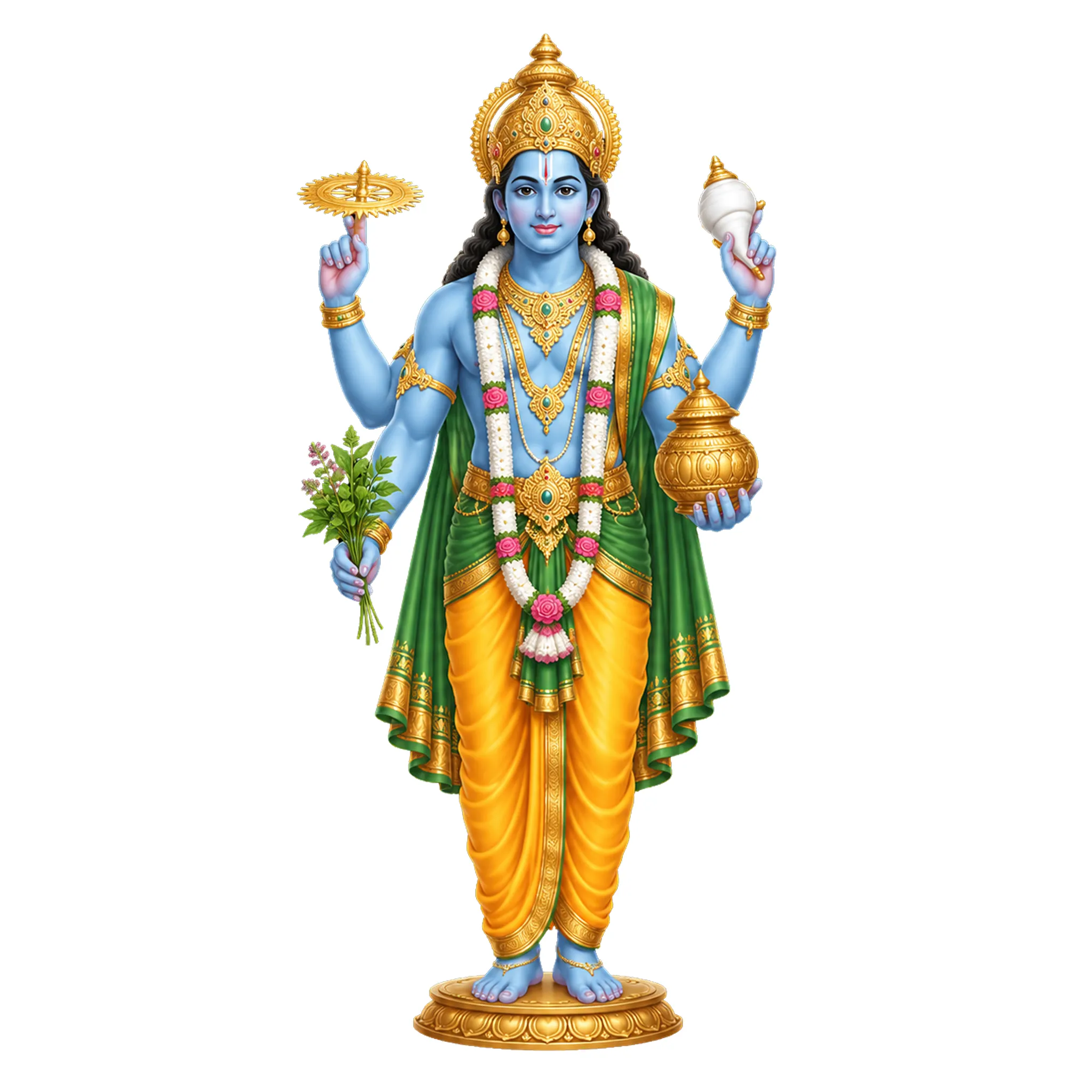
12. Dhanvantari Avatar
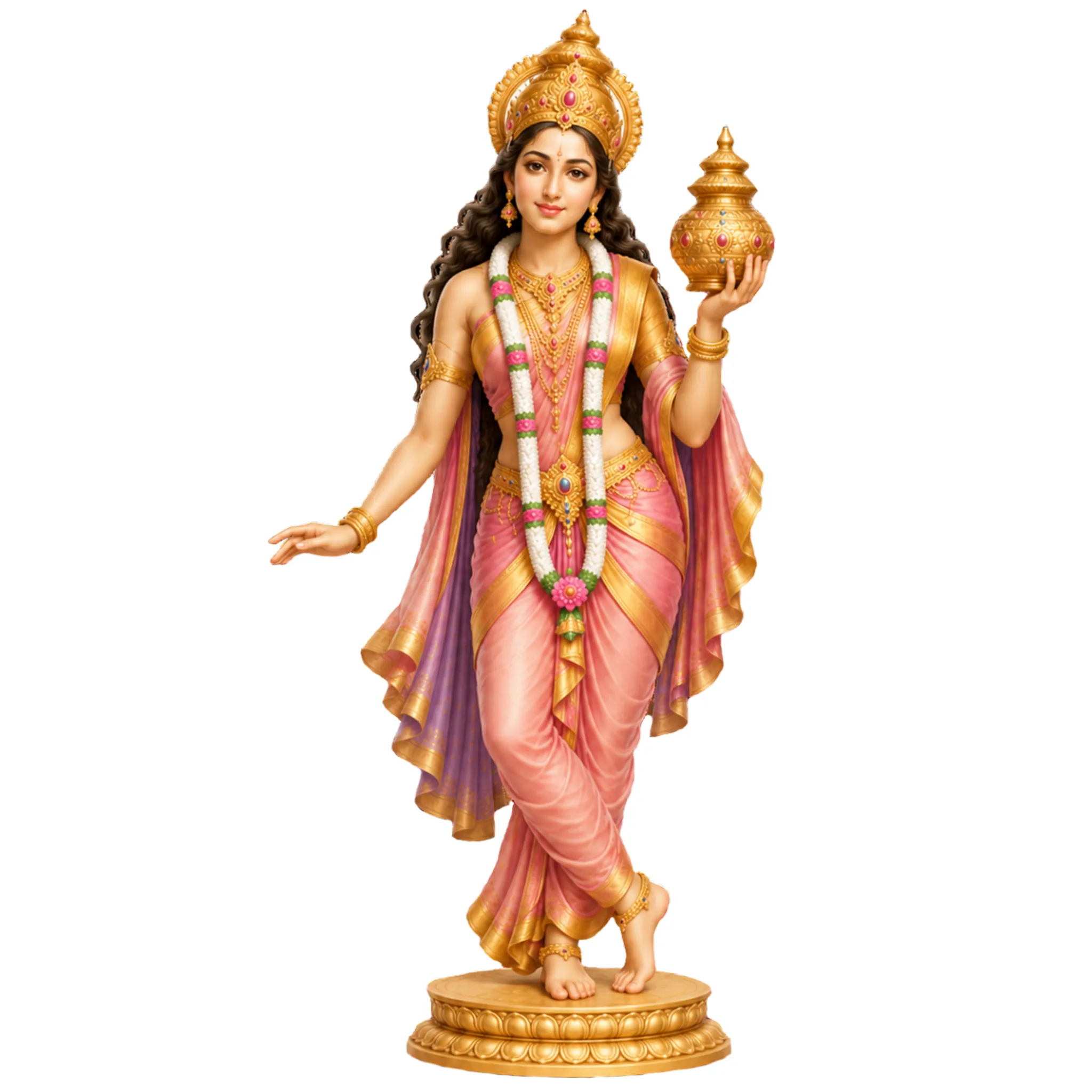
13. Mohini Avatar
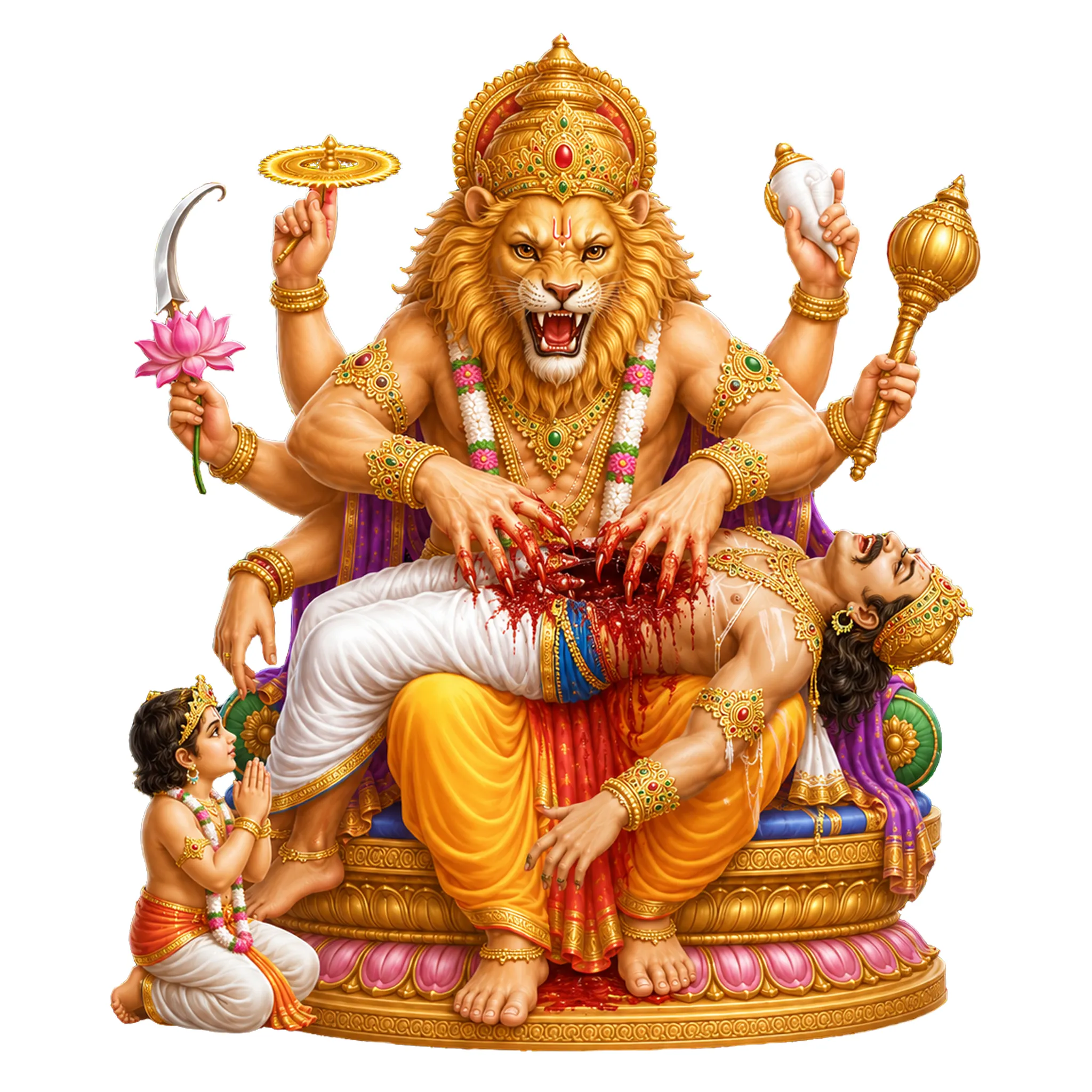
14. Narasimha Avatar
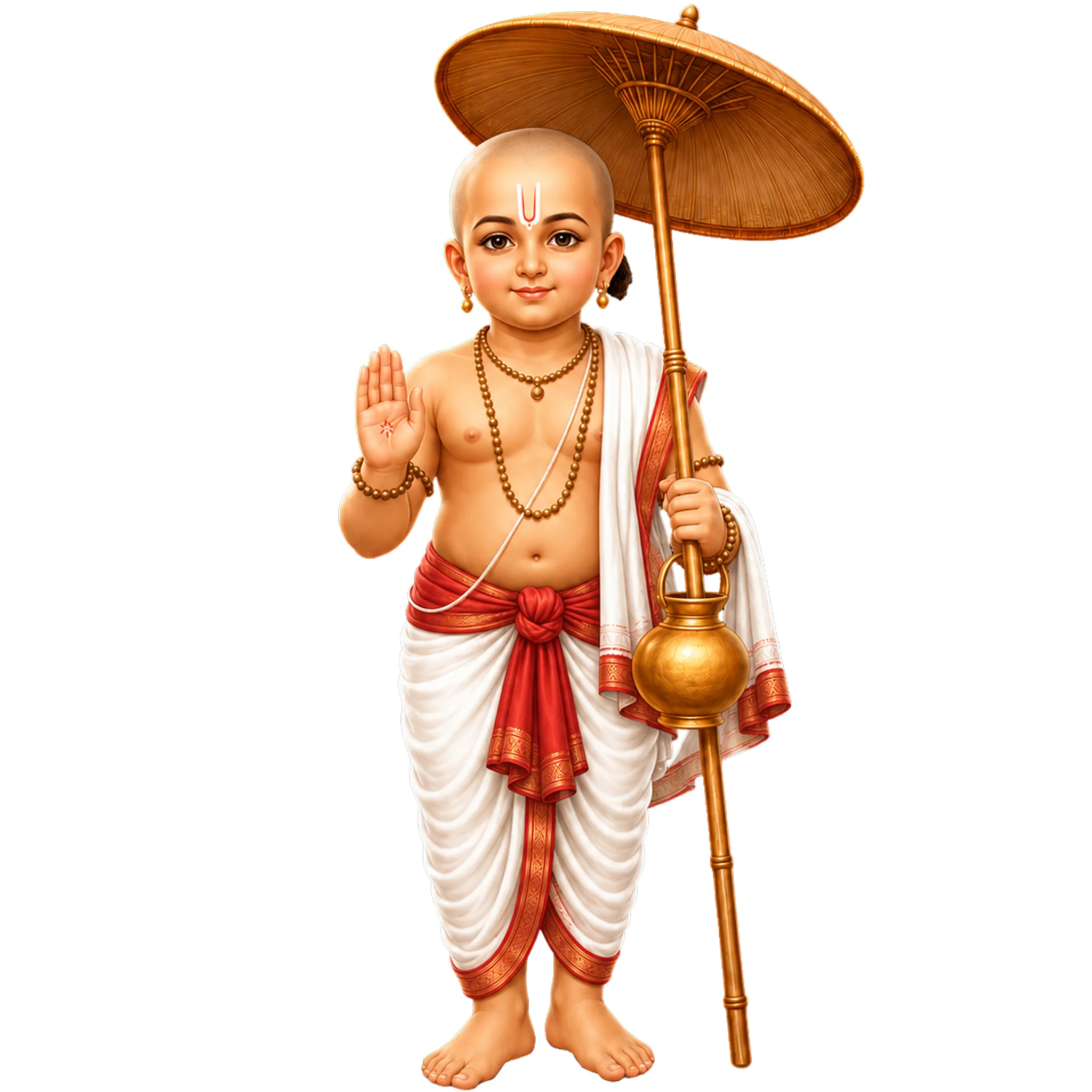
15. Vamana Avatar
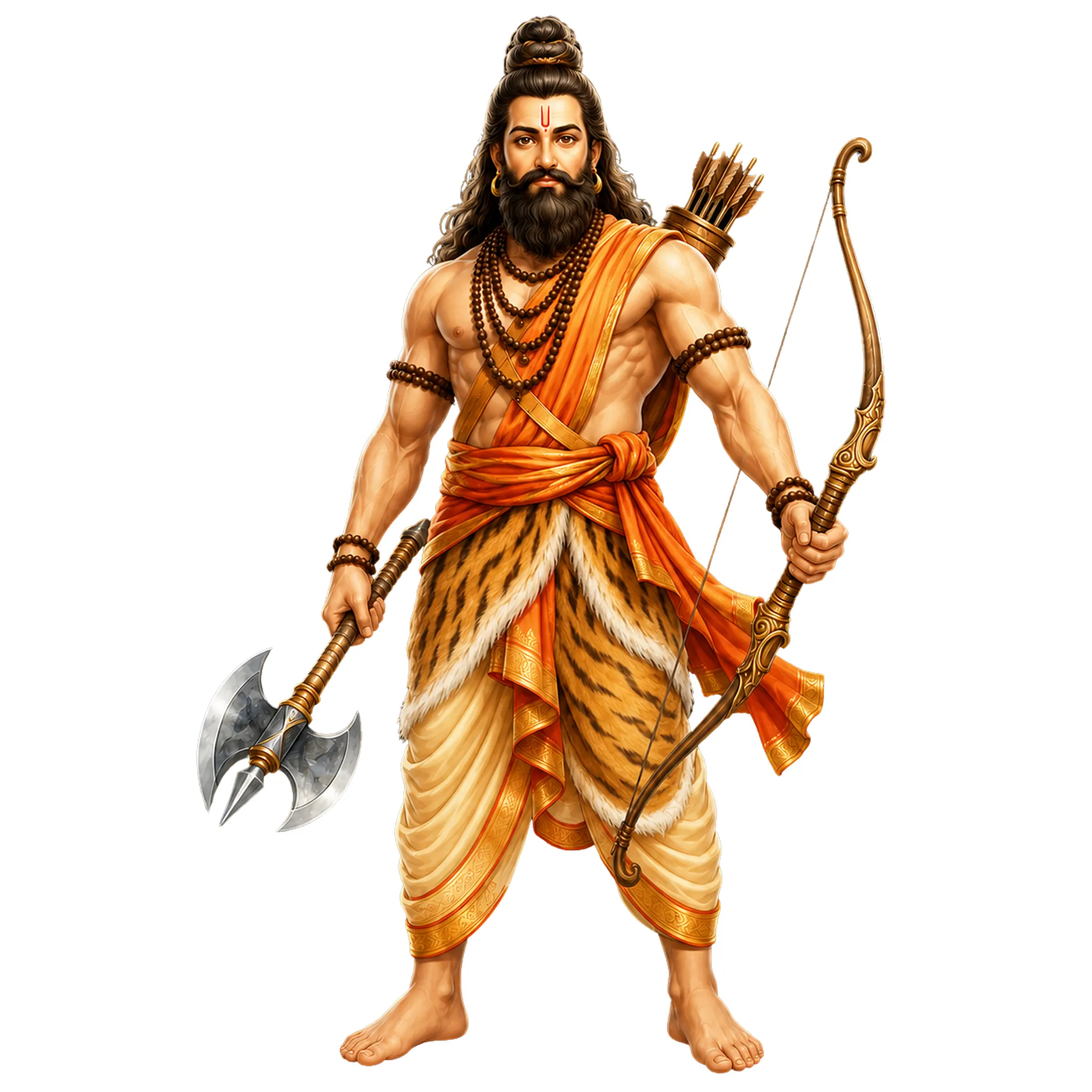
16. Parashurama Avatar
17. Vedvyasa Avatar
18. Shriram Avatars
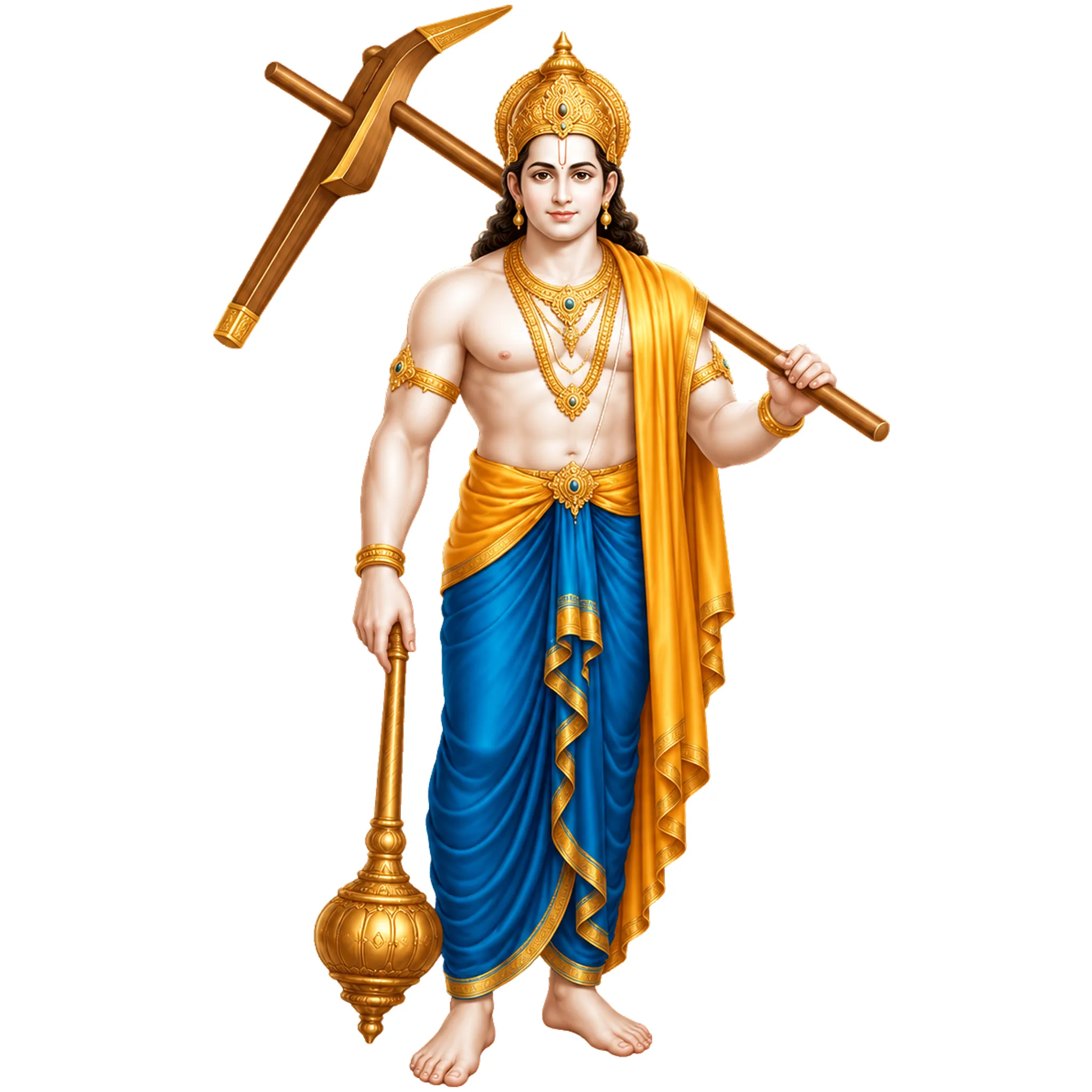
19. Balarama Avatar
20. Krishna Avatar
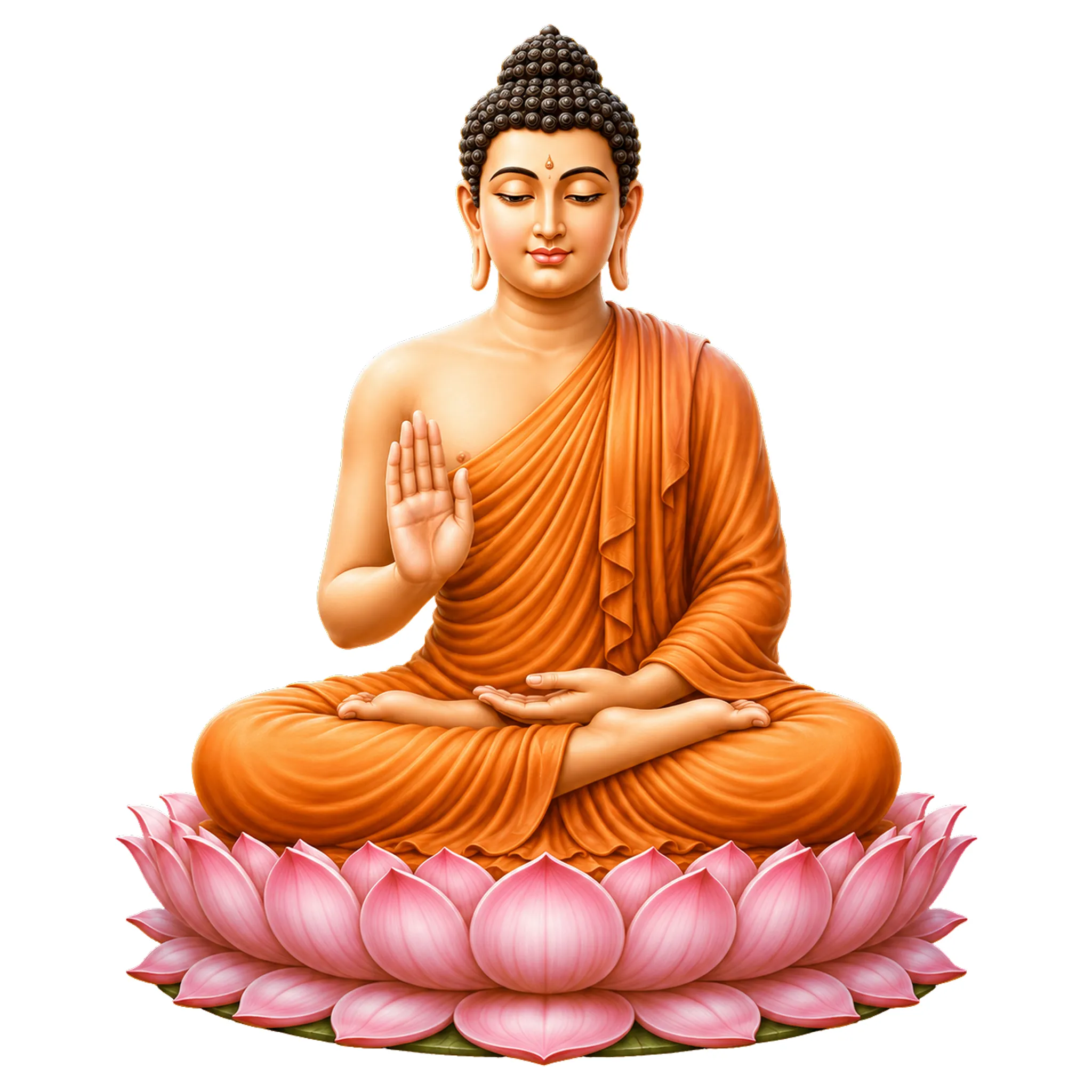
21. Buddha Avatar
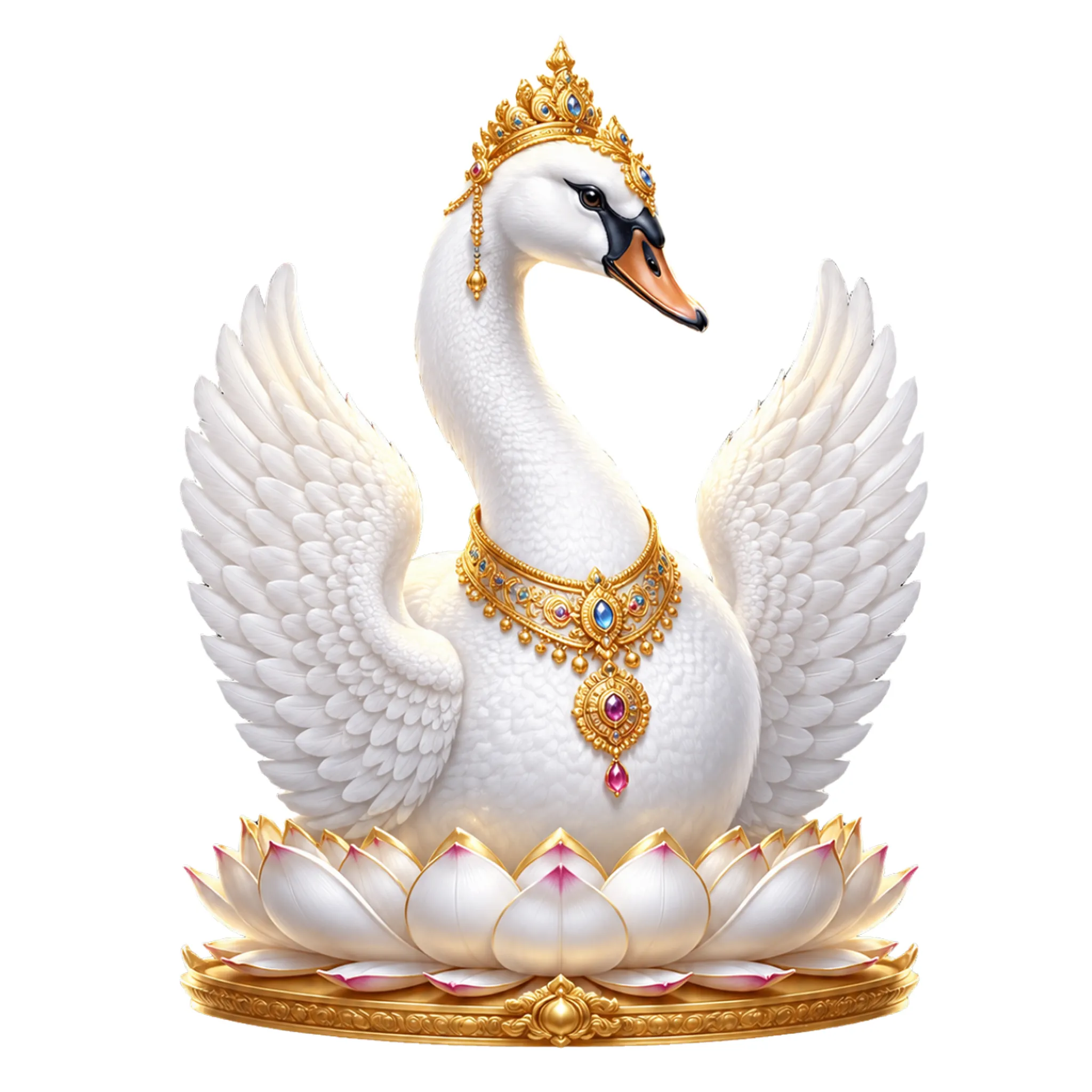
22. Swan Avatar
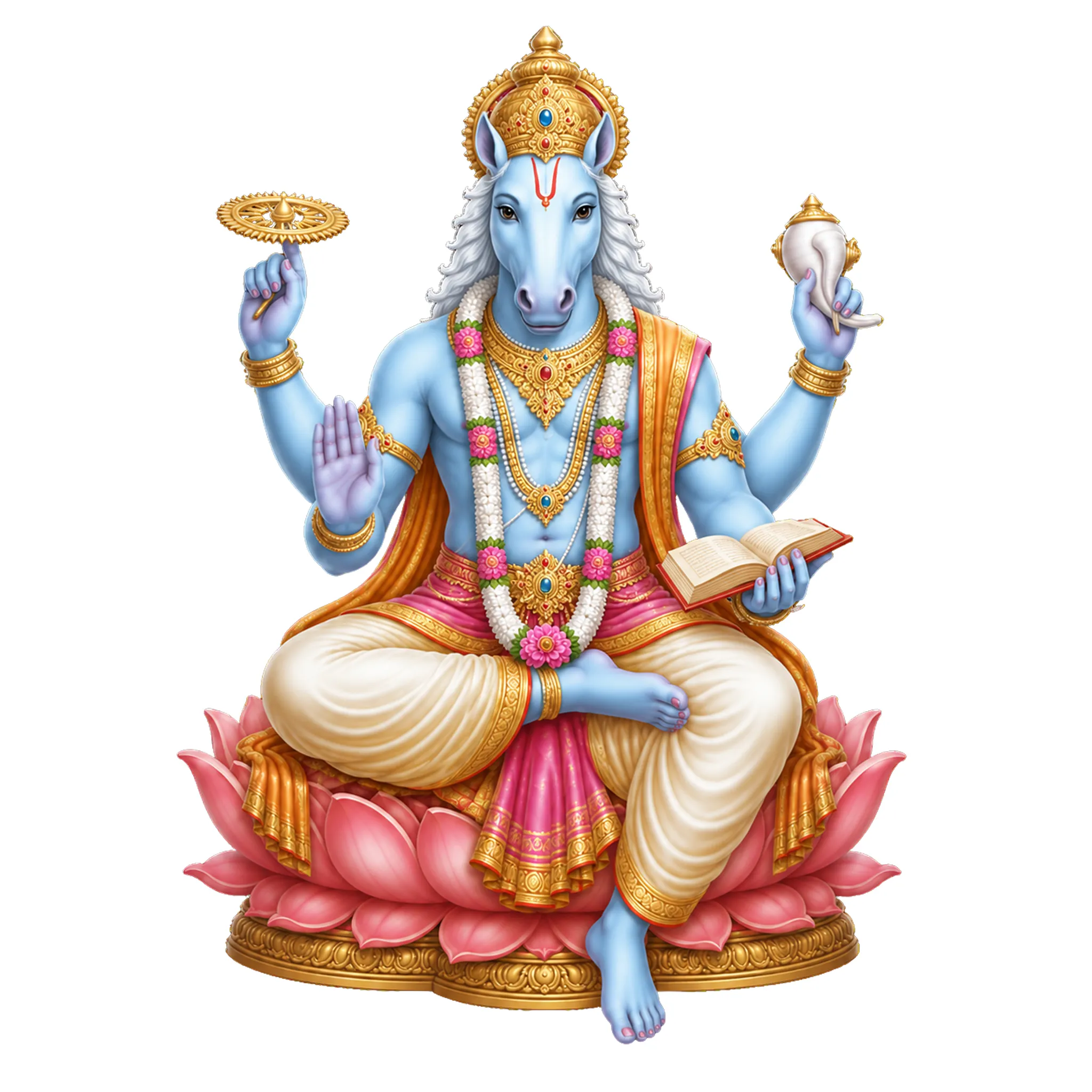
23. Hayagriva Avatar
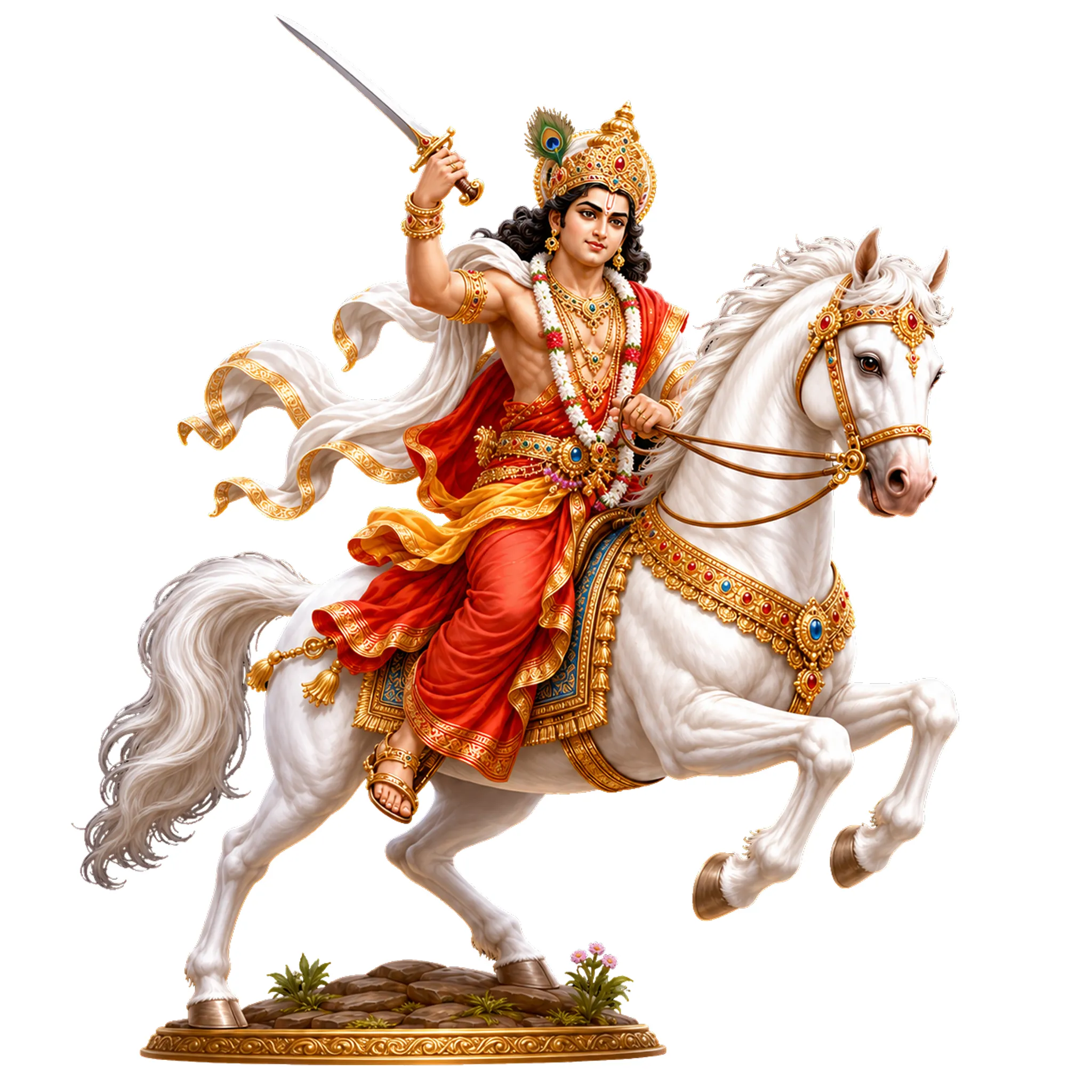
24. Kalki Avatar
Importance of the Twenty-Four Avatars
Each avatar of Lord Vishnu had a specific purpose. Some avatars established religion, some destroyed demons, some preached knowledge and yoga, while some assumed avatars to protect devotees. All these avatars show that God manifests in different forms according to time, place and situation and benefits the creation.
Brief Description of Major Incarnations
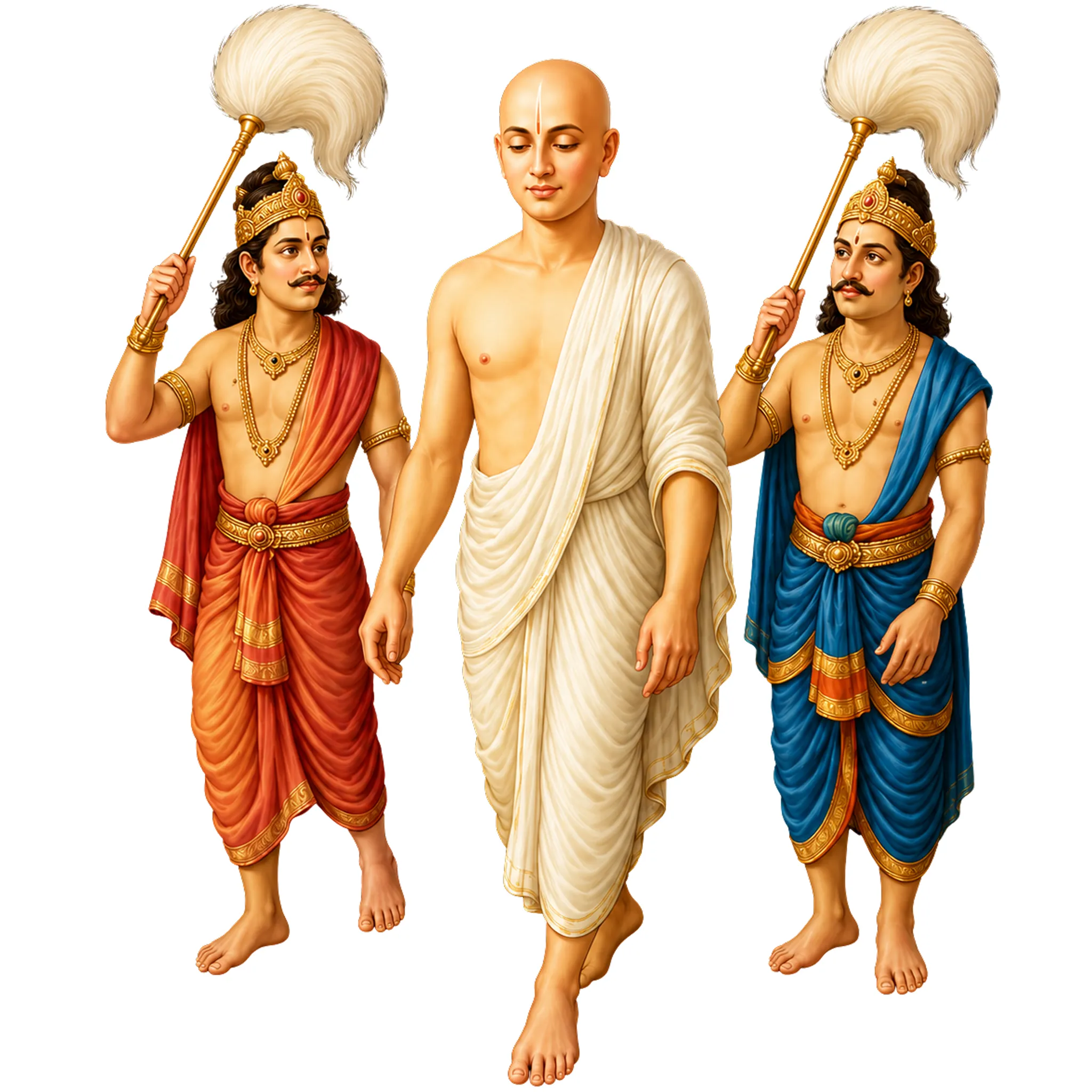
Sankadika Kumara: Appeared to spread knowledge, detachment and Brahman knowledge.
Narada: Spread the message of devotion, music and remembrance of the Lord's name throughout the universe.
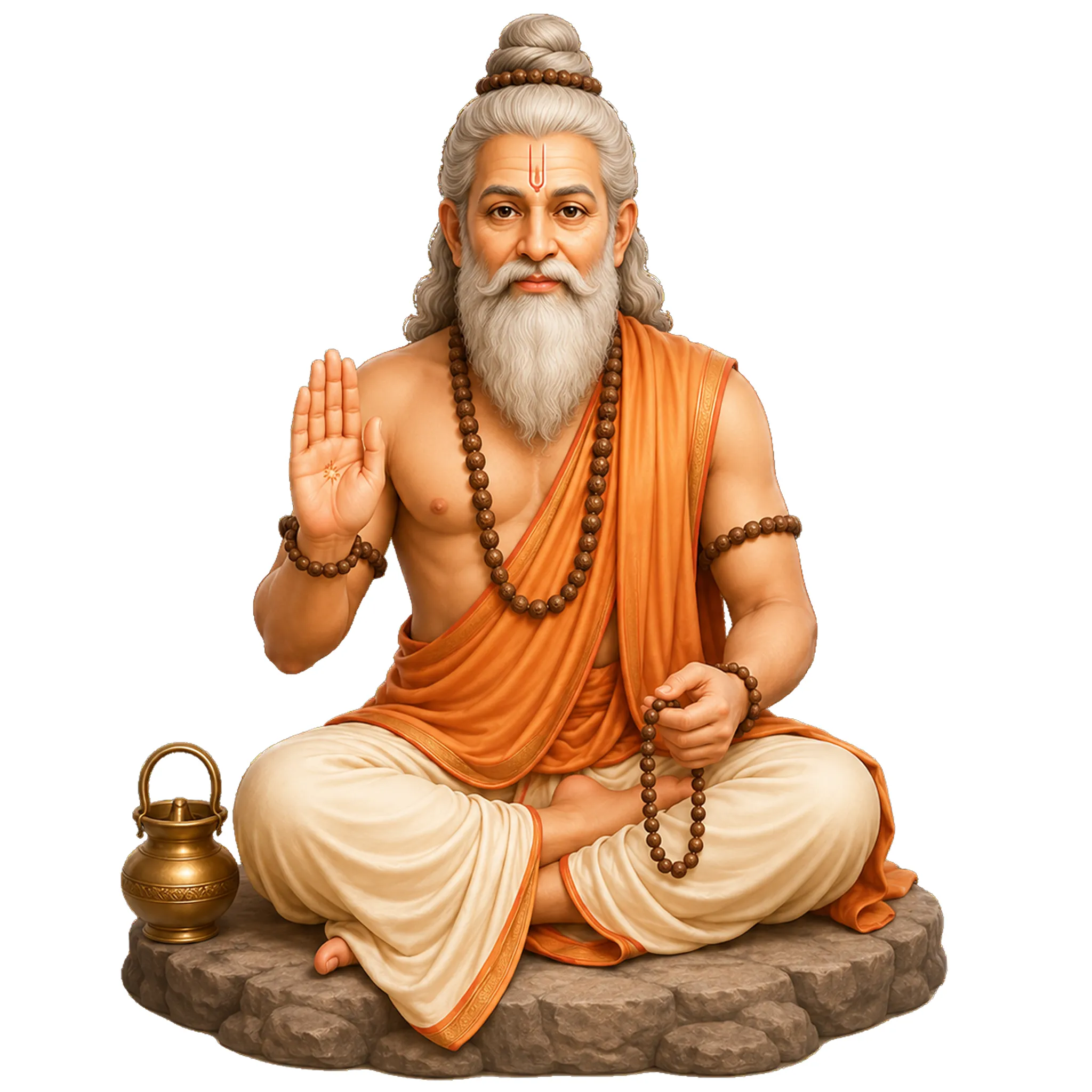
Kapil Muni: As the pioneer of Samkhya philosophy, he propagated spiritual knowledge.
Dattatreya: Considered to be a great teacher of yoga, penance and self-knowledge.
Rishabhdev: Established the ideal of detachment, renunciation and spiritual life.
Dhanvantari: Known as the god of Ayurveda and preached the science of health.
Mohini: Took the form of a divine woman to offer nectar to the gods during the churning of the ocean.
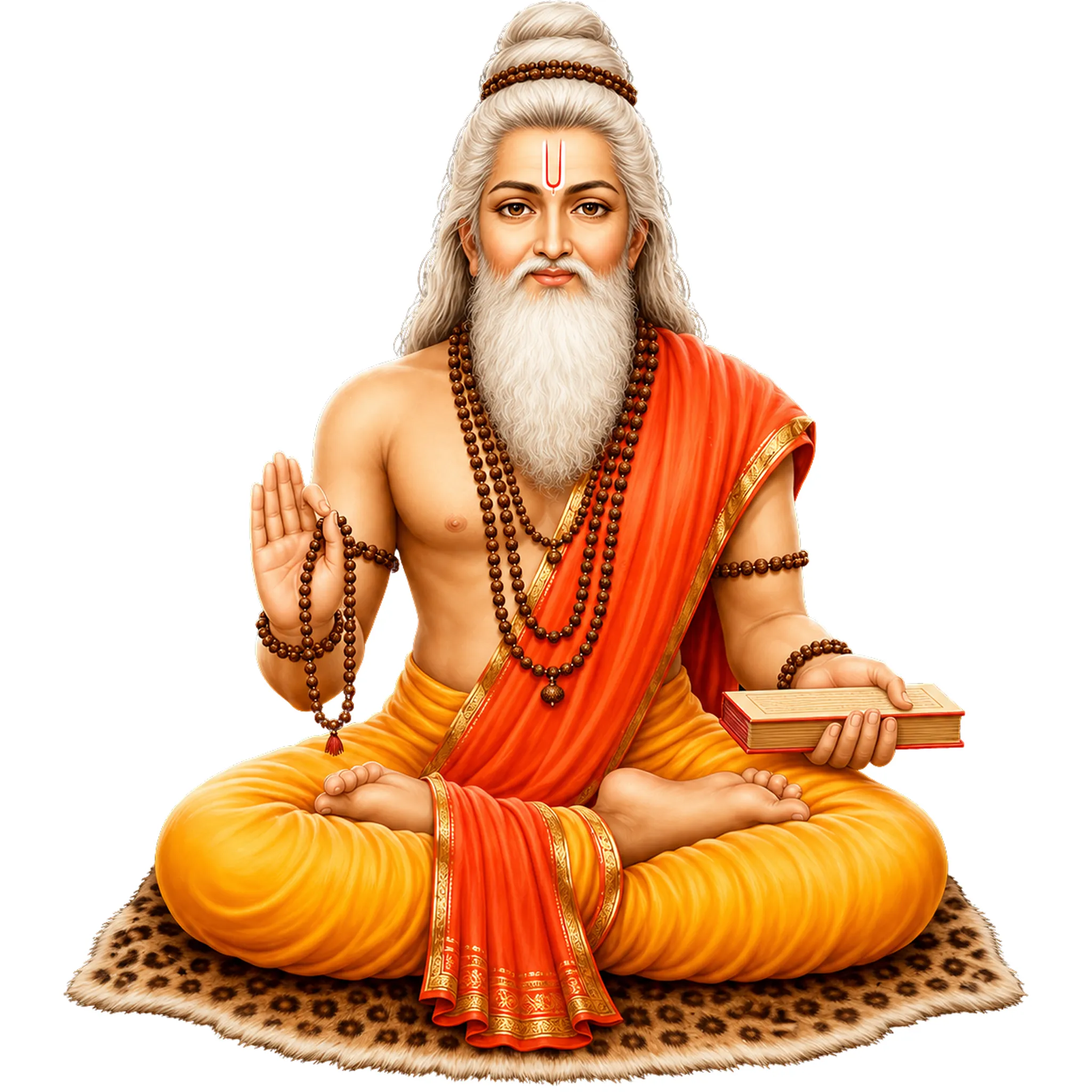
Vedvyasa: Was the great sage who compiled the Vedas, composed the Mahabharata and compiled the Puranas.
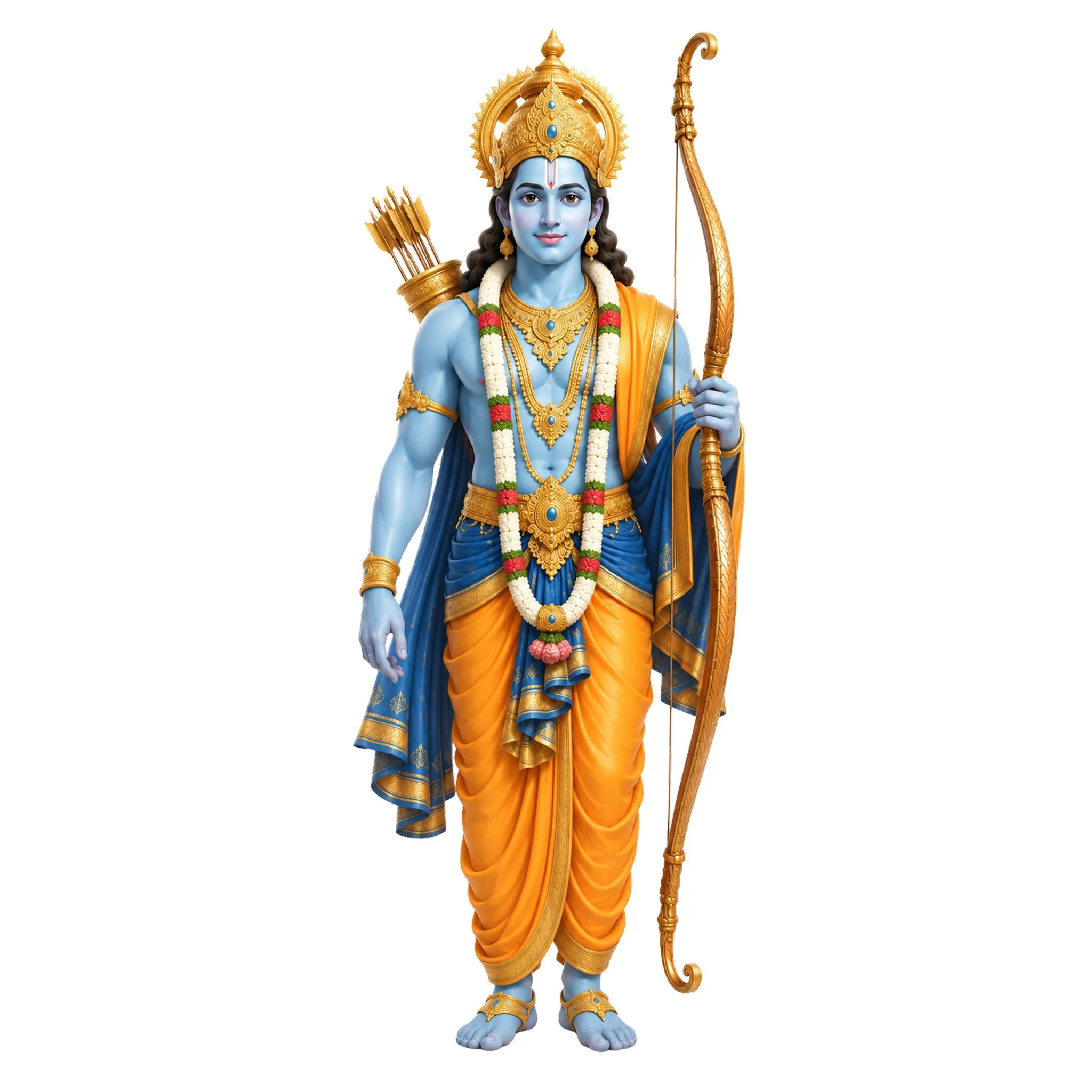
Shriram: Worshipped as the ideal embodiment of moderation, truth and religion.
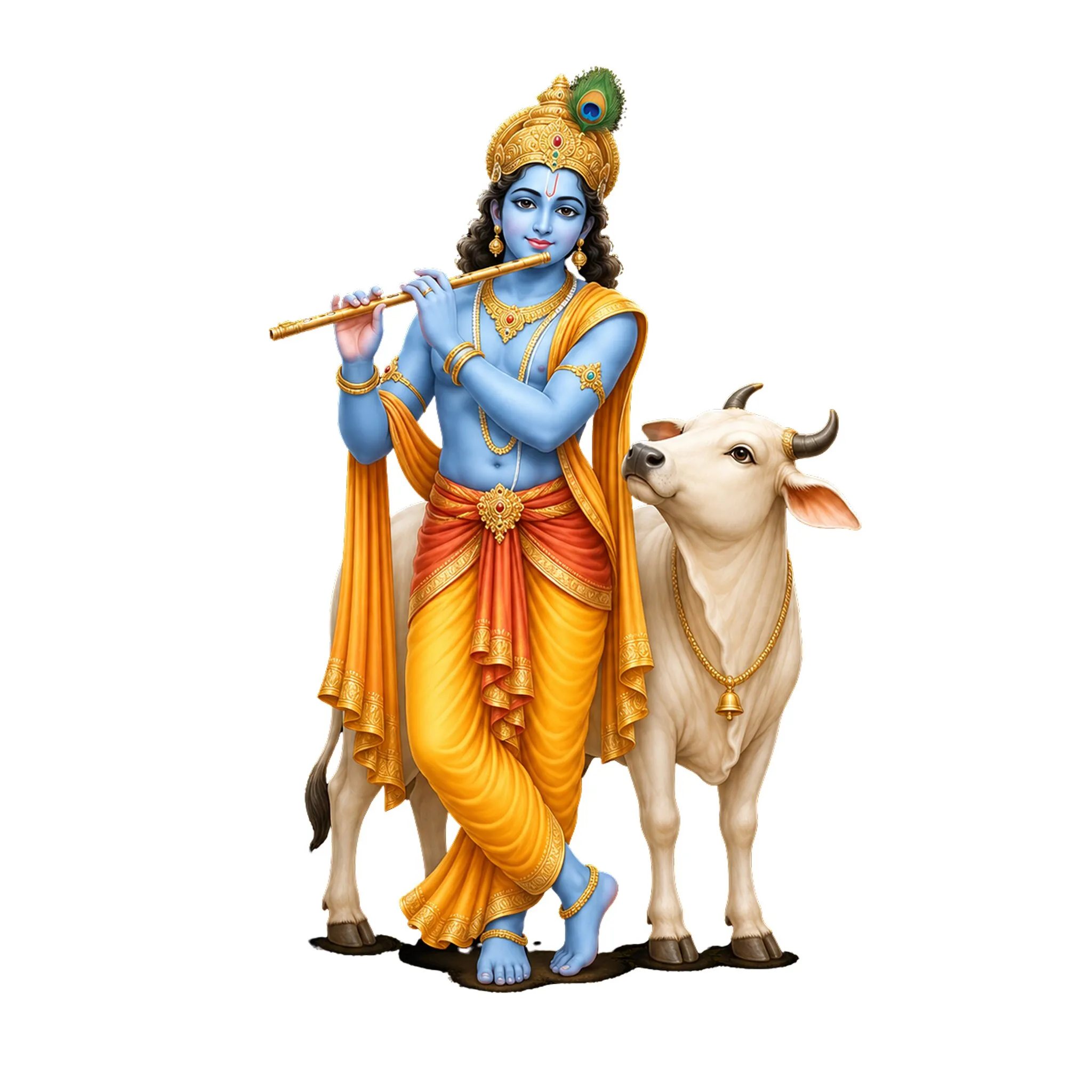
Shri Krishna: The preacher of the Bhagavad Gita and the symbol of love, knowledge and Karma Yoga.
Kalki: will appear at the end of Kali Yuga and destroy unrighteousness and establish Satya Yuga.
Twenty-four incarnations and Bhagavata Purana
The Srimad Bhagavata Maha Purana states that the incarnations of God are innumerable, just as countless streams flow from a river. Twenty-four incarnations are described as the main incarnations, but the divine pastimes and incarnations of God are considered infinite. Through these incarnations, God has protected Dharma, Gyan and Bhakti from time to time.
Spiritual significance
The twenty-four incarnations of Vishnu teach the devotees various values of life. Some incarnations explain the importance of Gyan and Yoga, while others explain the importance of Dharma, Compassion, Justice and Bhakti. These incarnations show humanity the path of righteousness, self-knowledge and devotion to God. Each incarnation represents some important lesson in life.
Conclusion
The twenty-four incarnations of Vishnu are an important part of the spiritual tradition of Hinduism. Through these incarnations, the Lord has worked to establish religion, spread knowledge and protect devotees in various ages. These divine forms, from Matsya to Kalki, inspire devotees to follow the path of truth, religion, compassion and devotion. The 24 incarnations of Lord Vishnu are not just mythological stories, but are an invaluable source of eternal guidance and spiritual inspiration for human life.