




Planet Position, Gochar, Ast, Vakri & Eclipses in Vedic Astrology



Planetary Astrology – Planet Gochar, Planet Ast, Planet Vakri, Planet Position & Eclipses in Vedic Astrology
In Vedic astrology, planetary positions and movements play a vital role in shaping human life. Your birth chart (Janma Kundali) shows the original planetary placements at the time of birth, while ongoing planetary changes such as Planet Gochar (Transit), Planet Ast (Combustion), Planet Vakri (Retrograde), planetary position and eclipses influence present and future life events.
By understanding planet position, planetary transit, retrograde motion, combustion and eclipses, one can predict career growth, marriage timing, financial stability, health trends and spiritual progress.
Planet Position in Birth Chart
Planetary position refers to the placement of planets in specific zodiac signs (Rashi), houses (Bhava) and Nakshatras at the time of birth. These placements define personality, strengths, weaknesses, life direction and karmic patterns. The strength, dignity and aspects of planets determine how their results will manifest in life.
Planet Gochar (Transit)
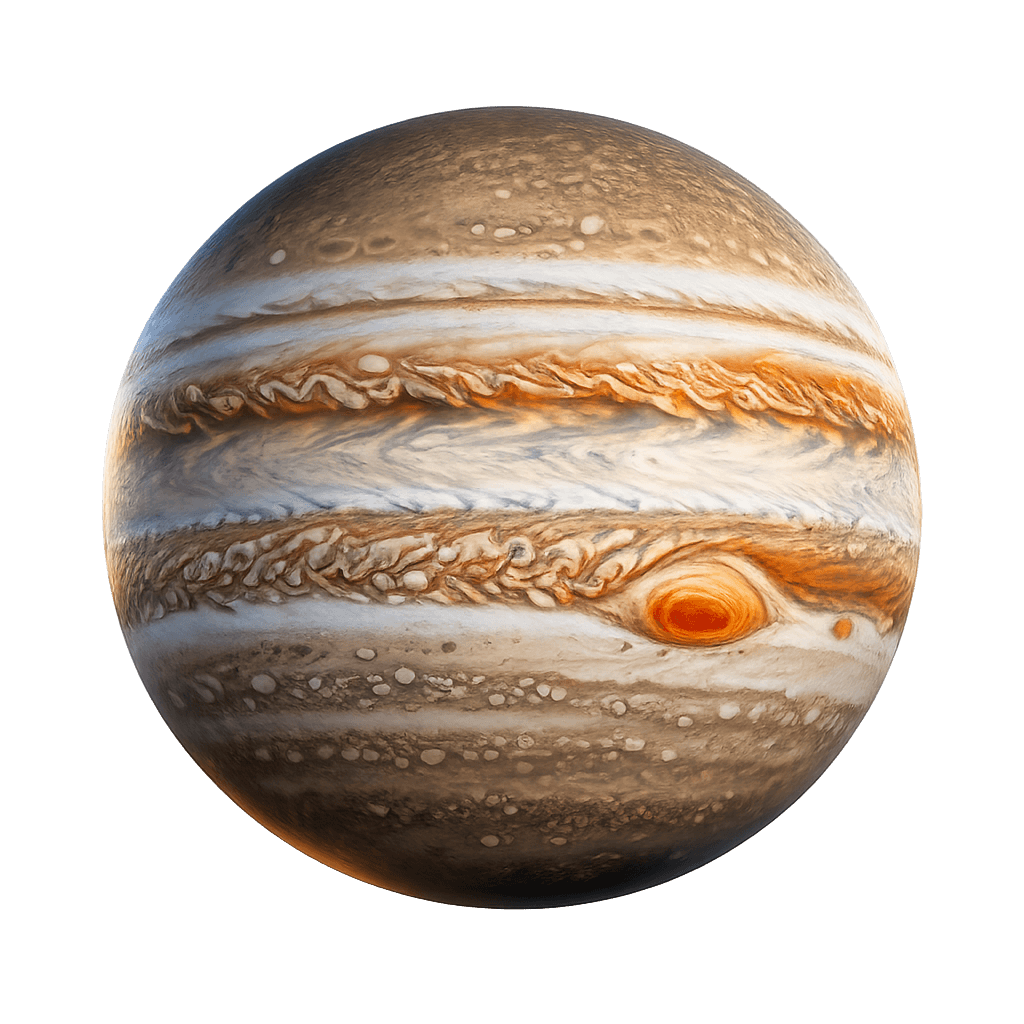
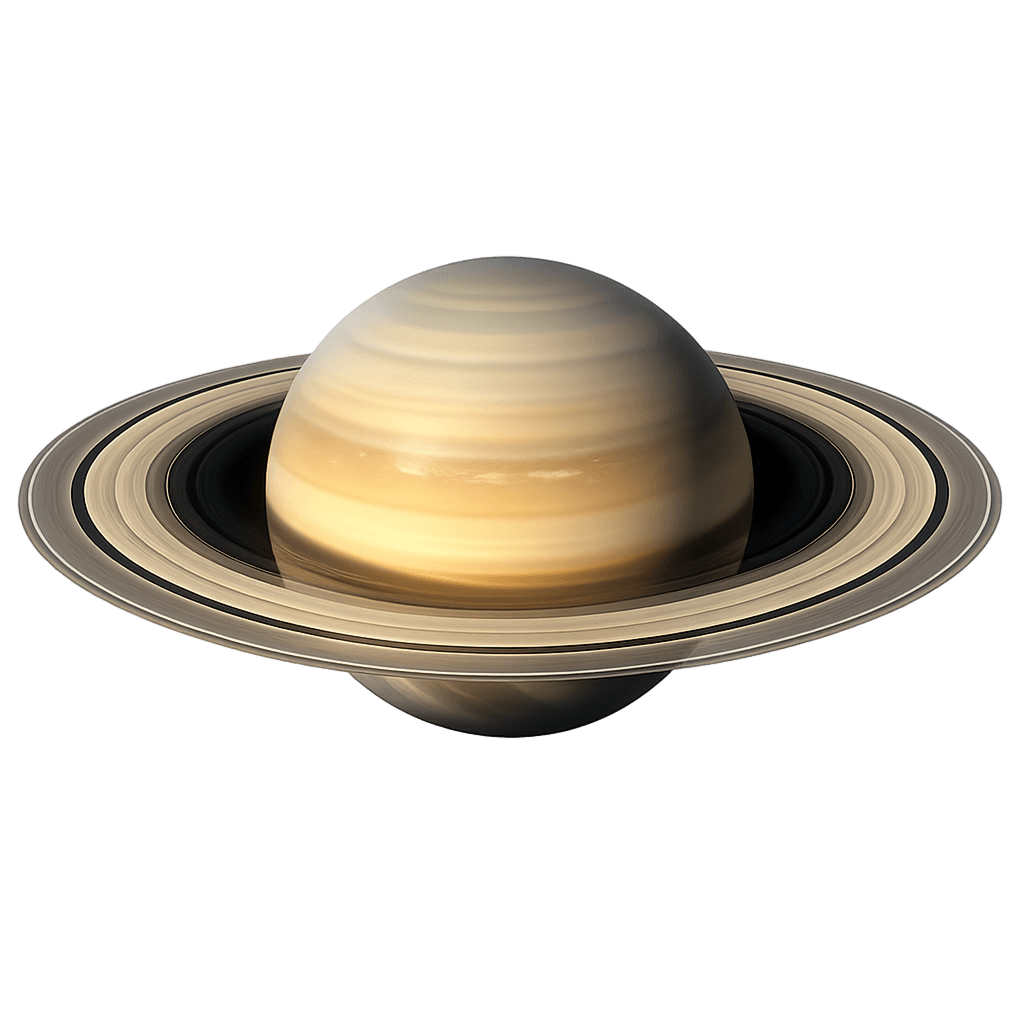
Planet Gochar refers to the real-time movement of planets across zodiac signs and houses. While the birth chart shows the life blueprint, transits activate specific events and time periods. Slow-moving planets like Saturn, Jupiter and Rahu-Ketu have long-term effects, while Sun and Moon influence short-term daily changes.
Planet Ast (Combustion)
Planet Ast occurs when a planet comes very close to the Sun and loses its visible strength. Combustion may reduce the external expression of that planet’s qualities. Its impact depends on degree closeness, sign placement and overall chart strength.
Planet Vakri (Retrograde)
Planet Vakri refers to the apparent backward movement of a planet. Retrograde planets are karmically significant and often internally powerful. They may cause delays, repetition of events or deep internal transformation.
Eclipse in Vedic Astrology
Eclipses are powerful celestial events that occur due to the alignment of the Sun, Moon and Rahu-Ketu. In Vedic astrology, eclipses indicate karmic shifts, sudden changes and transformative life events. Their impact depends on which zodiac sign and house they activate in an individual’s birth chart.
Solar Eclipse (Surya Grahan)
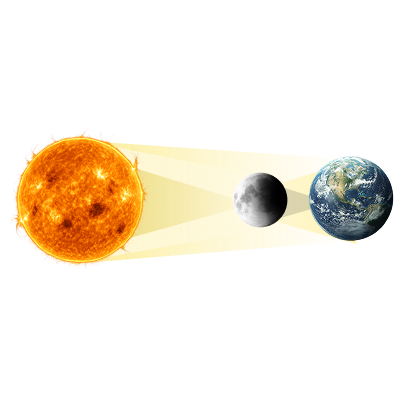
A Solar Eclipse occurs when the Moon comes between the Earth and the Sun, temporarily blocking sunlight. In astrology, Solar Eclipses influence authority, career, leadership, father-related matters and personal identity. They often trigger major life direction changes when aligned with important natal planets.
Lunar Eclipse (Chandra Grahan)
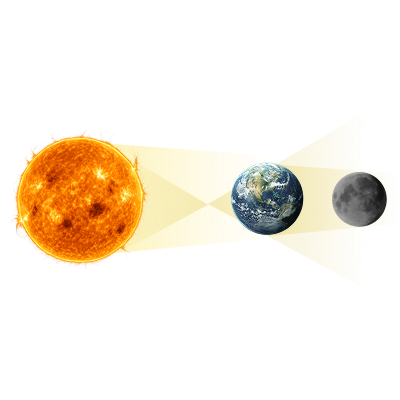
A Lunar Eclipse occurs when the Earth comes between the Sun and the Moon, casting a shadow on the Moon. Lunar Eclipses affect emotions, relationships, mental peace and subconscious patterns. They may bring emotional revelations, endings or important realizations.
Why is combined analysis important?
Accurate prediction requires analyzing natal position, current transit, combustion, retrograde status and eclipses together. This combined approach provides precise timing and deeper life insights.
What is the difference between planet position and transit?
Planet position shows the birth chart placement, while transit shows current planetary movement affecting ongoing events.
Is combustion always negative?
Not always. A combust planet may lose external strength but can still give good results if strong by sign or aspect.
Are retrograde planets stronger?
Retrograde planets are often internally strong, but their results may be delayed or expressed differently.
Which planetary transit is most important?
Saturn, Jupiter and Rahu-Ketu transits are considered most impactful due to their long duration.
Do eclipses affect everyone equally?
No. Eclipse effects vary depending on individual birth chart, house placement, current Dasha and planetary strength.
How can I check my current planetary status?
By analyzing your birth chart along with current planetary positions, transits, retrograde motion, combustion and eclipse influence, accurate predictions can be made.