






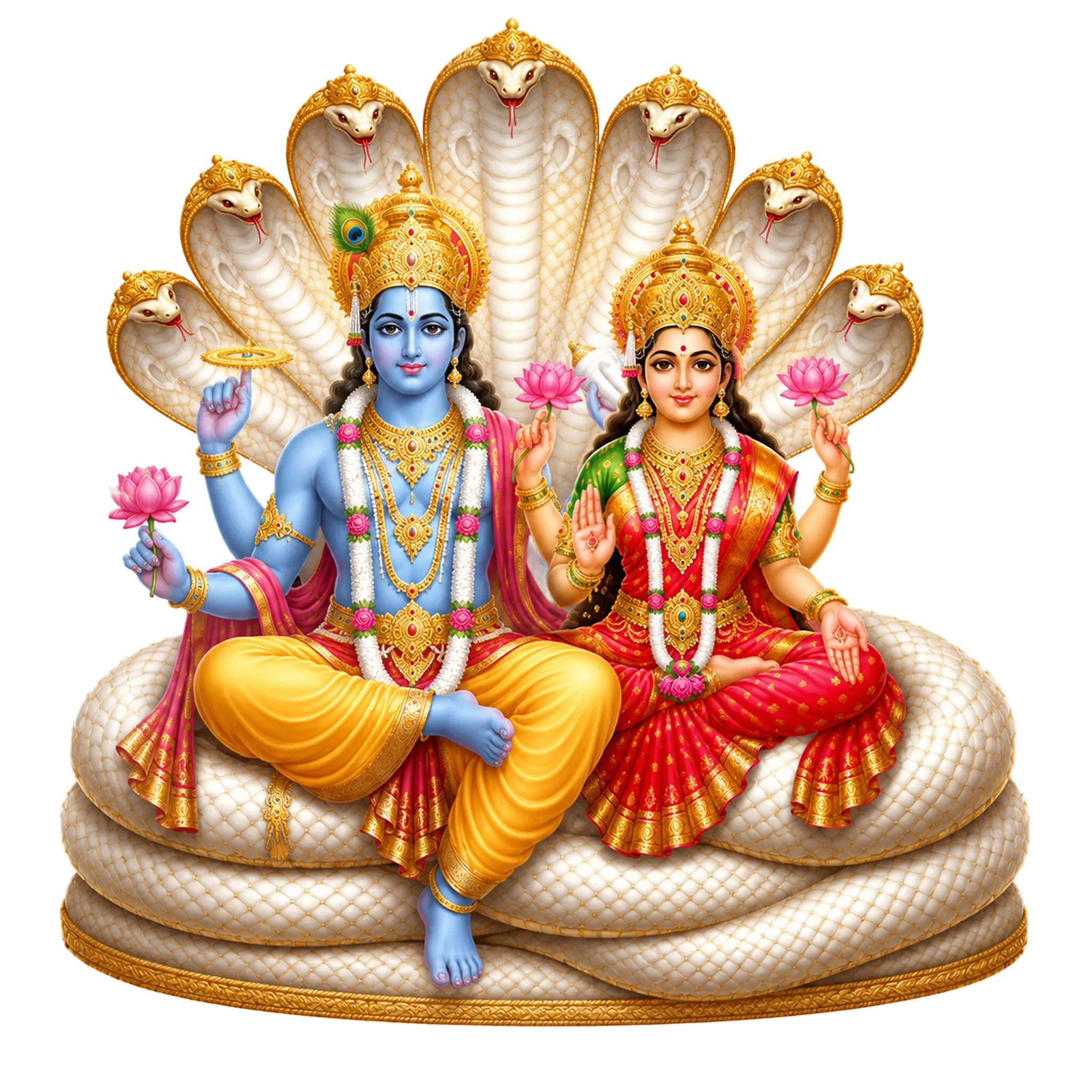
Who are the Hindu Gods and Goddesses?
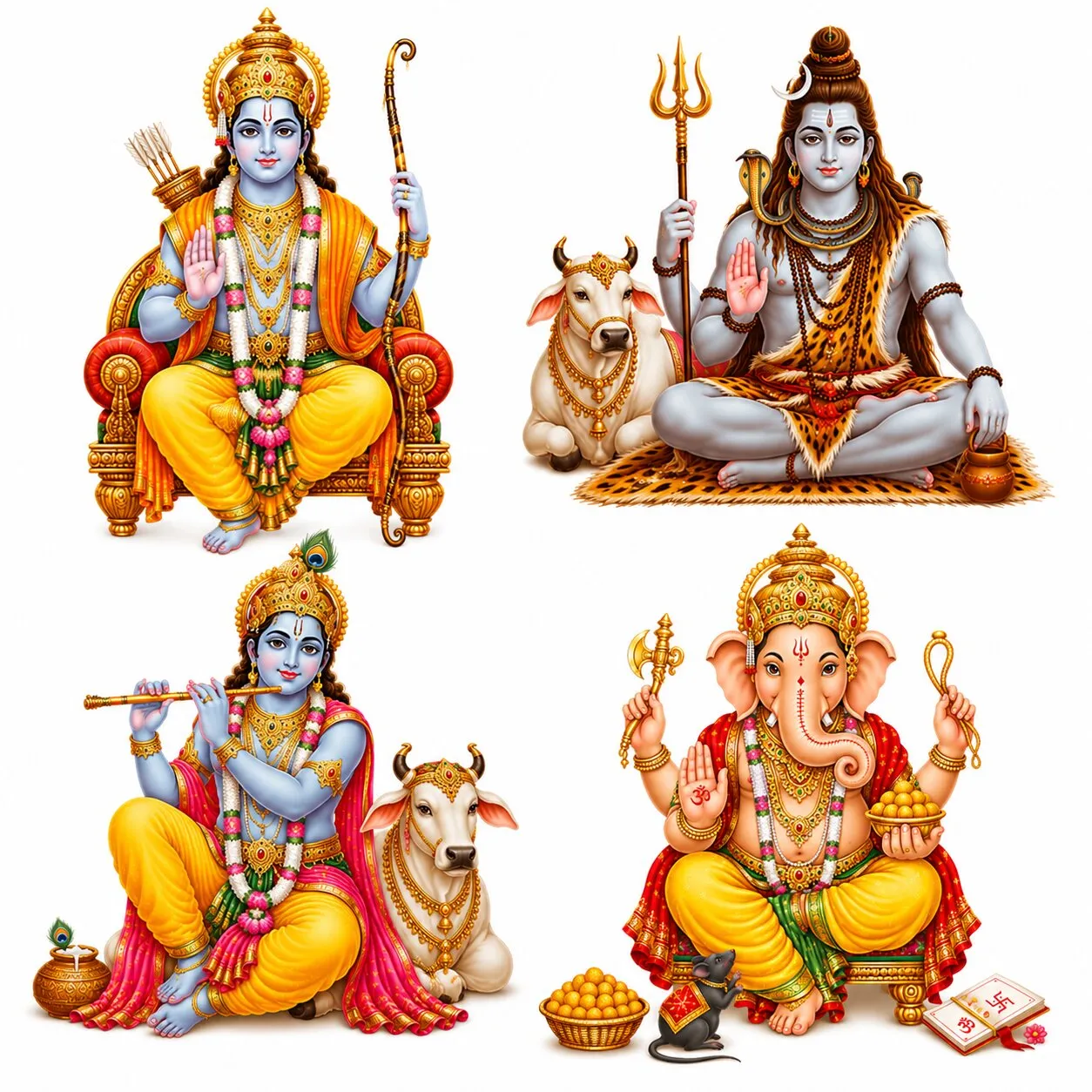
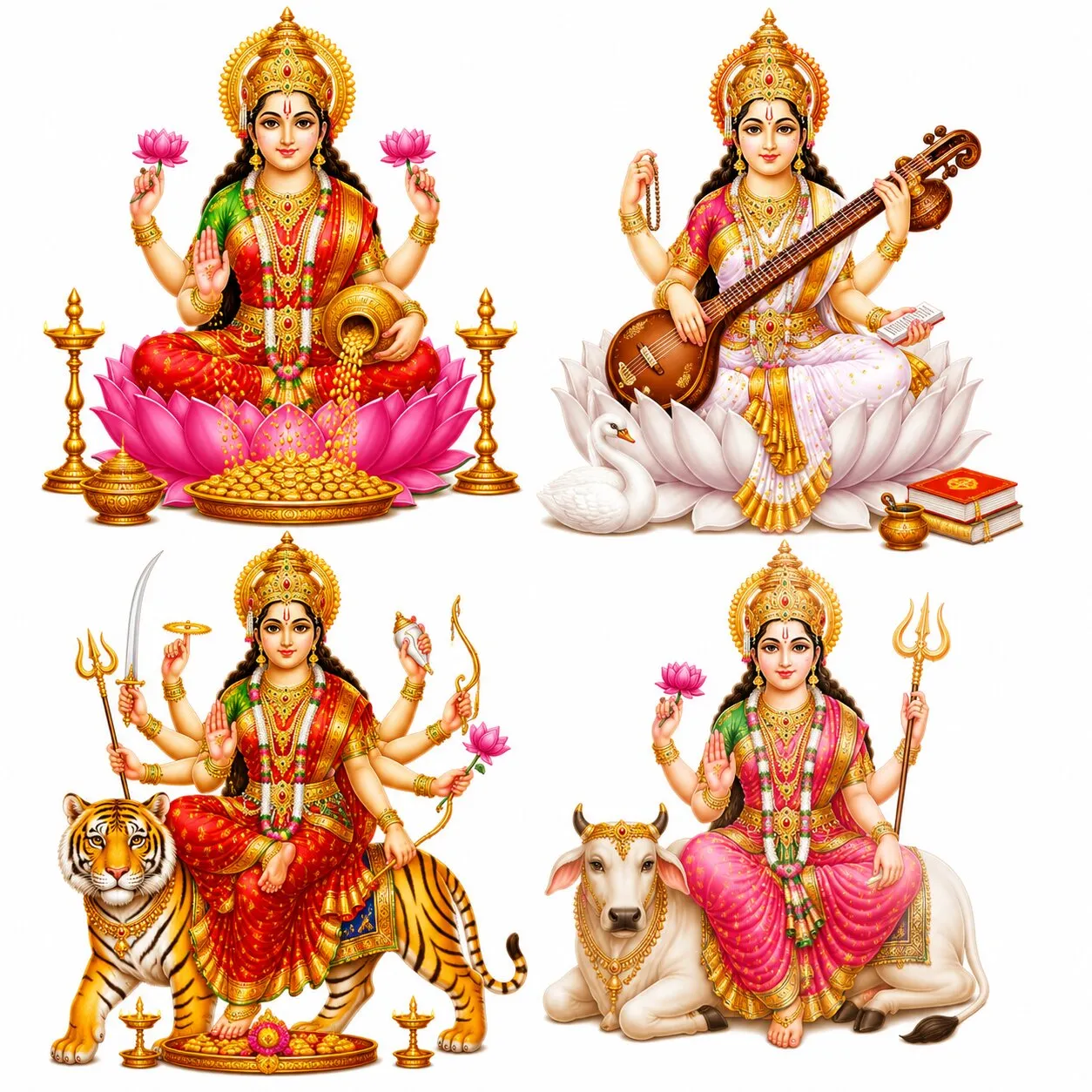
Hinduism is one of the world's oldest and richest spiritual traditions, in which numerous gods and goddesses are worshipped. According to Hindu belief, the Supreme Being is one, but He manifests in various forms, powers and incarnations. These divine forms are known as Hindu gods and goddesses. Each god and goddess represents a particular power, quality, element or life value. Many gods and goddesses such as Lord Shiva, Lord Vishnu, Lord Brahma, Goddess Durga, Goddess Lakshmi, Goddess Saraswati, Lord Ganesha, Lord Hanuman, Lord Rama and Lord Krishna are the main centers of faith for Hindu devotees.
Importance of Gods and Goddesses in Hinduism
In Hinduism, Gods and Goddesses are not just objects of worship, but they are symbols of ideals of life, spiritual values and virtues. By worshipping various gods and goddesses, devotees pray for knowledge, power, prosperity, health, peace and spiritual development. The importance of religion, duty, renunciation, devotion and compassion is explained in Hindu scriptures through the life stories of gods and goddesses.
Trimurti and Tridevi
In Hinduism, Lord Brahma, Lord Vishnu and Lord Shiva are known as Trimurti. They are the gods of creation, sustenance and destruction respectively. Similarly, Goddess Saraswati, Goddess Lakshmi and Goddess Parvati are considered as the Tridevi. They are divine forms of knowledge, prosperity and power. The Trimurti and Tridevi symbolize the balance of the universe and the cycle of life.
Main Hindu Gods
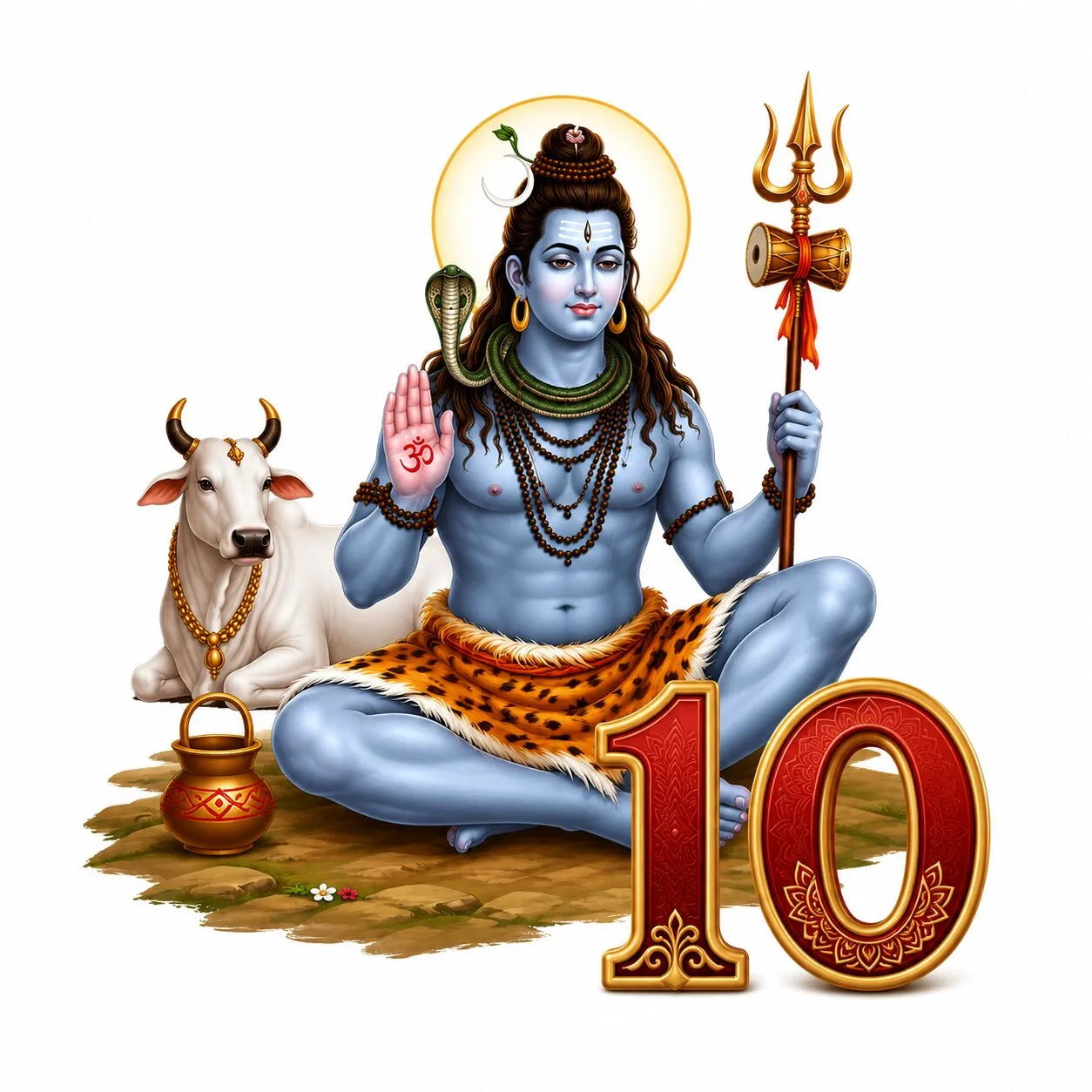
In Hinduism, Lord Vishnu is worshipped as the preserver, Lord Shiva as the god of destruction and transformation, and Lord Brahma as the god of creation. Lord Ganesha is the god of obstacle remover and intelligence, while Lord Hanuman is the symbol of power, devotion and devotion. Lord Shri Ram is the symbol of religion and ideal life, while Lord Shri Krishna is known as the preacher of love, knowledge and Karma Yoga.
Main Hindu Goddesses
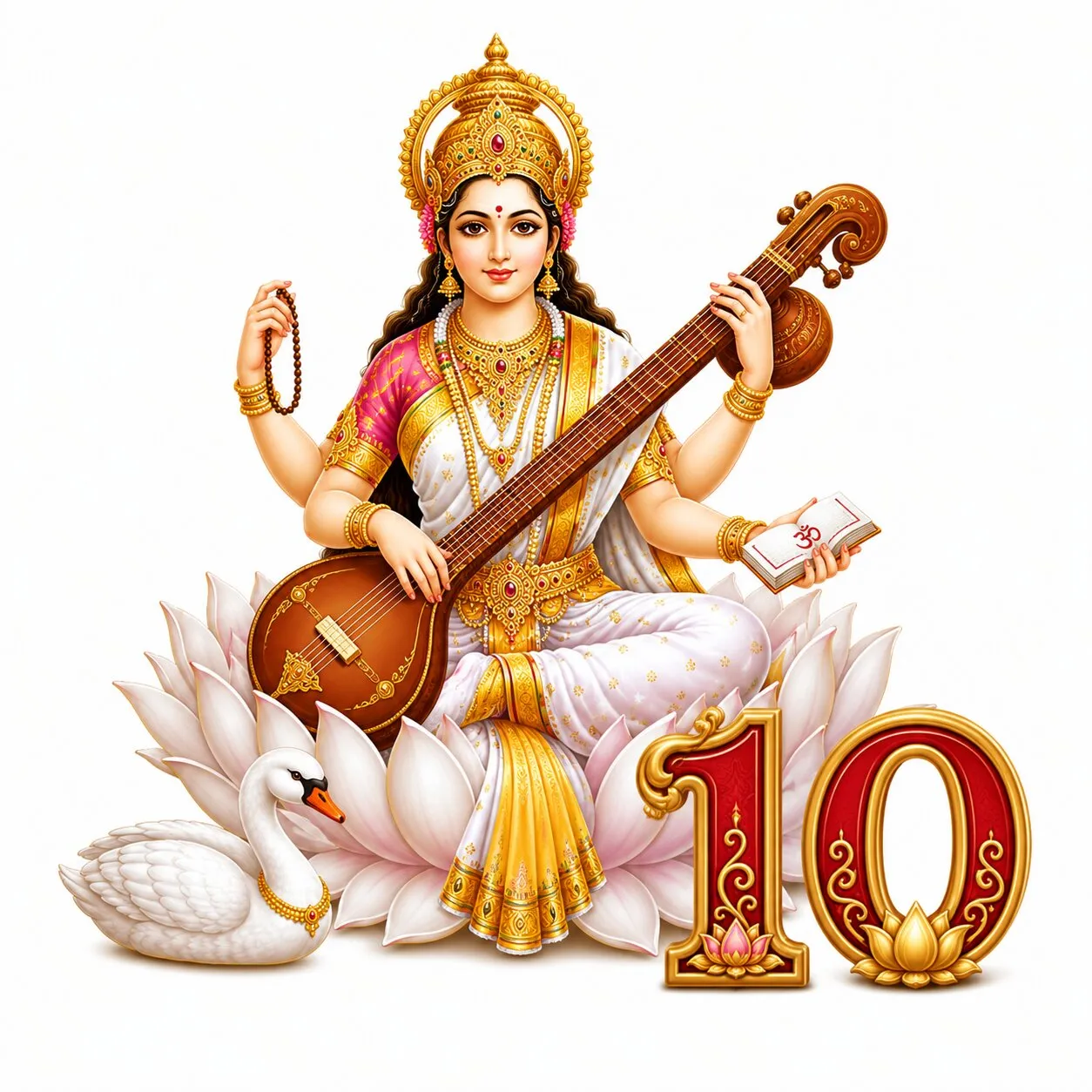
Mother Durga is the symbol of power and protection, Mother Lakshmi is the goddess of wealth and prosperity, while Mother Saraswati is the goddess of knowledge and learning. Mother Kali is the symbol of the destruction of evil forces and Mother Parvati is worshipped as the goddess of love, compassion and family happiness. Goddess Shakti has a special place in Hinduism and is worshipped during festivals like Navratri.
Avatar tradition
A special feature of Hinduism is that God establishes religion by taking incarnations from time to time. The ten incarnations and twenty-four incarnations of Lord Vishnu are the best examples of this. Avatars like Shri Ram and Shri Krishna show humanity the path of truth, duty and devotion. The avatar tradition is one of the most important spiritual principles of Hinduism.
Worship of Hindu Gods and Goddesses
In Hinduism, gods and goddesses are worshipped in various ways, such as puja, japa, meditation, bhajan, yajna, vrat and pilgrimage. Devotees worship their deity or deity with devotion. According to Hindu belief, the grace of the deities can be obtained through sincere devotion and a virtuous life.
Spiritual significance of Hindu Gods and Goddesses
Hindu gods and goddesses represent various aspects of human life. They guide devotees on the path of religion, truth, knowledge, love, power, compassion and spiritual development. The stories and teachings of various gods and goddesses inspire us to face the challenges of life and guide us to move towards higher values of life.
Conclusion
Hindu gods and goddesses are an integral part of the rich spiritual, cultural and religious tradition of Hinduism. They represent various powers and forms of the divine. Through the worship of gods and goddesses, devotees not only attain material happiness but also spiritual peace, self-strength and a positive direction in life. The tradition of gods and goddesses in Hinduism is a divine legacy leading mankind towards righteousness, devotion and self-realization.