






Who is the Hindu God?
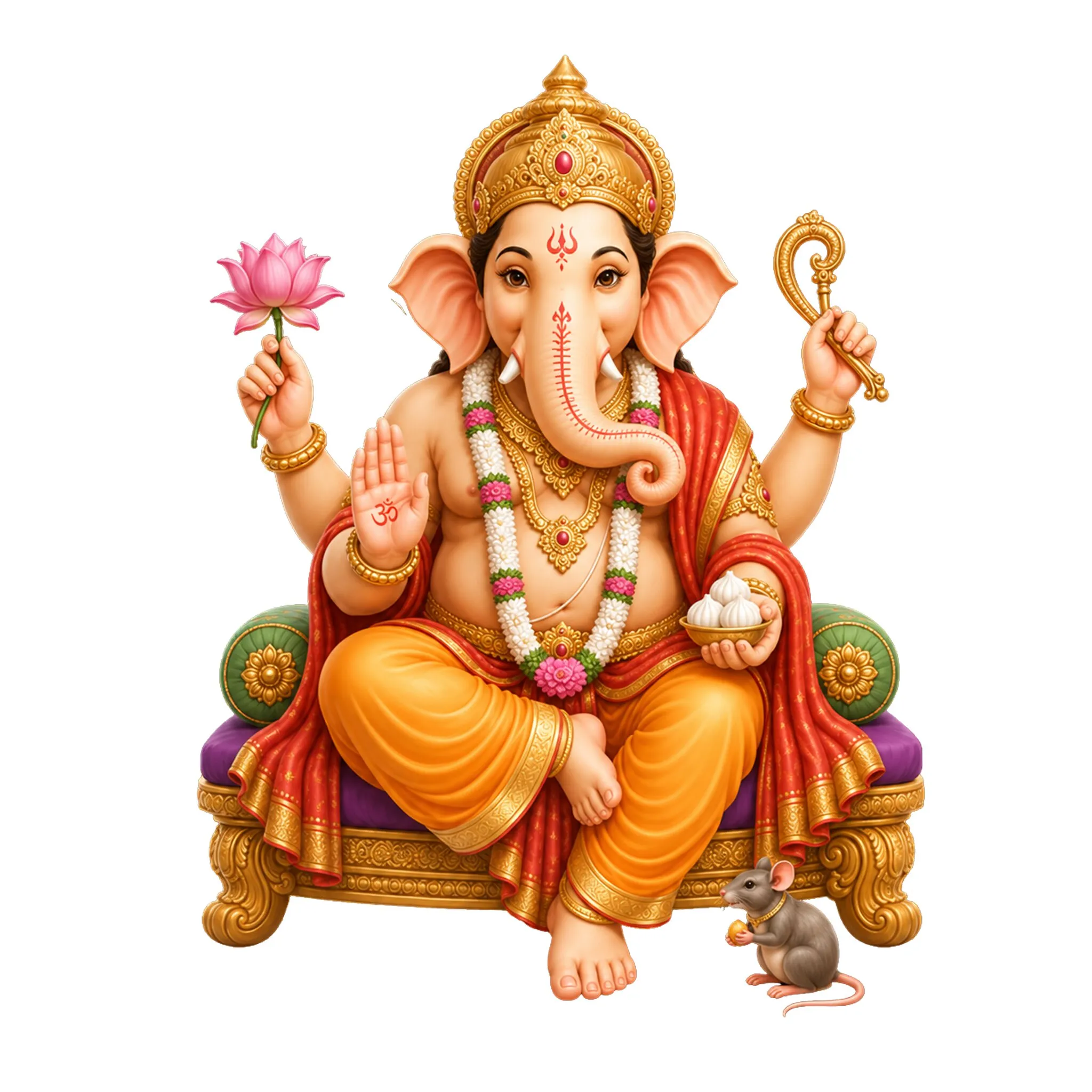
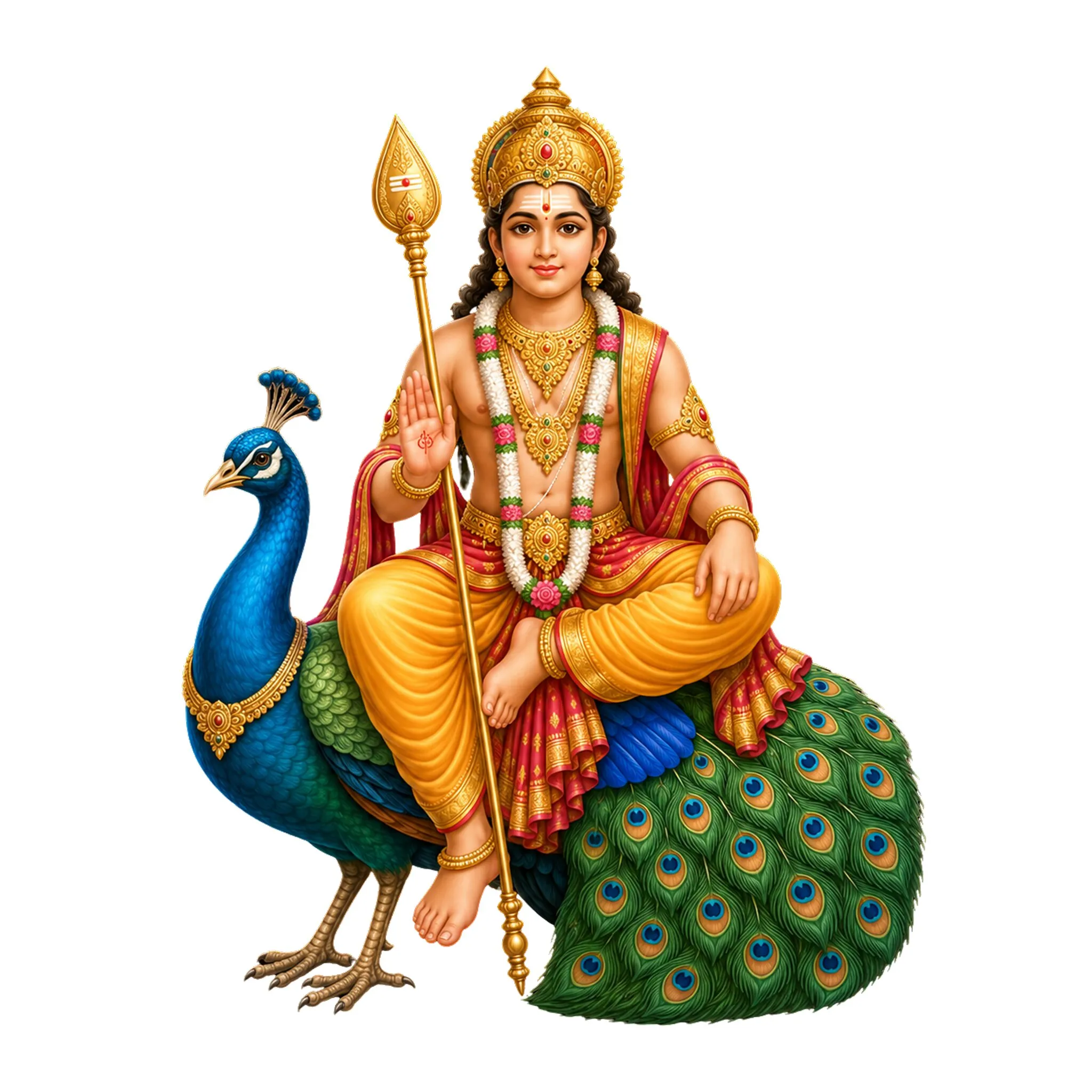
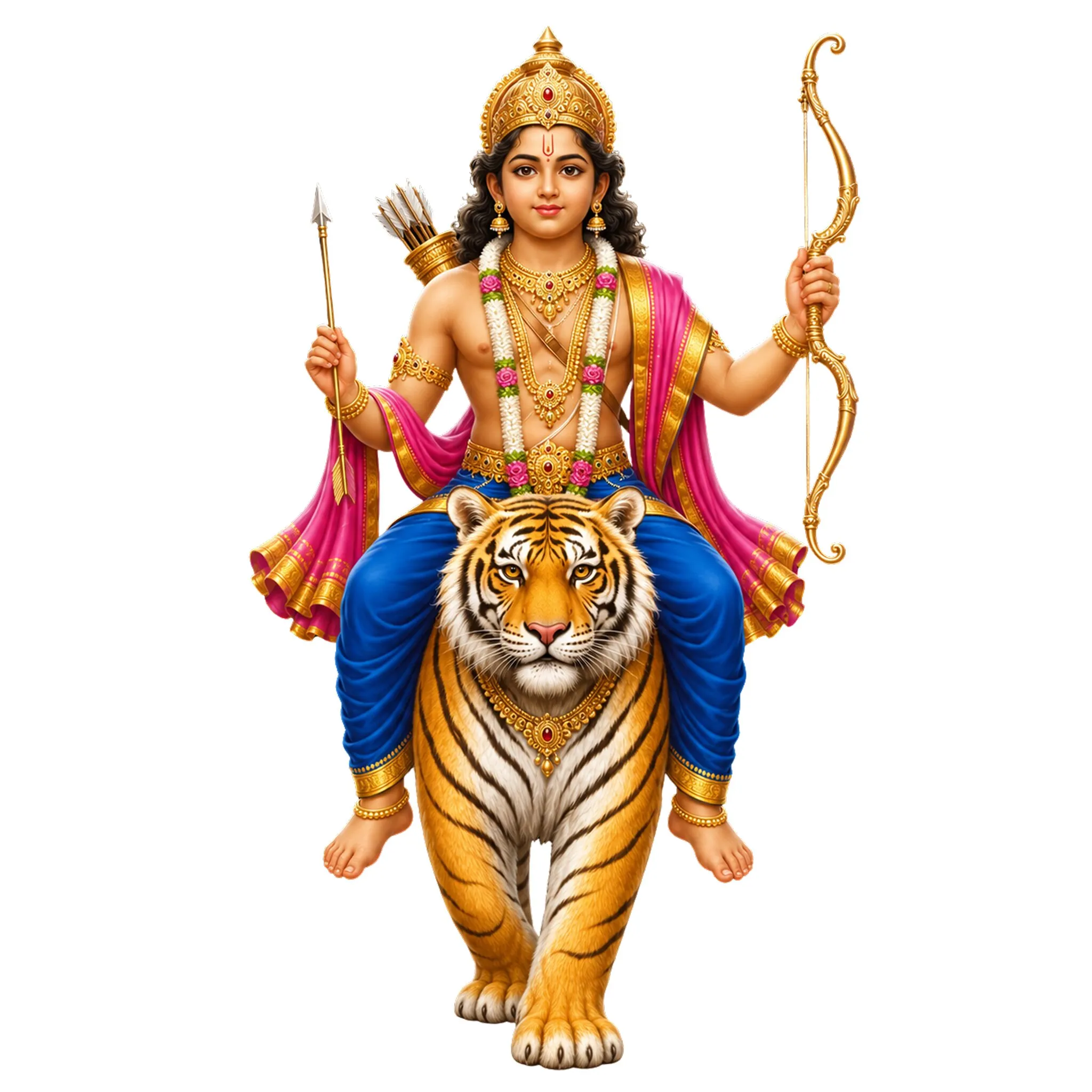
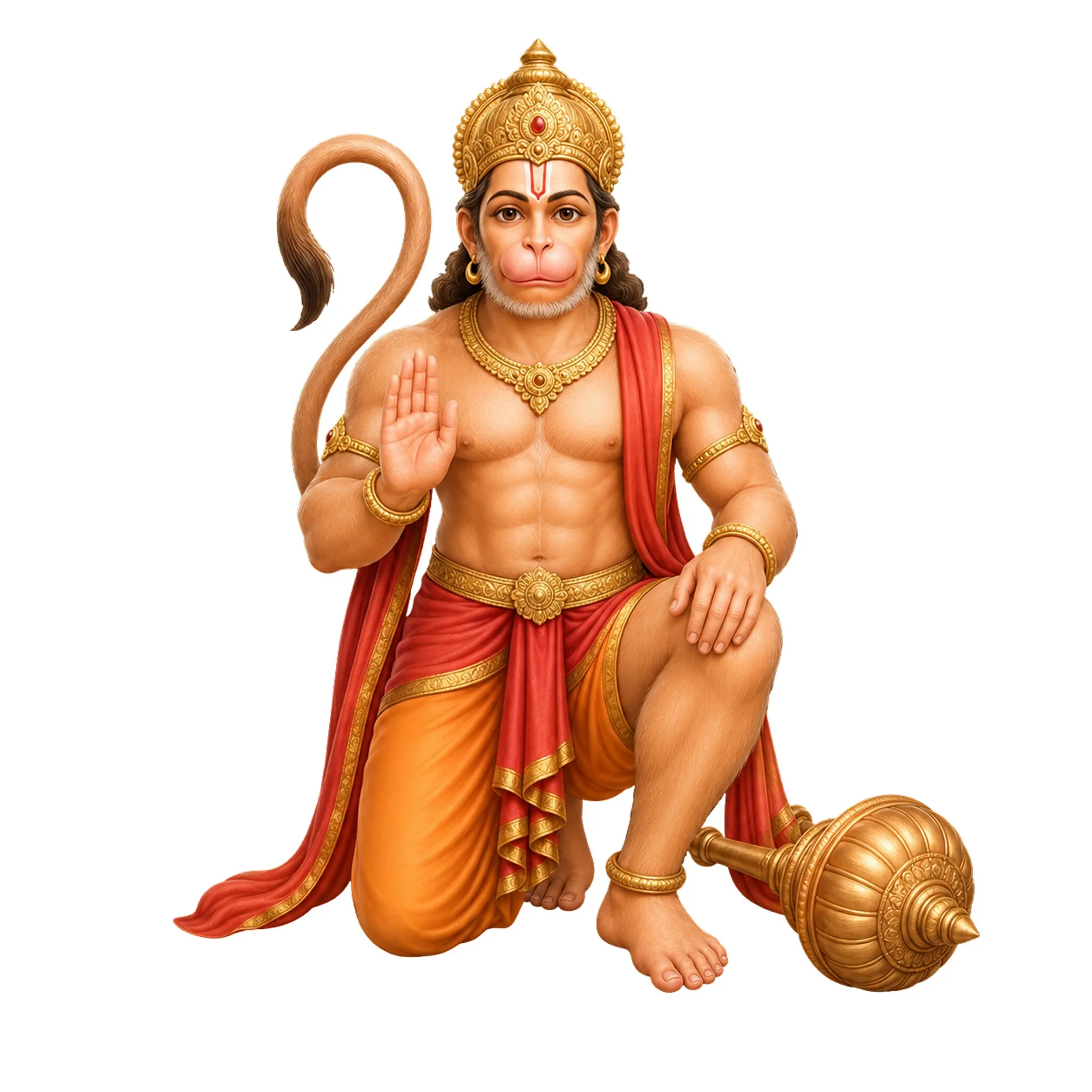
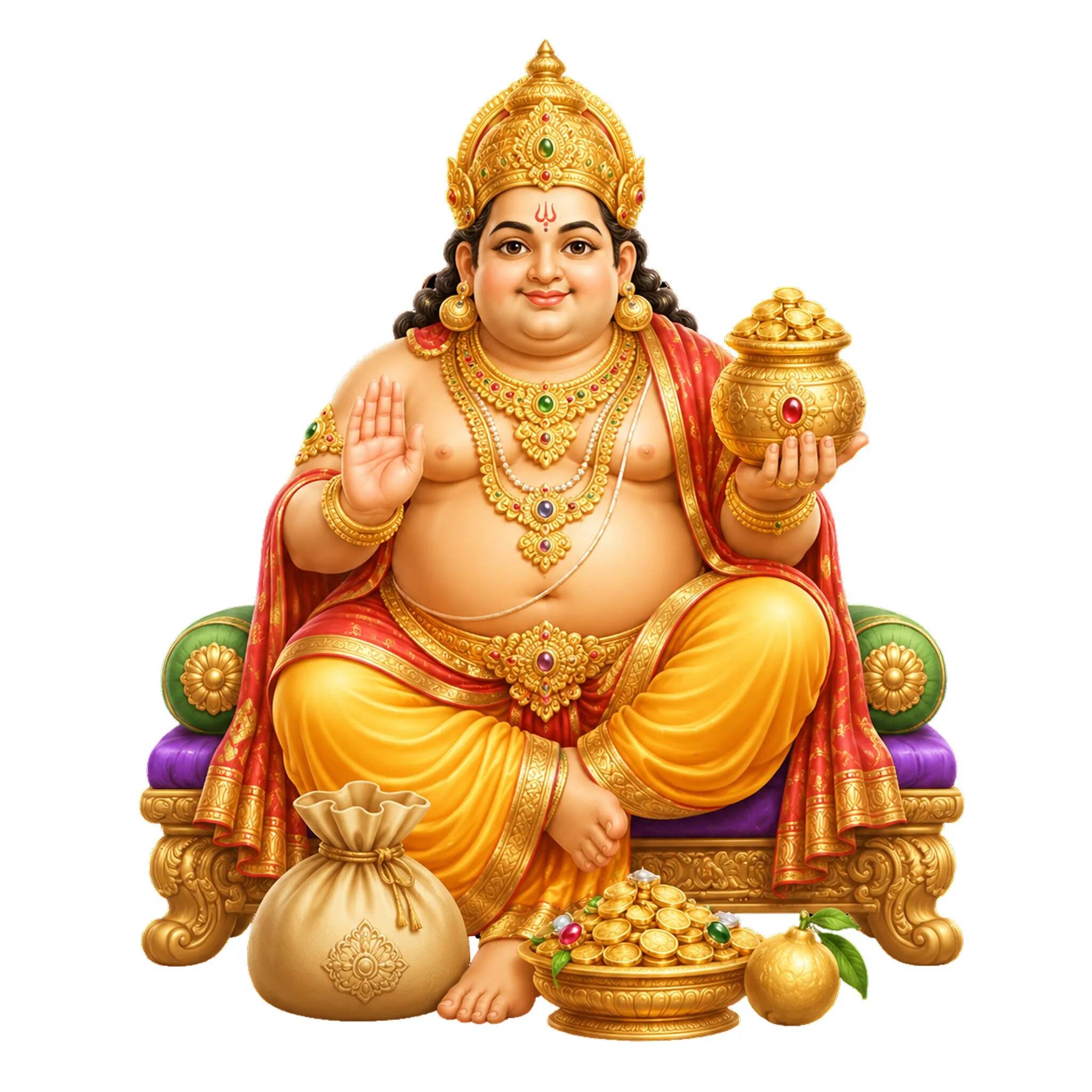
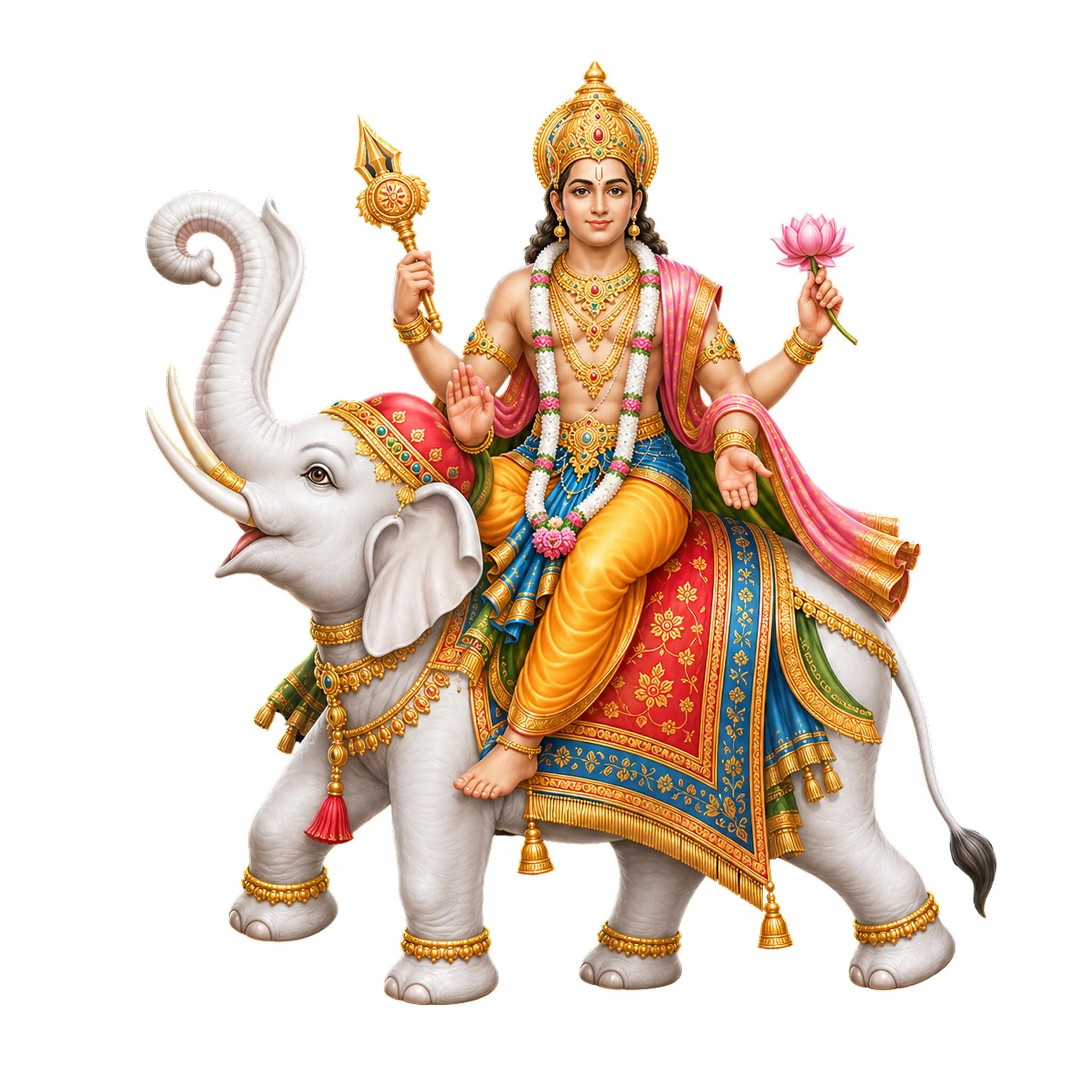
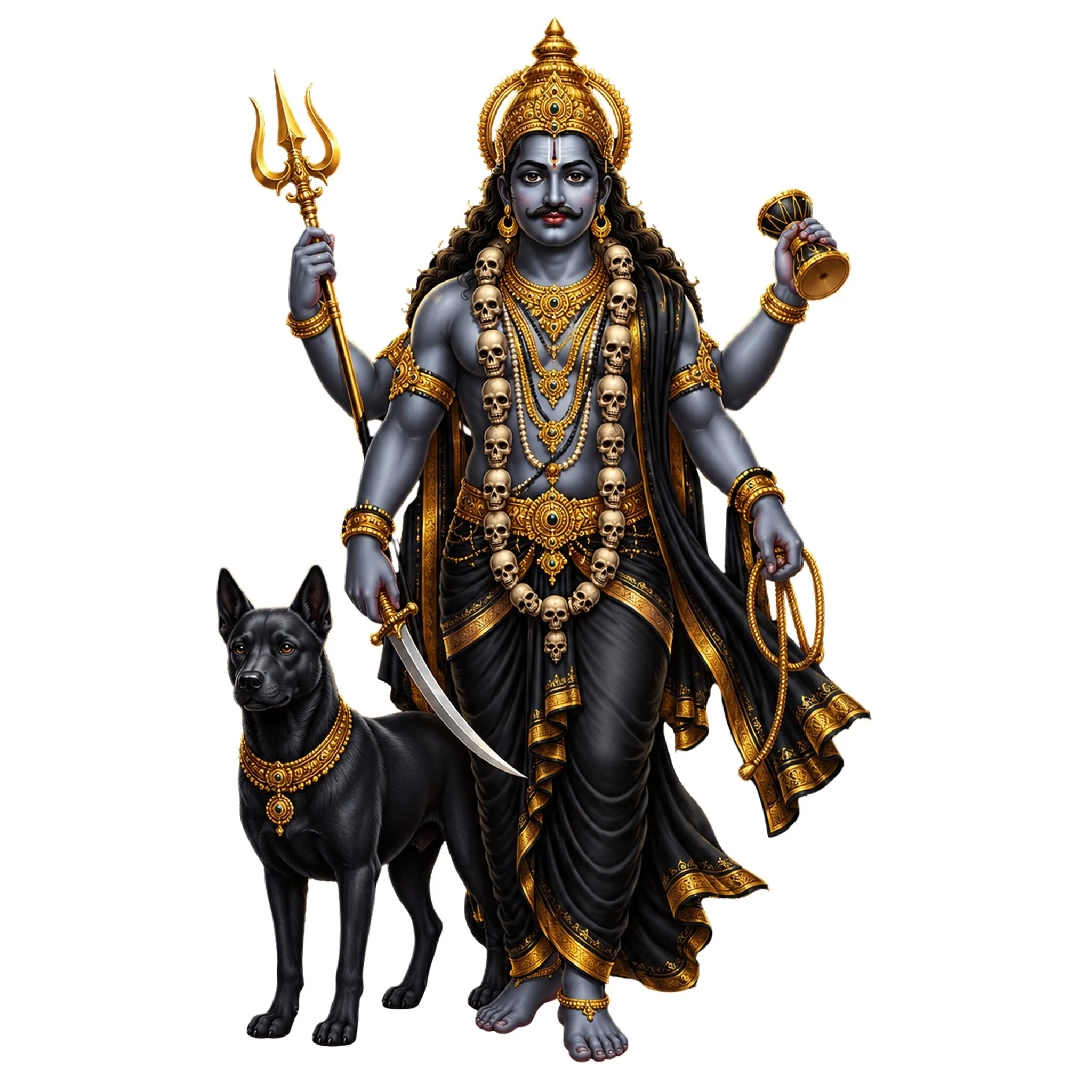
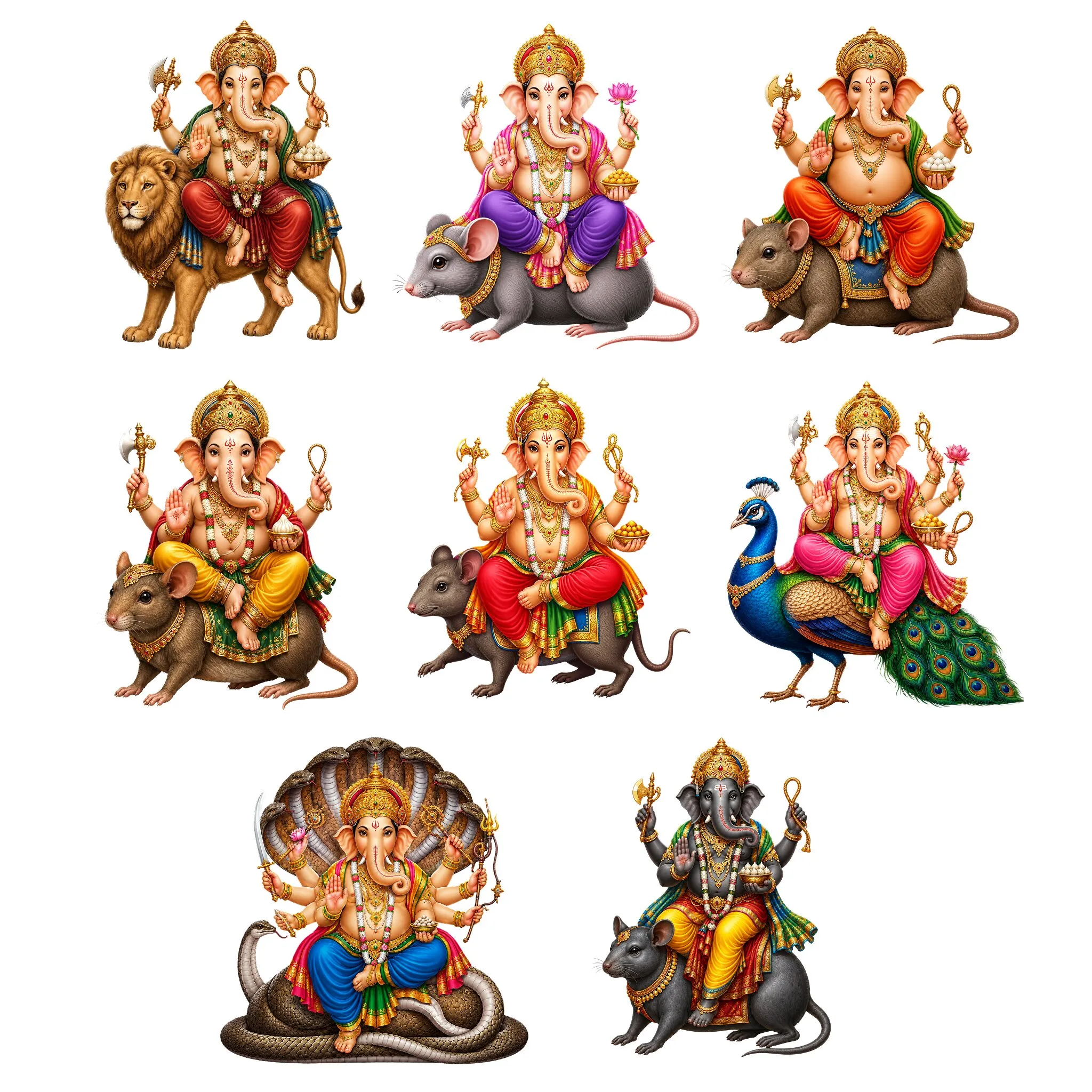
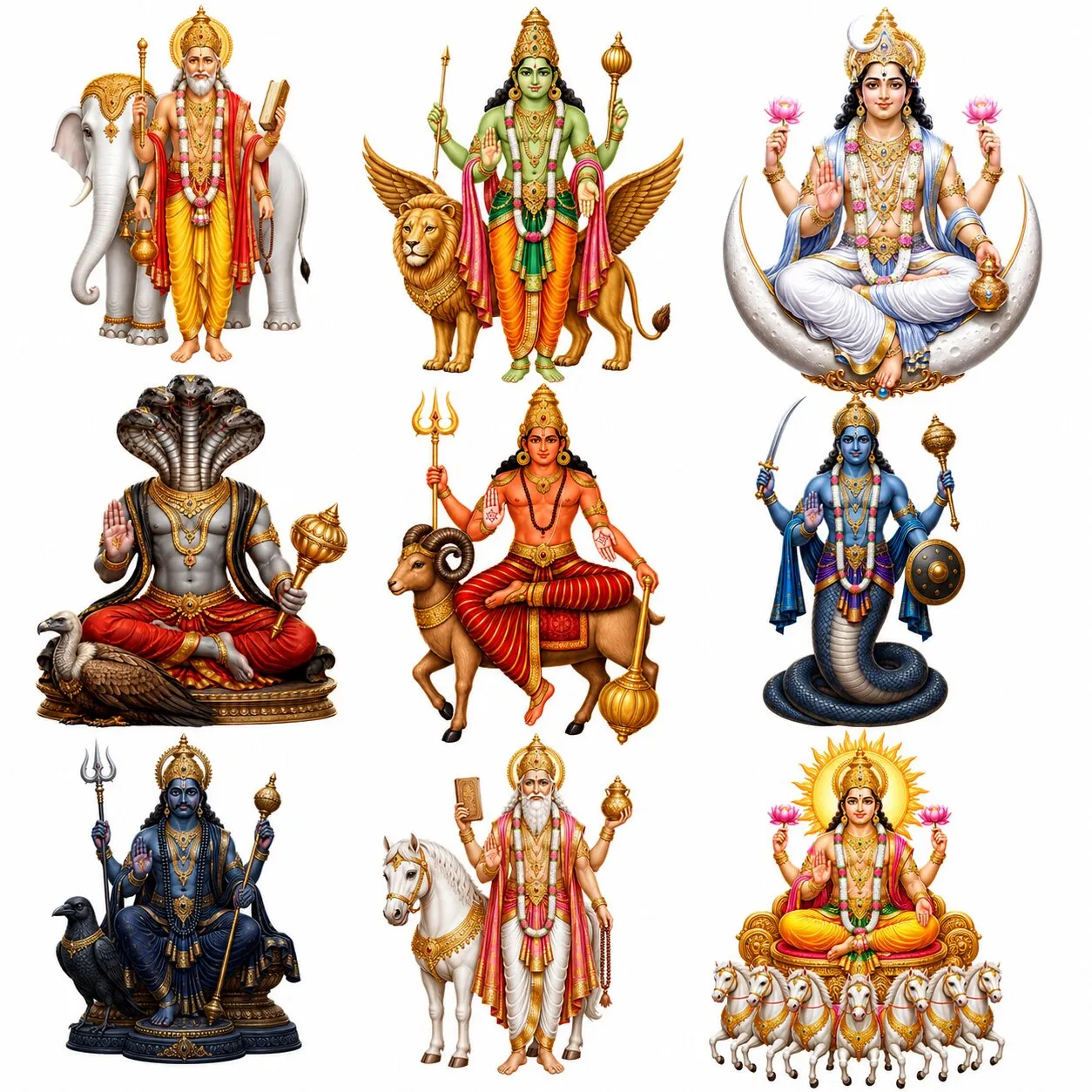
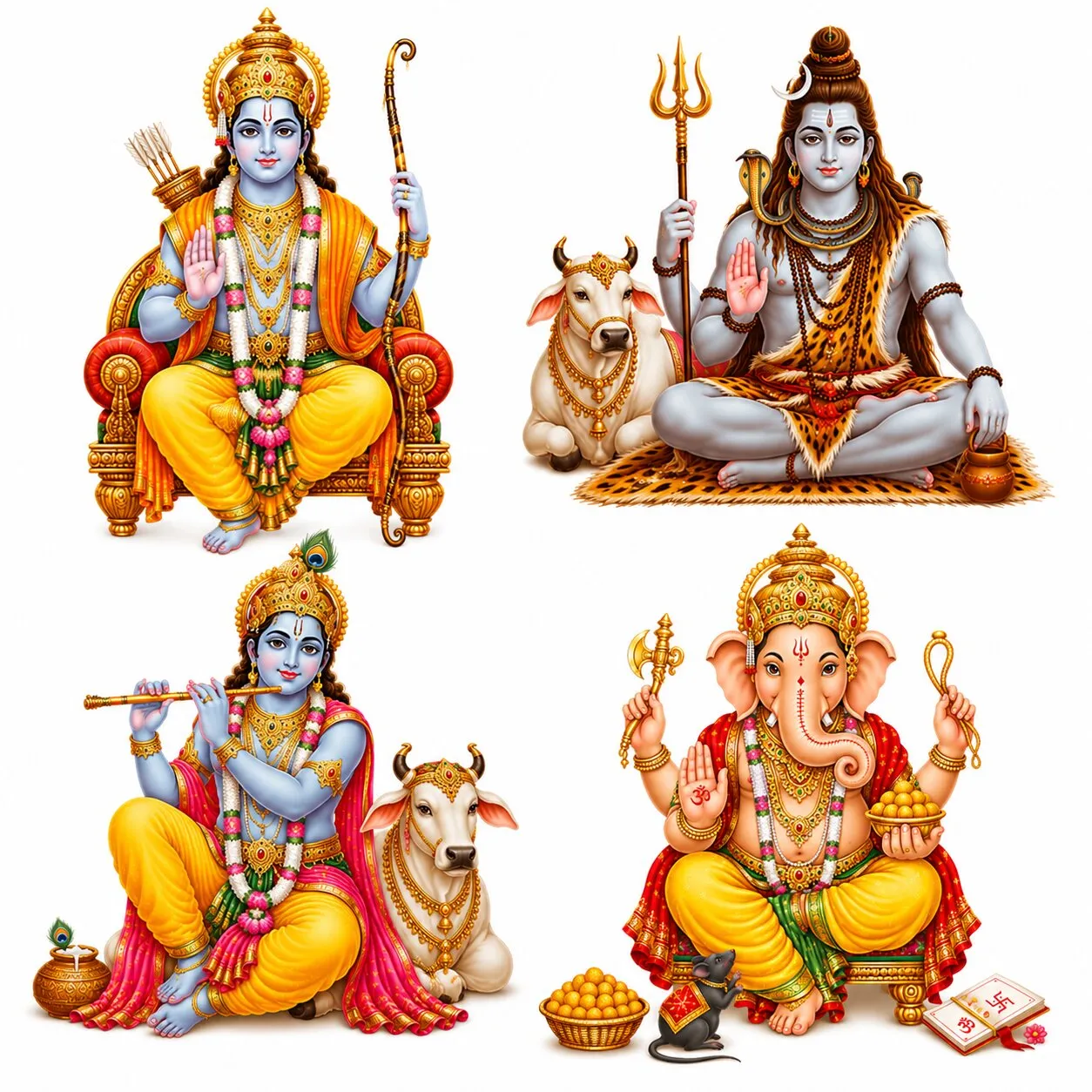
In Hinduism, the word "God" means omnipotent, omnipresent, and the ultimate controller of the universe. According to Hindu belief, God is one, but He manifests Himself to His devotees in various forms and incarnations. God is also known as Brahma, Ishwar, Paramatma, or Purushottam. Many forms of God are described in Hinduism, such as Lord Vishnu, Lord Shiva, Lord Krishna, Lord Rama, Lord Ganesha, and other deities. All these forms are considered to be different manifestations of the same Supreme Truth.
The Concept of God in Hinduism
According to Hinduism, God is eternal, infinite, and indestructible. He is the original source of creation, sustenance, and destruction of the entire universe. In the Upanishads and Vedas, God is described in both formless and formless forms. Some devotees worship God in the form of an idol, while others consider Him as a formless consciousness. Hinduism is unique in that it accepts various forms of worship.
Trimurti and the form of God
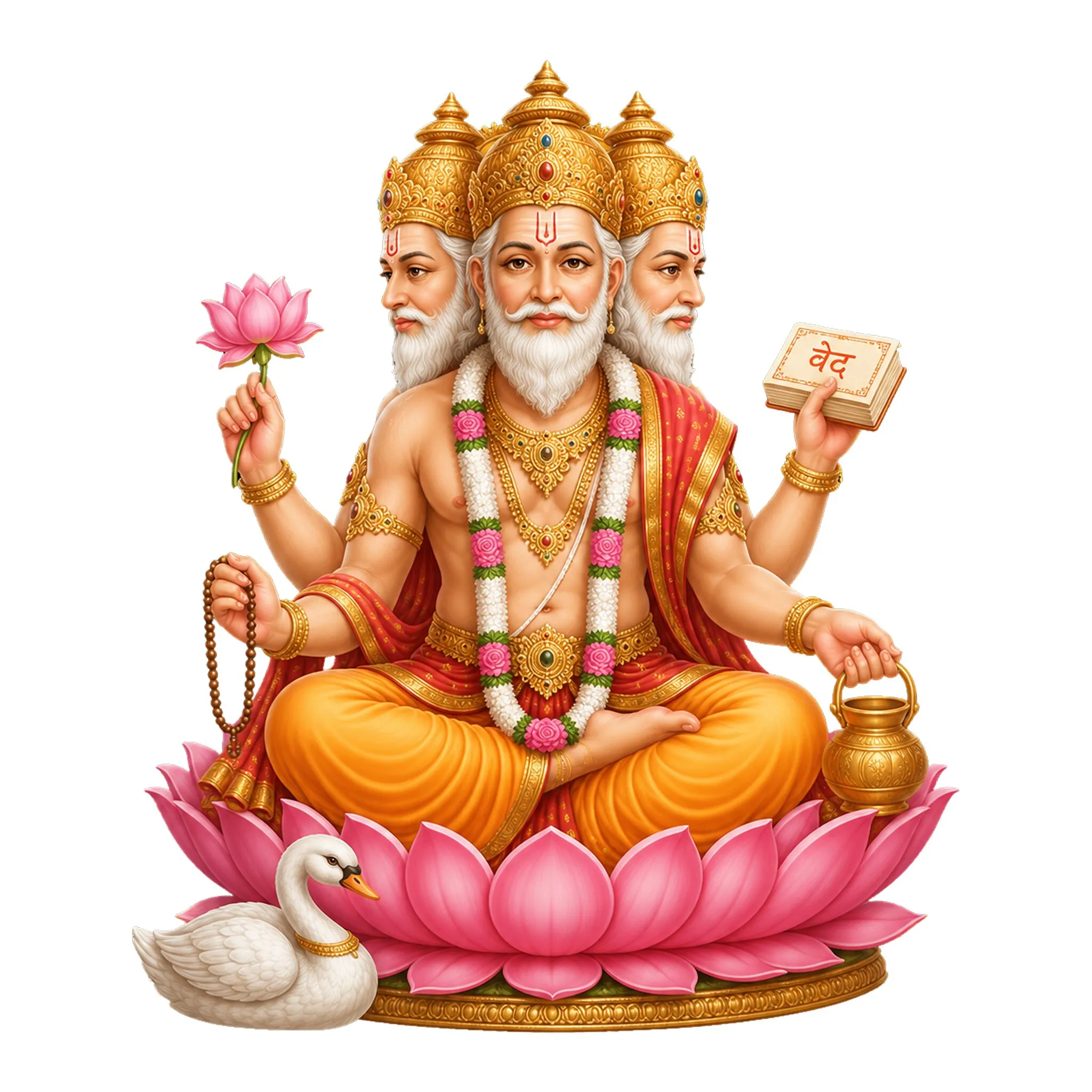
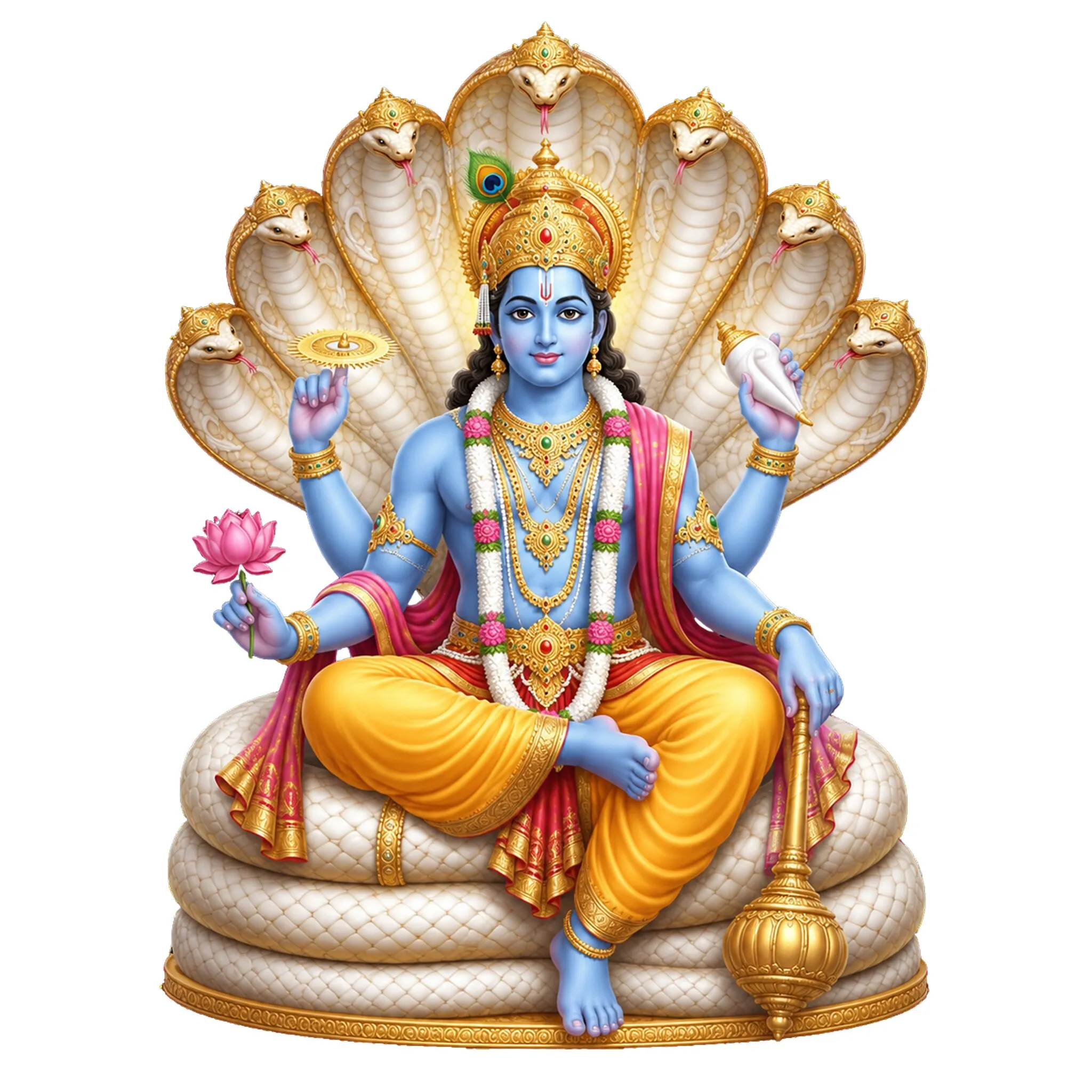
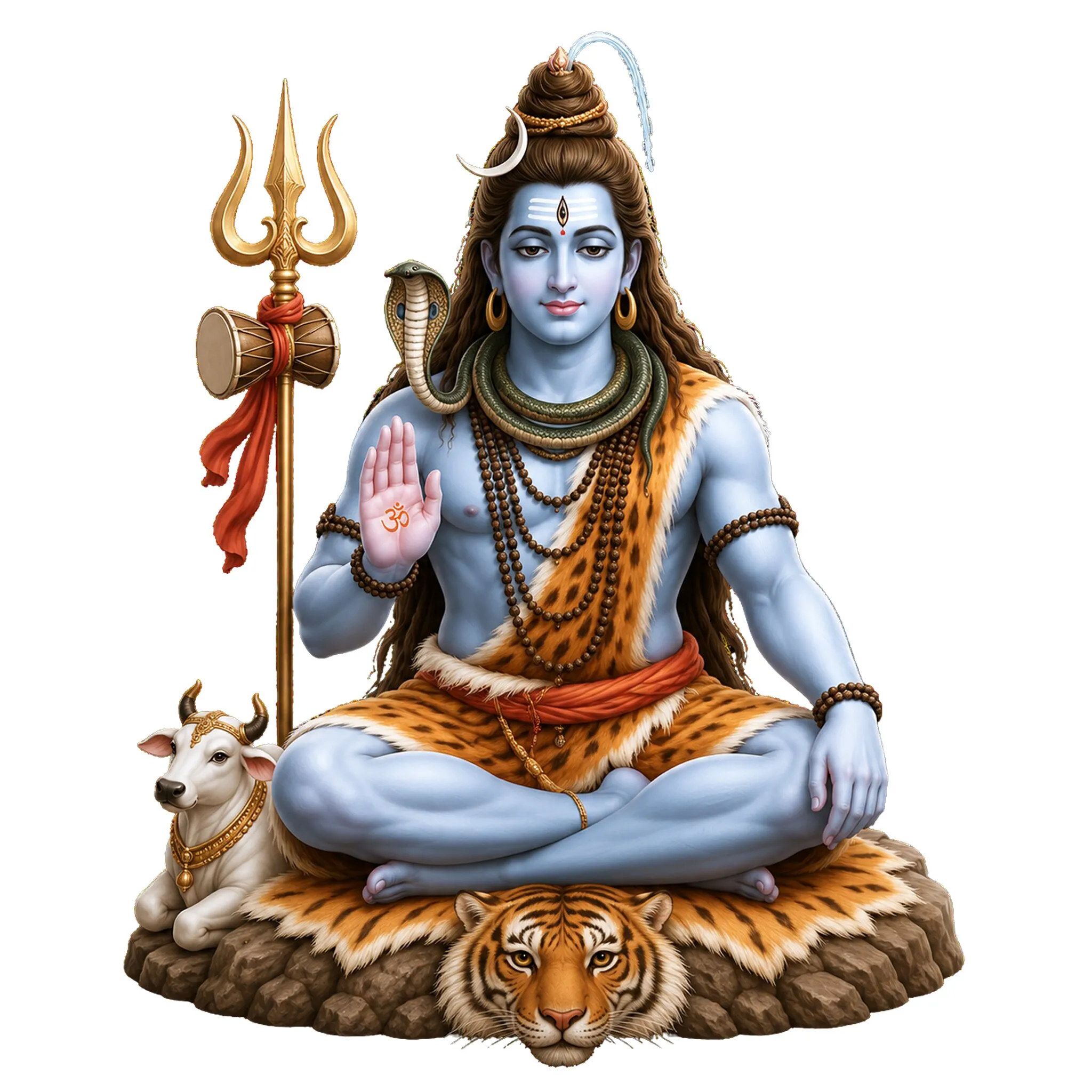
In Hinduism, Brahma, Vishnu and Mahesh (Shiva) are known as the Trimurti. Lord Brahma is the creator of the universe, Lord Vishnu is the preserver, and Lord Shiva is the god of destruction and transformation. These three forms represent the balance and cycle of life in the universe. The Trimurti describes the various powers and functions of God.
Lord Vishnu and His Avatars
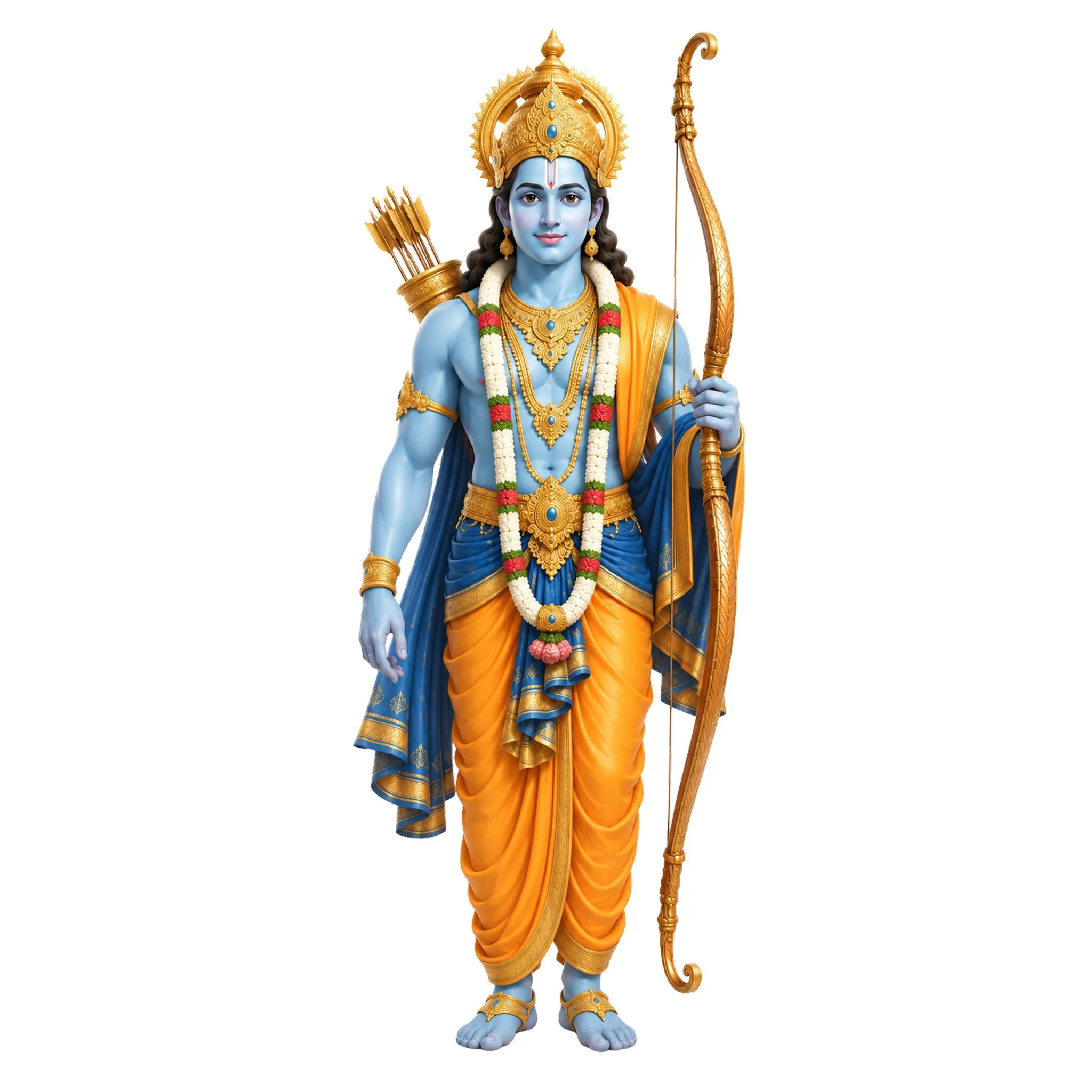
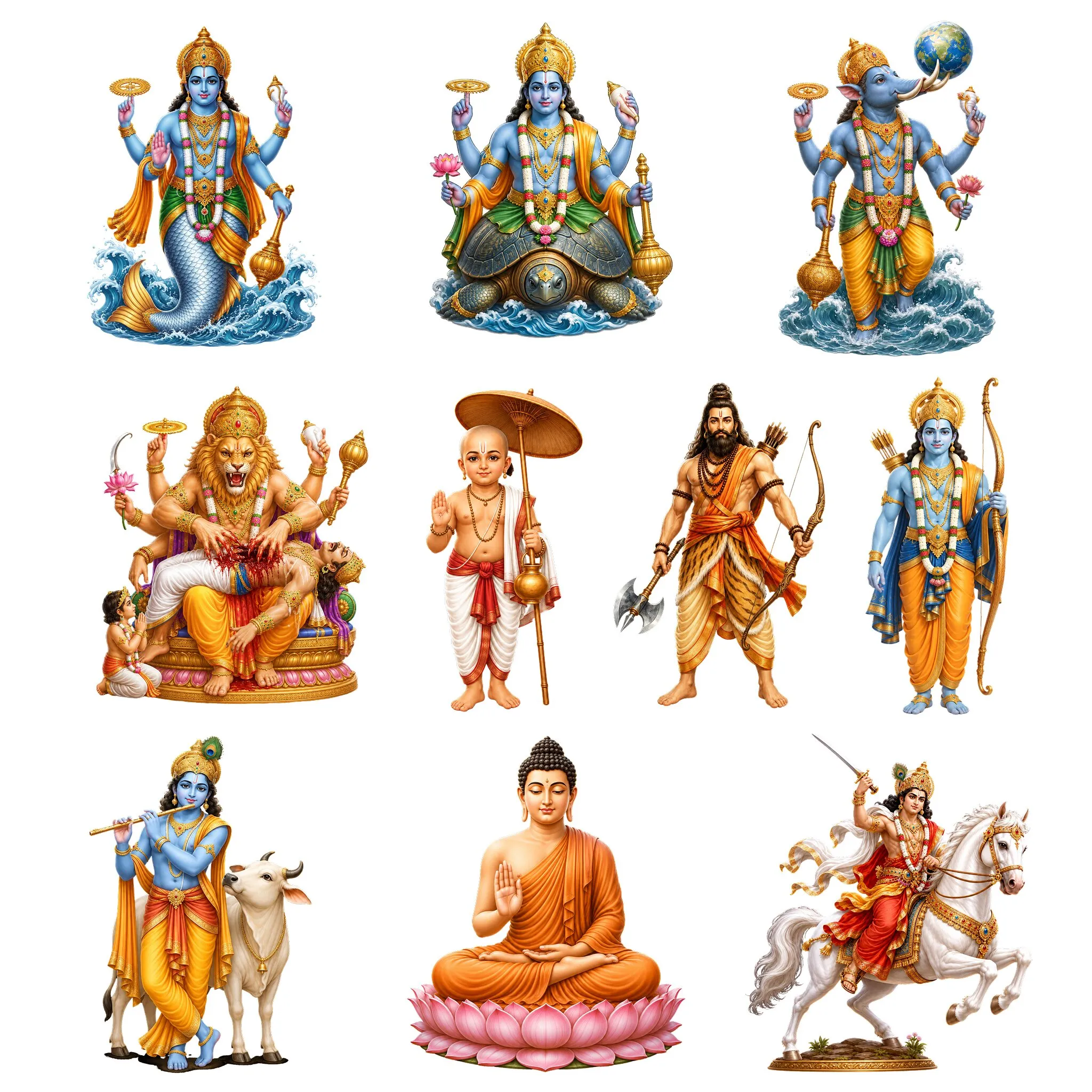
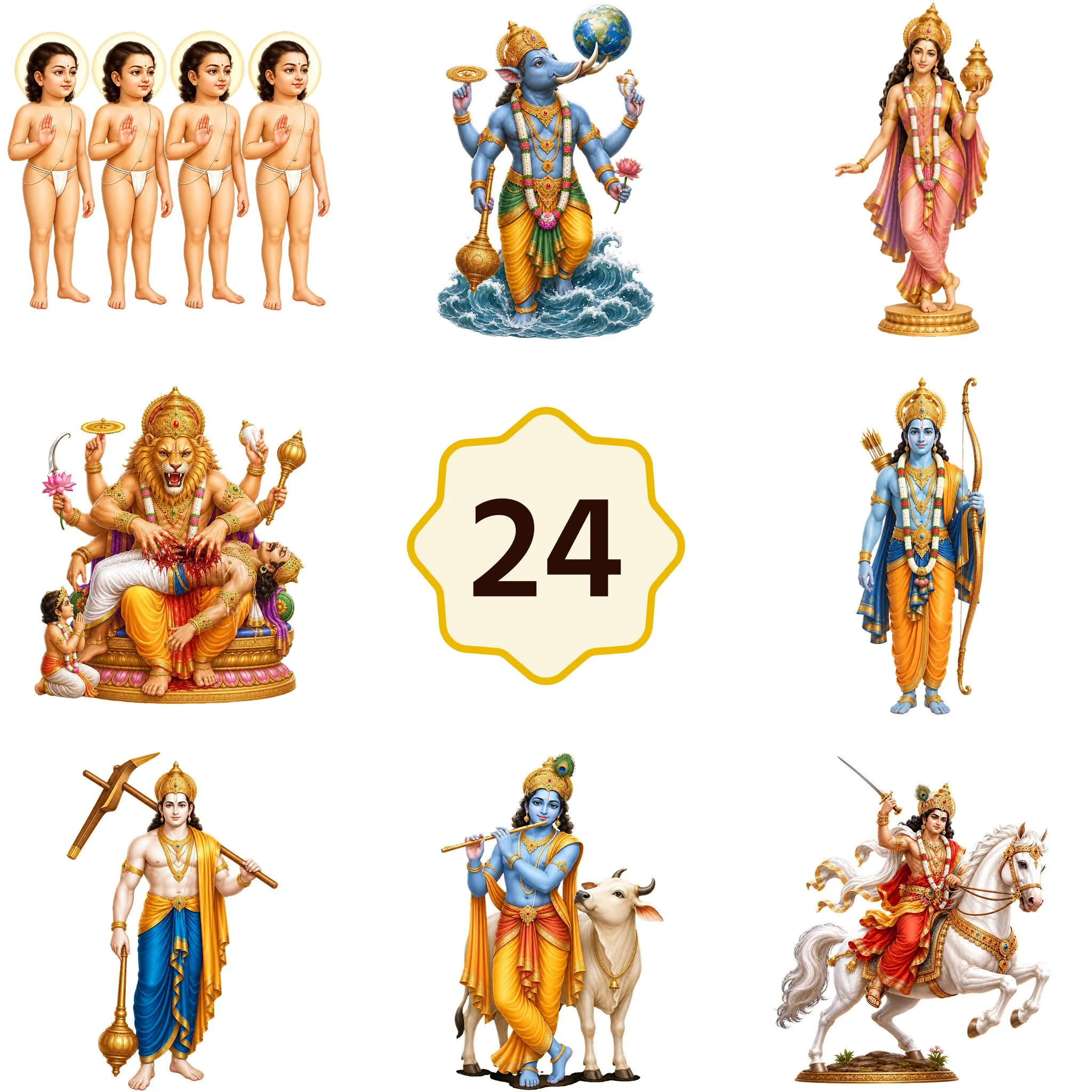
Lord Vishnu is worshipped as the protector in Hinduism. Whenever religion is in danger, he takes an avatar and establishes religion. The ten avatars of Lord Vishnu are very famous, including avatars like Shri Ram, Shri Krishna, Narasimha, Vamana and Buddha. His avatars teach the devotees about religion, duty and morality.
Importance of Lord Shiva
Lord Shiva is known as Mahadev, Bholenath and Sanharaka. He is the symbol of penance, yoga, detachment and spiritual awakening. The form of Shiva shows that even destruction is necessary for new creation. Crores of devotees worship Lord Shiva during holy festivals like Mahashivratri.
Lord Shri Ram and Lord Krishna
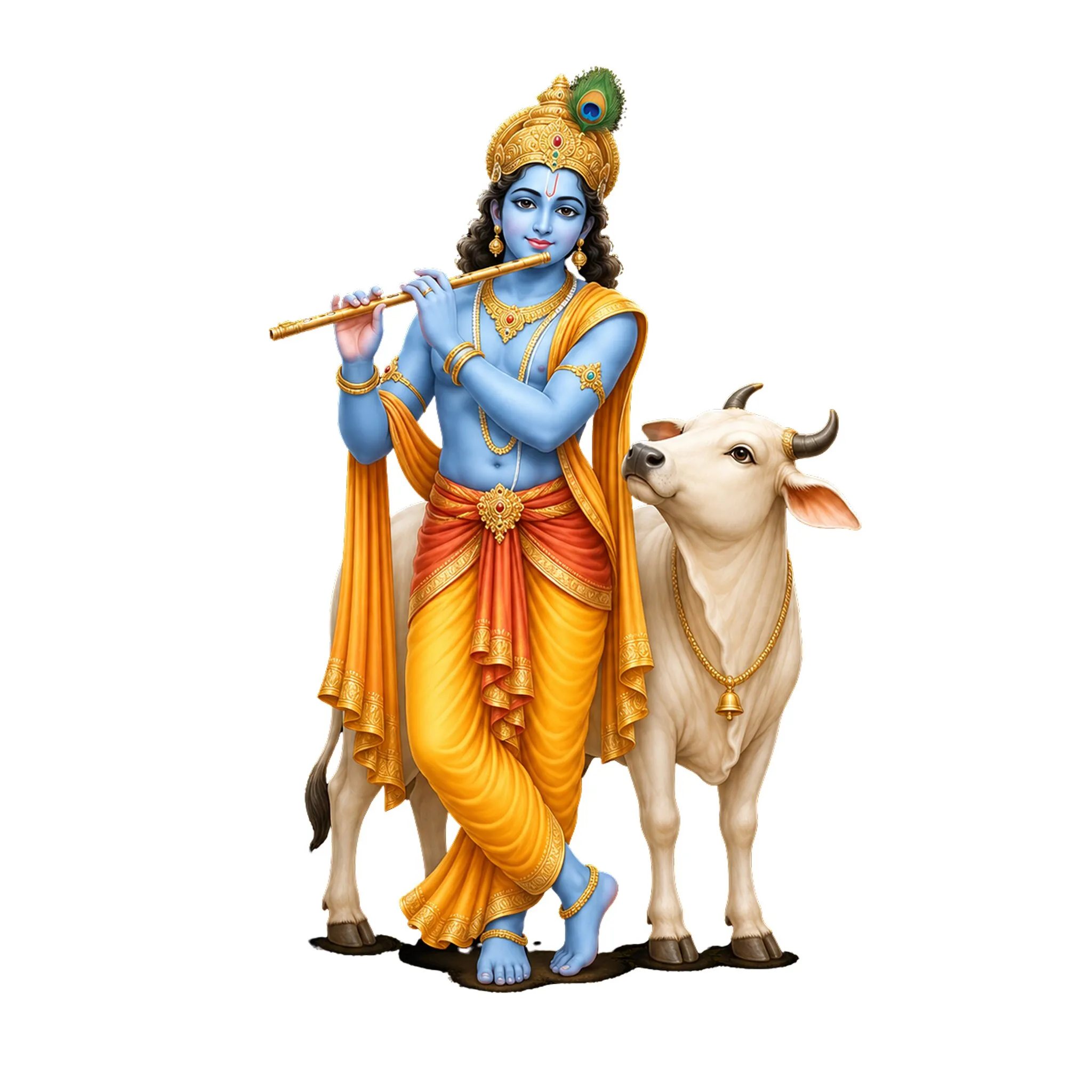
Lord Shri Ram and Lord Krishna are among the most popular and revered avatars of Hinduism. Shri Ram is the ideal man, the embodiment of truth and religion, while Shri Krishna is the preacher of knowledge, love, compassion and Karma Yoga. Their lives and teachings are described in detail in epics such as the Ramayana and the Mahabharata.
Worship of Hindu Gods
In Hinduism, God is worshipped in various ways, such as puja, chanting, meditation, bhajan, yajna, fast and pilgrimage. Each devotee worships his or her own Ishtadeva or Ishtadeva. According to Hindu belief, God's grace can be attained through true devotion, faith and good deeds. The main purpose of worship is self-purification, spiritual development and strengthening the relationship with God.
Spiritual Importance of Hindu Gods
In Hinduism, God is not only an object of worship, but also a guide to life. The various forms of God inspire the devotees with truth, love, compassion, patience, renunciation and spiritual development. Their life stories and teachings help make human life better and more meaningful.
Conclusion
In Hinduism, God is considered the ultimate truth, the supreme consciousness and the controller of the entire universe. He guides the devotees through various forms, incarnations and powers. Devotion, faith and dedication to God are the mainstays of the Hindu philosophy of life. The tradition of Hindu Gods is not only a religious belief but also an invaluable source of spiritual knowledge, moral values and human welfare.