







About Hindu Cosmology
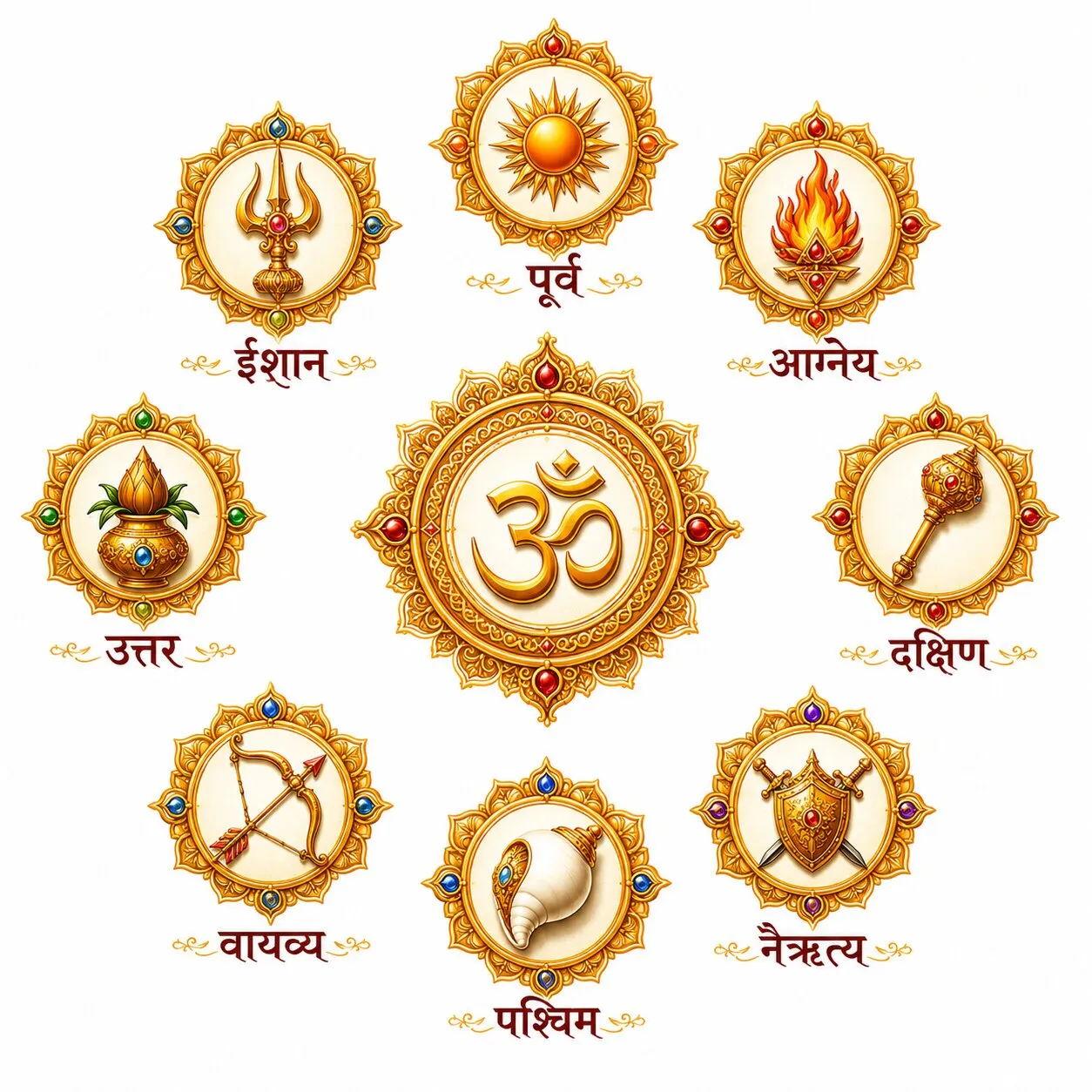
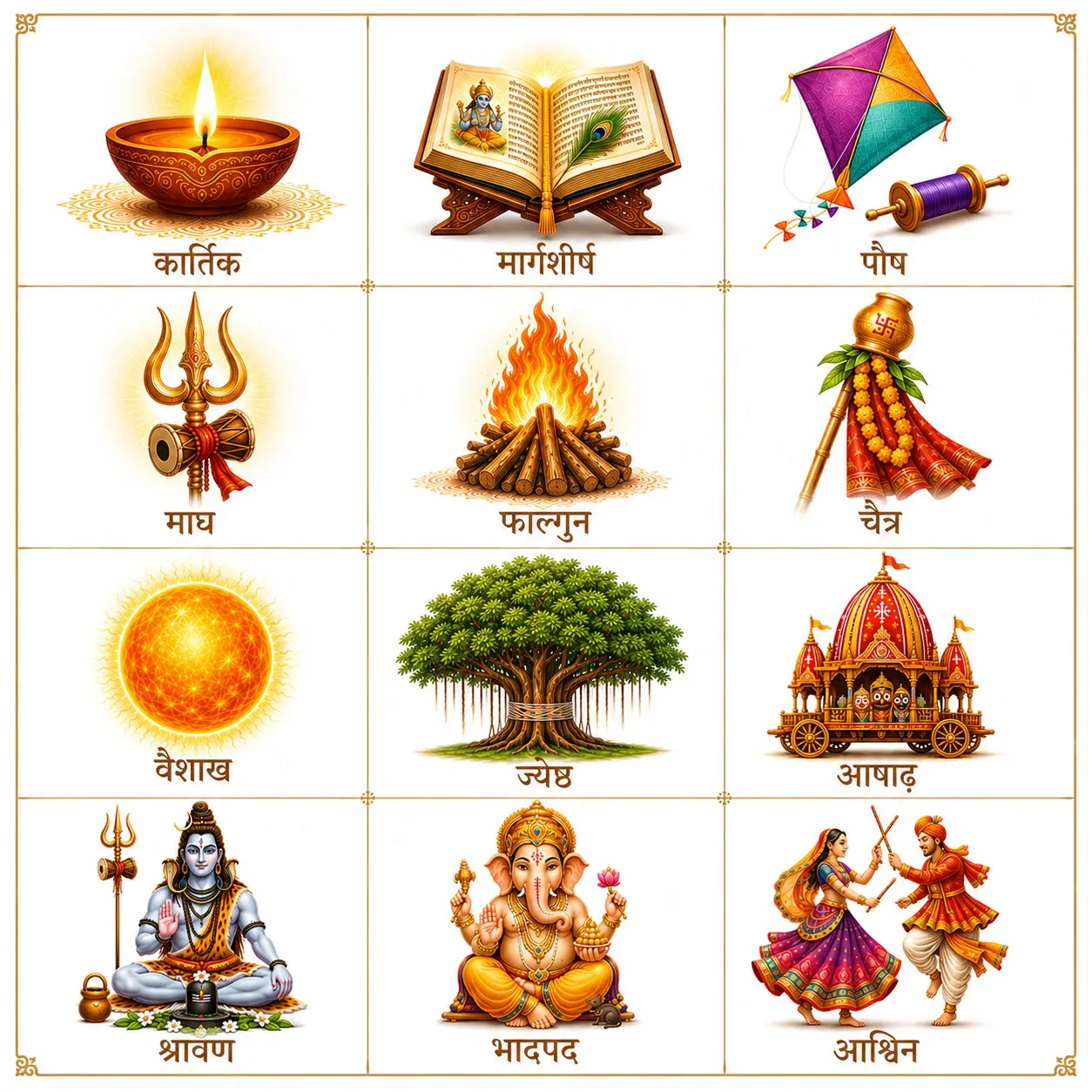
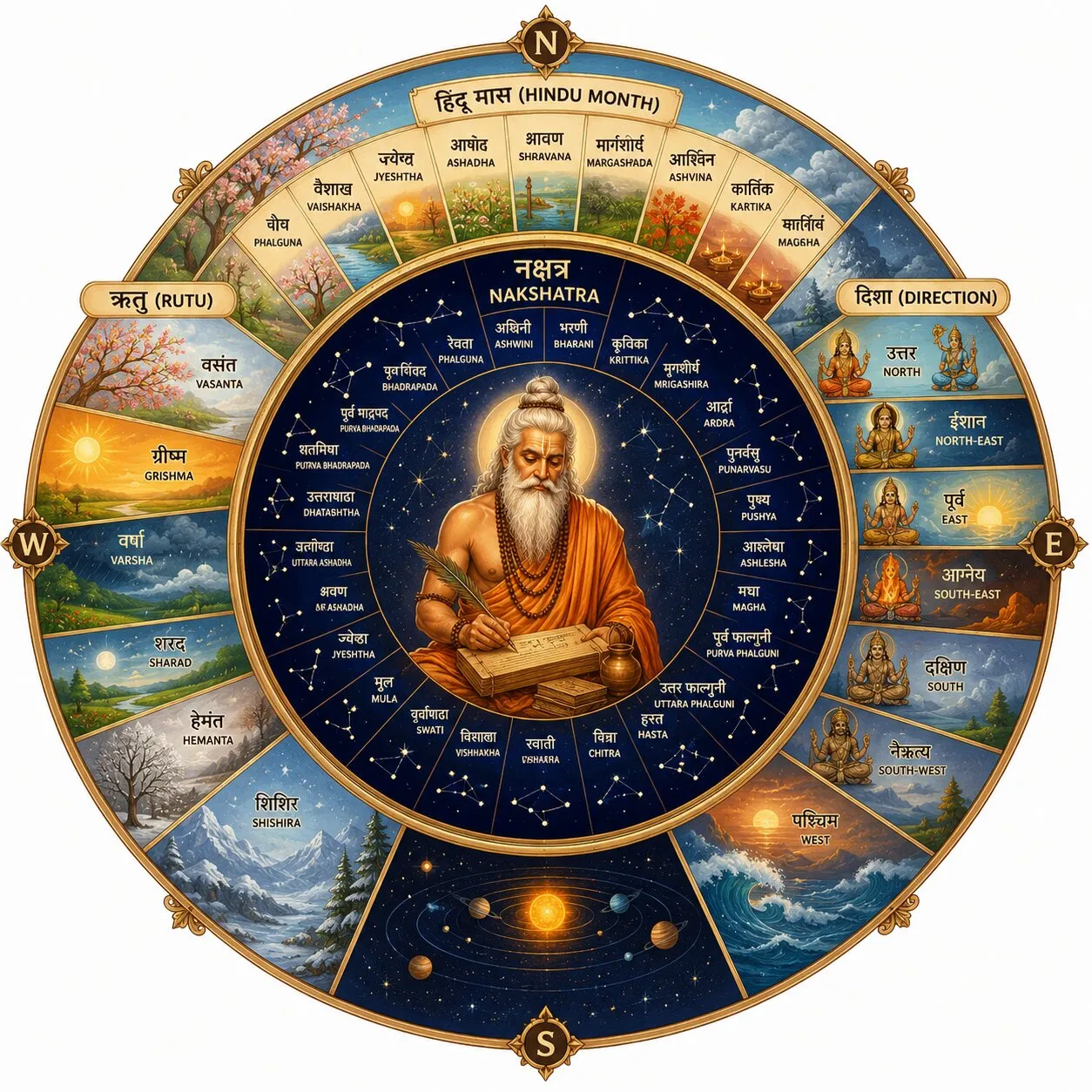
Hindu Cosmology is the Vedic knowledge explaining the orderly cycles of time, nature and the universe in Hinduism. This section provides detailed information on topics such as Hindu months, Hindu seasons and directions (disha). These concepts play an important role in the Hindu calendar, festivals, fasts, religious rituals and daily life.
According to Hindu tradition, the year is divided into various months and seasons, while directions are also given religious and cultural significance. These topics help in understanding the Indian knowledge tradition, the cycles of nature and the Vedic division of time.
Importance of Hindu Cosmology
Hindu cosmology explains the relationship between time and nature. Festivals, fasts and auspicious days are organized through Hindu months, while Hindu seasons are associated with agriculture, health and lifestyle. The importance of directions is also seen in Vastu, temple establishment and various religious rituals.
In the Vedic tradition, nature and time are considered to be interconnected. Therefore, knowledge about Hindu months, seasons and directions helps in better understanding religious and cultural life.
What will you learn in this section?
This section provides detailed information about all the months of the Hindu year, the six Hindu seasons and the eight main directions, their traditional identity, significance and use. Each topic has been explained in simple language so that every reader can easily understand it.
This information is useful for people studying Panchang, readers interested in Hindu culture, students and anyone who wants to understand religious traditions.
Hindu Cosmology and Tradition
In Hinduism, time and nature are considered part of the divine order. Hindu months, seasons and directions are not just subjects indicating time or place, but are closely linked to Indian culture, religious tradition and Vedic way of life.
The purpose of this section is to provide reliable and simple information on basic topics related to Hindu Cosmology, so that readers can understand Vedic tradition better.