






What are the ten incarnations of Vishnu?
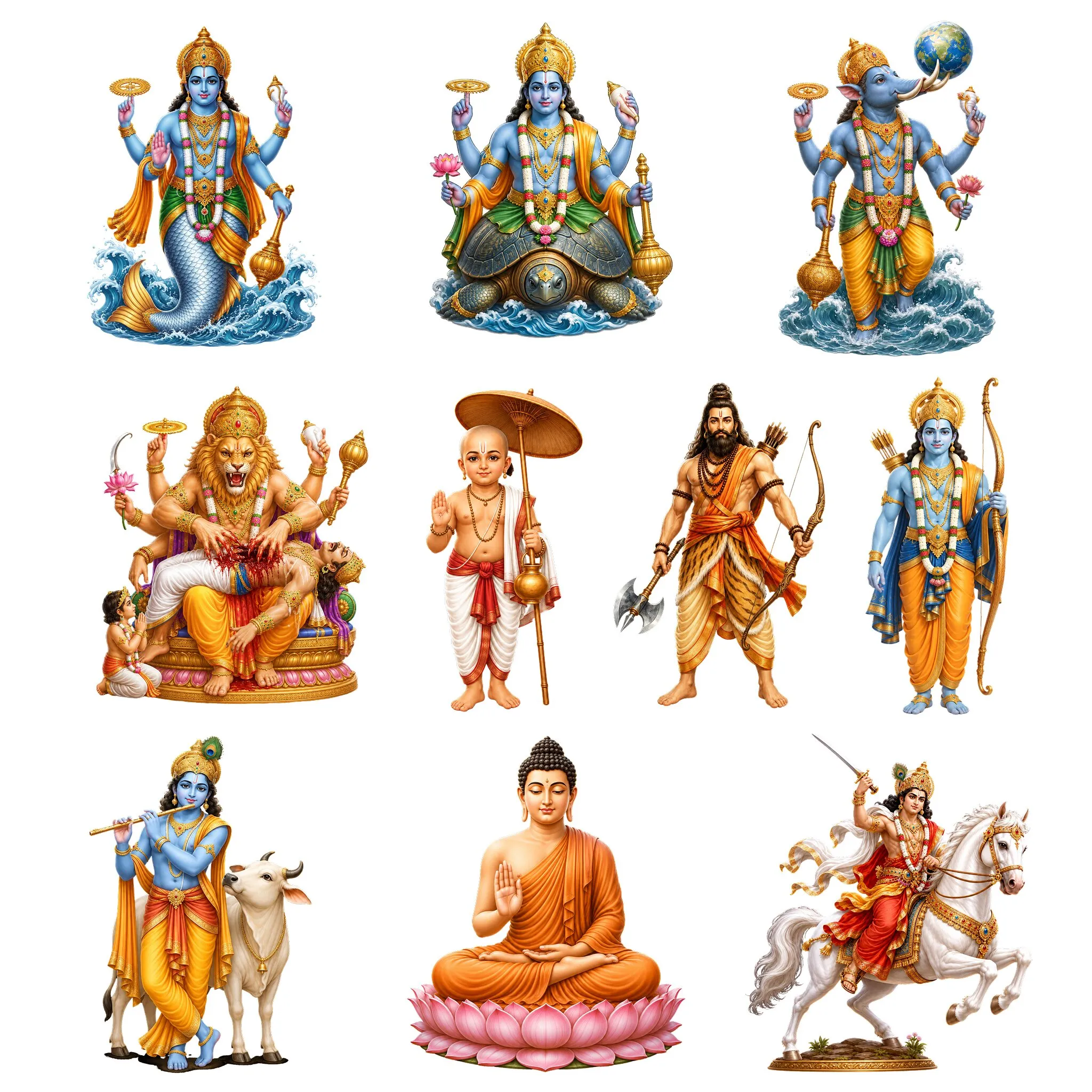
In Hinduism, Lord Vishnu is considered the preserver and protector of the universe. Whenever there is an increase in unrighteousness on earth and religion is in danger, Lord Vishnu assumes various incarnations to establish religion and protect the righteous. These incarnations are known as "dasavatars". The ten main incarnations of Lord Vishnu are described in the Shrimad Bhagavatam, Vishnu Purana and other Hindu scriptures. The purpose of each incarnation was to restore religion and guide mankind to the path of truth.
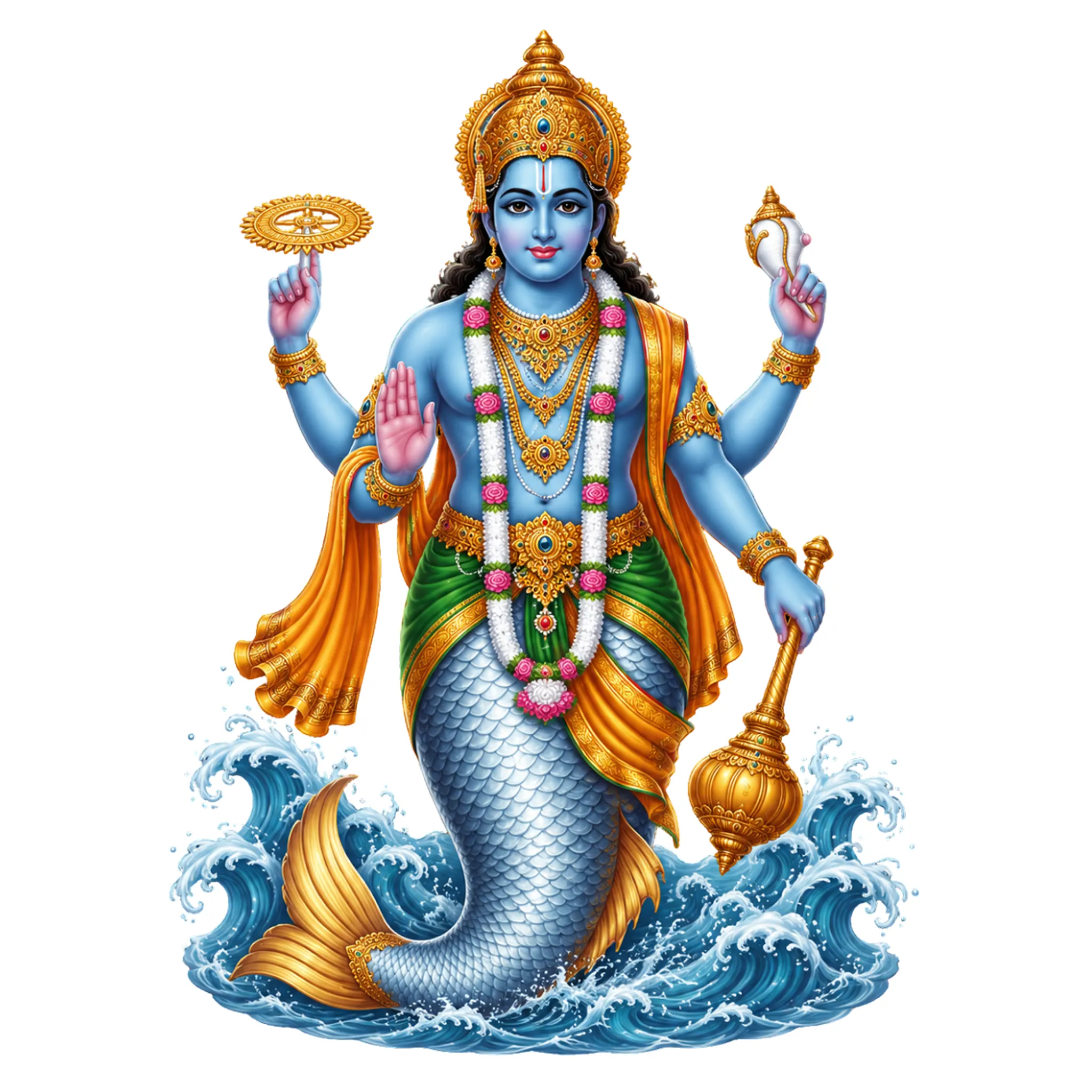
1. Matsya Avatar
Lord Vishnu's first incarnation was in the form of a Matsya (fish). During the flood, he protected King Satyavrata (Manu) and the Vedas. The Matsya Avatar is considered to symbolize the protection of knowledge and the beginning of a new creation.
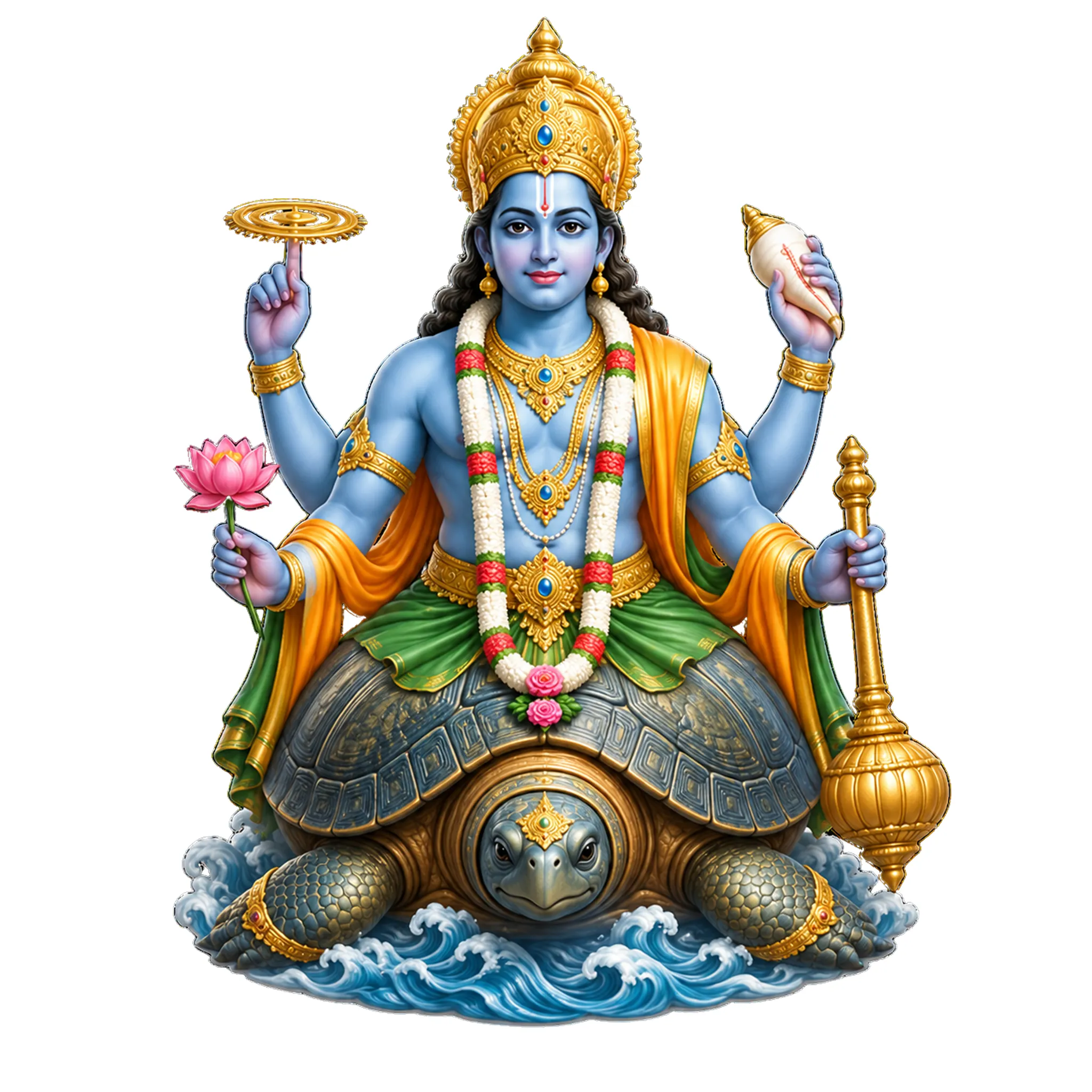
2. Kurma Avatar
The second avatar was in the form of Kurma (turtle). The Lord took the form of a turtle to support the Mandrachala mountain during the churning of the ocean. The Kurma Avatar symbolizes patience, stability and responsibility.
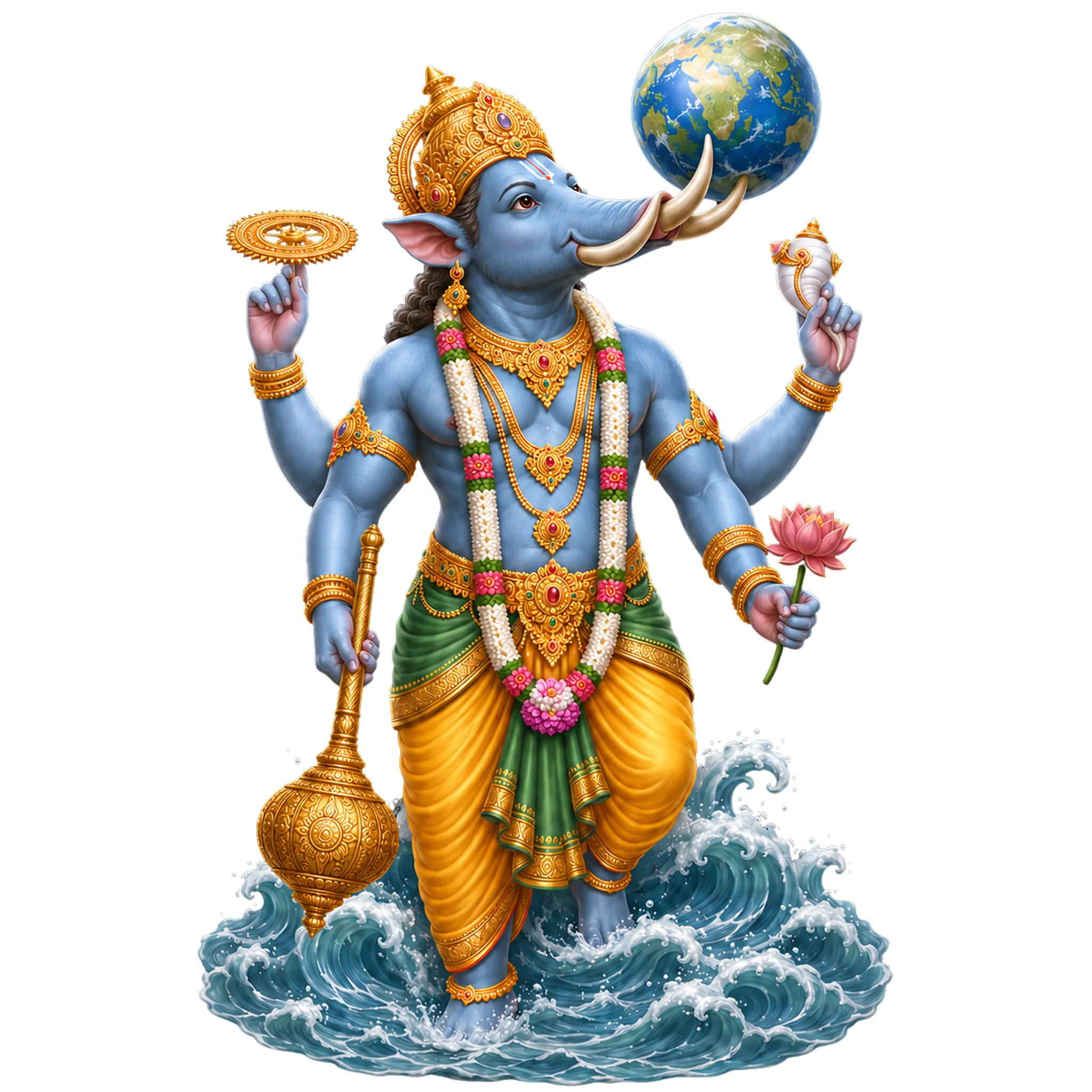
3. Varaha Avatar
In the third avatar, Lord Vishnu took the form of a huge Varaha (wild boar), killed the demon Hiranyaksha and raised the earth from the ocean. The Varaha Avatar symbolizes the protection of religion and the restoration of creation.
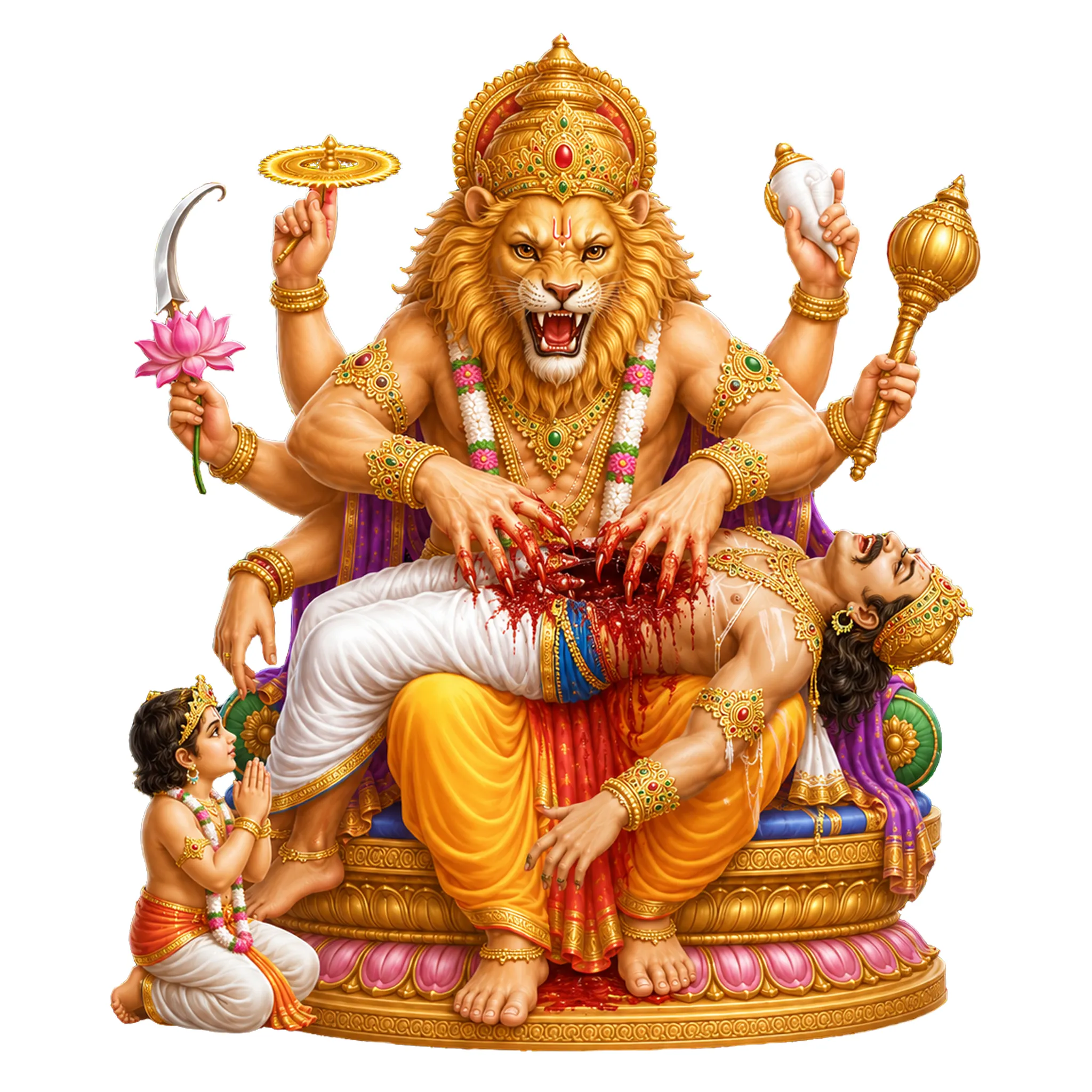
4. Narasimha Avatar
The fourth avatar was in the form of Narasimha, who was half human and half lion. The Lord killed Hiranyakashipu to protect his devotee Prahlad. The Narasimha Avatar shows that the Lord always protects his devotees.
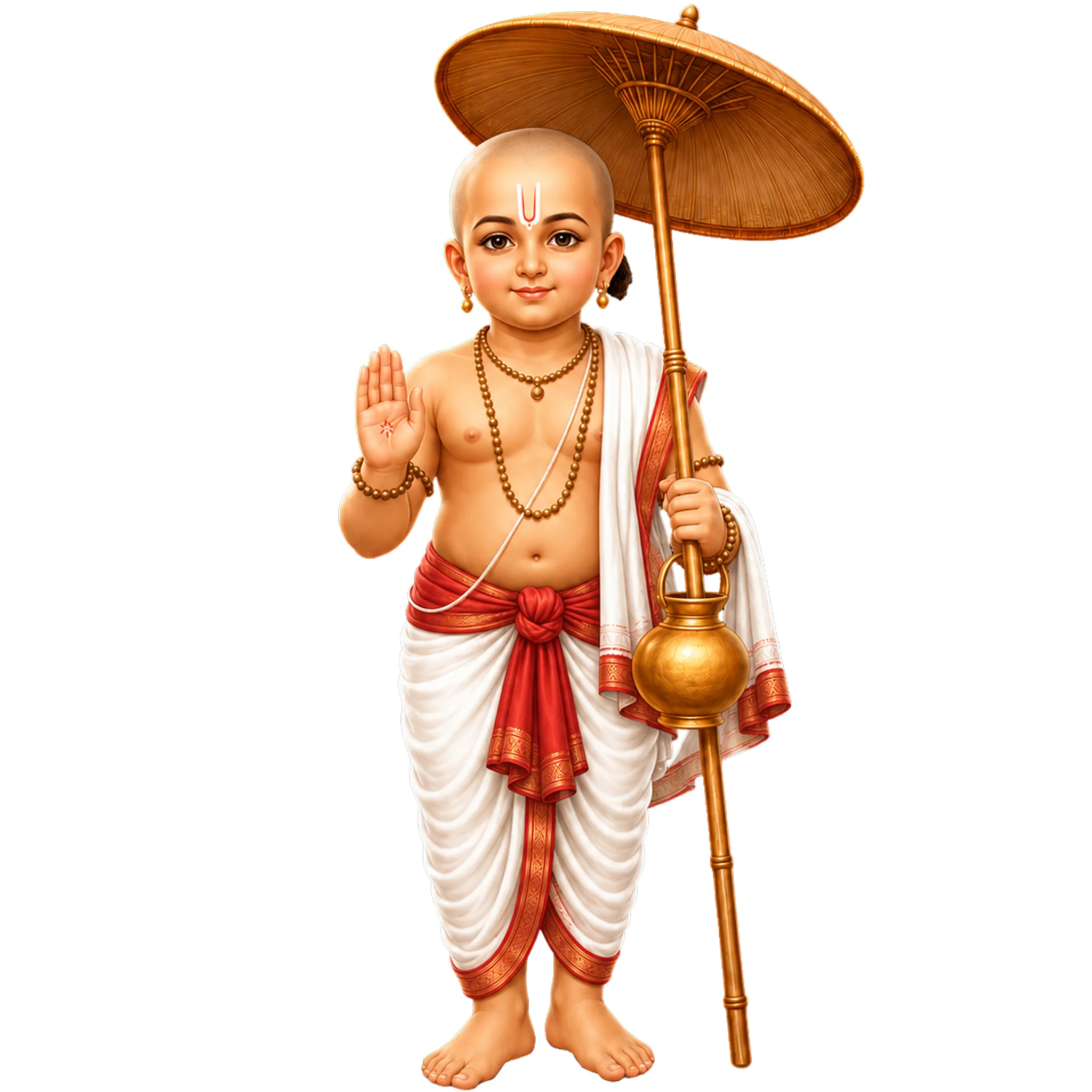
5. Vamana Avatar
In the fifth avatar, the Lord took the form of Vamana (a Brahmin boy). He asked for three steps of land from the demon king Bali and encompassed the entire universe in his footsteps. The Vamana Avatar is a symbol of humility and the triumph of religion.
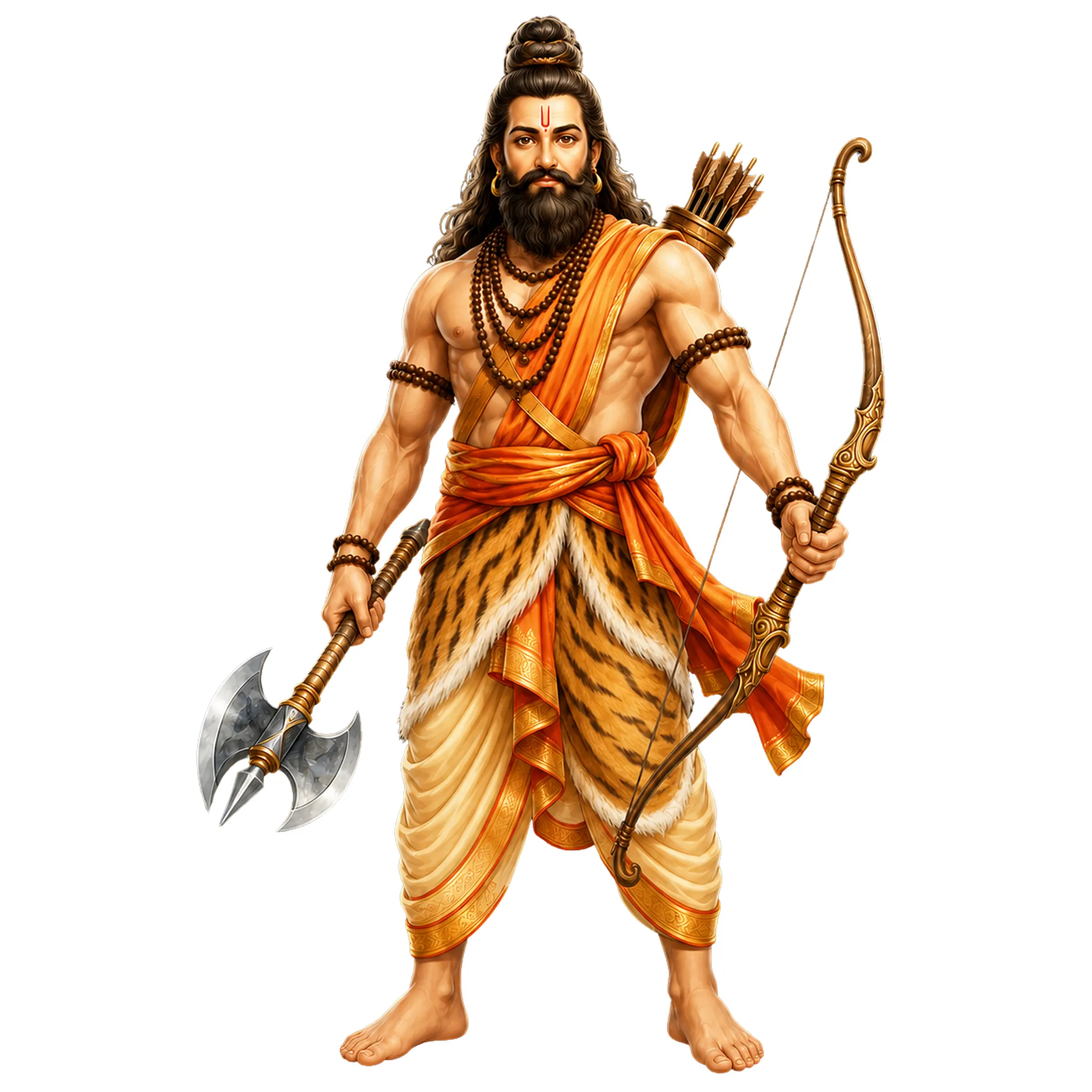
6. Parashurama Avatar
As the sixth avatar, the Lord took the form of Parashurama. He was a warrior sage and established religion by destroying unrighteous and tyrannical kings. The Parashurama avatar is the symbol of justice and protection of truth.
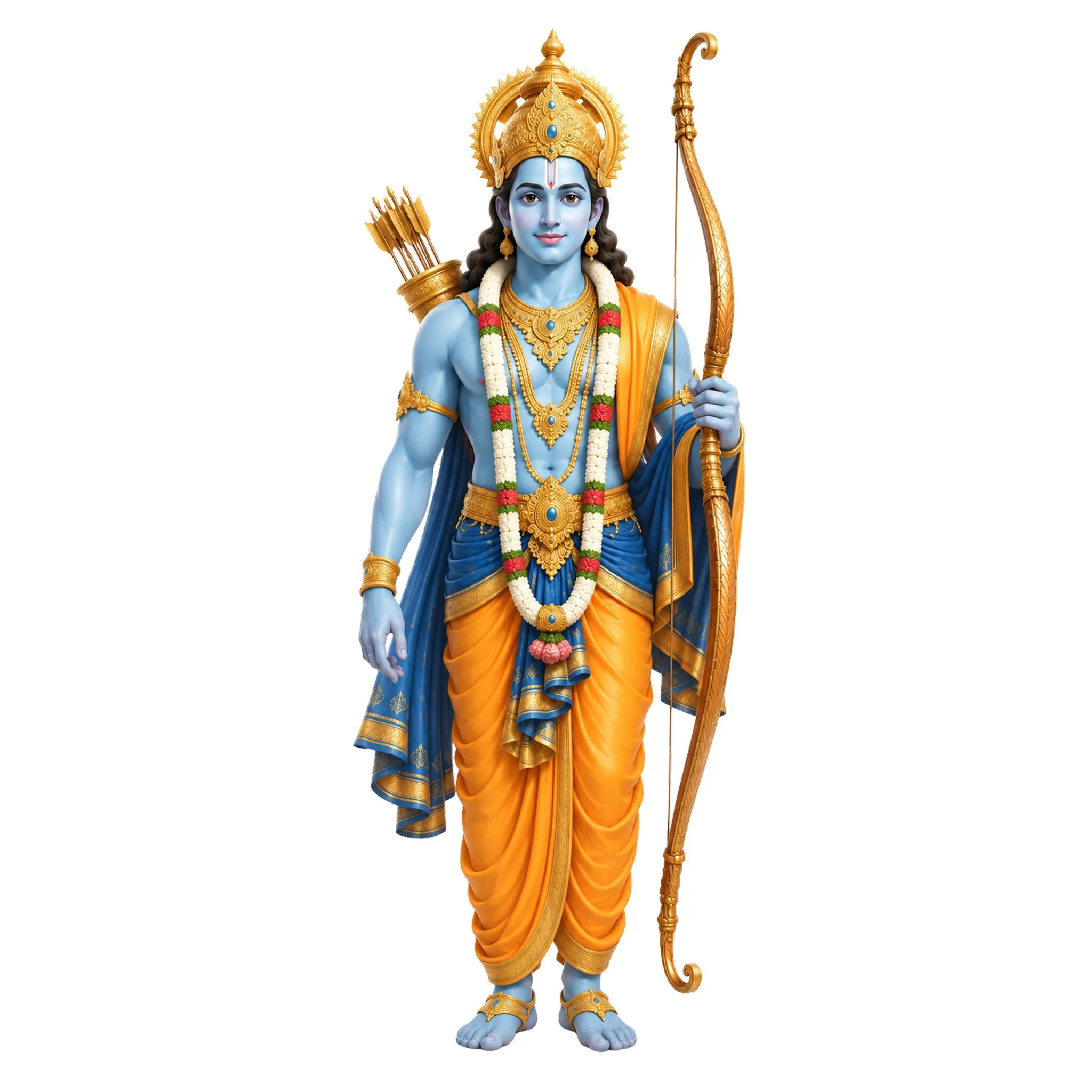
7. Shriram Avatar
In the seventh avatar, God was born as the prince of Ayodhya, Shriram. He established religion by killing Ravana. Shriram is known as the Maryada Purushottam and is the symbol of an ideal son, brother, husband and king.
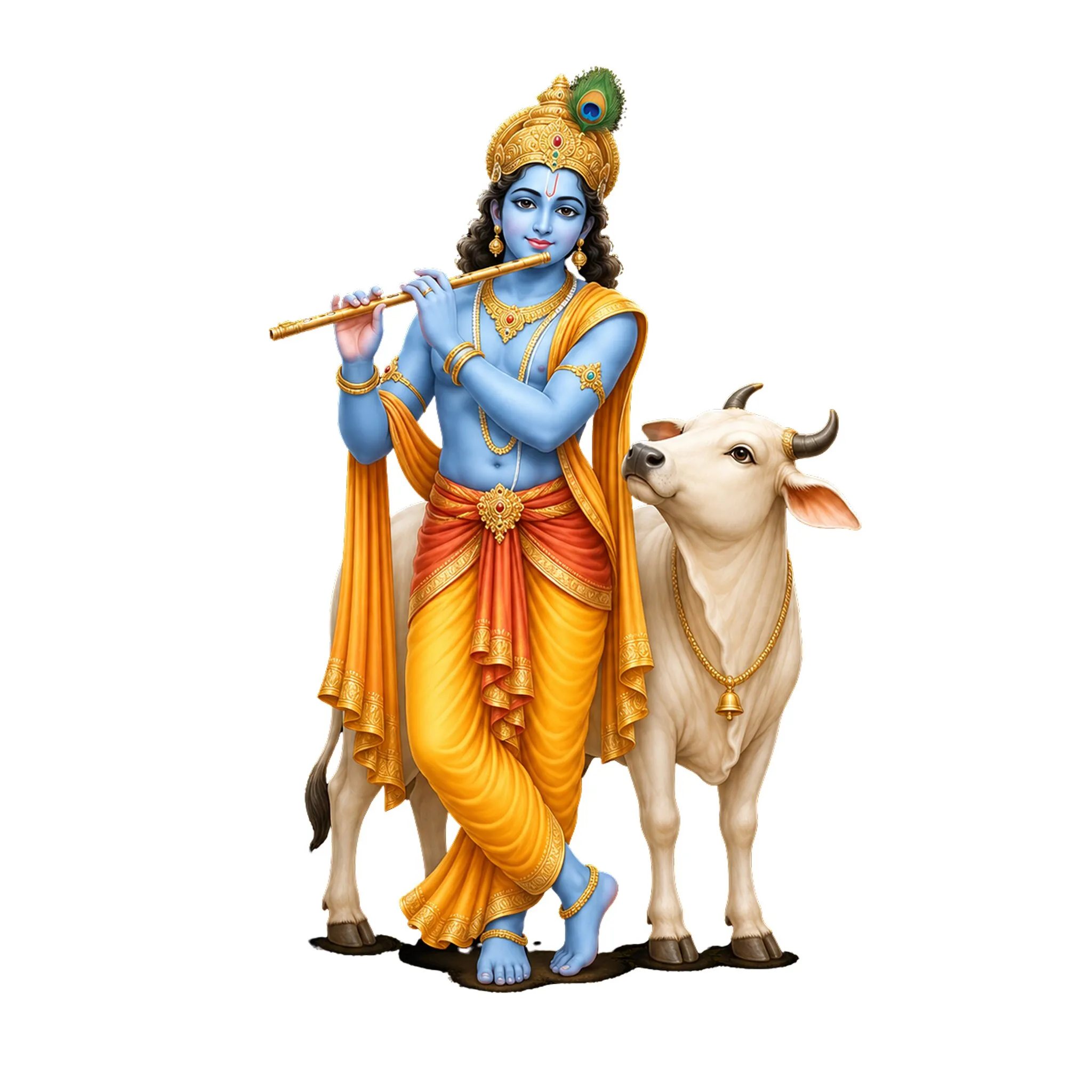
8. Shrikrishna Avatar
As the eighth avatar, God took the form of Shrikrishna. He guided the Pandavas in the Mahabharata and gave the immortal teachings of the Bhagavad Gita. Shrikrishna is the symbol of love, knowledge, compassion and Karma Yoga.
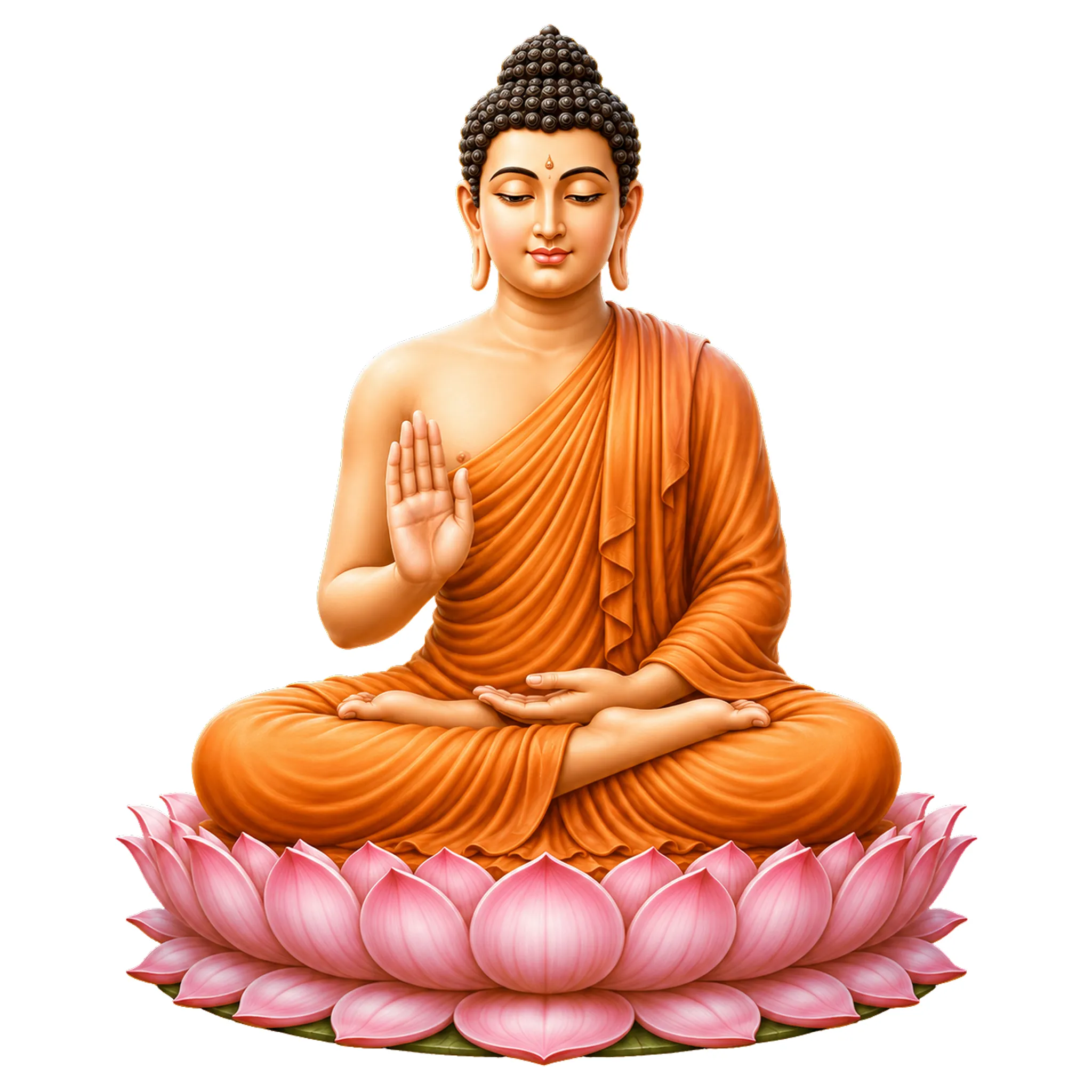
9. Buddha Avatar
As the ninth avatar, Lord Vishnu is believed to have taken the form of Lord Buddha. He preached non-violence, compassion and the middle path. The Buddha avatar is a symbol of humanism and peace.
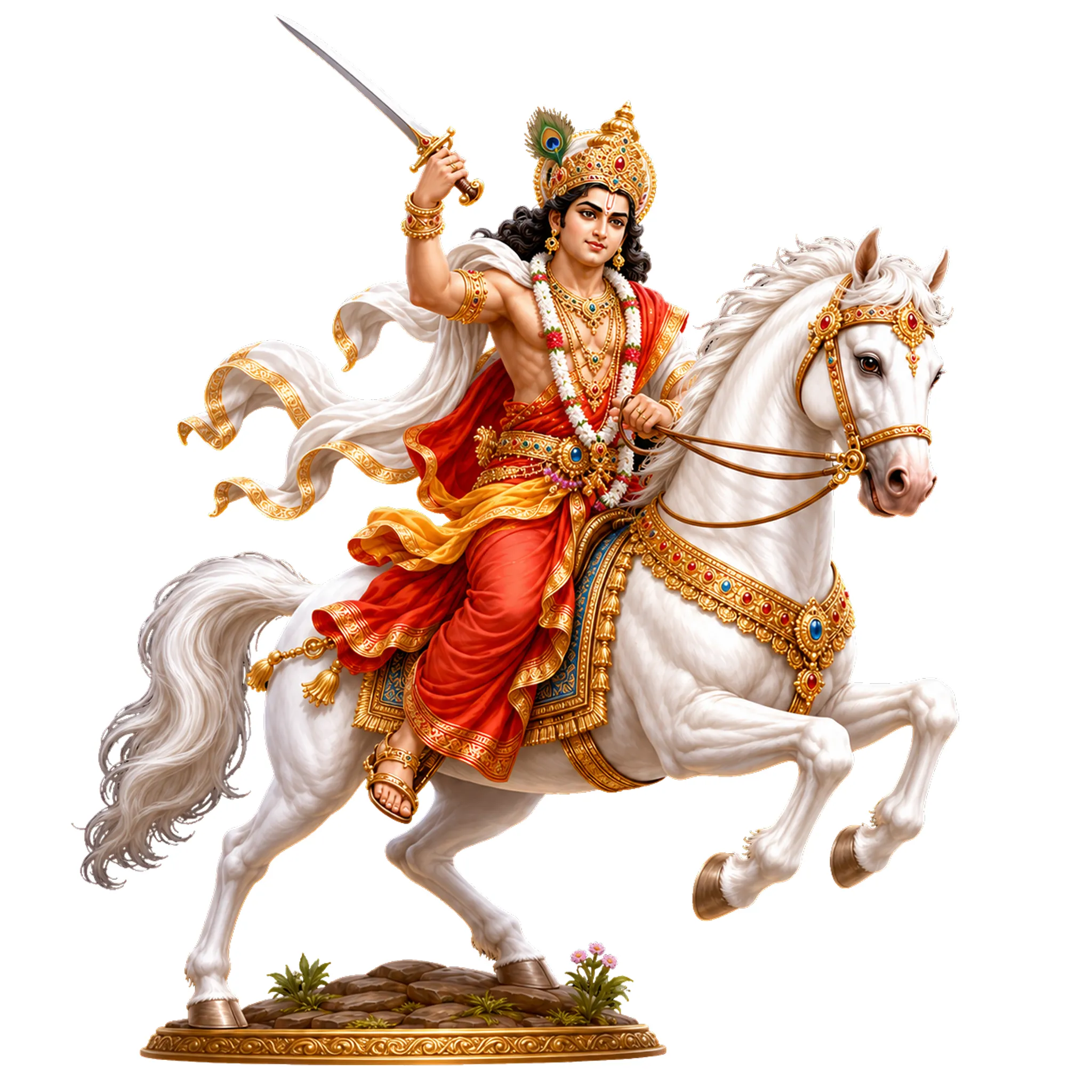
10. Kalki Avatar
The tenth and future avatar is known as Kalki. According to Hindu belief, Lord Vishnu will appear in the form of Kalki at the end of Kali Yuga and will destroy evil and establish Satya Yuga. Kalki Avatar symbolizes the final victory of religion and a new beginning.
Spiritual significance of the tenth avatar of Vishnu
The tenth avatar of Vishnu is not just a mythological story, but they are a source of life values and spiritual education for mankind. Each incarnation conveys a specific message, such as protection of religion, service to devotees, destruction of ego, establishment of compassion, justice and truth. The ten incarnations are also considered to symbolize various stages of human development and spiritual progress.
Conclusion
The ten incarnations of Lord Vishnu are an important part of the rich spiritual tradition of Hinduism. The purpose of each incarnation was to establish religion, protect the virtuous and destroy unrighteousness. These ten incarnations, from Matsya to Kalki, inspire devotees to follow the path of truth, compassion, justice and devotion. The ten incarnations of Vishnu are still the center of faith, belief and spiritual guidance for crores of Hindus today.