


The Spiritual Foundation of Hindu Festivals
Hindu festivals are periodic observances that align individual consciousness with the rhythms of the universe and seasonal transitions. These celebrations are calculated using the Luni-solar calendar, where tithis (lunar dates) and nakshatras determine the exact timing. Unlike modern fixed-date holidays, Hindu festivals follow the movement of the moon and sun, as detailed in texts like the Surya Siddhanta. They serve as psychological and spiritual resets, allowing devotees to practice discipline through vrats (fasts) and express joy through utsava (celebration). Each festival is a confluence of itihasa (history), Purana (mythology), and practical Vedic lifestyle, designed to keep the practitioner connected to the divine through regular intervals of devotion and reflection.
Festivals of Light and Colour: Diwali and Holi
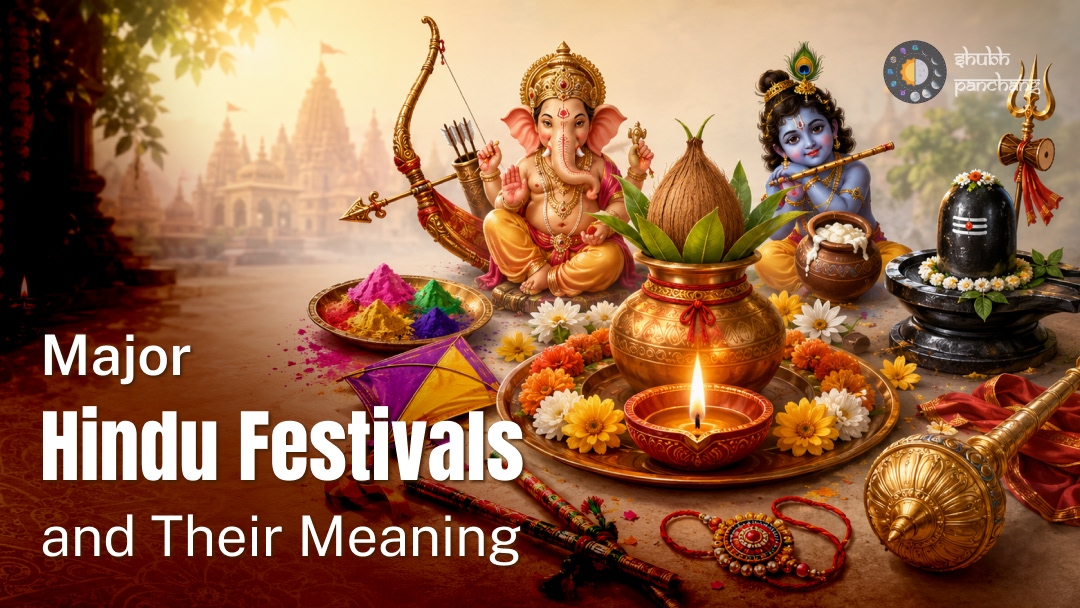
Diwali marks the victory of dharma over adharma and is observed on the Amavasya of the Kartik month. According to the Skanda Purana, the lighting of lamps during Diwali signifies the dispelling of spiritual ignorance and the welcoming of Goddess Lakshmi into the home. It represents the inner light that remains untouched by darkness. Similarly, Holi, celebrated on the Purnima of Phalguna, represents the triumph of devotion over ego, as seen in the legend of Prahlad and Holika. These festivals transition seasons—Diwali welcomes the winter harvest, while Holi heralds the arrival of spring (Vasant Ritu), influencing dietary and lifestyle shifts in accordance with Ayurvedic wisdom.
Honouring Divine Power: Navratri and Ganesh Chaturthi
Navratri and Ganesh Chaturthi emphasize the manifestation of divine energy in specific forms to restore cosmic balance and provide protection to the devotee. Navratri, spanning nine nights, celebrates the victory of Goddess Durga over the demon Mahishasura, as described in the Devi Mahatmya of the Markandeya Purana. It is a period of intense sadhana, purification, and the honoring of the feminine principle. Ganesh chaturthi, occurring in the month of Bhadrapada, focuses on the invocation of wisdom and the removal of obstacles (vighnas). Both festivals demonstrate the concept of Prana Pratishtha, where a temporary physical form is worshipped to connect with the formless divine, followed by visarjan to symbolize the cycle of creation and dissolution.
Celebrating Sacred Avatars: Janmashtami and Ram Navami
The births of Vishnu’s incarnations, Rama and Krishna, provide frameworks for righteous living and the path of selfless devotion. Ram navami celebrates the birth of Maryada Purushottam Rama on the ninth tithi of Chaitra Shukla Paksha, emphasizing the ideals of duty, truth, and moral integrity found in the Valmiki Ramayana. Janmashtami, observed on the Ashtami of Bhadrapada Krishna Paksha, commemorates the birth of Lord Krishna. These festivals involve midnight vigils, reading of the Bhagavad Gita or Ramcharitmanas, and community singing (bhajan), which strengthen the collective memory of dharma and its practical application in daily life through the stories of these divine avatars.
Spiritual Awakening: Mahashivratri and Hanuman Jayanti
Mahashivratri and Hanuman Jayanti represent the path of asceticism, internal strength, and unwavering service to the Supreme. Maha Shivratri is observed on the Chaturdashi of Phalguna Krishna Paksha, a night dedicated to the union of Shiva and Shakti and the manifestation of the Lingodbhava form. The Shiva Purana highlights that staying awake (jagran) and performing Abhishekam with Bel leaves on this night facilitates deep meditation and sensory control. Conversely, Hanuman Jayanti celebrates the birth of the Vayu-putra on the Purnima of Chaitra. It focuses on the virtues of Bhakti and Shakti—teaching that true strength is found in selfless service and complete surrender to the divine will.
Seasonal Shifts and Family Bonds: Makar Sankranti and Raksha Bandhan
Solar transitions and family relationships define festivals like Makar Sankranti and Raksha Bandhan, grounding spiritual practice in social reality. Makar Sankranti marks the entry of the Sun into the Capricorn (Makara) rashi and the beginning of Uttarayana, the northward journey of the sun. It is a harvest festival that expresses gratitude to nature and the sun (Surya Dev) for sustaining life on Earth. Raksha Bandhan, celebrated on Shravana Purnima, formalizes the bond of protection and mutual respect within the family. These observances ensure that spiritual values are lived through interpersonal relationships and environmental stewardship, making the sacred a part of the domestic and agricultural cycles of India.
Traditional Rituals and Their Scientific Significance
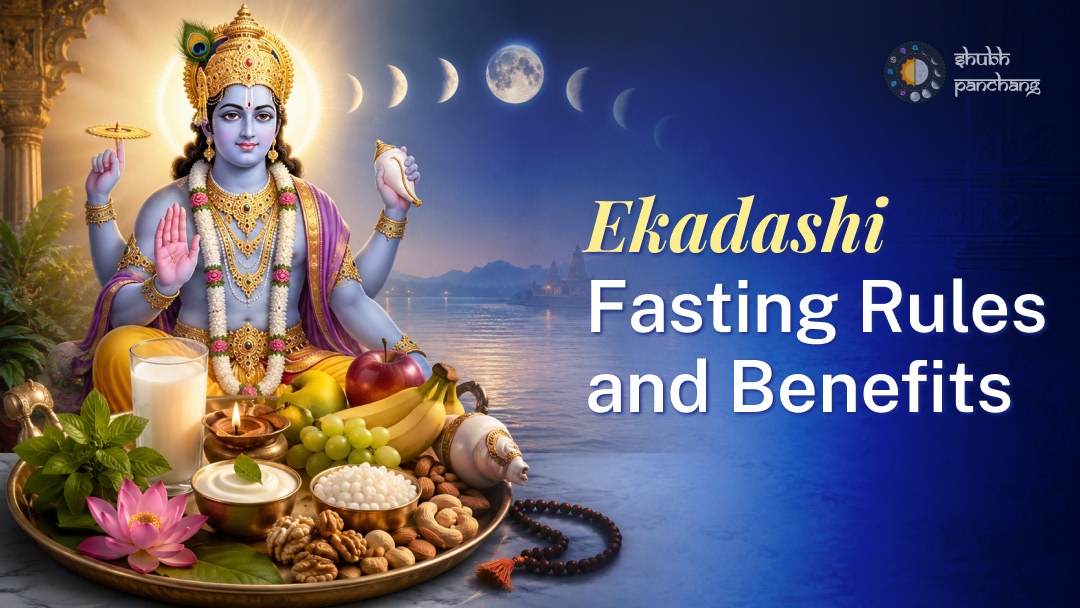
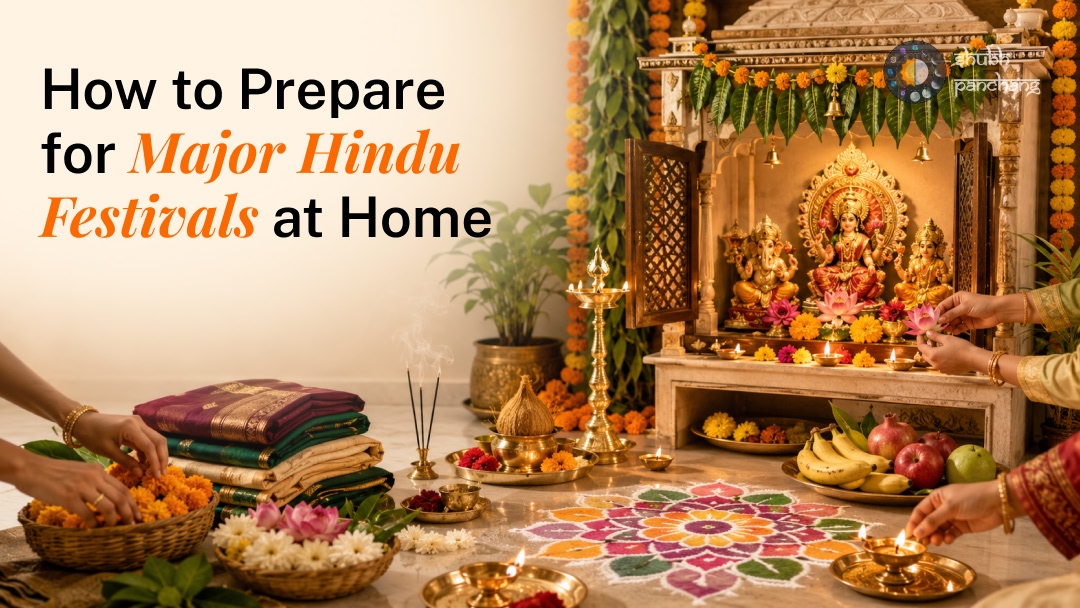
The common traditions of Hindu festivals, such as fasting (upvasa) and charity (daan), have grounded physiological and psychological benefits that align with nature. Fasting during festivals aligns with Ayurvedic principles of detoxification, especially during Sandhi periods (seasonal junctions) when the body is most vulnerable to illness. The Nirnaya Sindhu and Dharmasindhu provide detailed rules on how to observe these fasts based on one's health, age, and spiritual goals. Rituals like Rangoli and lighting oil lamps are not merely decorative; they signify the invitation of auspiciousness (shubh) and the removal of negative influences. Charity performed on specific tithis is believed to yield greater spiritual merit, encouraging social equilibrium and compassion among all members of society.
Cultural Preservation and Social Unity through Utsavs
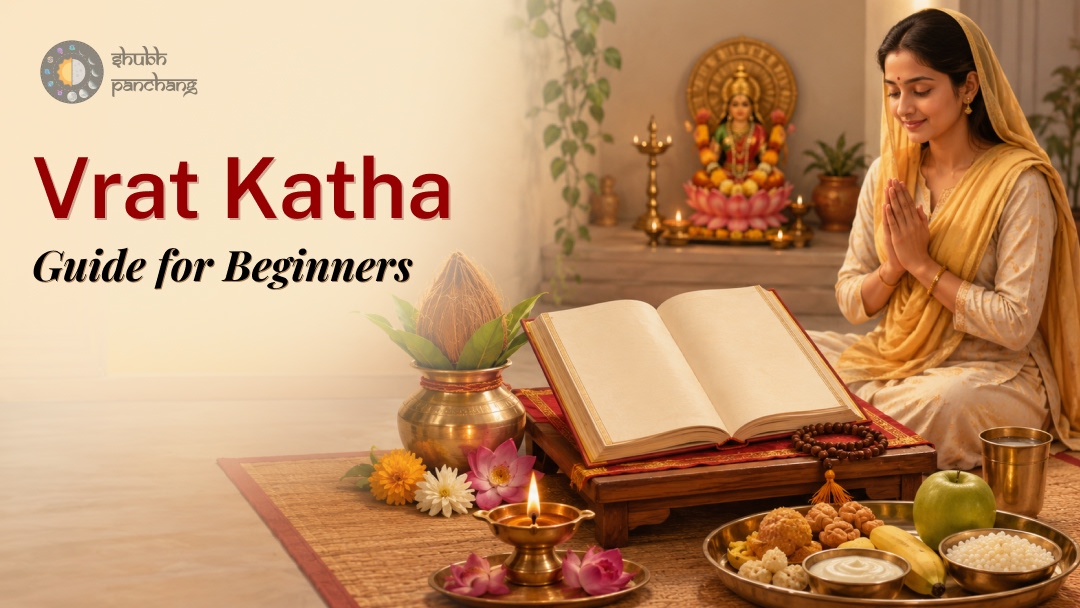
Festivals serve as the primary mechanism for preserving Indian culture, oral traditions, and intergenerational knowledge through the ages. Through storytelling (katha), traditional foods, and community gatherings, the complex philosophical concepts of the Upanishads and Puranas become accessible and relatable to everyone. While regional variations exist—such as Onam in Kerala or Baisakhi in Punjab—the underlying spiritual essence remains consistent across the subcontinent. Hindu festivals provide a rhythmic structure to life, reminding the practitioner that every season and every transition is an opportunity for spiritual growth, gratitude, and social harmony. They combine mythology and nature into a unified experience that sustains the cultural identity of the community.