


The Cultural and Spiritual Significance of Hindu Festivals
Hindu festivals are far more than mere calendar events; they represent the rhythmic heartbeat of Indian culture and a profound opportunity for spiritual re-alignment. These observances serve as vital occasions for bhakti (devotion), shuddhi (purification), and dharmic continuity within the household. According to traditional understanding, festivals are meant to bridge the gap between the mundane and the divine, allowing families to express gratitude for nature’s cycles and the protection of the deities. By observing these days with sincerity, devotees aim to cleanse their environment and their consciousness, fostering a sense of togetherness and cultural pride that transcends generations. Whether it is a major celebration like Diwali or a specific deity observance, the core objective remains the same: the cultivation of sattva (purity) within the home and the heart.
Cultivating the Right Spiritual Mindset for Celebration
Preparing for a festival begins internally with the cultivation of a peaceful, focused, and positive mindset. In the days leading up to a major event, practicing shaucham (cleanliness) of thought and speech is considered as essential as physical cleaning. Maintaining a gratitude journal or dedicating a few extra minutes to silent meditation helps in transitioning from the stress of daily chores to a state of devotional readiness. It is traditionally recommended to avoid conflict and negative emotions during these times to ensure that the home’s prana (life energy) remains high. By consciously setting an intention for the upcoming puja—be it seeking wisdom, health, or spiritual growth—the family creates a mental vessel capable of receiving the divine blessings associated with the specific tithi or deity being honored.
Preparing the Home and Entrance for Divine Energy
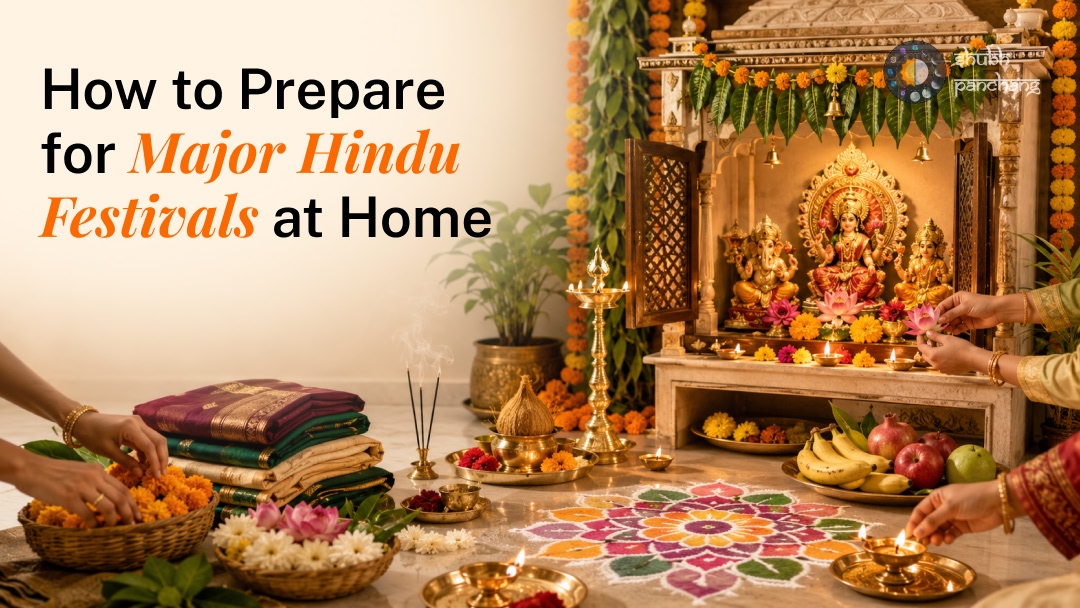
The physical preparation of the home serves as a symbolic invitation to the deities and a method of purifying the living space. Deep cleaning is the first practical step, as a cluttered or dusty environment is believed to hinder the flow of positive energy. Special attention is often given to the entrance of the house, which acts as the gateway for auspiciousness. Creating a vibrant rangoli using natural powders or flower petals is a traditional way to welcome guests and divine forces alike. Adorning doorways with torans made of mango leaves or marigolds and lighting oil lamps (diyas) not only enhances the aesthetic beauty but also signifies the triumph of light over darkness. These traditional decorations transform a regular living space into a sacred sanctuary, setting the stage for the rituals to follow.
Organizing and Purifying the Home Mandir
The home temple or mandir is the focal point of every Hindu festival and requires meticulous organization and purification. This process involves gently cleaning the idols or pictures of deities with water, milk, or specialized cleaning agents as prescribed by tradition. All metal puja items—such as the aarti lamp, bell, and kalash—should be polished to a shine. In many households, the Ishana Kona (northeast corner) is preferred for the mandir to maximize spiritual vibrations. Replacing old flower garlands with fresh ones, ensuring a steady supply of pure ghee or oil for the lamps, and keeping high-quality incense ready are small but vital details. A well-organized mandir creates a sense of calm and enables the family to perform the puja without distractions, ensuring that the focus remains entirely on the act of worship.
Preparations for Major Hindu Festivals
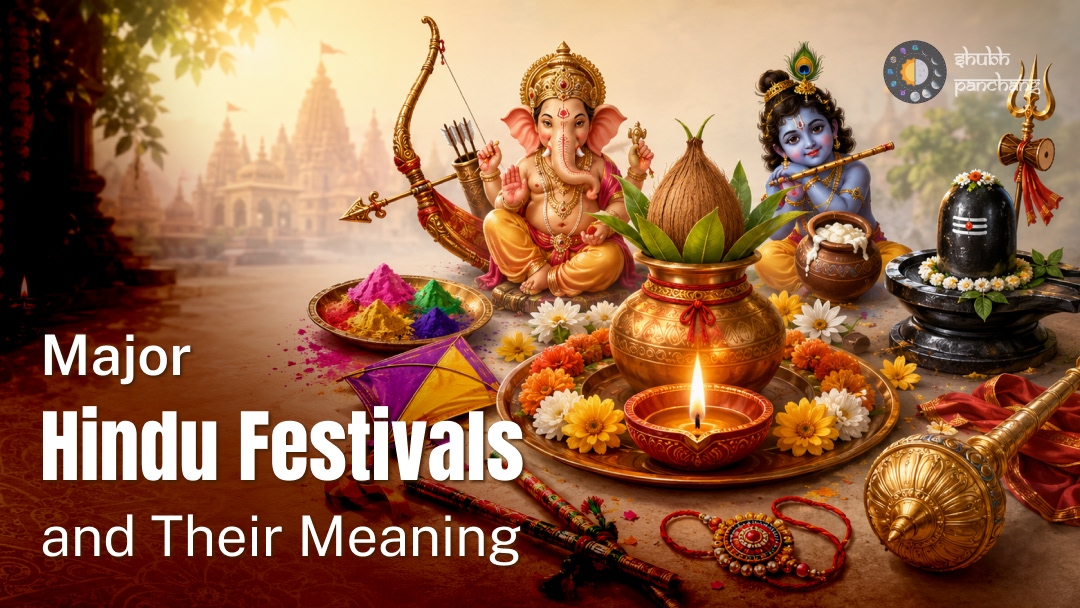
Different festivals demand unique preparatory steps based on the specific deity and the underlying scriptural narrative. For instance, preparing for Maha Shivratri often involves sourcing Bilva leaves and preparing for an all-night vigil (jagran) with specific hymns. In contrast, the preparation for Ram navami might focus on reciting the Ramayana and organizing a kanya pujan or distributing simple meals to the community. When Ganesh chaturthi approaches, the focus shifts to creating a temporary pedestal for the Ganpati idol and preparing modaks, his favorite offering. Similarly, for Janmashtami, many families enjoy decorating a small cradle (palna) for Bal Krishna and preparing an assortment of dairy-based sweets to mark his birth at midnight. Each festival’s unique requirements help practitioners connect more deeply with the specific aspects of the divine.
Sattvic Cooking and Traditional Prasad Preparation
Festive food in a Hindu household is more than just a meal; it is naivedya (an offering to God) that later becomes prasad (sanctified food). Traditional festive cooking follows sattvic principles, which prioritize fresh, seasonal, and vegetarian ingredients while strictly avoiding onion and garlic. Preparing these dishes requires a state of physical and mental purity, often involving a bath before entering the kitchen. Whether it is the elaborate sweets like ladoos and kheer or savory snacks and regional specialties, the intention behind the cooking is devotion. Using pure ghee and organic ingredients where possible adds to the spiritual quality of the food. Sharing this prasad with family members, neighbors, and the needy is a vital part of the festive experience, emphasizing the values of abundance and communal harmony.
A Comprehensive Checklist for Puja Samagri
Gathering all puja samagri (worship materials) well in advance is a practical necessity that ensures the smooth conduct of the ritual. A standard checklist often includes basic items such as akshat (unbroken rice grains), kumkum (vermilion), chandan (sandalwood paste), haldi (turmeric), and moli (sacred thread). Depending on the specific vrat or festival, one may also need betel leaves, betel nuts, coconuts, incense sticks, camphor, and a variety of fresh flowers. It is advisable to source these items a few days before the muhurat to avoid the last-minute rush and ensure the best quality. Keeping a small stock of cotton wicks and matchboxes near the mandir is also helpful. By having everything arranged in a dedicated puja thali (tray), the head of the household can perform the ceremony with a clear and undistracted mind.
Embracing Traditional Attire and Customary Manners
Wearing traditional Indian clothing during festivals is a sign of respect for the occasion and helps in fostering a spiritual atmosphere. Natural fibers like cotton and silk are preferred, as they are traditionally considered more conducive to retaining spiritual energy. Men often wear dhotis or kurtas, while women opt for sarees or salwar kameez, choosing colors that are often associated with the specific deity (such as yellow for Vishnu or red for Devi). Beyond clothing, following customary manners—such as removing footwear before entering the puja space, sitting on a clean mat (asana), and maintaining a respectful silence—enhances the collective experience. These external markers of tradition help individuals step away from their daily roles and enter a space of sacred reverence.
Involving Children and Modern Families in Tradition
For modern families, festivals are the most effective classroom for passing down cultural and spiritual values to the next generation. Involving children in simple tasks like sorting flowers, helping with the rangoli, or setting up the prasad tray makes them feel like active participants rather than passive observers. Reading stories from the Puranas or the Itihasas that explain the 'why' behind the festival helps them understand the historical and moral significance of the rituals. Engaging in bhajans (devotional songs) or katha (storytelling) sessions as a family strengthens emotional bonds and builds lasting memories. For busy families, using digital calendars to track tithis and preparing checklists can help manage time effectively, ensuring that the essence of the tradition is not lost in the hustle of modern life.
Eco-Friendly Celebrations and the Spirit of Seva
Respecting nature is a core tenet of Hindu philosophy, and modern festive preparations should reflect this through eco-friendly practices. Choosing clay idols instead of Plaster of Paris, using natural flower-based colors for rangoli, and minimizing the use of single-use plastics during community feasts are practical ways to celebrate responsibly. Additionally, the concept of Seva (selfless service) and Dana (charity) should be integrated into every celebration. Donating food, clothes, or financial aid to the less fortunate during festivals is considered highly auspicious and fulfills the dharmic duty of supporting society. By celebrating in a way that protects the environment and helps others, devotees ensure that their festive joy contributes to the greater good, making the spiritual experience truly complete and fulfilling.