



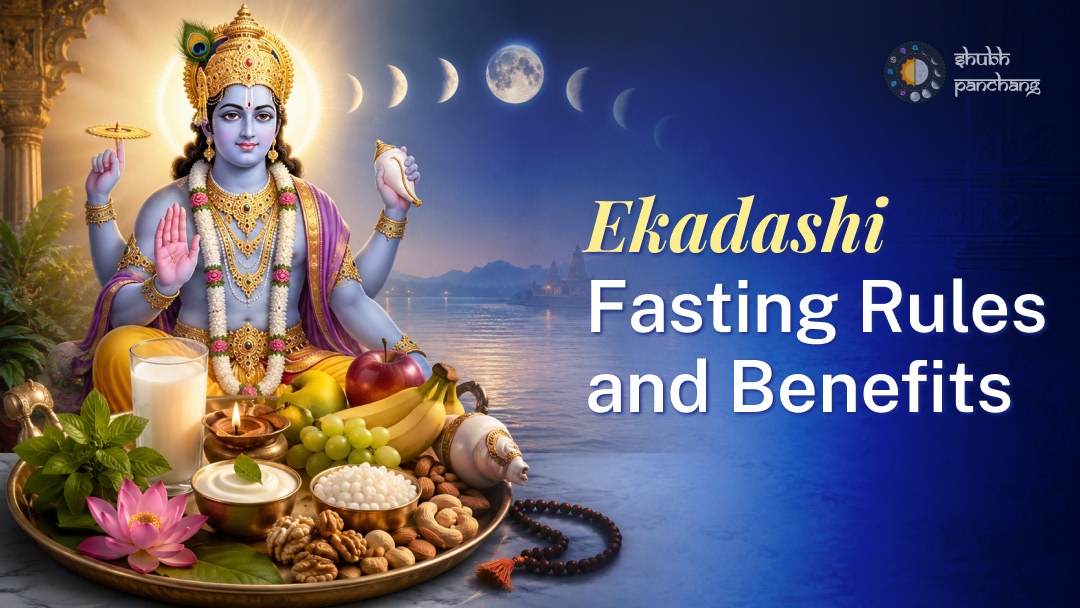
Understanding the Significance of Ekadashi Fasting
Ekadashi refers to the eleventh lunar day (tithi) of the Hindu calendar, occurring twice every month during both the Shukla Paksha and Krishna Paksha. This sacred day is dedicated to Lord Vishnu and is considered the most important period for fasting and spiritual introspection in Vedic tradition. By observing the fast, devotees aim to align their physical rhythms with the lunar cycle, fostering a state of mental clarity and spiritual receptivity. The tradition emphasizes that Ekadashi is not merely a restriction of food but a holistic discipline designed to purify the senses and focus the mind entirely on the divine.
Spiritual Connection with Lord Vishnu and Karma Purification
The spiritual essence of Ekadashi is rooted in the pursuit of 'Moksha' or liberation through the grace of Lord Vishnu. According to the Padma Purana, observing the Ekadashi fast with sincere devotion helps in the reduction of accumulated negative karma and the enhancement of 'Sattva' (purity) within the soul. It is believed that during this tithi, the cosmic energy supports the practitioners in overcoming worldly attachments. This day provides an opportunity for seekers to withdraw from the noise of material life and engage in deep meditation, prayer, and contemplation, leading to increased spiritual awareness and inner peace.
The Mythological Victory of Goddess Ekadashi
Mythological records in the Hindu scriptures describe the origin of this fast through the story of a divine goddess who emerged from Lord Vishnu. During a battle with the demon Mura, who represented the ego and base instincts of humanity, a powerful energy manifested from Vishnu’s body in the form of a goddess. She defeated the demon, and pleased by her prowess, Lord Vishnu named her 'Ekadashi,' decreeing that anyone who honors her on this day would be freed from sins. This narrative serves as a metaphor for the internal struggle between our higher spiritual self and the lower, destructive impulses of the mind.
Essential Rules for Observing the Ekadashi Fast
Strict adherence to the rules of Ekadashi ensures the spiritual efficacy of the vow. The fast traditionally begins at sunrise on the Ekadashi tithi and concludes after the sunrise on Dwadashi (the twelfth day). The most fundamental rule is the absolute avoidance of grains, rice, and lentils, as it is believed that negative influences dwell in these foods on this specific day. Practitioners must also maintain purity in their thoughts and actions, avoiding anger, falsehood, and gossip. The fast is formally broken during the 'Parana' time, which must be calculated accurately based on the location's sunrise to complete the cycle of the vrat correctly.
Variations in Fasting Practices and Types
Hindu tradition allows for different levels of fasting based on an individual’s physical capability and spiritual intensity. The most rigorous form is the Nirjala fast, which is observed without consuming even a drop of water throughout the duration. For many, the Phalahar fast is more accessible, involving the consumption of only fruits, milk, and certain roots. Others may choose a partial fast where they consume one Sattvic meal during the day. Regardless of the method chosen, the emphasis remains on minimizing bodily demands to prioritize spiritual activities like Japa and Bhajan.
Permitted Foods and Prohibited Items
For those not performing a waterless fast, specific 'Sattvic' foods are permitted to sustain the body while maintaining purity. These include fresh fruits, nuts, dairy products, sabudana (tapioca), and root vegetables like potatoes. Instead of regular salt, Sendha Namak (rock salt) is used in all preparations. Conversely, prohibited items include all varieties of grains (wheat, rice, corn), legumes, onions, garlic, and any tamasic substances like caffeine or alcohol. Even those who do not observe a full fast often avoid rice on Ekadashi as a mark of respect for the tradition. Following these dietary guidelines helps in keeping the body light and the mind alert for devotional practices.
Rituals and Devotional Practices on Ekadashi
The day of Ekadashi is marked by specific rituals that transform the fast into a meditative experience. Devotees begin with an early morning bath (snan) and perform a special Vishnu Puja involving the lighting of ghee lamps and offering of yellow flowers. Reciting the Vishnu Sahasranama or reading chapters from the Bhagavad Gita are common practices. Many followers participate in a night vigil, known as Jagran, where they spend the night in devotional singing and storytelling. These rituals are designed to keep the practitioner’s consciousness absorbed in the divine, preventing the mind from wandering toward mundane or material concerns.
Ayurvedic and Health Perspectives on Periodic Fasting
From an Ayurvedic perspective, fasting on Ekadashi aligns with the natural detox cycles of the human body. Periodic fasting allows the digestive system, or 'Agni,' to rest and reset, which can improve metabolism and clear out accumulated toxins (Ama). Modern health research also suggests that intermittent fasting may support cellular repair and improve focus. By restricting heavy grains and processed foods for 24 hours, the body can divert energy toward healing and inflammation reduction. When practiced mindfully, these biological benefits complement the spiritual goals of the fast, creating a state of physical and mental equilibrium.
Notable Ekadashis and Guidance for Beginners
While every Ekadashi is auspicious, some dates carry special significance in the Hindu calendar. The Bhim Ekadashi/ Nirjala Ekadashi is considered the most powerful, as it is said to provide the merits of all Ekadashis of the year. Similarly, Devshayani Ekadashi marks the start of the holy four-month period of Chaturmas. For those seeking protection and prosperity, Varuthini Ekadashi is highly recommended. Beginners are encouraged to start with simpler fasting methods, such as eating fruits and milk, focusing more on the sincerity of their devotion and the consistency of their prayer rather than extreme physical austerity.