


Meaning of Vrat and Katha in Hindu Tradition
A Vrat is a sacred vow or spiritual discipline, while a Katha refers to the traditional narrative or story that explains the significance of that observance. In Hinduism, these practices are deeply intertwined, combining physical self-control with mental focus to achieve purification, gratitude, and divine blessings. According to the Dharmasindhu, the term Vrat implies a resolution to follow certain rules for a specific period to please a deity or achieve spiritual growth. The Katha serves as a moral and educational anchor, illustrating through the lives of past devotees and deities why the fast is observed and what spiritual merits it carries.
Spiritual and Personal Benefits of Fasting
Devotees observe Vrats primarily to foster internal discipline, mental clarity, and a deeper connection with the divine. Beyond the religious aspect, fasting is seen as a way to practice Indriya Nigraha (control over the senses), which leads to improved willpower and resilience. Many people undertake these fasts for the fulfillment of specific wishes, family well-being, health, and peace of mind. By temporarily stepping away from worldly pleasures and habitual eating patterns, the practitioner creates a space for reflection and prayer. Traditionally, it is believed that a sincerely observed Vrat helps in neutralizing negative karma and strengthening one's devotion toward specific deities such as Lord Vishnu, Lord Shiva, or Goddess Durga.
Preparing for Your First Vrat Using Panchang
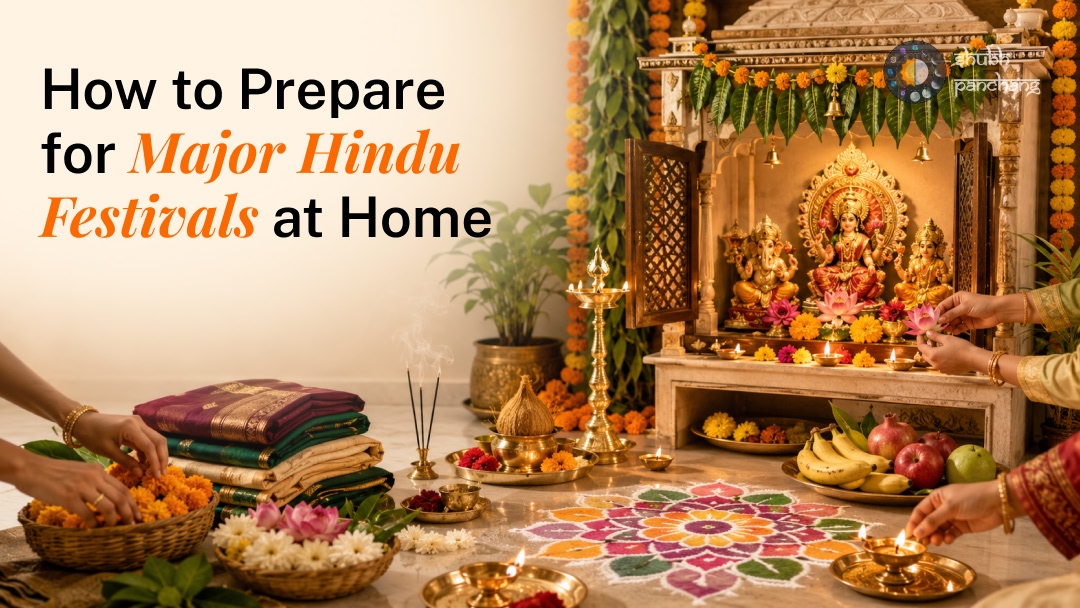
Beginners should start by identifying the correct date and time for the fast by consulting a reliable Panchang based on Drik Ganit. Because Hindu lunar dates, known as Tithis, do not perfectly align with the 24-hour Gregorian day, it is essential to check the Udaya Tithi (the Tithi present at sunrise) to determine the fasting day. Proper preparation also involves understanding the specific requirements of the chosen Vrat, such as whether it requires specific offerings or if there are particular timings for the puja. Mentally, one should approach the day with a sense of calm and gather necessary items like incense, lamps, fresh fruits, and the relevant Vrat-kathas text beforehand to ensure the rituals proceed without interruption.
Step-by-Step Rituals: Sankalp and Puja Vidhi
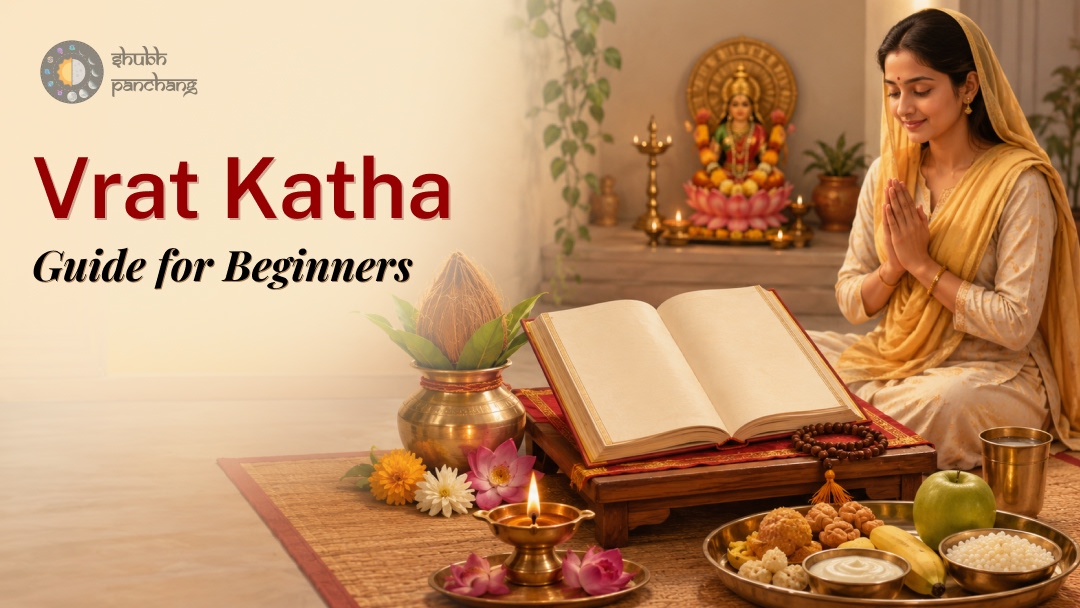
The most critical step in starting any Hindu fast is the Sankalp, which is a formal spiritual vow taken in the morning. After a ritual bath (Snan) and wearing clean clothes, the devotee holds a small amount of water and sacred rice (Akshat) in their right hand while reciting their name, the location, and the specific intention of the fast. This act transforms the fast from a mere dietary change into a dedicated spiritual practice. Following the Sankalp, the home altar or temple area is cleaned, a Diya is lit, and the primary deity of the day is worshipped with mantras and offerings. Reading or listening to the Vrat Katha is a central part of this process, as it focuses the mind on the deity's virtues and the lessons inherent in the tradition.
Popular Vrats and Different Fasting Methods
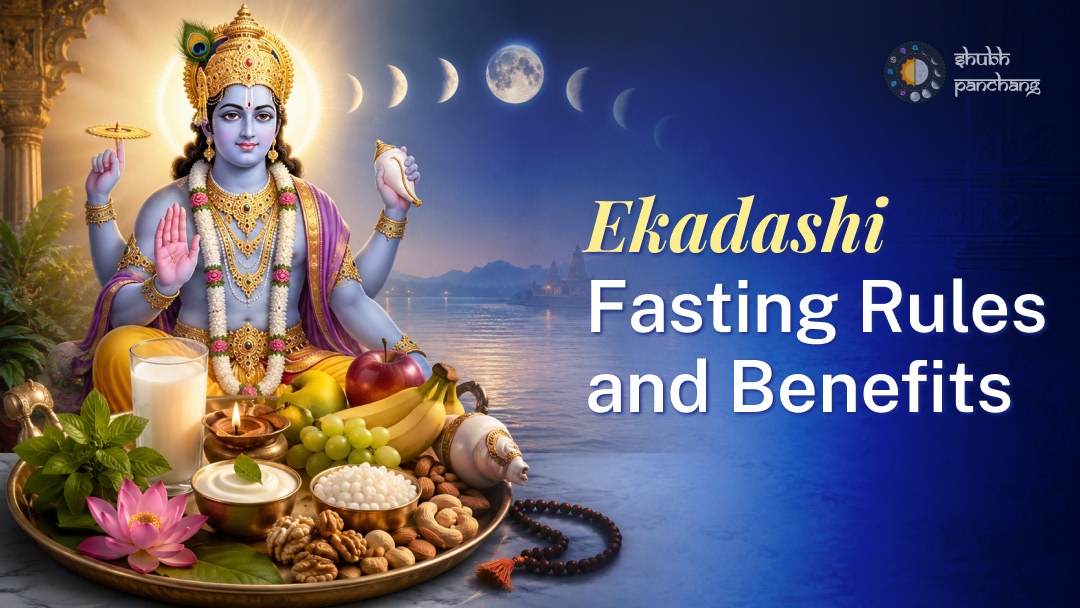
There are numerous Vrats in the Hindu calendar, each with its own set of rules and significance. For beginners, popular choices include Ekadashi (observed on the 11th day of each lunar fortnight), Sankashti Chaturthi for Lord Ganesha, or the monthly Pradosh Vrat for Lord Shiva. Fasting methods vary based on health and capacity: Nirjala involves total abstinence from food and water, Phalahar allows for fruits and milk, and partial fasts might involve eating one Sattvic meal after sunset. It is always recommended for beginners to start with a less rigorous method, such as a fruit-based fast, and gradually progress as they become more comfortable with the discipline required by the Nirnaya Sindhu and other classical guidelines.
Sattvic Nutrition and the Ayurvedic View
Hindu fasting emphasizes a Sattvic diet, which consists of pure, light, and easily digestible foods that help maintain mental clarity. During a fast, grains, pulses, onions, garlic, and heavy spices are generally avoided. Instead, ingredients like Sabudana (tapioca), Singhara (water chestnut) flour, milk, yogurt, and nuts are consumed. From an Ayurvedic perspective, periodic fasting is known as Langhana, which aids in Amapachana (the clearance of metabolic toxins). By giving the digestive system a rest, the body can divert energy toward healing and rejuvenation. This biological reset complements the spiritual goal of purification, ensuring that both the mind and body are in a state of balance during the period of devotion.
Common Mistakes to Avoid During Fasting
A frequent mistake among beginners is focusing solely on the physical act of not eating while ignoring the spiritual and mental aspects of the Vrat. It is important to avoid anger, gossip, or negative thoughts, as these are said to diminish the spiritual fruits of the fast. Additionally, beginners should be careful not to overeat immediately before or after the fast, which can lead to digestive distress. Another common error is missing the Parana (the specific window for breaking the fast), which is often calculated with precision in the Panchang. Following the scriptural rules for breaking the fast is just as important as the fast itself to ensure the cycle of the vow is completed correctly according to traditional texts like the Brihat Samhita.
Connecting with Devotion through Sacred Stories
The inclusion of Vrat Kathas in the fasting ritual is not merely for entertainment but to provide a spiritual framework for the devotee's efforts. These stories often feature characters who faced great adversity and overcame it through unwavering faith and the observance of a Vrat. By reflecting on these narratives, beginners can find the inspiration to maintain their discipline even when the fast becomes physically challenging. In modern life, these stories serve as a bridge to ancestral wisdom, teaching values of patience, honesty, and humility. Approaching a Vrat with sincerity and a focus on the moral lessons of the Vrat-kathas ensures that the practice remains a meaningful journey of self-discovery and inner peace.