






Introduction to the Festival:
Bhim Ekadashi, also known as Pandava Ekadashi or Nirjala Ekadashi in some traditions, is an important Hindu fasting day observed on the 11th day (Ekadashi) of the bright fortnight (Shukla Paksha) of the Jyeshtha month. This Ekadashi is considered one of the most significant among all Ekadashis. It is believed that by observing this fast, one can attain the benefits of all 24 Ekadashi fasts throughout the year.
Story of Bhim Ekadashi:
The story of Bhim Ekadashi is associated with Bhima, one of the Pandavas from the Mahabharata. Bhima, being known for his immense appetite, found it impossible to observe regular fasts on all Ekadashis. He approached Sage Vyasa, expressing his dilemma and fear of disrespecting Lord Vishnu by not observing any Ekadashi fasts. Sage Vyasa then advised him to observe the Nirjala Ekadashi fast (a fast without water) on the Jyeshtha Shukla Ekadashi. Vyasa assured Bhima that by observing this single, extremely difficult fast, he would gain the merits of observing all 24 Ekadashi fasts in a year. Bhima successfully observed this challenging fast, and thus, this Ekadashi became known as Bhim Ekadashi or Pandava Ekadashi, highlighting the importance of even one rigorous act of devotion.
Why This Festival is Celebrated:
Bhim Ekadashi is observed to seek the blessings of Lord Vishnu, atone for sins, and attain spiritual merit. For those unable to observe all Ekadashi fasts, observing Bhim Ekadashi with full devotion is believed to fulfill the spiritual requirements and bring prosperity, happiness, and liberation (moksha).
Main Traditions of the Festival:
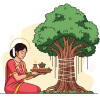
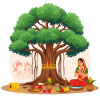
Nirjala Vrat (Fast without Water): Devotees observe a strict fast without consuming any food or water for 24 hours. This is the most defining characteristic of Bhim Ekadashi.
Worship of Lord Vishnu: Special pujas and prayers are offered to Lord Vishnu, often accompanied by chanting mantras like "Om Namo Bhagavate Vasudevaya."
Recitation and Listening to Vrat Katha: Devotees recite or listen to the story of Bhim Ekadashi (Vrat Katha) to understand its significance and spiritual benefits.
Donations (Daan): After breaking the fast on Dwadashi (the day after Ekadashi), devotees often donate water, grains, clothes, and other necessities to Brahmins and the needy.
Importance of the Festival:
Bhim Ekadashi holds immense spiritual importance, offering a path to accumulate great religious merit through one dedicated act of fasting. It emphasizes the power of devotion and self-control. This festival reinforces faith in Lord Vishnu and provides an opportunity for spiritual cleansing and seeking divine blessings for well-being and salvation. It serves as a reminder that even challenging spiritual practices can lead to profound benefits.