
Overview
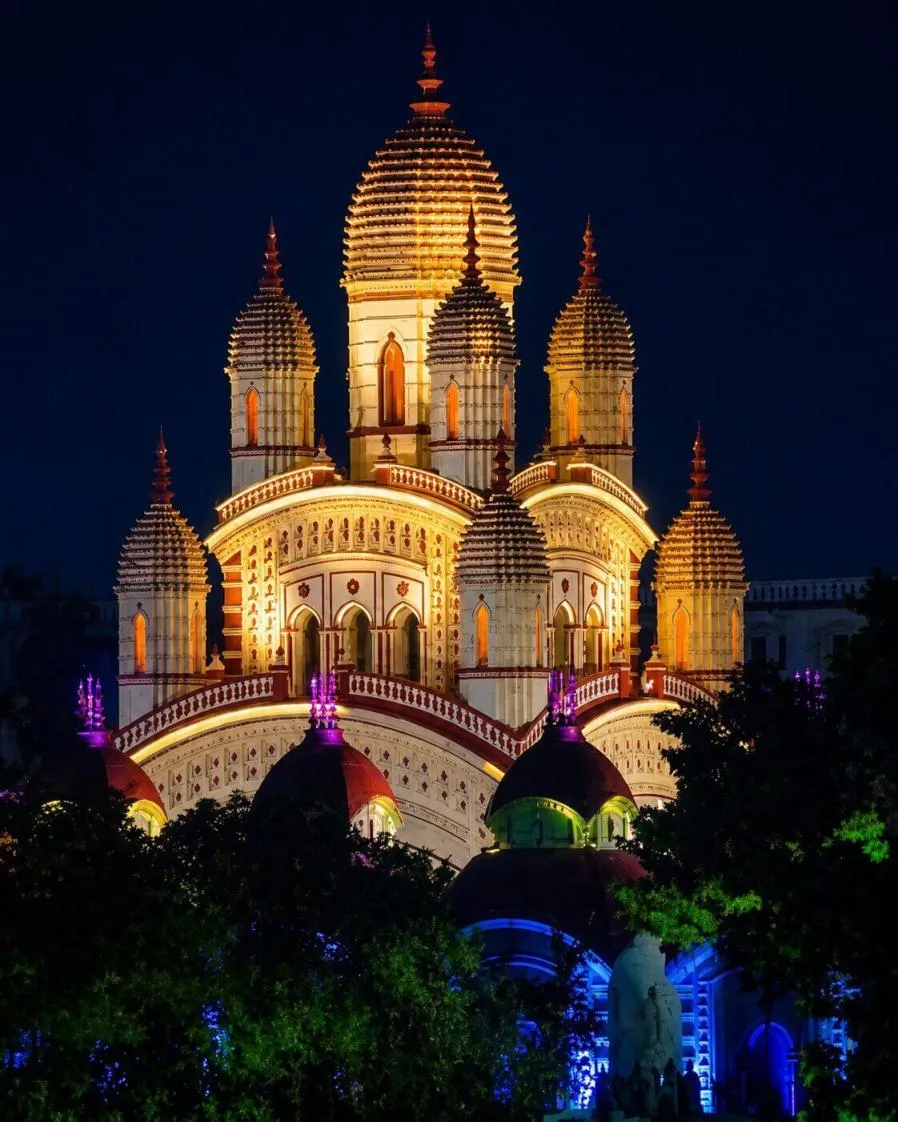
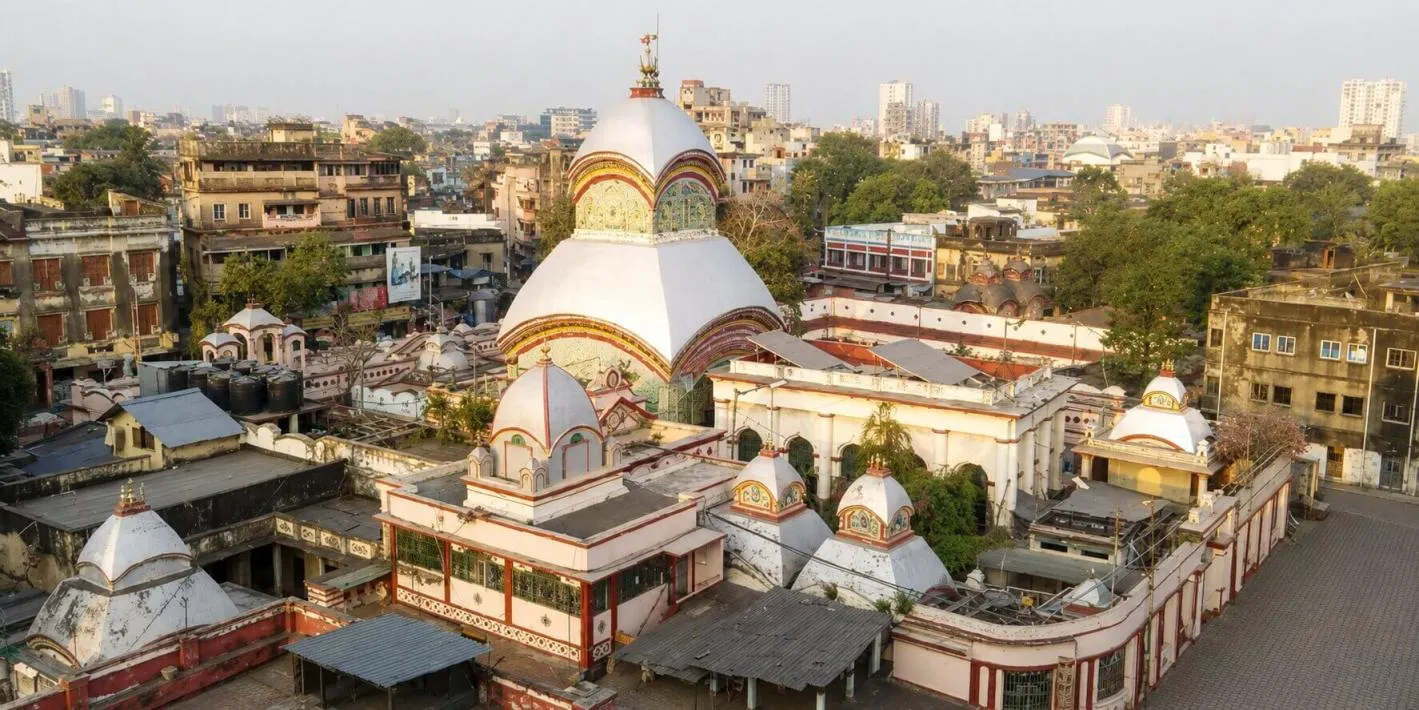
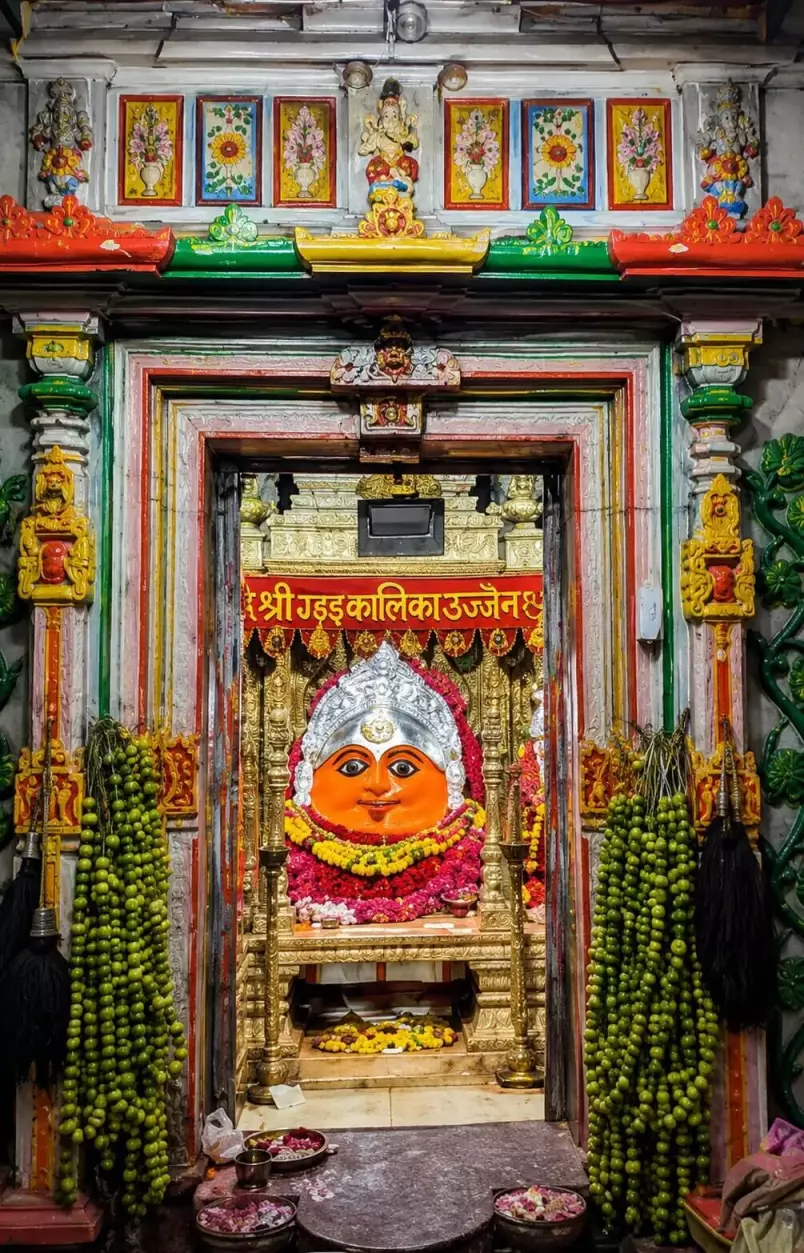
Haat Kalika Temple is located in Gangolihat, a town in the Pithoragarh district of Uttarakhand. The presiding deity is Maa Kali, worshipped in the temple as Mahakali. Temple tradition places its standing alongside the Kali Temple in Kolkata, and the Kumaon Regiment of the Indian Army treats Goddess Haat Kalika as its patron deity, a distinction that sets this shrine apart from most other Kali temples in the state. According to tradition, the temple is counted among the Shaktipeeths, seats linked to the worship of Shakti, the goddess's power.
Legend & Mythology
According to the Manaskhanda section of the Skanda Purana, a demon named Sumya once overpowered the gods in the Gangolihat region. Unable to defeat him, the gods gathered on Shail Parvat and prayed to the goddess for help. Goddess Durga is said to have answered by taking the form of Mahakali and killing Sumya, and worship of Mahakali at this spot is traced to that event. Some accounts extend the story further, holding that Mahakali also slew the demons Mahishasura and Raktabija here.
A second strand of tradition describes the site before the temple was properly established: Maa Kali would call out to Lord Mahadev at night, and anyone who heard her voice was said to die soon after, so people avoided passing the place after dark. Adi Guru Shankaracharya, regarded by tradition as an incarnation of Lord Shiva, is said to have pacified the goddess through tantric mantras, a fixed sequence of ritual chants, and restored worship at the temple.
A further tradition connects the goddess to military history: invoking the name of Goddess Haat Kalika is believed to have saved a group of Kumaon soldiers when their ship began sinking, an account credited with deepening the regiment's devotion to the goddess.
Two further beliefs are tied to the goddess's presence at the temple: priests reportedly find impressions on a bed made up each evening, taken as a sign that Mahakali rests there through the night, and it is believed that wishes made to her at the shrine are fulfilled.
Historical Journey
Temple accounts trace the site's history to the Skanda Purana, a text tradition dates to roughly 5,000 years ago, which describes the deity of Darukavan, identified with present-day Gangolihat, in its Manaskhanda section. The temple's re-establishment is credited to Adi Guru Shankaracharya in the late 6th century; tradition holds that he selected this location for a Shaktipeeth and reinstated worship at Haat Kalika, after which the site grew in prominence. Locals recount that in 1971, during the war with Pakistan, Subedar Sher Singh of the Kumaon Regiment, a Gangolihat resident, installed the idol of Mahakali currently in the temple.
Architecture & Sacred Geography
The temple is situated in Gangolihat, 57 kilometres from Pithoragarh town, in a stand of deodar trees, a Himalayan cedar. Visitors descend a flight of steps from the road to reach the temple. The pedestrian approach is covered with tin roofing, and bells are hung at various points along the path. The main sanctum houses the image of Goddess Kali, and a separate area within the temple grounds is set aside for animal sacrifice. Several ashrams have been built near the temple complex.
Devotee Experience
Devotees at Haat Kalika Temple offer goats and rams as sacrifices to the goddess in fulfilment of vows, a practice associated with certain Shakti shrines in the Himalayan region. Soldiers of the Kumaon Regiment visit before departing for war to seek blessings, and offerings placed before the deity include coconuts, fruits, sarees, bangles, sweets, and lemons. As with most Kali temples, Navratri, a nine-night festival honouring the goddess in her various forms, draws larger numbers of visitors than usual. Darshan, the act of viewing and being seen by the deity, generally follows the same sequence as at other Shakti temples: entry, offering, and a moment before the sanctum.
Timings
Timings can vary by season and special occasions - confirm locally before travelling.
Offerings
Devotees bring coconuts, fruits, sarees, bangles, sweets, and lemons, among other items, to the Haat Kalika Temple.
Getting there
Haat Kalika Temple, Gangolihat, Uttarakhand
Kathgodam Railway Station → Haat Kalika Temple(By train)
210 kmfrom Kathgodam Railway Station
Kathgodam has train connections to major cities including Delhi and Mumbai. Onward travel from the station to the temple is by taxi or bus.
500 kmfrom Pithoragarh Town / Bus Stand
The distance from Delhi is approximately 500 km. Buses connect Pithoragarh district to cities such as Delhi. From Pithoragarh, local transport continues to the temple.