
Overview
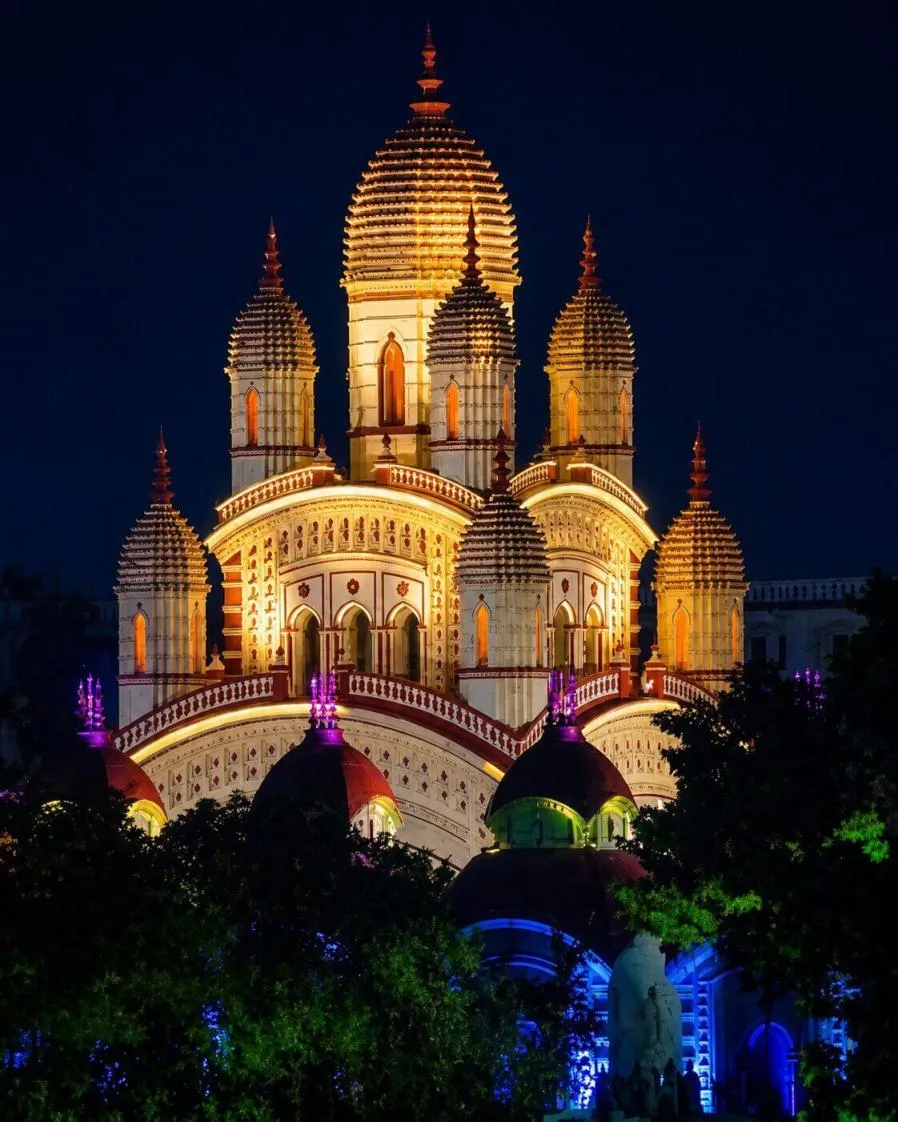
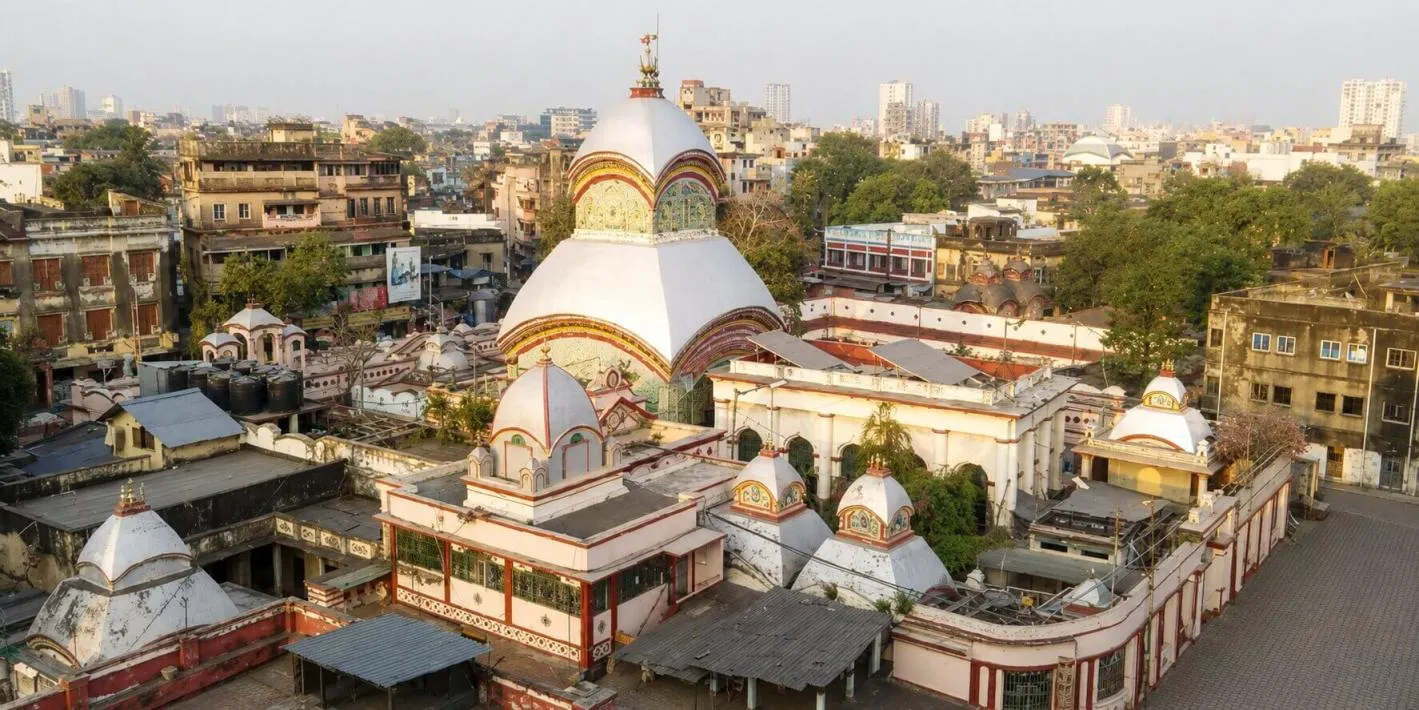
Garhkalika Temple stands in Ujjain, Madhya Pradesh, and is dedicated to the goddess Kali, worshipped here as Garh Kalika. The shrine is named among the twenty-four mother goddesses recorded in the Skanda Purana, a Sanskrit text describing Hindu pilgrimage sites. What sets it apart is its long association with the Sanskrit poet Kalidasa and the daily Kakada Aarti, after which devotees queue for darshan from around 2:30 AM. Garhkalika Temple is counted among Ujjain's Shakti temples, shrines dedicated to the goddess in her form as divine power.
Legend & Mythology
Temple tradition preserves two distinct stories about the site. The first centers on Kalidasa, who is remembered as a devoted worshipper of the goddess here. He is credited with composing the "Shyamala Dandak," a hymn addressed to Goddess Mahakali, and according to tradition, he recited it for the first time within these temple grounds. Each year, before the Kalidasa Festival held in his honor, devotees gather to worship the goddess at the same spot.
The second story traces back to the Ramayana. Temple accounts hold that Lord Ram, on his way back after defeating Ravana, halted near the Rudrasagar lake close to this site. During that stop, a battle is said to have unfolded at night between Goddess Kalika and Hanuman. In the course of the fight, part of the goddess reportedly fell at this location, and tradition holds that this event is why the site became known as Gadhkalika.
Historical Journey
Excavations carried out by the Department of Archaeology near the temple uncovered bricks, pottery, and sculptures, findings that place the site's origins at roughly 500 BC. Some historians link the temple to the Mahabharata period, though temple tradition dates the original idol itself to the Satya Yuga, the first of the four ages in Hindu chronology. Records credit Emperor Harshavardhan with an early renovation of the temple, and during the princely state era, the Maharaja of Gwalior carried out a further reconstruction. The temple has remained an active site of worship through these successive rebuilds.
Architecture & Sacred Geography
Additional restoration is documented from the Paramara period, and the Sindhia dynasty later contributed to rebuilding the temple as well. In the 9th century, Emperor Harsha Vikramaditya is also recorded as having taken part in a renovation. The name Gadhkalika comes from the site's location at a place called "Gadh," combined with the goddess's name, Kalika. Within the temple premises stands a pillar holding 108 lamps, lit during Navratri, the nine-night festival honoring the goddess.
Devotee Experience
The temple's central ritual is the Kakada Aarti, performed in the early morning hours. According to tradition, the goddess appears in her child form immediately afterward, and devotees begin arriving for darshan from around 2:30 AM to witness this moment. Prasad offered here includes halwa, kheer-puri, Puran Poli, dal, rice, and roti with vegetable sabzi. Navratri is the busiest period at the temple, when the 108-lamp pillar is lit each night of the festival. As at most Shakti temples, visitors are generally expected to remove footwear and dress modestly before entering the sanctum.
Timings
Timings can vary by season and special occasions - confirm locally before travelling.
Offerings
Prasad offered to Goddess Kalika includes halwa and kheer-puri. Devotees also offer Puran Poli, dal, rice, and roti with vegetable sabzi.
Getting there
Garhkalika Temple, Ujjain, Madhya Pradesh
Ujjain Railway Station → Garhkalika Temple(By train)
3 kmfrom Ujjain Railway Station
Buses and auto-rickshaws operate from the station for the ride to the temple.
3.5 kmfrom Ujjain Malipur Bus Stand
State-run and private buses link Ujjain with major towns and cities across Madhya Pradesh.
65 kmfrom Devi Ahilya Bai Holkar Airport, Indore
Buses and auto-rickshaws are available outside the airport for the trip to the temple.