






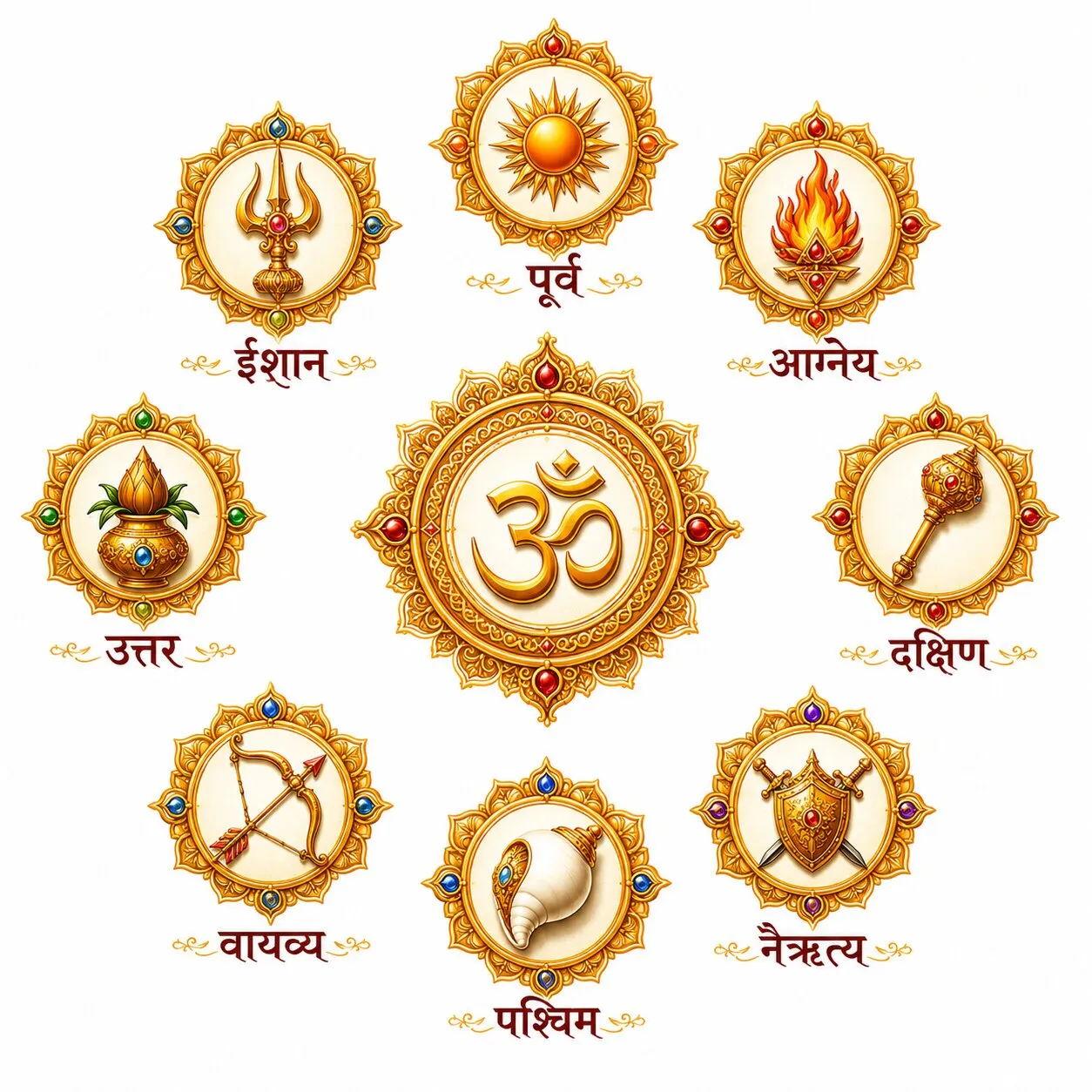
What is a direction?
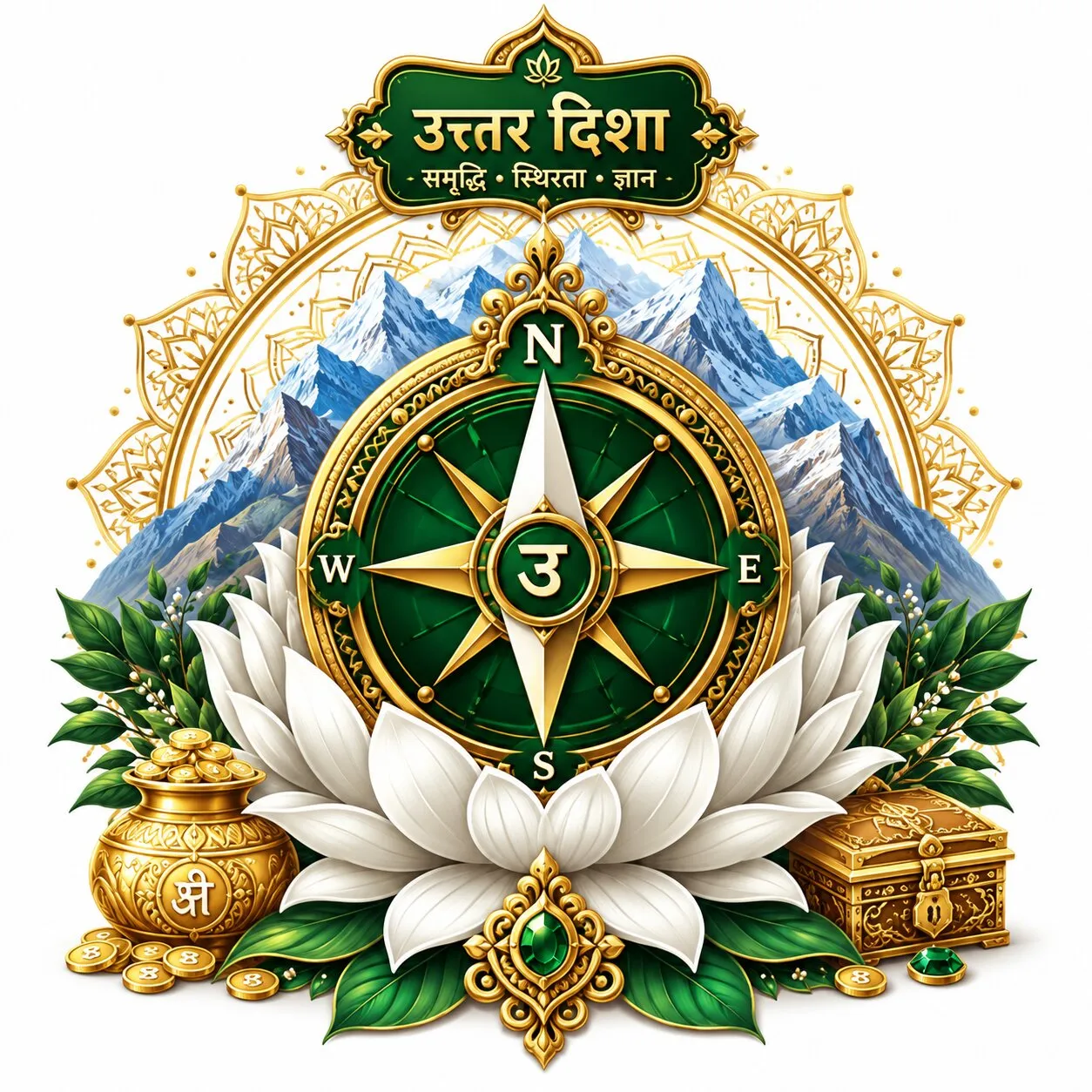
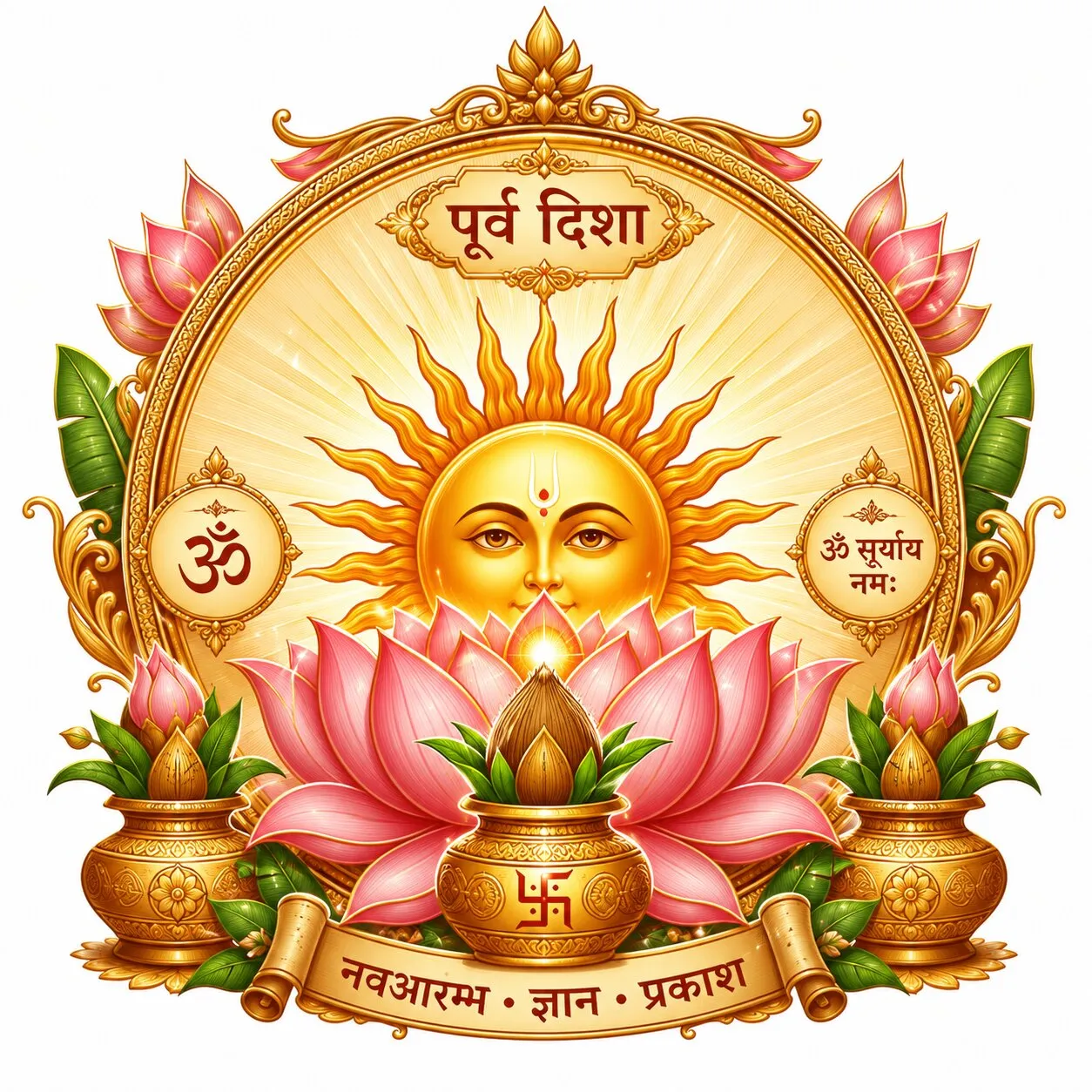
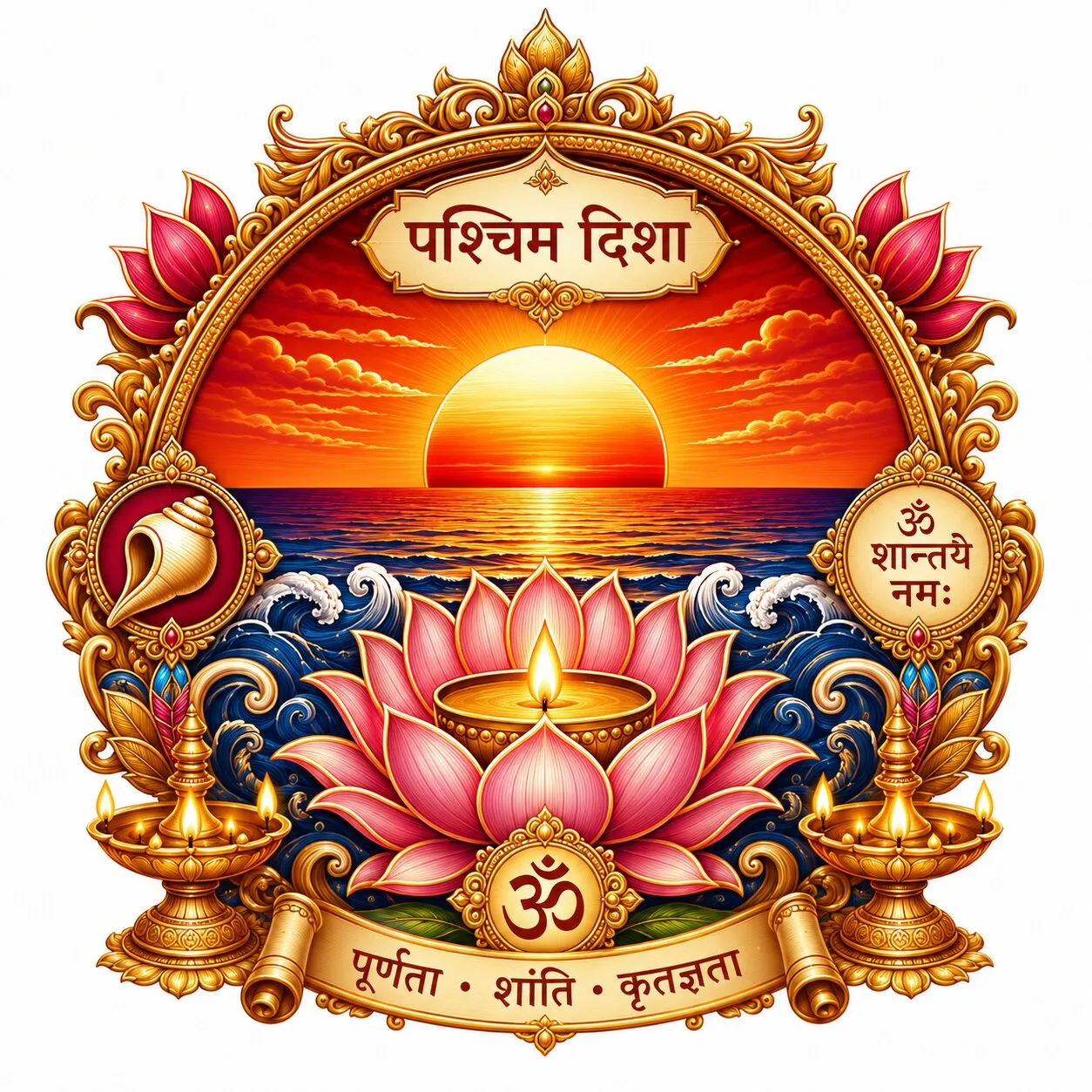
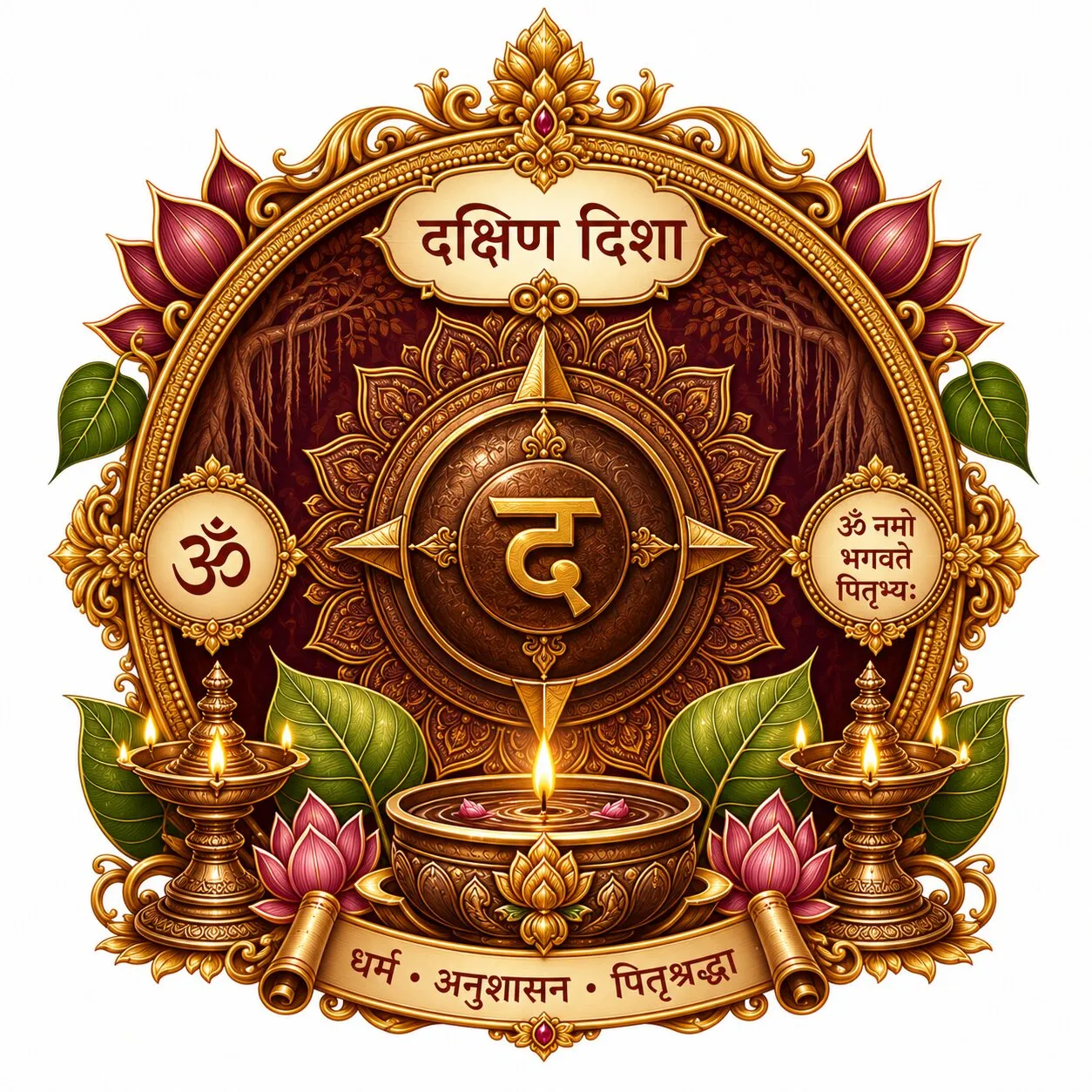
Directions have special significance in Hinduism, Vastu Shastra and Vedic tradition. "Disha" means the direction of a place or movement, which is not limited to geographical guidance but also has spiritual, religious and energetic significance. According to ancient Indian knowledge, each direction of the universe is associated with a specific deity, element and power. Due to this, directions are taken into account in the construction of temples, home planning, worship, yagna and other auspicious works.
According to Vastu Shastra, following the right direction increases happiness, peace, prosperity and the flow of positive energy in life. Hindu tradition describes eight main directions, which include the four cardinal directions and the four corner directions. Each direction has its own specific religious and spiritual significance.
Eight cardinal directions
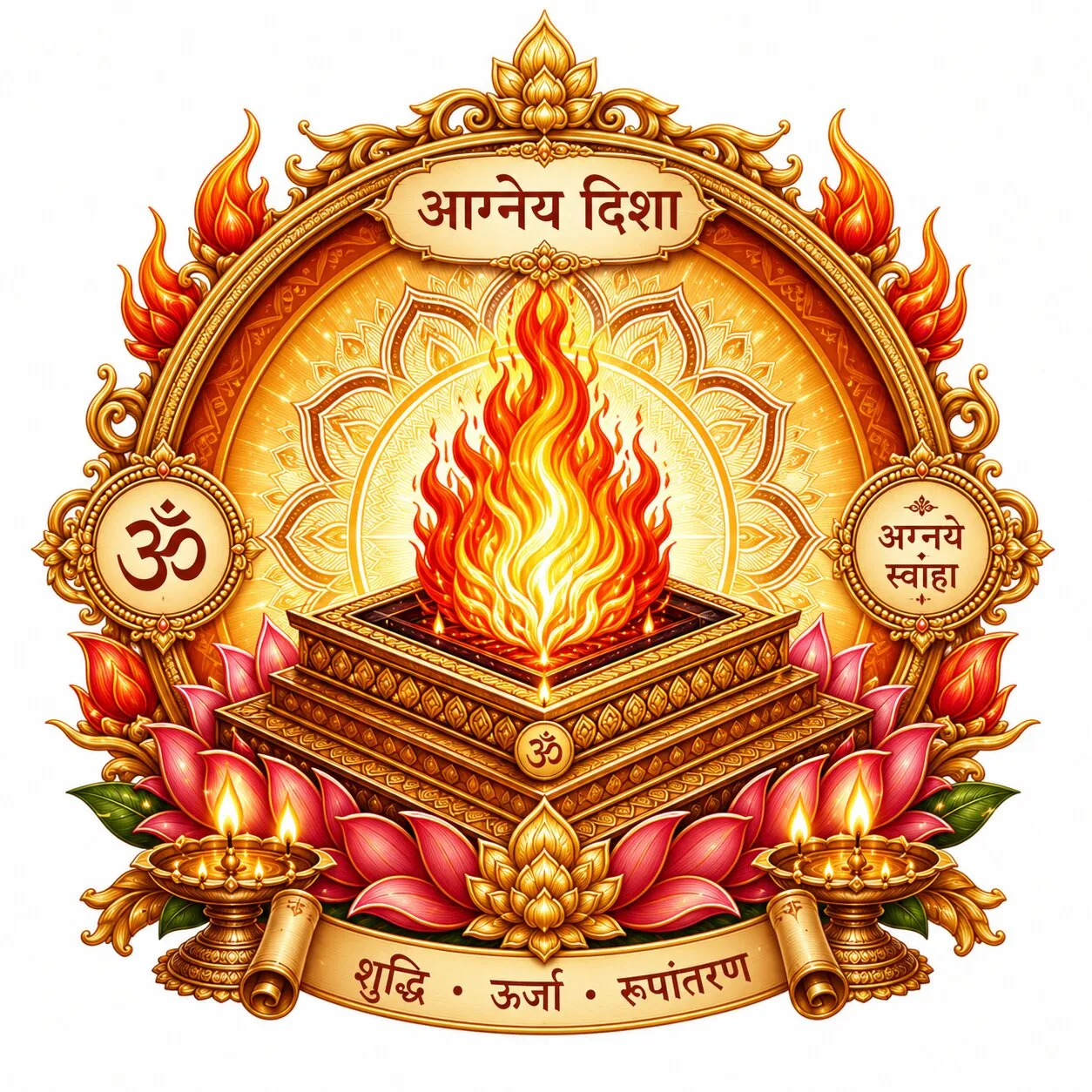
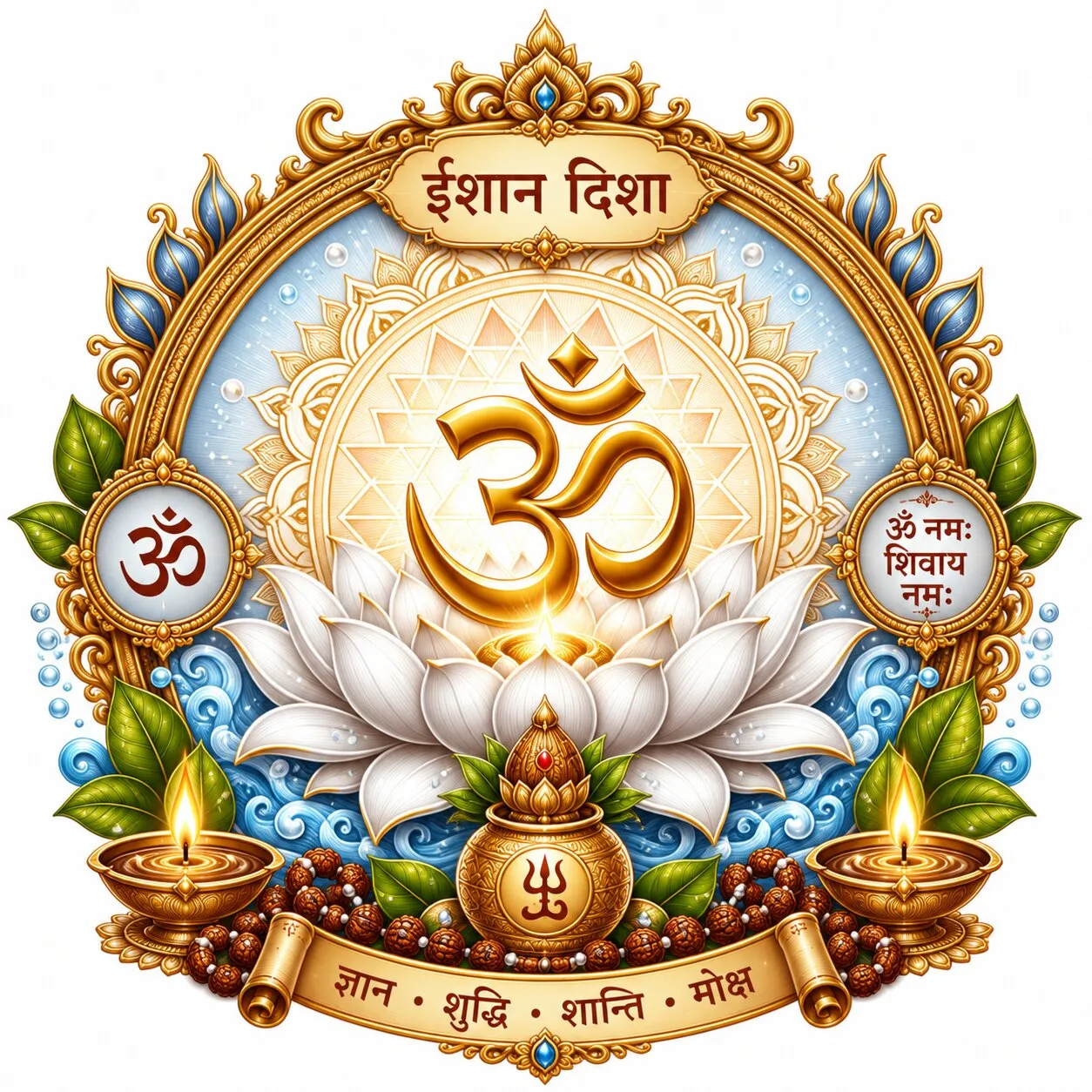
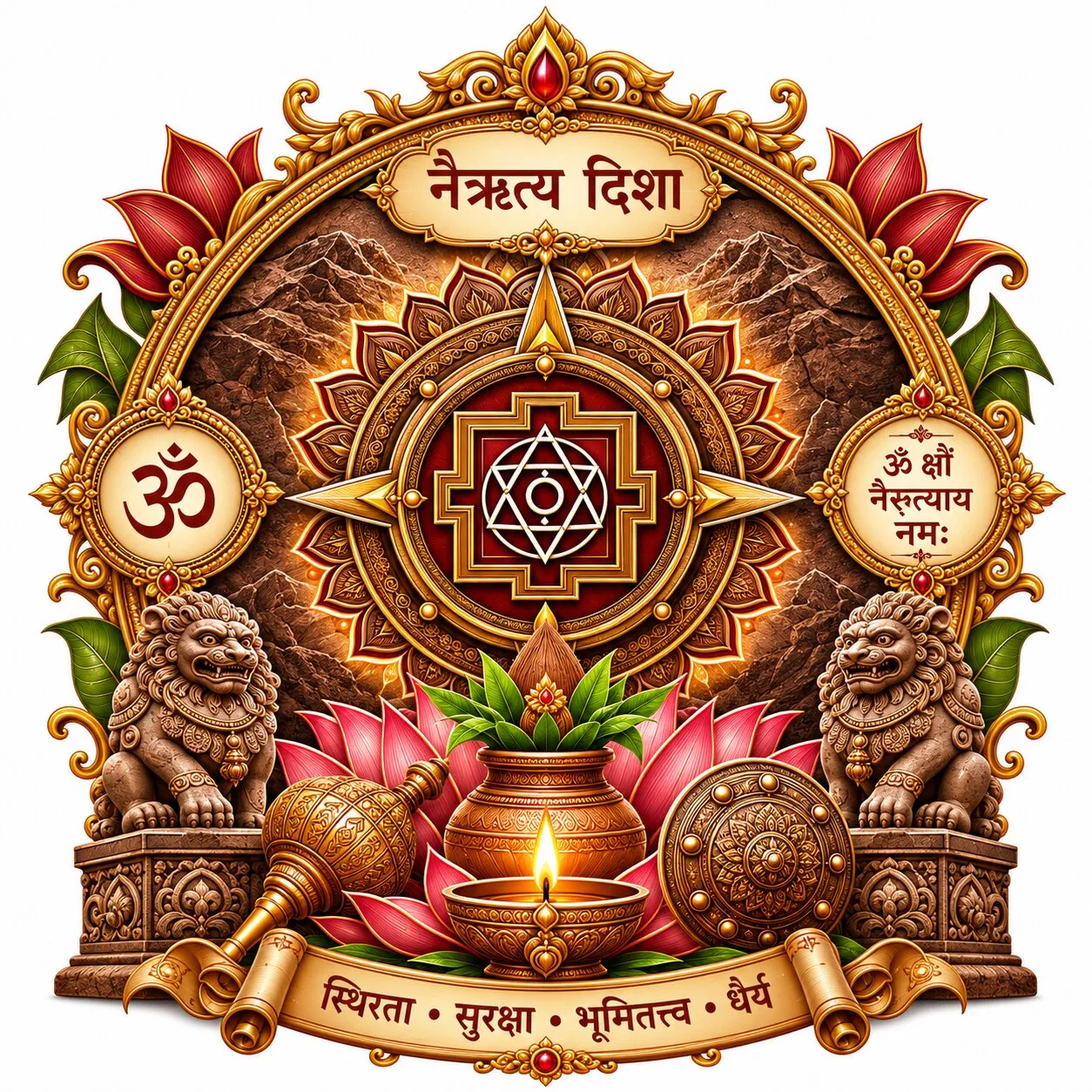
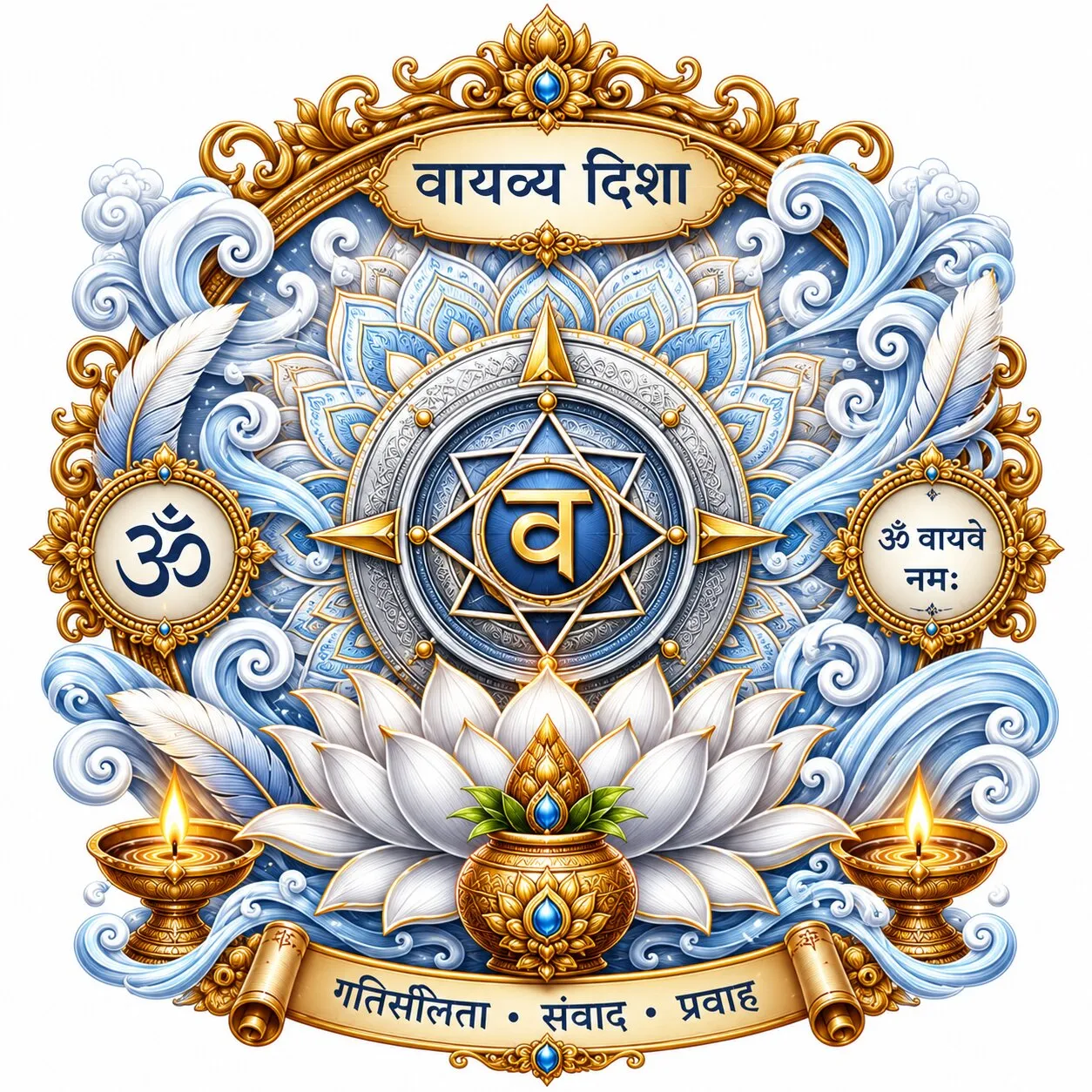
East, West, North, South, Ishan (north-east), Agni (south-east), Nairutya (south-west) and Vyavya (north-west) are considered to be the eight cardinal directions of the Hindu tradition.
Religious significance of directions
In Hinduism, directions are not just geographical references but are symbols of divine powers and the energy of the universe. Directions are considered to have special significance in Yajna, Puja, temple establishment, Vastu and various religious rituals. Each direction is described in the scriptures as being associated with some deity and element.
Conclusion
Directions are an important part of Hinduism, Vastu Shastra and Vedic tradition. The eight directions from East to Northwest represent different aspects of life, energies and spiritual principles. Knowledge of directions is considered important not only from a religious point of view but also for maintaining balance, happiness and positivity in life.