








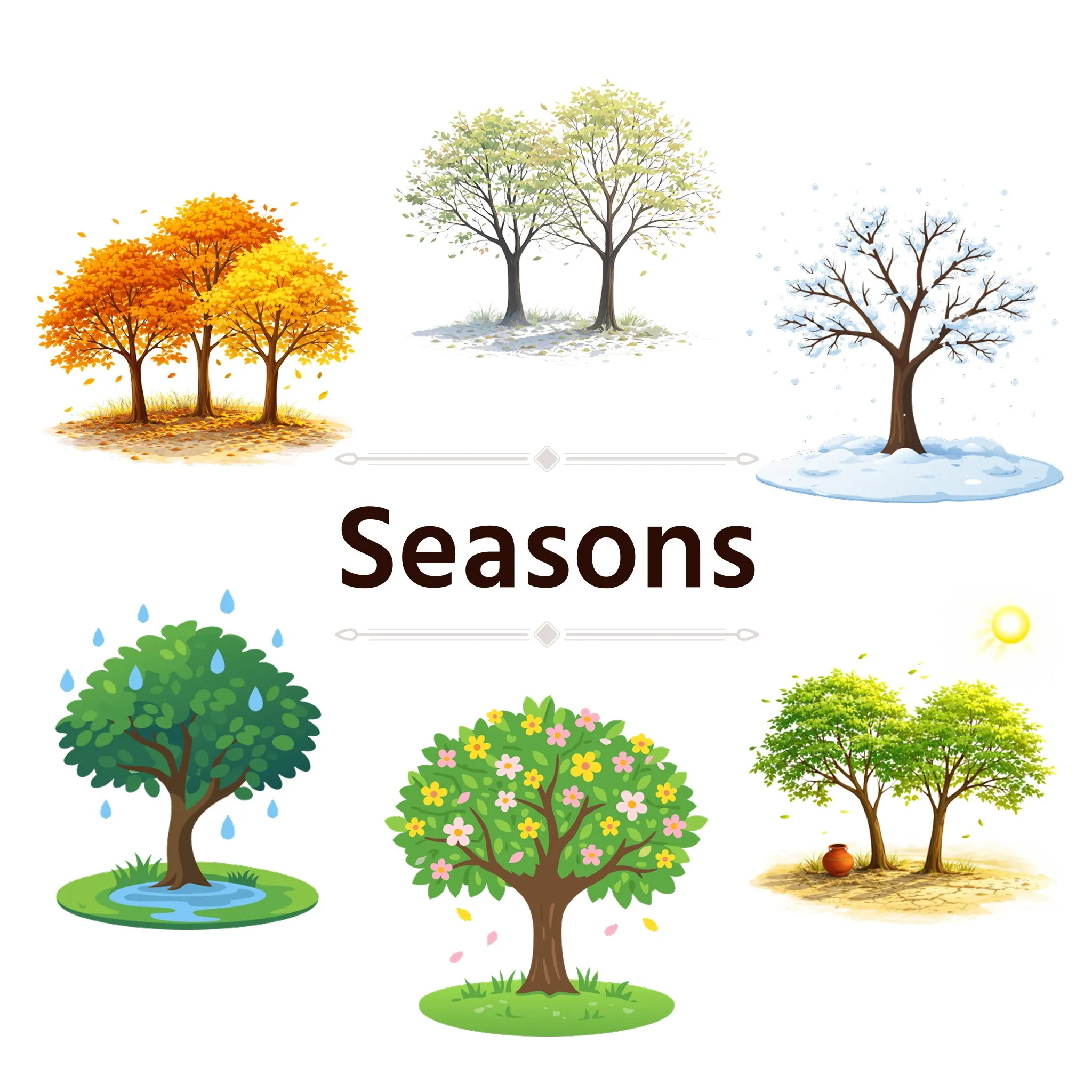
What are the Hindu seasons?
In the Hindu calendar, the year is divided not only into months but also into seasons. A "season" is a specific period of time that occurs according to the cycle of nature, in which special changes are seen in weather, temperature, vegetation and environment. Seasons have special importance in Indian culture and Vedic tradition, as many traditions of agriculture, festivals, Ayurveda and daily life are linked to the seasons.
According to the Hindu calendar, the entire year is divided into six main seasons. Each season consists of two Hindu months. These seasons show the continuous change of nature and give the message of living human life in harmony with nature.
The 6 main seasons of Hinduism
Spring, Summer, Autumn, Winter, Autumn and Winter – these are the six main seasons of the Hindu calendar.
Seasons and Hindu Months
Spring (Chaitra, Vaishakh), Summer (Jeth, Ashadh), Autumn (Shravan, Bhadravo), Autumn (Aaso, Kartik), Winter (Magshar, Posh) and Winter (Maha, Phagun) – this is how the seasons and months of the Hindu year are divided.
Importance of Seasons in Hindu Culture
In Hinduism, seasons are not limited to just the changes in weather, but are also closely linked to festivals, vows, sacrifices and religious rituals. Festivals celebrated in different seasons show gratitude towards nature and balance in life. Ayurveda also emphasizes the special importance of diet and lifestyle according to the seasons.
Seasons and Nature
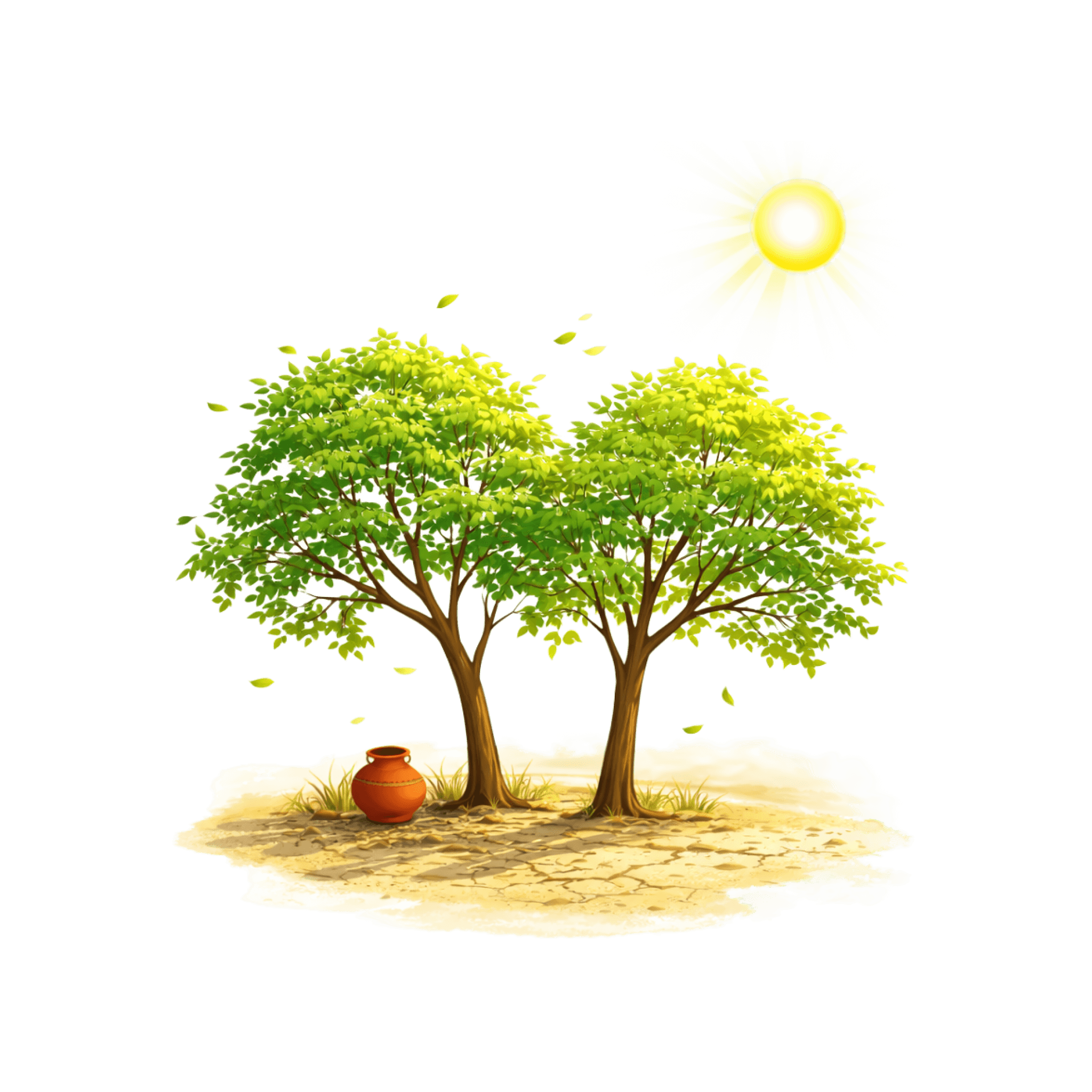
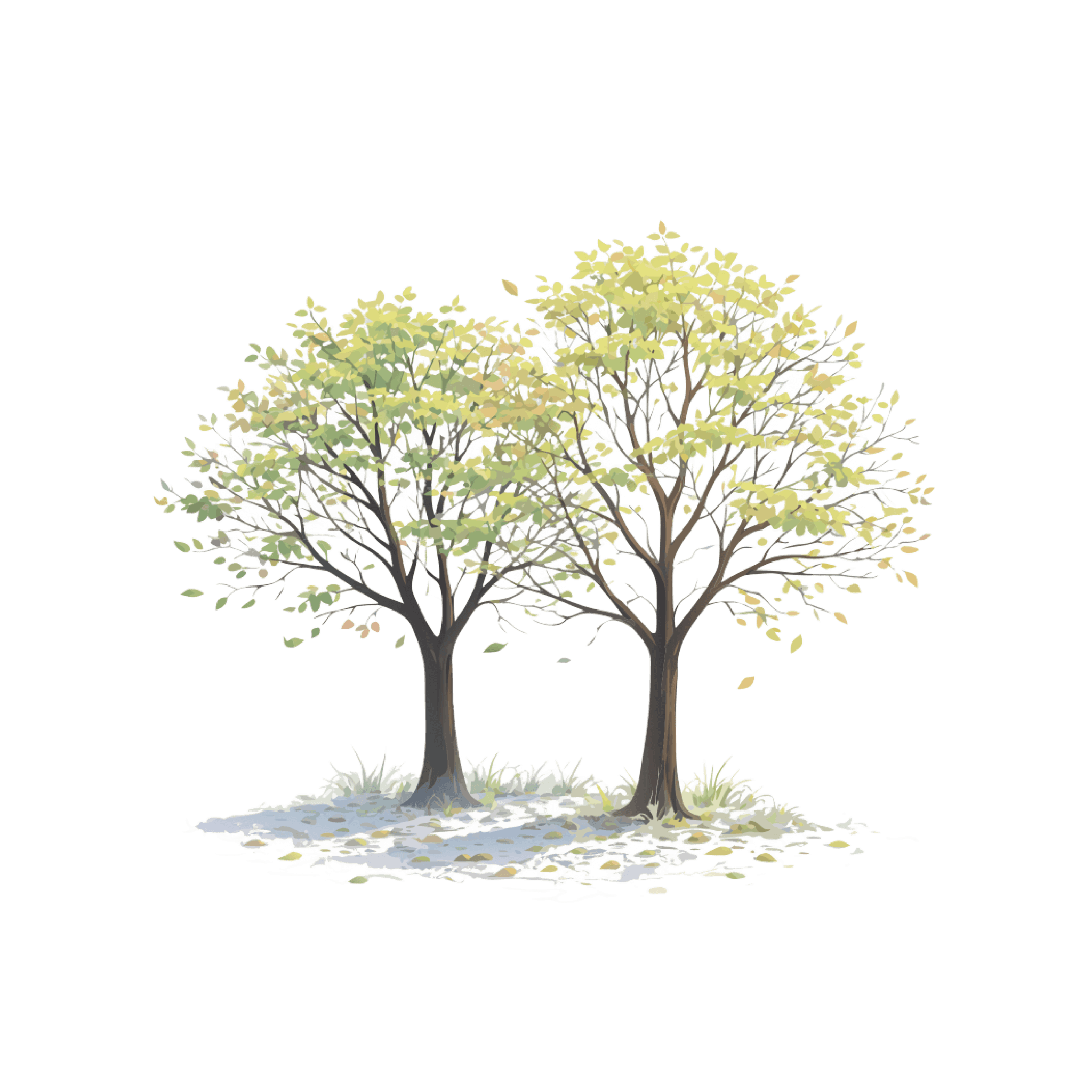
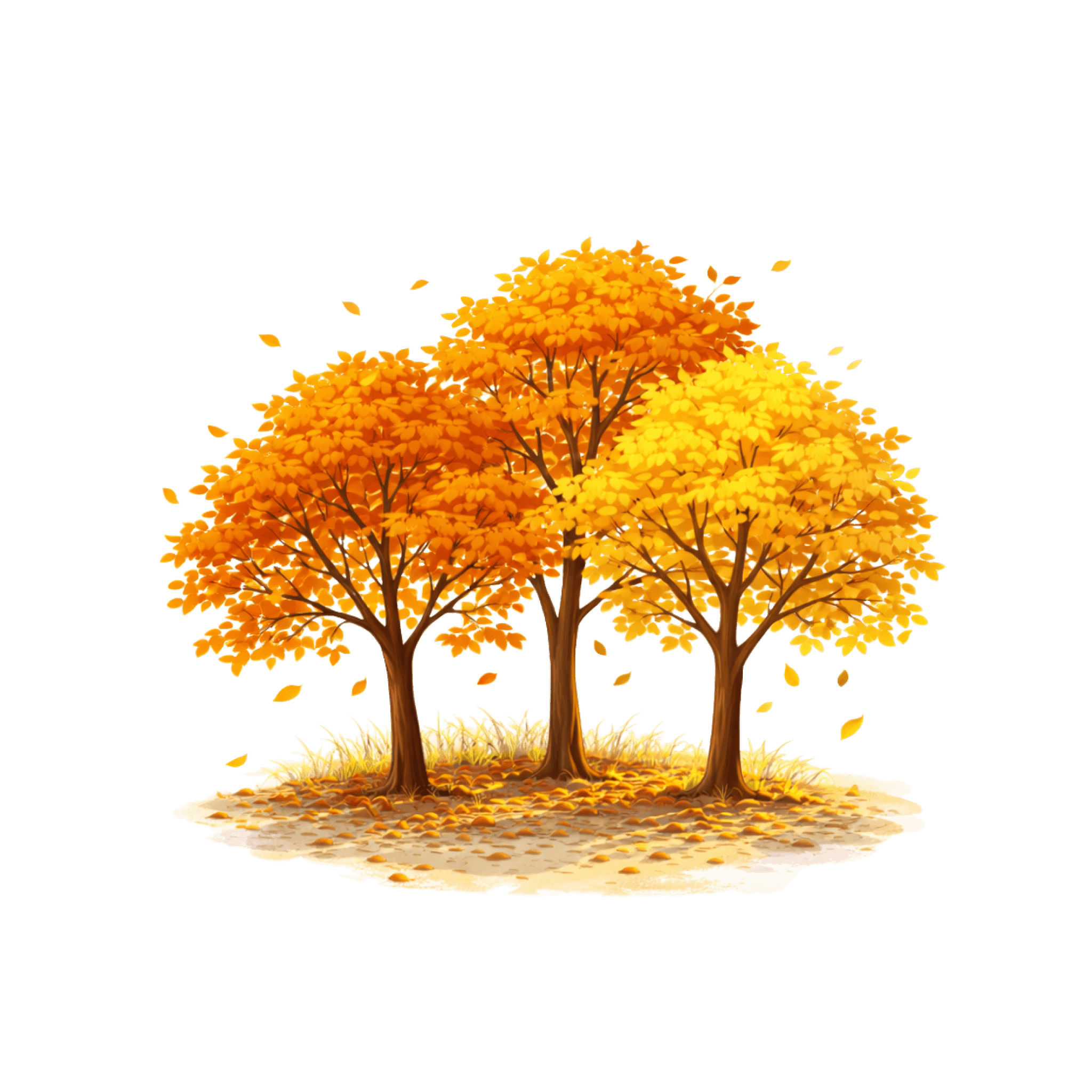
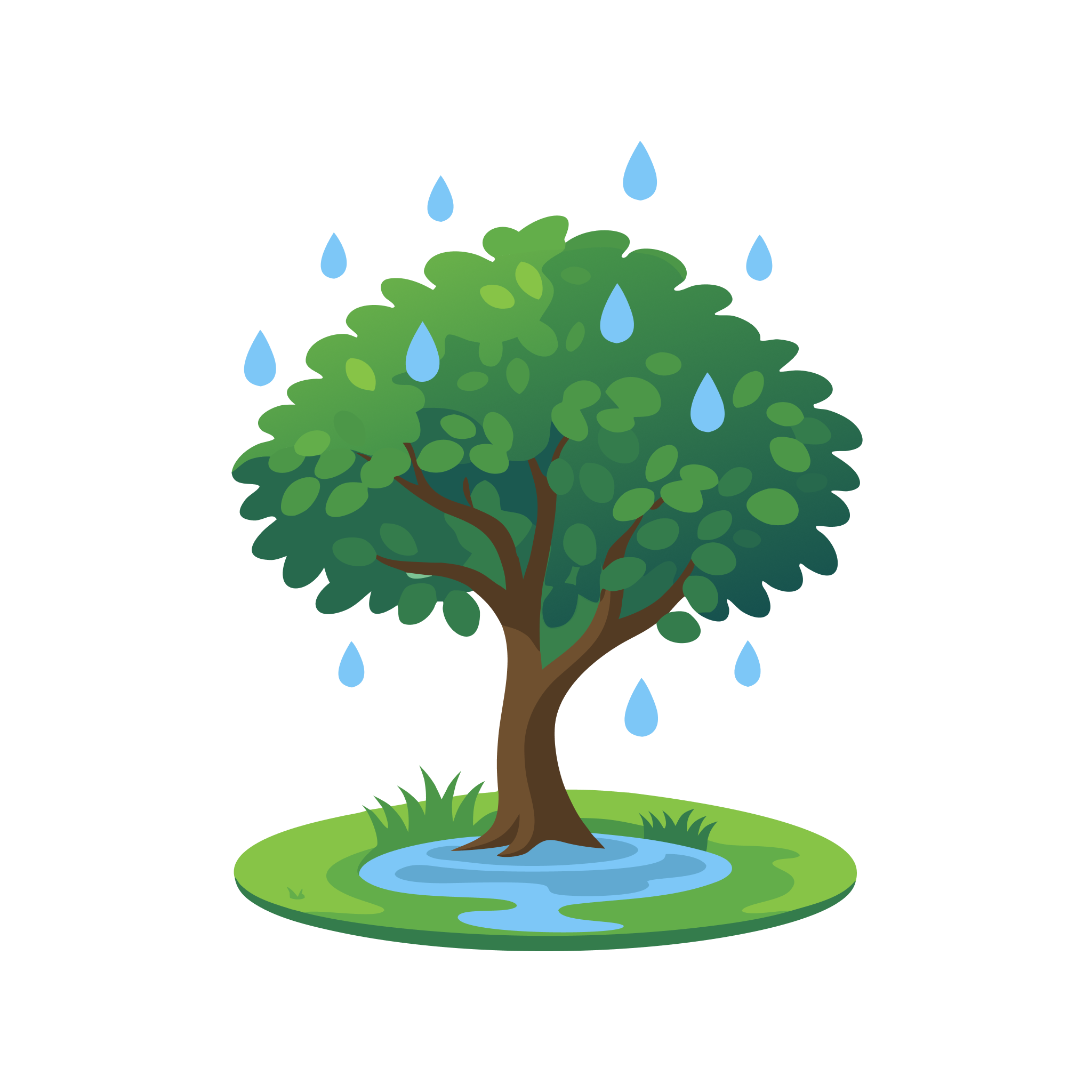
The Indian seasonal cycle beautifully depicts the changes in nature. New shoots sprout in spring, heat increases in summer, rain falls in monsoon, the sky becomes clear in autumn, cold begins in winter and winter reaches its peak in winter.
Conclusion
Hindu seasons are an integral part of Indian life, culture and Vedic tradition. The ancient system of dividing the year into six seasons reflects the close relationship between nature and human life. The Hindu season cycle is not just a division of time, but also conveys the Vedic message of living in harmony with nature.