

































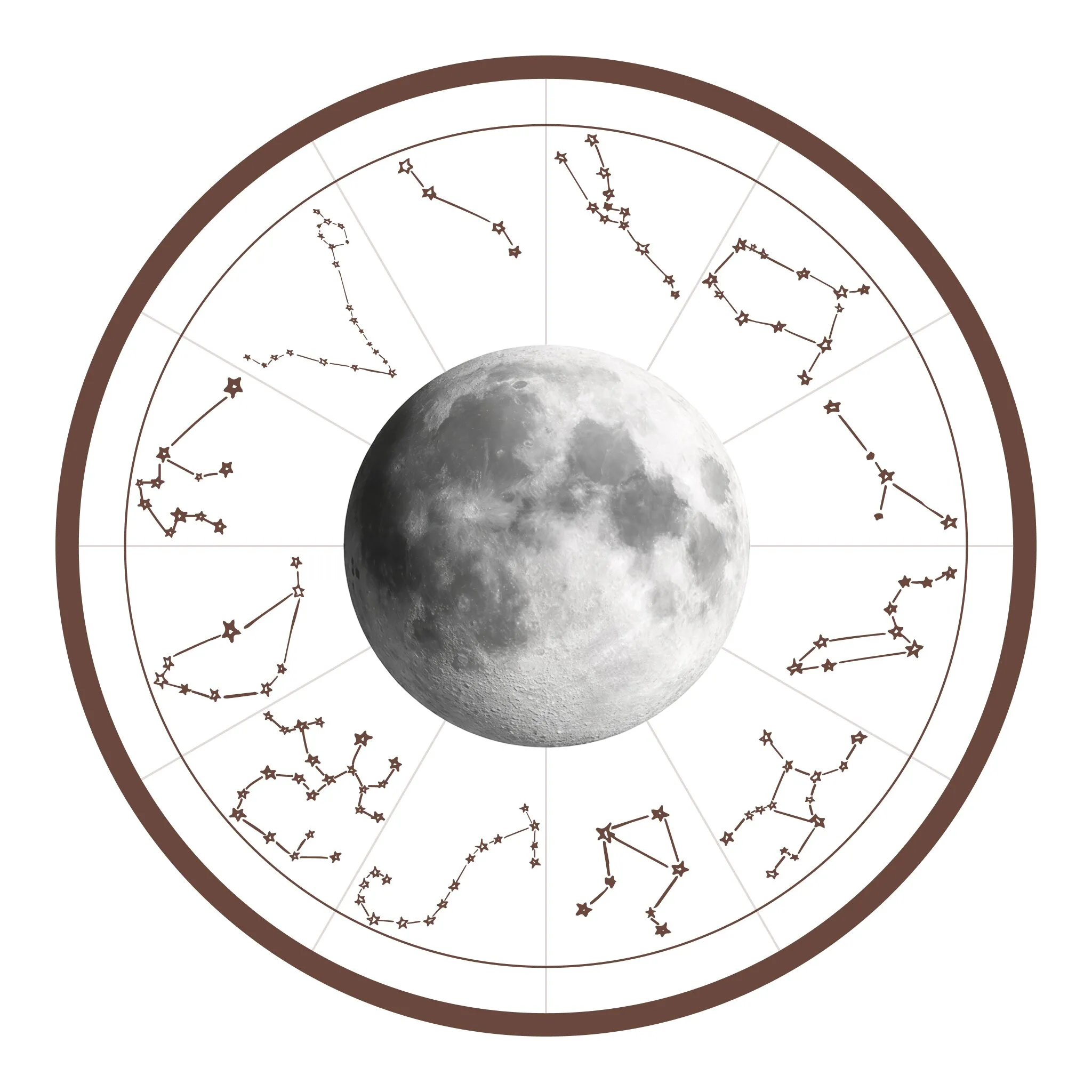
What is a Nakshatra?
Nakshatras are a very important part of Hindu astrology and Vedic astronomy. According to Vedic astrology, the sky is divided into 27 equal parts, called Nakshatras. The Moon completes its orbit around the Earth in about 27 days and during that time spends some time in each Nakshatra. Due to this, Nakshatras are also known as the abodes of the Moon. The Nakshatra in which the Moon is at the time of a person's birth is called the Janma Nakshatra and has special significance in astrological analysis.
In Hinduism, Nakshatras are not just astronomical divisions, but they are also considered to be related to a person's nature, personality, life path, career, relationships and spiritual development. Based on the position of Nakshatras in the birth chart, auspicious times are determined for naming, marriage, housewarming, yagna and other auspicious functions. In Vedic astrology, the constellations are as important as the zodiac signs.
Names of the 27 constellations
Ashwini, Bharani, Kritika, Rohini, Mrigashirsha, Ardra, Punarvasu, Pushya, Ashlesha, Magha, Purva Phalguni, Uttar Phalguni, Hasta, Chitra, Swati, Visakha, Anuradha, Jyestha, Mul, Purvashadha, Uttarashada, Shravan, Dhanishtha, Shatabhisha, Purvabhadrapada, Uttarabhadrapada and Revati.
Astrological significance of constellations
Constellations have special importance in Vedic astrology. Based on the birth star of a person, his nature, strengths, weaknesses, important aspects of life and future prospects are analyzed. Nakshatras also play an important role in determining many astrological remedies, dasha-antardasha and muhurta.
Nakshatra and Pada
Each nakshatra is divided into four padas or stages. Thus, 27 nakshatras together make a total of 108 padas. The padas of the nakshatra provide more detailed information about the personality and various aspects of life of the person. In the Hindu naming tradition, the first letter of the name is also selected according to the pada of the nakshatra.
Nakshatras and Auspicious Activities
In the Hindu tradition, muhurta is decided keeping in mind the nakshatras for marriage, housewarming, vehicle purchase, yagna, upanayan and other auspicious activities. Some constellations are considered particularly auspicious, while certain activities are advised to be avoided in some constellations.
Spiritual Significance of the Constellations
The constellations represent the divine energy of the universe and the subtle influences of nature. According to the Vedic tradition, each constellation is associated with some deity, power or symbol. Knowledge of the constellations can help a person understand their inner potential and purpose in life.
Conclusion
The constellations are an integral part of Hindu astrology and the Vedic tradition. This ancient system of 27 constellations is considered important for analyzing an individual's life, nature and destiny. The constellations are not only astronomical divisions but also invaluable sources of spiritual and astrological knowledge, which have been an important part of Indian culture for thousands of years.