



Understanding Mokshada Ekadashi and Its Significance
Mokshada Ekadashi is a major Hindu fasting day observed on the eleventh lunar day (Tithi) of the Shukla Paksha in the month of Margashirsha. This specific Ekadashi is dedicated to Lord Vishnu and is widely regarded as a day that grants spiritual liberation, or Moksha, to the observer and their ancestors. According to the Brahmanda Purana, this fast is considered highly auspicious as it has the power to cleanse the soul of past sins and liberate individuals from the cycle of birth and rebirth. Devotees often visit temples dedicated to Lord Vishnu or Lord Krishna to offer prayers and seek divine blessings for spiritual progress. The day holds a special place in the Vedic calendar because it signifies the transition from material bondage to spiritual freedom, encouraging practitioners to lead a life of dharma and mindfulness.
The Etymology and Meaning of Mokshada
The term 'Mokshada' is derived from the Sanskrit words 'Moksha,' meaning liberation or salvation, and 'Da,' meaning the giver. Thus, Mokshada Ekadashi is literally interpreted as the giver of liberation. In Hindu philosophy, Moksha represents the ultimate goal of human life—freedom from the repetitive cycle of Samsara. Observing this Tithi is believed to provide the spiritual strength required to detach from worldly illusions (Maya). Traditional texts like the Nirnaya Sindhu emphasize that the merit (Punya) gained on this day is immense, often compared to the rewards of performing thousands of Vedic sacrifices. It is a day focused on self-discipline, where the act of fasting serves as a physical and mental tool to sharpen one's spiritual focus toward the divine.
The Sacred Connection with Gita Jayanti
Mokshada Ekadashi is unique because it coincides with Gita Jayanti, the anniversary of the day Lord Krishna delivered the Bhagavad Gita to Arjuna. This historical event took place on the battlefield of Kurukshetra when Arjuna was paralyzed by moral dilemma and grief. Lord Krishna's discourse provided the philosophical foundation for Duty (Dharma) and Devotion (Bhakti). Because of this connection, reading the Bhagavad Gita is a central ritual of Mokshada Ekadashi observances. The day reminds devotees that while fasting purifies the body, the wisdom of the Gita purifies the intellect. Many spiritual organizations organize mass recitations of all 700 verses of the Gita, making the day a celebration of both ritualistic devotion and philosophical inquiry.
The Mokshada Ekadashi Vrat Katha
The traditional Vrat Katha of Mokshada Ekadashi centers around King Vaikhanasa of Gokul, as narrated by Lord Krishna to King Yudhishthira. In the legend, King Vaikhanasa saw a vision of his deceased father suffering in the lower realms due to past karmic debts. Disturbed by this, the King sought the guidance of Sage Parvata, who, through his yogic powers, realized the cause of the father's suffering. The Sage advised the King to observe the Mokshada Ekadashi fast and transfer the accumulated merit to his father. Following the ritual strictly, the King successfully liberated his father's soul, which then ascended to the heavenly realms. This story illustrates the power of the fast not just for the individual, but as a means to provide spiritual relief to one's lineage and ancestors.
Essential Rituals and Worship Vidhi
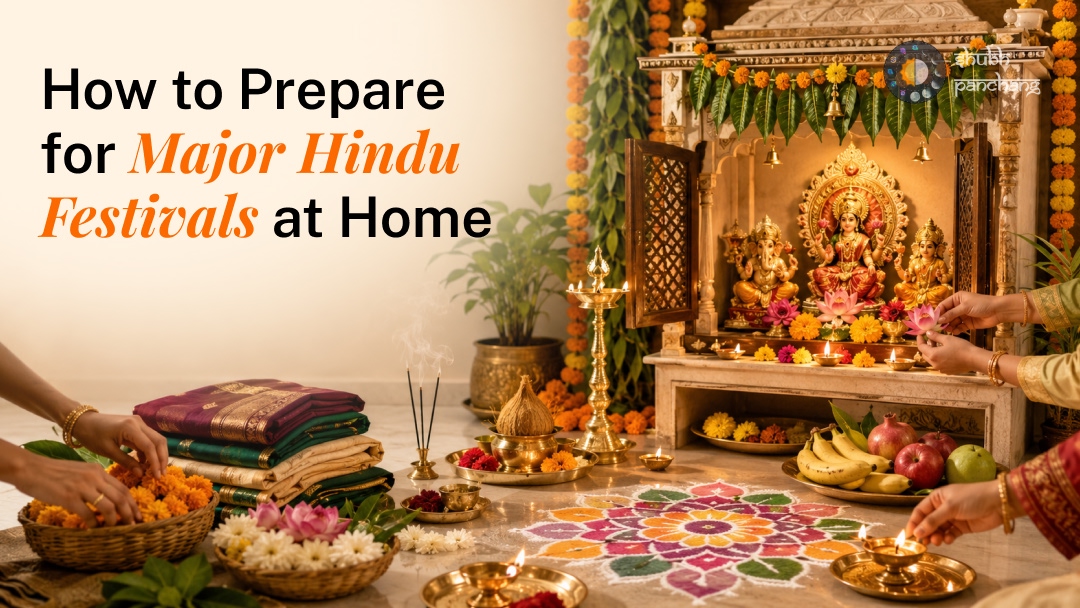
Rituals for Mokshada Ekadashi begin with a holy bath (Snana) before sunrise to purify the body and mind for the day's vows. Devotees perform a Sankalp, a formal declaration of their intent to fast, and set up an altar for Lord Vishnu or his Krishna avatar. The worship involves offering shodashopachara (sixteen-step ritual), which includes incense, lamps, flowers, and special offerings like Tulsi leaves, which are particularly dear to Lord Vishnu. Throughout the day, practitioners engage in chanting the Vishnu Sahasranama or the 'Om Namo Bhagavate Vasudevaya' mantra. A night vigil, or Jagran, is often kept where devotees sing bhajans and discuss the teachings of the Gita, ensuring that the mind remains focused on the divine rather than sleep or worldly distractions.
Fasting Rules and Dietary Guidelines
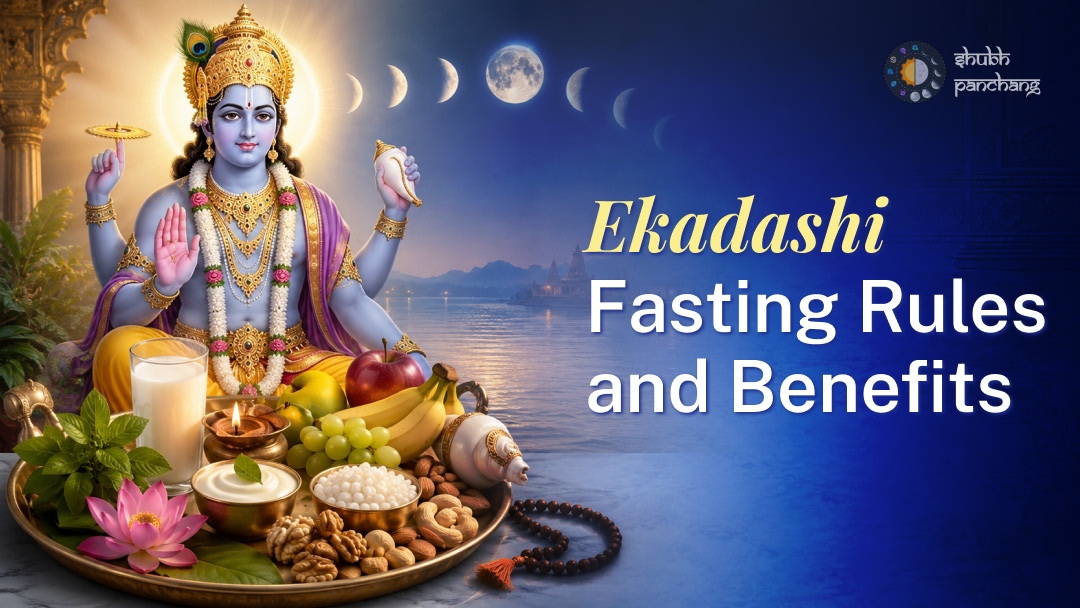
Fasting on Mokshada Ekadashi follows specific guidelines designed to minimize digestive effort and maximize spiritual energy. Devotees may choose from different levels of fasting: Nirjala (without water), Sajala (with water), or Phalahari (consuming only fruits and milk). According to the rules found in the Dharmasindhu, grains and pulses, especially rice, are strictly prohibited on all Ekadashis.
| Food Category | Status | Examples |
|---|---|---|
| Grains & Cereals | Prohibited | Rice, Wheat, Barley, Corn |
| Vegetables | Restricted | Avoid Onion, Garlic, Mushrooms |
| Permitted Foods | Allowed | Fruits, Milk, Sabudana, Nuts, Buckwheat (Kuttu) |
| Spices | Restricted | Only Rock Salt (Sendha Namak) is used |
It is essential to consume only Sattvic food if one is not performing a complete fast, avoiding any tamasic ingredients that might disturb the meditative state of the mind.
Spiritual Lessons and Modern Relevance
Mokshada Ekadashi teaches the values of detachment, self-control, and the importance of righteous living in a modern world filled with distractions. The emphasis on 'Moksha' serves as a reminder that material success is temporary and that inner peace is the true wealth. In the contemporary context, this day is increasingly observed by young professionals and families through digital satsangs and Bhagavad Gita study groups. Modern lifestyle often leads to mental fatigue; thus, the discipline of the Ekadashi fast acts as a 'digital and physical detox,' allowing for mental recalibration. By combining the ancient practice of fasting with the study of the Gita's timeless wisdom, devotees find a practical roadmap for managing stress and navigating ethical dilemmas in their daily lives.
Parana: The Proper Way to Break the Fast
The conclusion of the Mokshada Ekadashi fast occurs on the Dwadashi Tithi (the twelfth day) during a specific time window called Parana. Breaking the fast at the correct time, as calculated by Drik Ganit (astronomical calculation), is essential to receive the full merits of the Vrat. It is traditionally required to break the fast after sunrise and before the end of Dwadashi, provided Hari Vasara (the first quarter of Dwadashi) has passed. Before consuming grains, devotees usually offer food and charity (Daan) to Brahmanas or the needy, symbolizing the completion of their spiritual discipline through selfless service. Common foods for breaking the fast include simple Sattvic meals like Moong Dal or rice, marking the return to a regular diet with a sense of gratitude and renewed spiritual energy.