


The Spiritual Significance of Vrat in Hindu Tradition
Vrat or fasting in Hinduism is a sacred 'Sankalpa' or a dedicated resolve to practice self-discipline and sensory control. It is not merely a dietary restriction but a comprehensive spiritual exercise intended to purify the mind, body, and soul. According to the Dharmasindhu, the primary objective of a vrat is to bring the seeker closer to the Divine (Upavasa literally means 'sitting near' the deity). By voluntarily abstaining from physical pleasures and food, a devotee strengthens their willpower and redirects their internal energy toward prayer and meditation. These observances are intricately linked to lunar cycles (Tithis), planetary alignments, and seasonal changes, ensuring that the human biological rhythm remains in harmony with the cosmic order.
Essential Recurring Monthly Fasts: Ekadashi and Pradosh
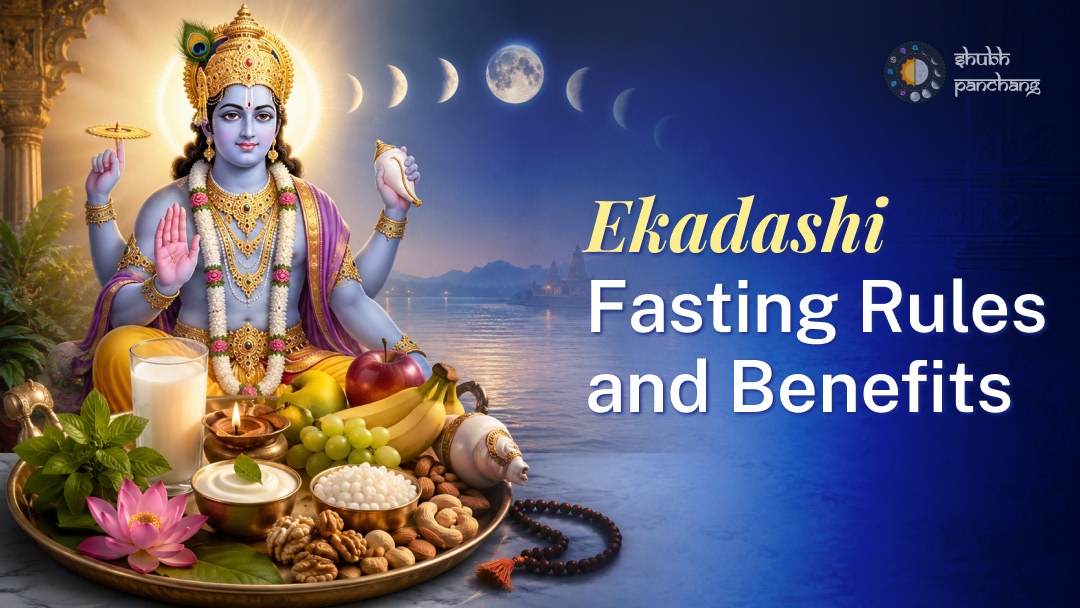
Monthly fasting cycles form the foundation of Hindu spiritual life, with Ekadashi and Pradosh being the most significant recurring observances. Ekadashi occurs twice every lunar month—during the Shukla and Krishna Pakshas—and is dedicated to Lord Vishnu. It is widely considered the 'Mother of all Vrats' because of its power to cleanse past karmas. Following the rules of the Nirnaya Sindhu, devotees often observe a complete fast or consume only fruits and milk. Similarly, Pradosh Vrat is observed on the Trayodashi (13th day) of each fortnight. Dedicated to Lord Shiva, this fast is believed to be most effective when the puja is performed during the 'Pradosh Kaal,' the twilight period just before sunset.
| Vrat Name | Frequency | Primary Deity | Key Significance |
|---|---|---|---|
| Ekadashi | Twice Monthly | Lord Vishnu | Spiritual purification and liberation |
| Pradosh Vrat | Twice Monthly | Lord Shiva | Removal of obstacles and health |
| Sankashti Chaturthi | Once Monthly | Lord Ganesha | Overcoming difficulties and wisdom |
| Purnima Vrat | Once Monthly | Chandra/Satyanarayan | Peace, prosperity, and family well-being |
Major Annual Festivals and Spiritual Fasts
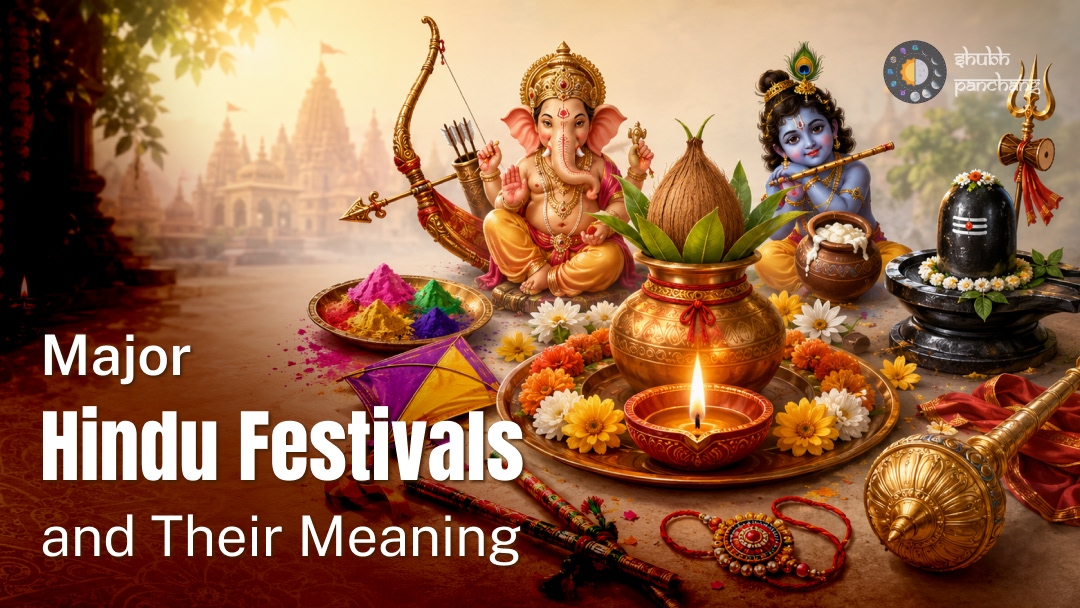
Beyond the monthly cycles, the Hindu calendar is marked by major annual vrats that carry deep historical and scriptural weight. Maha Shivratri is perhaps the most significant night for devotees of Shiva, falling on the Chaturdashi of Phalguna month. It marks the union of Shiva and Shakti and is observed with an all-night vigil and rigorous fasting. Another vital observance is Navratri, a nine-night period occurring twice a year (Chaitra and Sharada) dedicated to Goddess Durga. During these days, many follow a Sattvic diet, avoiding grains and onion-garlic to maintain 'Shuddhi' or purity. For married women, the karva chauth fast in the month of Kartik is a profound expression of devotion and prayer for the longevity of their spouses, observed from sunrise until the moon becomes visible.
The Role of Drik Ganit and Panchang in Vrat Timing
The exact timing of a vrat is determined using the दृक् गणित (Drik Ganit) method, which calculates the precise position of celestial bodies. Unlike the Gregorian calendar where a day starts at midnight, a Hindu Tithi depends on the angle between the Sun and the Moon and can begin at any time of the day. This is why a vrat might be observed on different days in different locations. The concept of 'Udaya Tithi' (the Tithi prevailing at sunrise) is often used to decide the day of the fast. Furthermore, 'Parana'—the specific window of time to break a fast—is crucial. Breaking a fast like Ekadashi outside the prescribed Parana time is considered to diminish the spiritual merit of the observance according to texts like the Muhurta Chintamani.
Regional Variations in Fasting Traditions
Hindu fasting traditions exhibit a beautiful diversity across the Indian subcontinent, reflecting local cultures and history. In North India, 'Solah Somvar' (sixteen Mondays) is a popular fast dedicated to Lord Shiva for the fulfillment of desires. In Western India, particularly Maharashtra and Gujarat, the month of Shravan involves various specific fasts like 'Japya' and 'Vat Savitri.' In South India, 'Karadaiyan Nombu' is a significant fast for women, while 'Skanda Sashti' is a major observance dedicated to Lord Murugan. Despite these variations in the food consumed—such as Sabudana Khichdi in the West or Sundal in the South—the underlying essence of 'Bhakti' (devotion) and 'Tapas' (penance) remains consistent across all regions.
Rules and Discipline of a Sattvic Fast
Successful observance of a vrat requires adhering to specific dietary and behavioral rules. Most Hindu fasts emphasize a 'Sattvic' lifestyle, which involves consuming fresh, light, and pure foods. This typically includes fruits, roots (like sweet potato), milk, and specific non-cereal flours like Singhara (water chestnut) or Kuttu (buckwheat). Grains, beans, and certain spices are traditionally avoided on high-intensity fasts like Ekadashi. Beyond food, a vrat implies 'Brahmacharya' (self-restraint), avoiding negative speech, and spending time in 'Satsang' or reading scriptures. The Brihat Samhita emphasizes that the mental state during a fast is just as important as physical abstinence; a fast kept with anger or greed does not yield spiritual fruits.
Ayurvedic and Scientific Perspectives on Fasting
Ancient Indian wisdom and Ayurveda suggest that periodic fasting is essential for maintaining 'Agni' (the digestive fire). By giving the digestive system a regular break, the body can focus its energy on 'Dhatu Samya' (balancing the tissues) and 'Amavisha' (detoxification). Modern research into autophagy—the body's mechanism of cleaning out damaged cells—aligns with the Ayurvedic view that controlled fasting promotes longevity and mental clarity. This intersection of spiritual discipline and physical health demonstrates that Hindu vrats are not just religious rituals but are grounded in a deep understanding of human physiology and its response to the environment.
Determining Exact Dates for Your Location
While general dates for festivals are widely published, the precise start and end times for fasts can vary based on your city's sunrise and sunset times. It is always recommended to consult a localized Panchang or a reliable digital platform like ShubhPanchang to find the exact Tithi timings for your specific location. This is especially important for vrats like Sankashti Chaturthi, where the moonrise time is the critical factor for breaking the fast. Following the accurate Drik-based calculations ensures that your 'Sankalpa' is fulfilled according to the traditional rules of 'Shastra.'
Conclusion: Fasts as a Path to Mindfulness
Hindu vrats and festivals serve as spiritual milestones throughout the year, preventing the routine of daily life from becoming purely materialistic. They invite individuals to pause, reflect, and realign with their higher purpose. Whether it is the rigorous fast of Mahashivratri or the simple monthly observance of Purnima, these traditions foster a sense of gratitude and mindfulness. By participating in these ancient rhythms, devotees cultivate a balanced life that honors both the physical needs of the body and the eternal aspirations of the soul, maintaining a constant connection with the cosmic cycle of time.