


What is Today's Panchang and Why It Matters
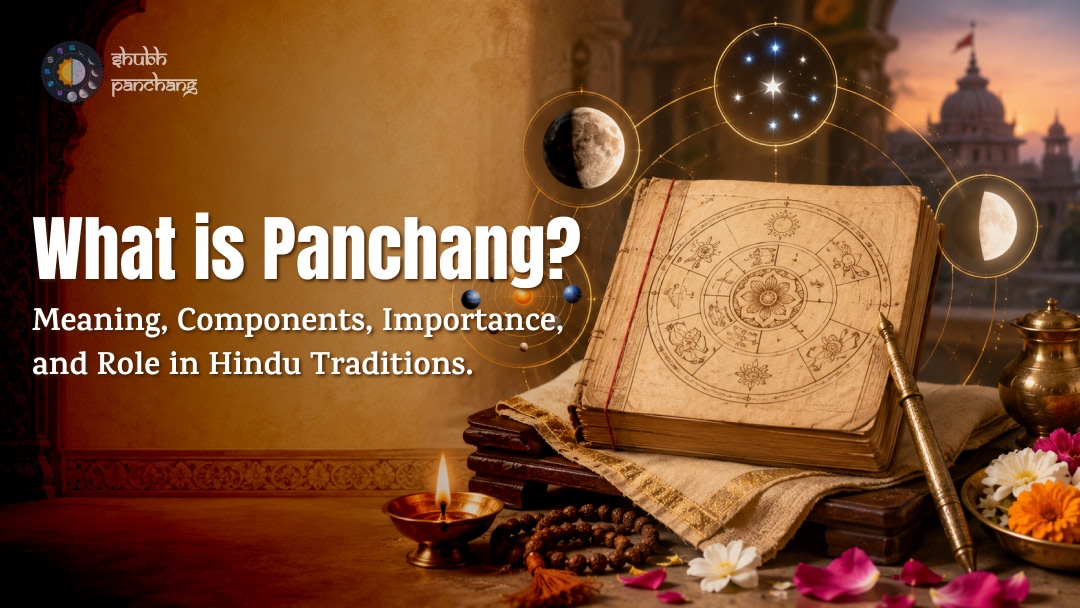
Today's Panchang is a traditional Hindu almanac that serves as a guide for understanding the astronomical and astrological quality of time based on the Drik Ganit (दृक् गणित) method. The word Panchang is derived from the Sanskrit words 'Pancha' (five) and 'Anga' (limbs), referring to the five essential elements that constitute the daily calendar. By consulting the Panchang, individuals can align their daily activities with natural lunar cycles, identify auspicious dates for festivals and vrats, and avoid periods traditionally considered unfavorable for new beginnings. It is an essential tool for maintaining spiritual discipline and ensuring that rituals are performed at the correct time as prescribed by Vedic traditions.
Understanding the Five Limbs of the Hindu Calendar
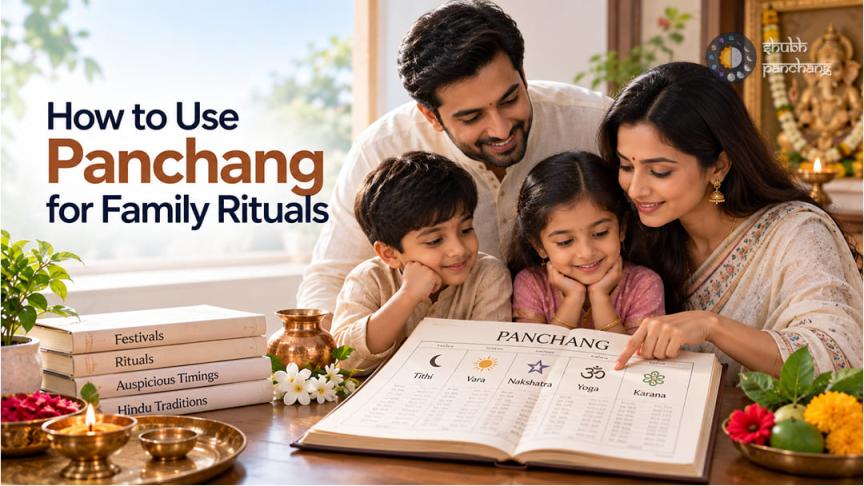
The five limbs of a daily Panchang are Tithi, Vara, Nakshatra, Yoga, and Karana, each providing a unique layer of information about the day's influence. According to the Surya Siddhanta, these elements are calculated based on the precise positions of the Sun and the Moon. Tithi represents the lunar day; Vara is the solar weekday; Nakshatra refers to the lunar constellation; Yoga describes the relationship between the Sun and Moon; and Karana is half of a Tithi. Together, these five components help in determining the 'Shuddhi' or purity of a specific moment for various activities.
| Anga (Limb) | Focus Area | Significance |
|---|---|---|
| Tithi | Lunar Phase | Determines Festivals and Vrats |
| Vara | Solar Day | Influences the day's energy |
| Nakshatra | Constellation | Critical for personal horoscopes |
| Yoga | Planetary Union | Reflects the general 'mood' of the day |
| Karana | Half-Tithi | Used for minor ritual decisions |
Tithi and Nakshatra: The Core of Daily Planning
Tithi is perhaps the most recognized element of the Panchang, calculated as the 12-degree increase in distance between the Moon and the Sun. There are 30 Tithis in a lunar month, divided into the Shukla Paksha (waxing phase) and Krishna Paksha (waning phase). Many people use Tithis to determine when to fast or perform specific pujas. Nakshatra, on the other hand, represents the 27 divisions of the sky through which the Moon passes. Each Nakshatra is ruled by a specific planet and deity, and it is widely used in selecting a Muhurat for important life events like marriage, naming ceremonies, or purchasing property.
Important Daily Timings: Rahu Kaal and Abhijit Muhurat
Auspicious and inauspicious timings are calculated daily to help individuals navigate their tasks with greater success. One of the most sought-after periods is the Abhijit Muhurat, which occurs daily around local noon and is considered highly favorable for starting most types of work. Conversely, Rahu Kaal is a period lasting approximately 90 minutes each day that is traditionally avoided for significant ventures or new starts. Other important timings found in a daily Panchang include Gulika Kaal and Yamaganda, which have specific attributes based on the day of the week. While these timings offer guidance, tradition emphasizes that sincere devotion and practical wisdom are equally vital when performing any task.
How to Use Choghadiya for Quick Decision Making
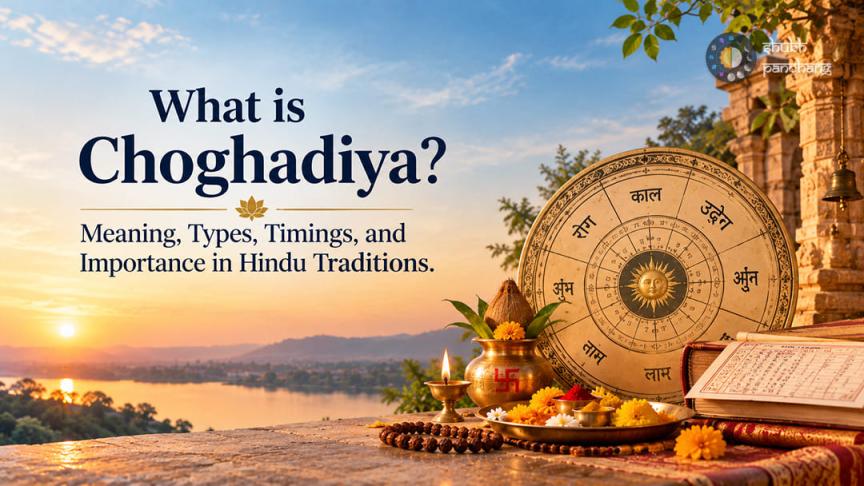
Choghadiya is a popular system of timekeeping used for identifying auspicious windows throughout the day and night without needing deep astrological knowledge. The day is divided into eight equal portions, and the night is similarly divided. By checking the Choghadiya, one can find segments labeled as Shubh (Auspicious), Labh (Gainful), and Amrit (Best), which are ideal for travel or business dealings. On the other hand, segments like Kaal (Loss) or Udhyog (Worry) are typically avoided for important matters. This system provides a practical way for beginners to integrate Vedic timekeeping into a busy modern lifestyle.
Why Location Matters for Accurate Panchang Reading
Location is the most critical variable when reading a daily Panchang because timings for sunrise, sunset, and the end-times of Tithis are calculated based on local coordinates. Because the Drik Ganit method relies on observable astronomical positions, a Panchang calculated for Varanasi will differ by several minutes from one calculated for Mumbai or London. Always ensure that the tool or calendar you are using is set to your specific city or region. Without location-based adjustments, the ending times of Nakshatras or the start of Rahu Kaal could be inaccurate, leading to rituals being performed at the wrong moment.
A Simple Example: Reading a Panchang Entry
To read a daily Panchang entry, start by identifying the sunrise time, as this marks the beginning of the Hindu day. Next, look for the Tithi; if it says 'Ekadashi until 2:00 PM', it means the eleventh lunar day prevails until that time. Follow this by checking the Nakshatra and the Vara (weekday). Finally, scan the list of daily 'Kaals' or timings. A beginner-friendly approach is to look for the Abhijit Muhurat for anything positive you wish to do and double-check the Rahu Kaal to ensure you aren't starting a major project during that window. This simple three-step check—Tithi, Abhijit Muhurat, and Rahu Kaal—is a practical way to start using the calendar every day.
Modern Tools and Ancient Wisdom
Accessing the Panchang has evolved from consulting heavy printed almanacs (Panchangas) to using modern websites and mobile applications. While the medium has changed, the underlying calculations remain rooted in classical texts like the Muhurta Chintamani and Dharmasindhu. These modern tools allow users to instantly find location-specific data and receive notifications for upcoming festivals and vrats. Learning to read the daily Hindu calendar is not just about seeking 'good luck'; it is about developing a mindful connection to the natural rhythms of the Earth and Moon, fostering a sense of spiritual discipline in everyday life.