






What are Navadurga?
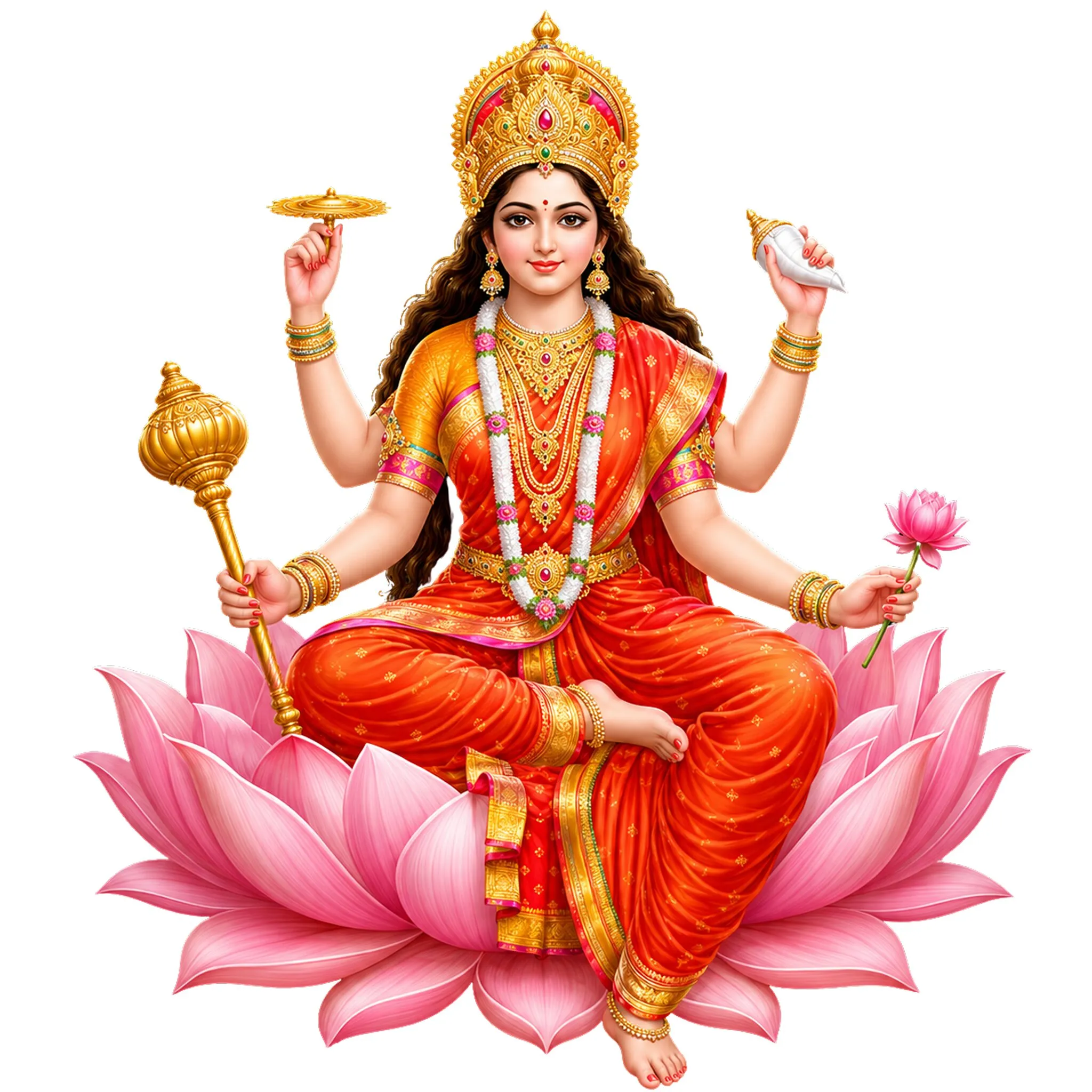
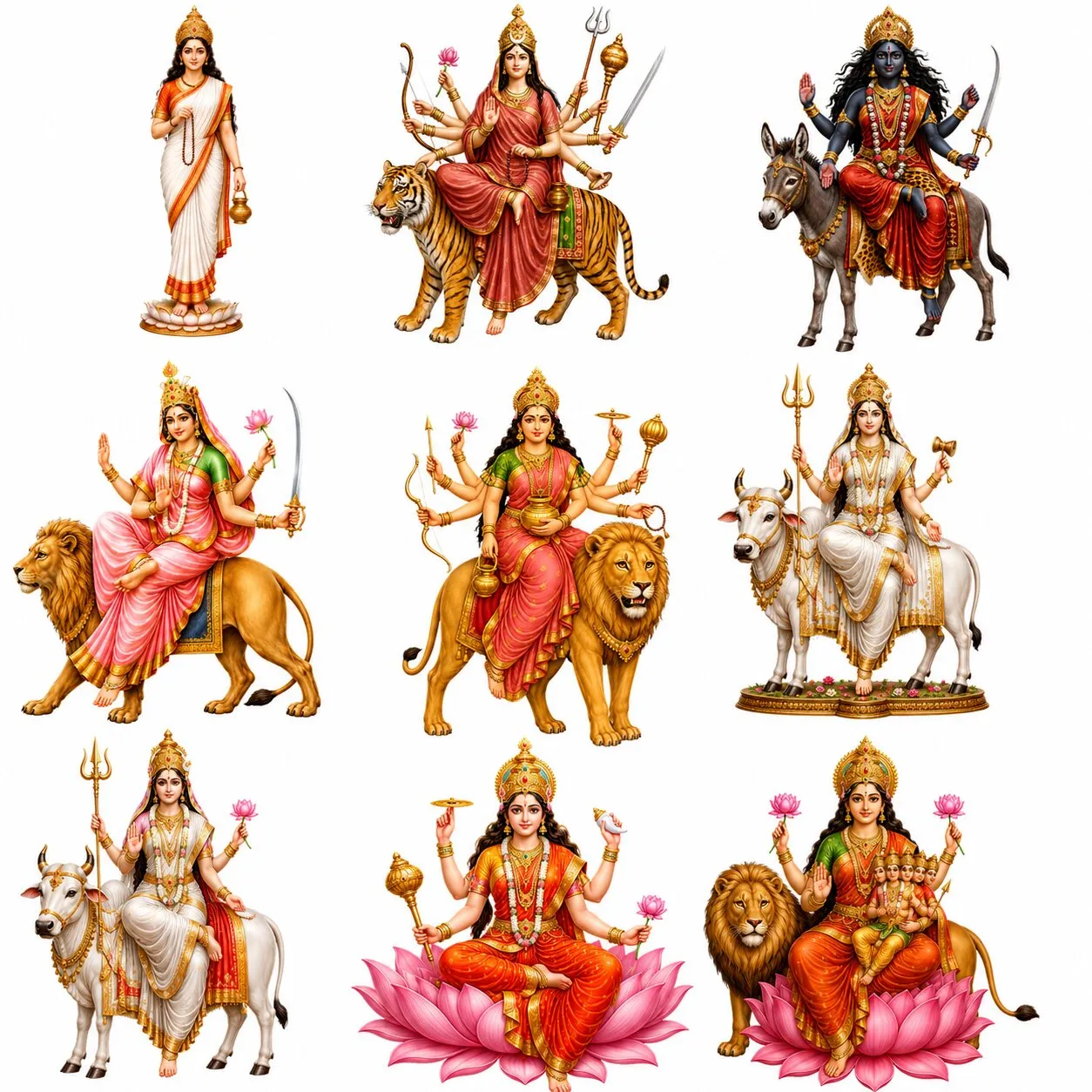
Navadurga is a group of nine divine forms of Goddess Durga in Hinduism. These nine forms of Goddess Durga are specially worshipped during the holy nine days of Navratri. Each form has its own special significance, power and spiritual message. Through the worship of Navadurga, devotees pray to attain strength, knowledge, prosperity, courage, peace and spiritual advancement in life. According to Hindu scriptures, Navadurga are various forms of Goddess Adishakti, which manifest for the welfare of devotees and the destruction of evil forces.
Nine Forms of Navadurga
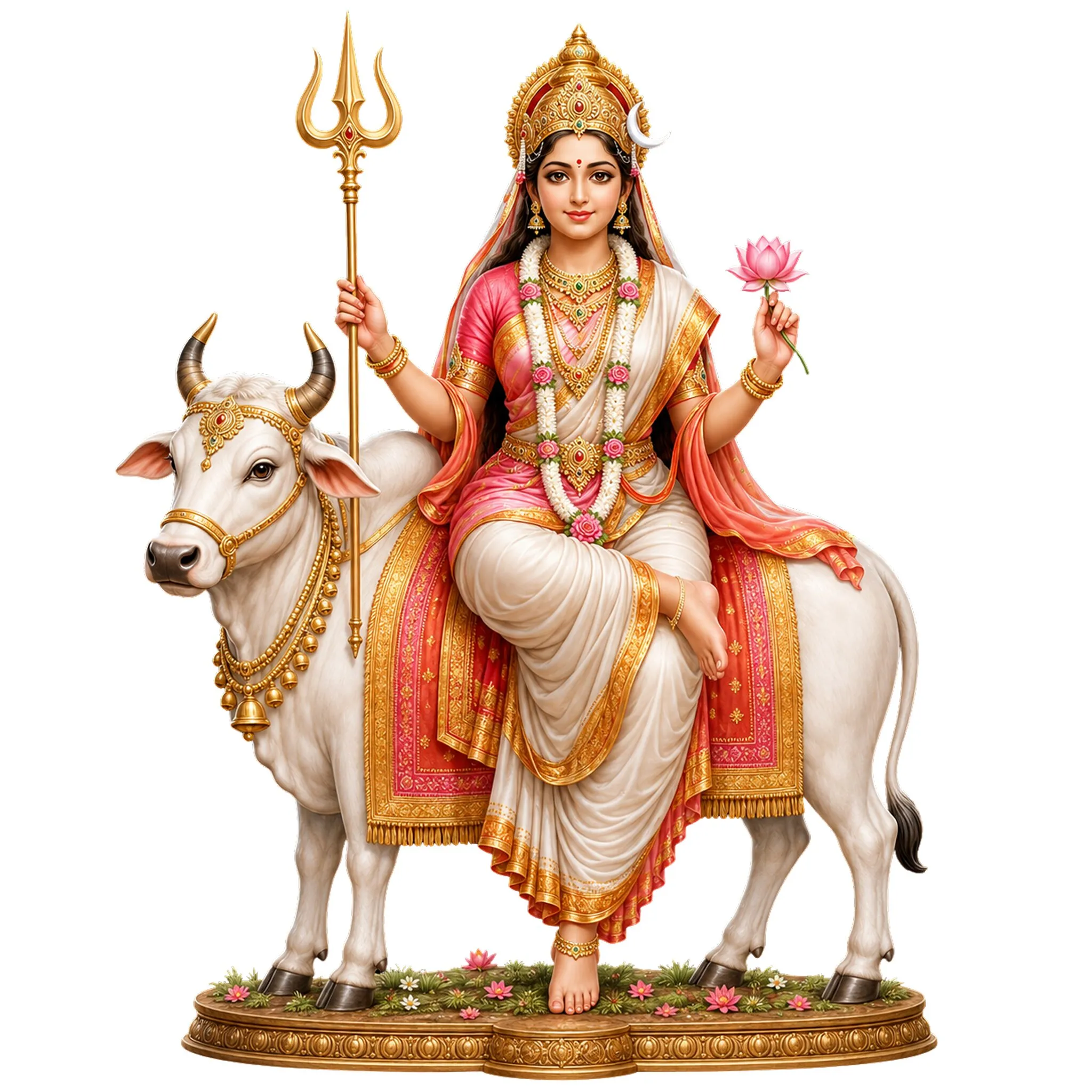
1. Mother Shailputri
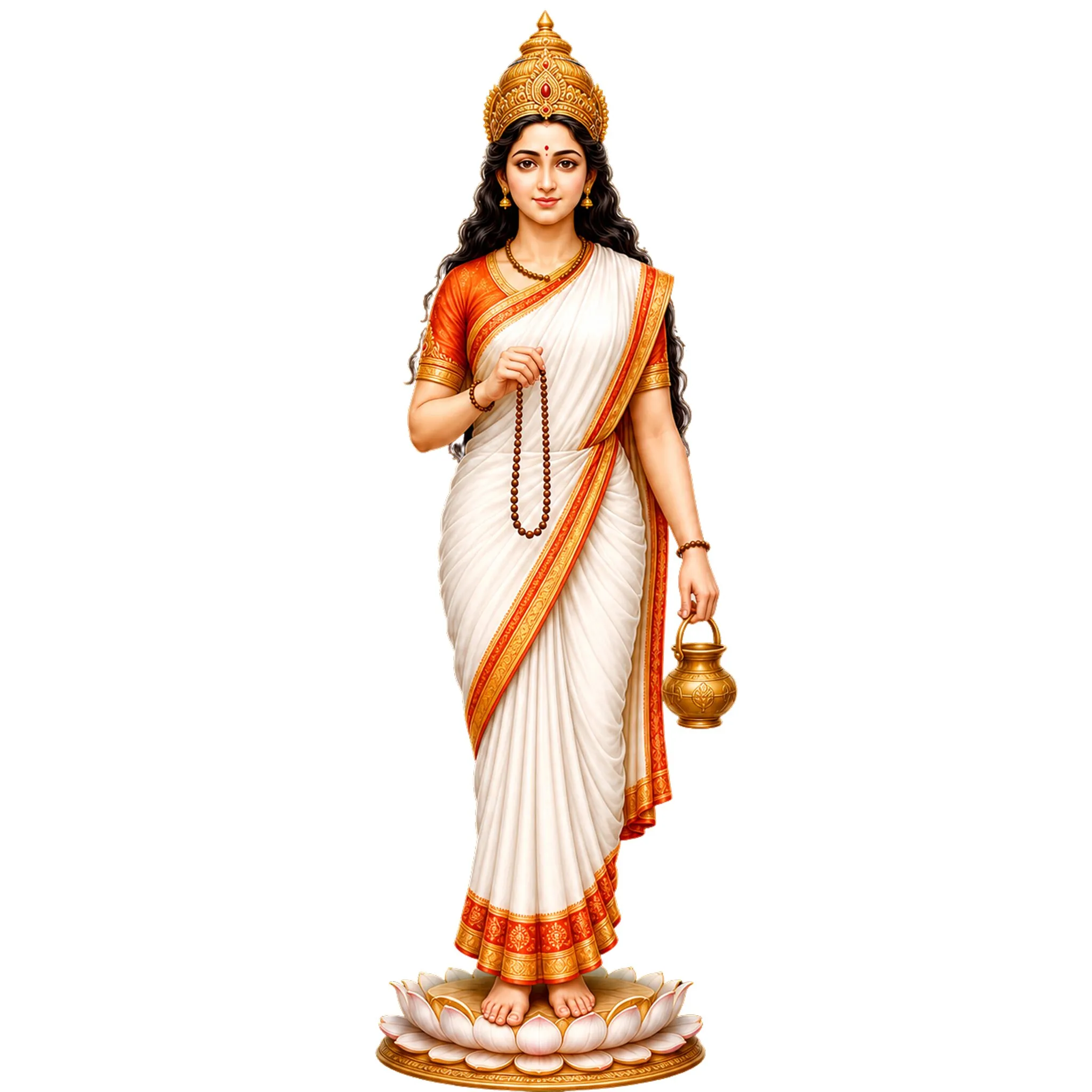
2. Mother Brahmacharini
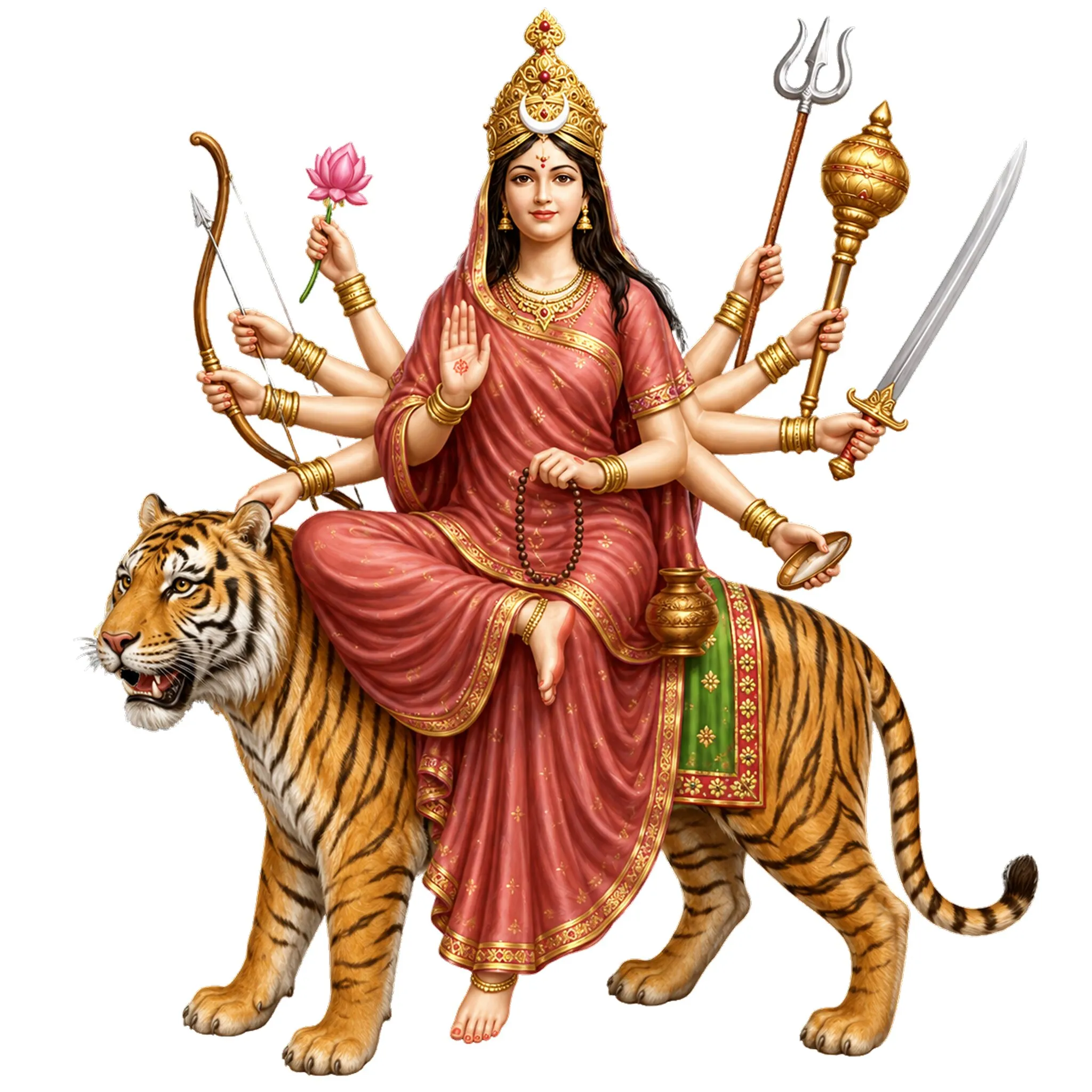
3. Mother Chandraghanta
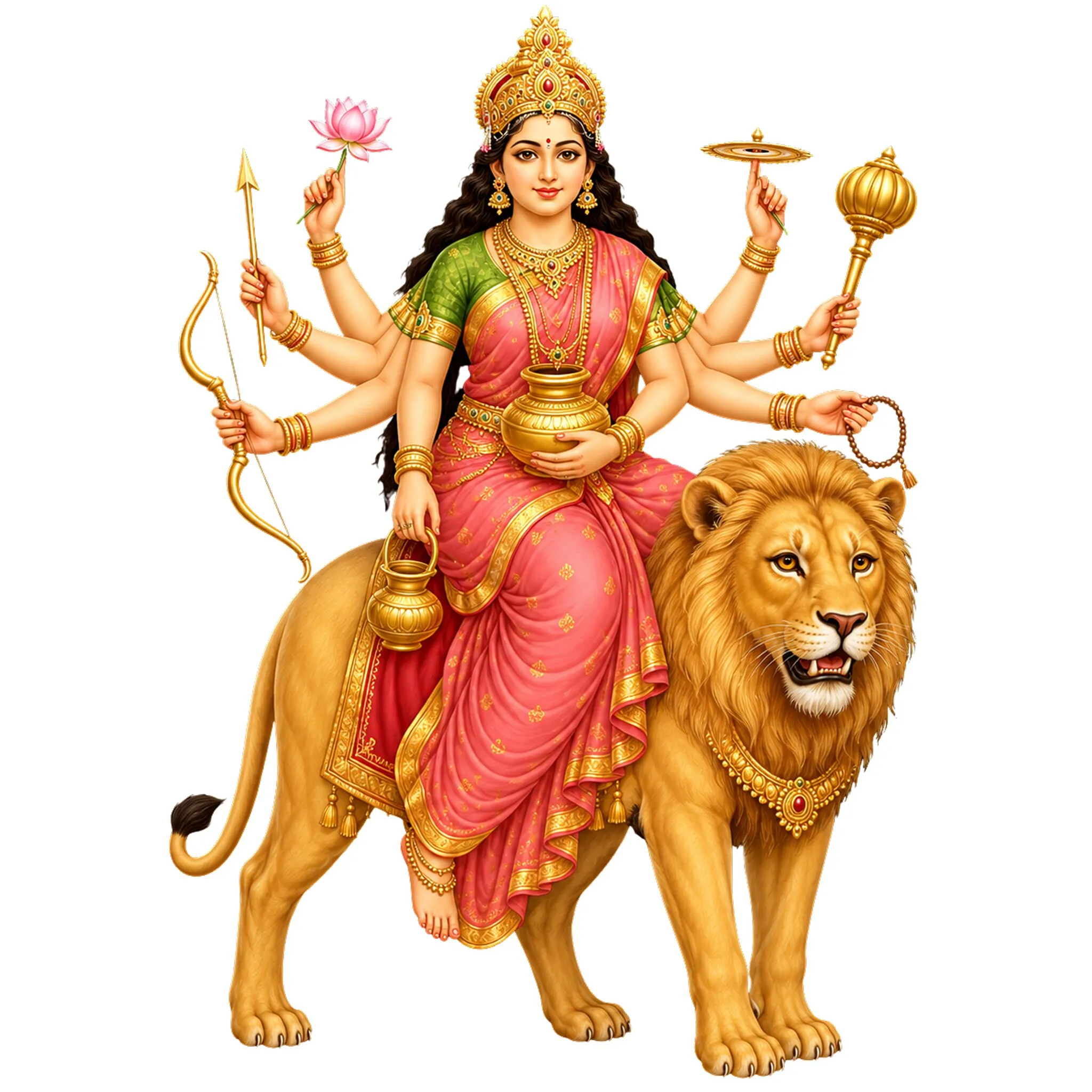
4. Mother Kushmanda
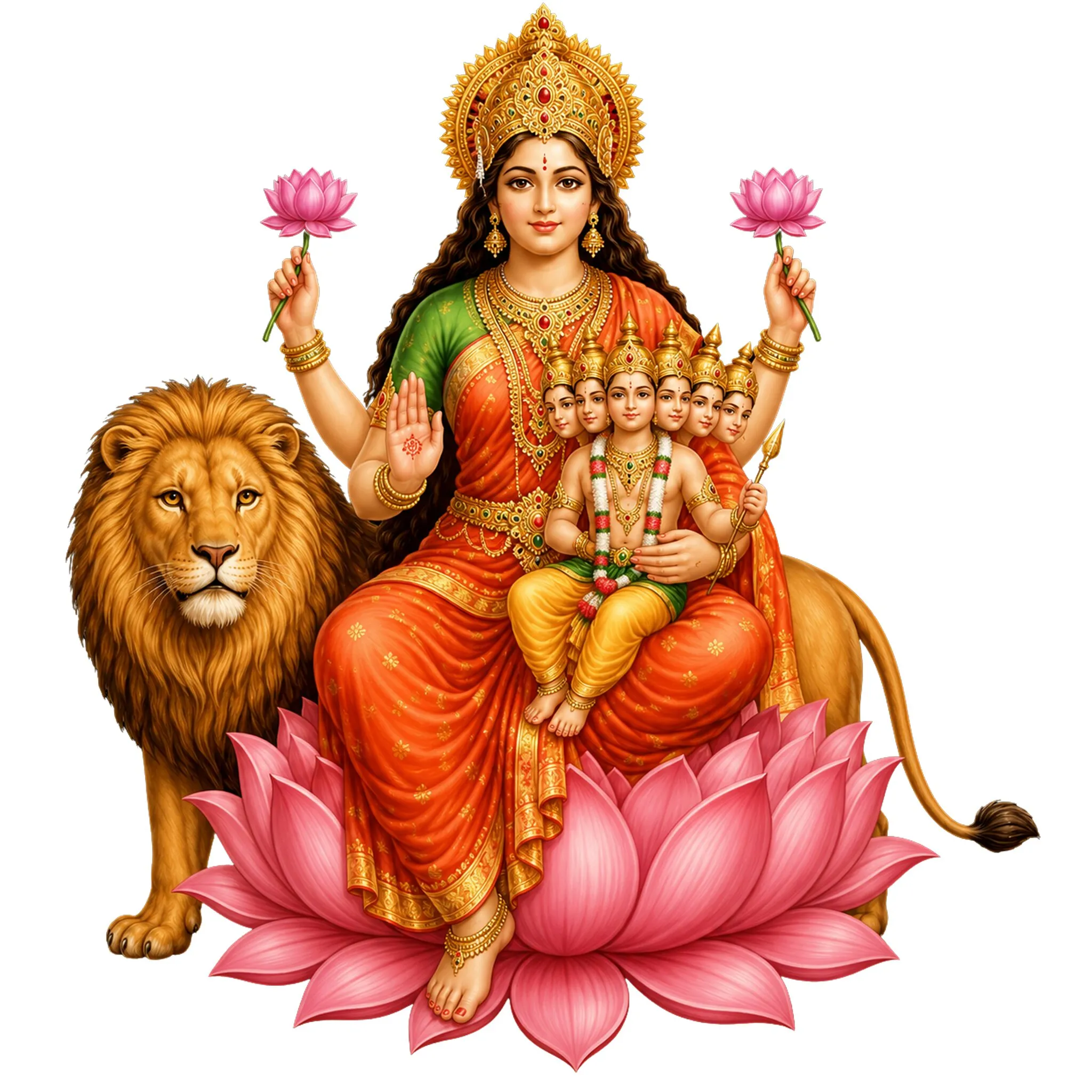
5. Mother Skandamata
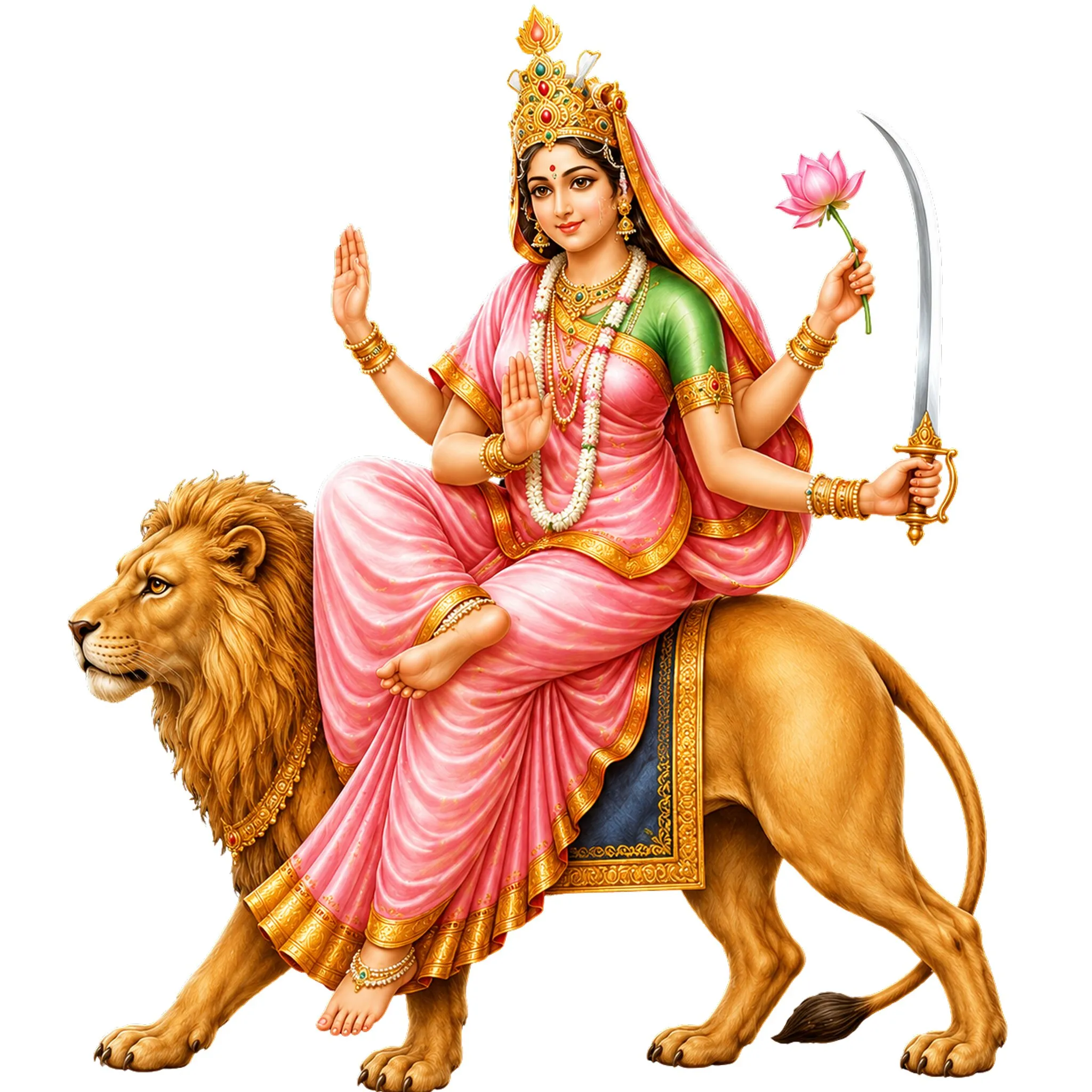
6. Mother Katyayani
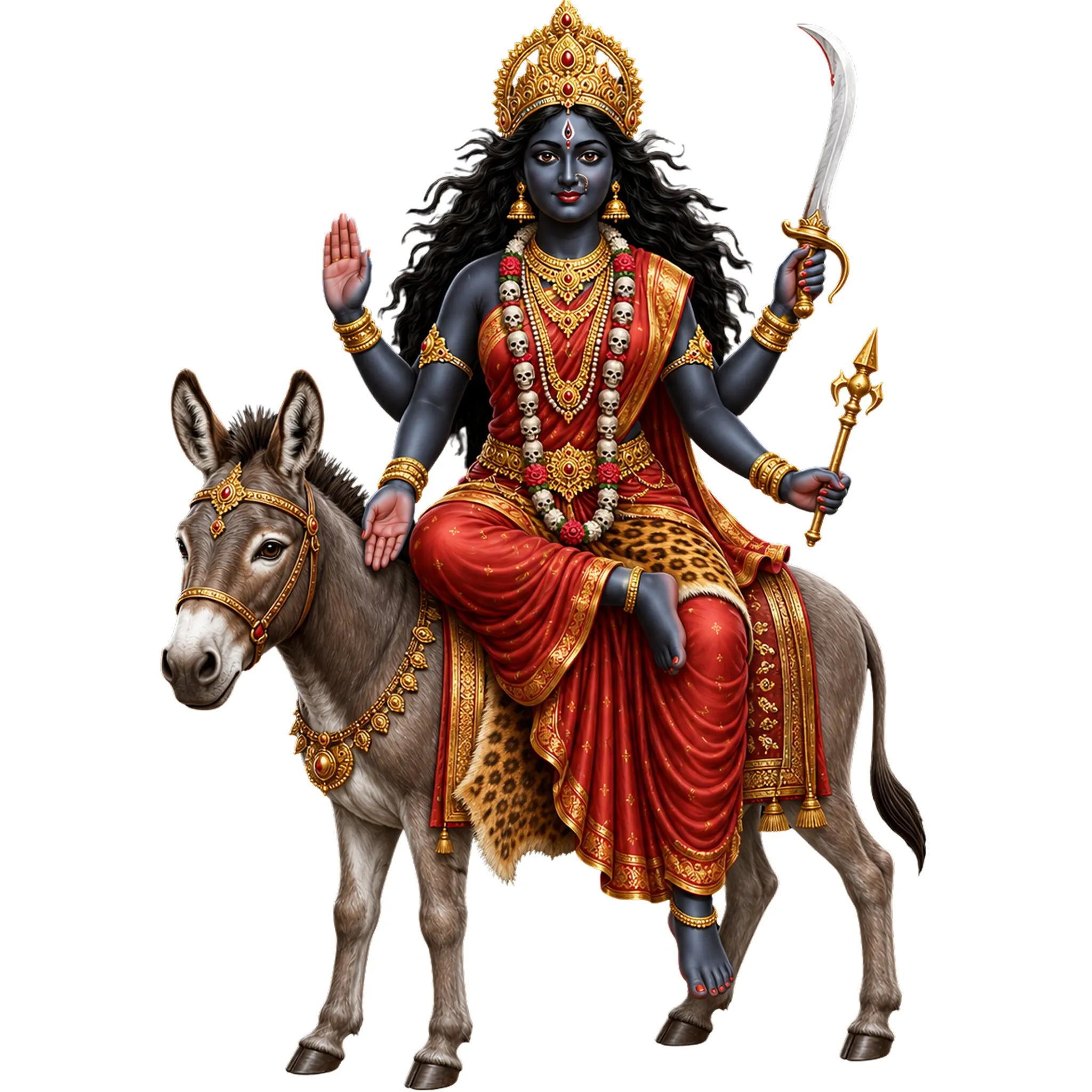
7. Mother Kalratri
8. Mother Mahagauri
9. Mother Siddhidatri
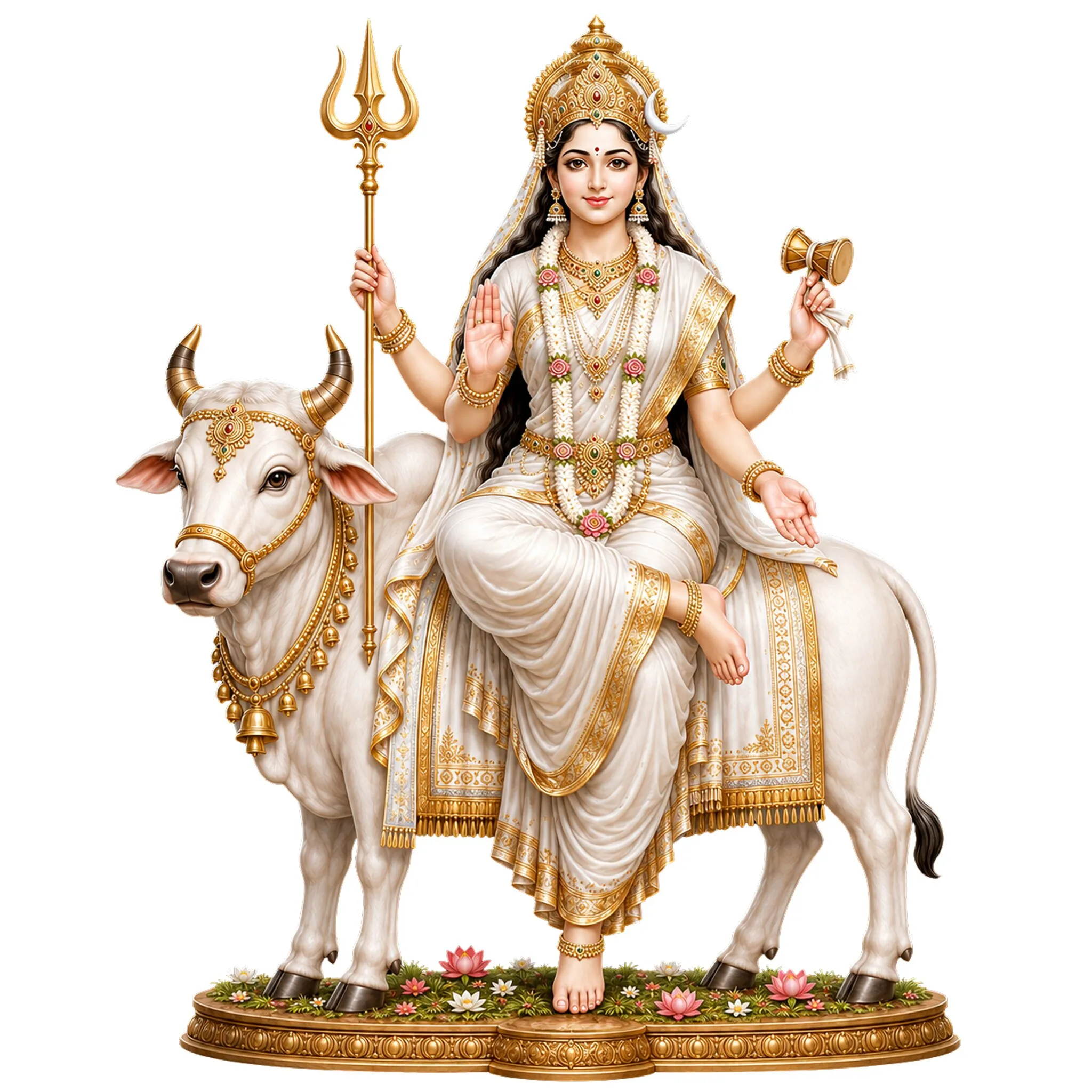
1. Mother Shailputri
Maa Shailputri is worshipped on the first day of Navratri. She is known as Shailputri as she is the daughter of the Himalayan King. Mother Shailputri is the symbol of strength, stability and devotion. Her worship brings confidence and spiritual growth in life.
2. Mata Brahmacharini
Maa Brahmacharini is worshipped on the second day of Navratri. She is the embodiment of penance, restraint and meditation. Her grace gives the devotees patience, self-confidence and the power to achieve their goals in life.
3. Mata Chandraghanta
Maa Chandraghanta is worshipped on the third day. The crescent moon on her head is adorned in the shape of a bell. She is a symbol of bravery, fearlessness and protection. Her worship removes fear, negativity and obstacles.
4. Mata Kushmanda
Maa Kushmanda is worshipped on the fourth day. According to belief, she created the universe with her divine smile. She is a symbol of creative power, brilliance and prosperity. Her grace brings energy and positivity to life.
5. Mother Skandamata
On the fifth day, Mother Skandamata is worshipped. She is the mother of Lord Kartikeya (Skanda). Mother Skandamata is the symbol of motherhood, compassion and protection. She is worshipped for family happiness and welfare of children.
6. Mother Katyayani
On the sixth day, Mother Katyayani is worshipped. She is a powerful form of Mother Durga who appeared to destroy evil forces. She is worshipped for courage, victory and success in life.
7. Mother Kalratri
On the seventh day, Mother Kalratri is worshipped. She is considered the fiercest and most powerful form of Nava Durga. Goddess Kalaratri destroys fear, darkness and evil forces. By her grace, devotees get fearlessness and protection.
8. Goddess Mahagauri
Maa Mahagauri is worshipped on the eighth day. She is the symbol of purity, peace, beauty and compassion. By worshipping her, sins are destroyed and happiness and peace are achieved in life.
9. Goddess Siddhidatri
Maa Siddhidatri is worshipped on the ninth and last day of Navratri. She is the goddess who grants all kinds of achievements and spiritual powers. By her grace, devotees get knowledge, salvation and spiritual perfection.
Spiritual significance of Navadurga
The nine forms of Navadurga represent different spiritual stages of human life. The journey towards devotion, penance, courage, knowledge, compassion, power and ultimately self-realization is embodied in the worship of Navadurga. Worshipping Navadurga during Navratri purifies the mind, intellect and soul and the devotee experiences divine power.
Navratri and Navadurga
The festival of Navratri is dedicated to the worship of Navadurga. During these nine days, devotees worship the Goddess through fasting, puja, chanting, garba, bhajan and aarti. Navratri is celebrated with great devotion and enthusiasm all over India, including Gujarat.
Conclusion
Navadurga are the nine divine forms of Goddess Durga, representing various aspects of power, devotion, knowledge, compassion and spiritual growth. Through their worship during Navratri, devotees pray for happiness, prosperity, protection and spiritual advancement in life. Worship of Navadurga is one of the most important traditions of Shakti worship in Hinduism.