


Understanding the Sun Sign in Vedic Astrology
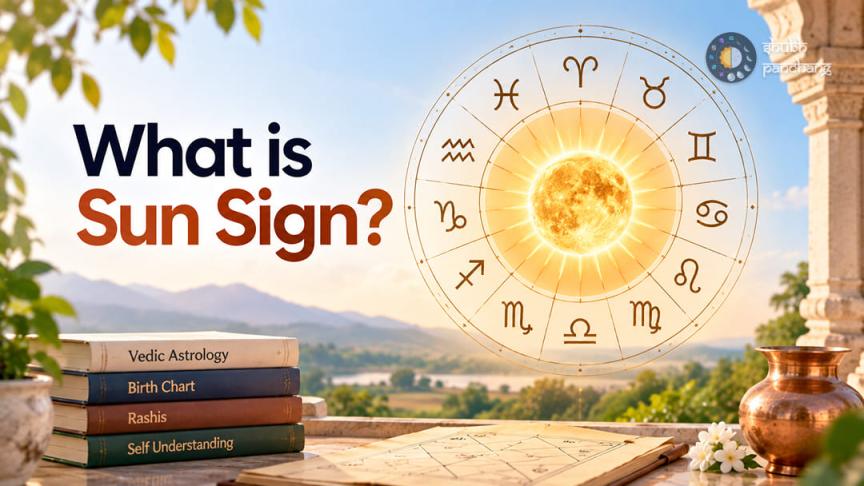
The Sun sign, known as Surya Rashi in Vedic astrology, refers to the specific zodiac sign in which the Sun was positioned at the exact moment of an individual's birth. While many are familiar with Sun signs through general horoscopes, the Vedic perspective offers a deeper spiritual layer by identifying the Sun as the 'Atman' or the soul. In the movement of the heavens, the Sun spends approximately 30 days in each zodiac sign, completing its journey through the entire zodiac circle in one year. This transition marks the foundation of the solar calendar and serves as a vital marker for one's core identity and life force. Unlike the ever-changing moon, the Sun provides a stable and consistent energy that defines the fundamental spirit of a person. According to the Surya Siddhanta, the Sun is the primary source of light and life, and its placement in the birth chart reveals how an individual radiates their inner truth to the outer world.
The Importance of Surya in Vedic Traditions
Surya, the Sun God, holds a central position in Hindu philosophy and Vedic sciences as the king of the planets or Graharaja. He symbolizes energy, soul, vitality, and the father figure, representing the authority and leadership qualities inherent in every human being. In the Brihat Samhita, Varahamihira describes the Sun as the source of all consciousness, suggesting that a well-placed Sun in a birth chart bestows high self-esteem, willpower, and a clear sense of purpose. Beyond individual personality, the Sun represents the government, high-ranking officials, and the physical heart in the human body. Its influence is not merely psychological but also physiological, governing the digestive fire (Jatharagni) and the overall strength of the immune system. When one aligns with the solar rhythm, they often experience improved health and a more disciplined lifestyle, reflecting the Sun's own unwavering regularity.
Vedic vs Western Sun Signs: The Sidereal Calculation
A common point of confusion for beginners is why their Vedic Sun sign often differs from their Western Sun sign. Western astrology utilizes the Tropical zodiac system, which is based on the seasons and the fixed position of the equinoxes. In contrast, Vedic astrology uses the Sidereal zodiac (Nirayana), which accounts for the actual observational positions of the fixed stars. Because the Earth's axis undergoes a slow wobble known as the precession of the equinoxes, the two systems have drifted apart by approximately 24 degrees over the last two millennia. This difference, known as Ayanamsa, means that if your Western Sun sign is Aries, your Vedic Sun sign might actually be Pisces. This precision ensures that the astrological calculations remain aligned with the physical universe, a methodology emphasized in traditional texts to maintain the sanctity of muhurat and tithi calculations.
The Influence of the 12 Rashis on Personality
The twelve zodiac signs provide a unique filter through which the Sun's energy is expressed, influencing ambition, ego, and personal goals. For example, the Sun is considered 'Exalted' in Mesh (Aries), where it manifests as a pioneering, courageous, and highly energetic temperament. In Simha (Leo), its own sign, it radiates natural leadership, dignity, and creativity. Conversely, in Tula (Libra), the Sun is in its 'Debilitation,' where the solar ego must learn to balance personal desires with the needs of others. To accurately determine your sign and its specific effects, using a Sunsign Calculator is essential, as it applies the correct sidereal offsets. Whether it is the analytical nature of Kanya (Virgo) or the philosophical depth of Dhanu (Sagittarius), the Sun sign reveals the inherent 'flavor' of your soul's journey in this lifetime.
Sun Sign vs Moon Sign and Ascendant
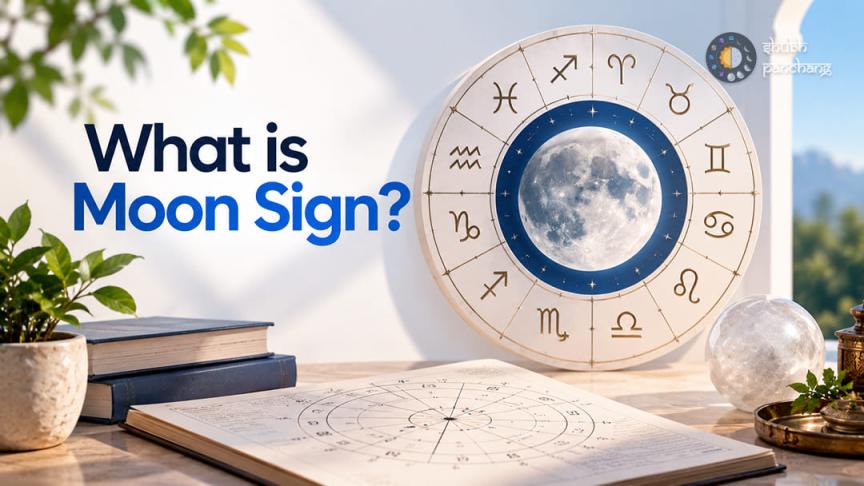
In the comprehensive analysis of a Kundli (birth chart), the Sun sign is one of three critical pillars alongside the Moon sign (Chandra Rashi) and the Ascendant (Lagna). The Sun represents the soul and the 'why' behind your actions, whereas the Moon sign represents the mind, emotions, and how you react to your environment. The Lagna represents the physical body and the immediate personality seen by the world. While Vedic astrology frequently prioritizes the Moon sign for daily predictions and the Lagna for physical health, the Sun sign remains the indicator of your ultimate potential and career success. It provides the fuel that the mind (Moon) uses to navigate the physical world (Lagna). Without a strong solar foundation, even the most favorable lunar placements may struggle to manifest concrete results in the material world.
Traditional Practices for Strengthening Solar Energy
Vedic tradition offers several practical methods to harmonize and strengthen the influence of the Sun in one's life. Surya Namaskar is perhaps the most well-known practice, a sequence of twelve postures performed at sunrise to physically and spiritually honor the Sun. Offering Arghya—pouring water from a copper vessel toward the rising Sun—is a ritual mentioned in the Dharmasindhu to cleanse the aura and improve clarity of thought. Chanting the Gayatri Mantra or the Aditya Hridayam Stotram is believed to instill courage and remove fear. Sundays are dedicated to Surya, and many observers choose to fast or avoid salt on this day to cultivate discipline. These practices are not mere superstitions; they are designed to align the individual's internal biological clock with the external solar cycle, promoting a sense of inner strength and self-awareness.
Correcting Misconceptions about Sun Sign Astrology
One major misconception is that the Sun sign is the only factor determining a person's destiny. In reality, a Sun sign is only one component of a complex birth chart that includes nine planets, twelve houses, and twenty-seven nakshatras. Two people born with the same Sun sign may lead vastly different lives because their Sun is placed in different houses or receives different aspects (Drishti) from other planets. For instance, the Sun in the 10th house may lead to a successful career in politics, while the same Sun sign in the 12th house might incline a person toward spiritual seclusion or life in a foreign land. Therefore, while the Sun sign provides the core template of the soul, a full analysis of the Kundli is required to understand the nuances of an individual's life path. Understanding your Vedic Sun sign is the beginning of self-discovery, not the final word.