






Who was Sri Ramakrishna Paramahansa?
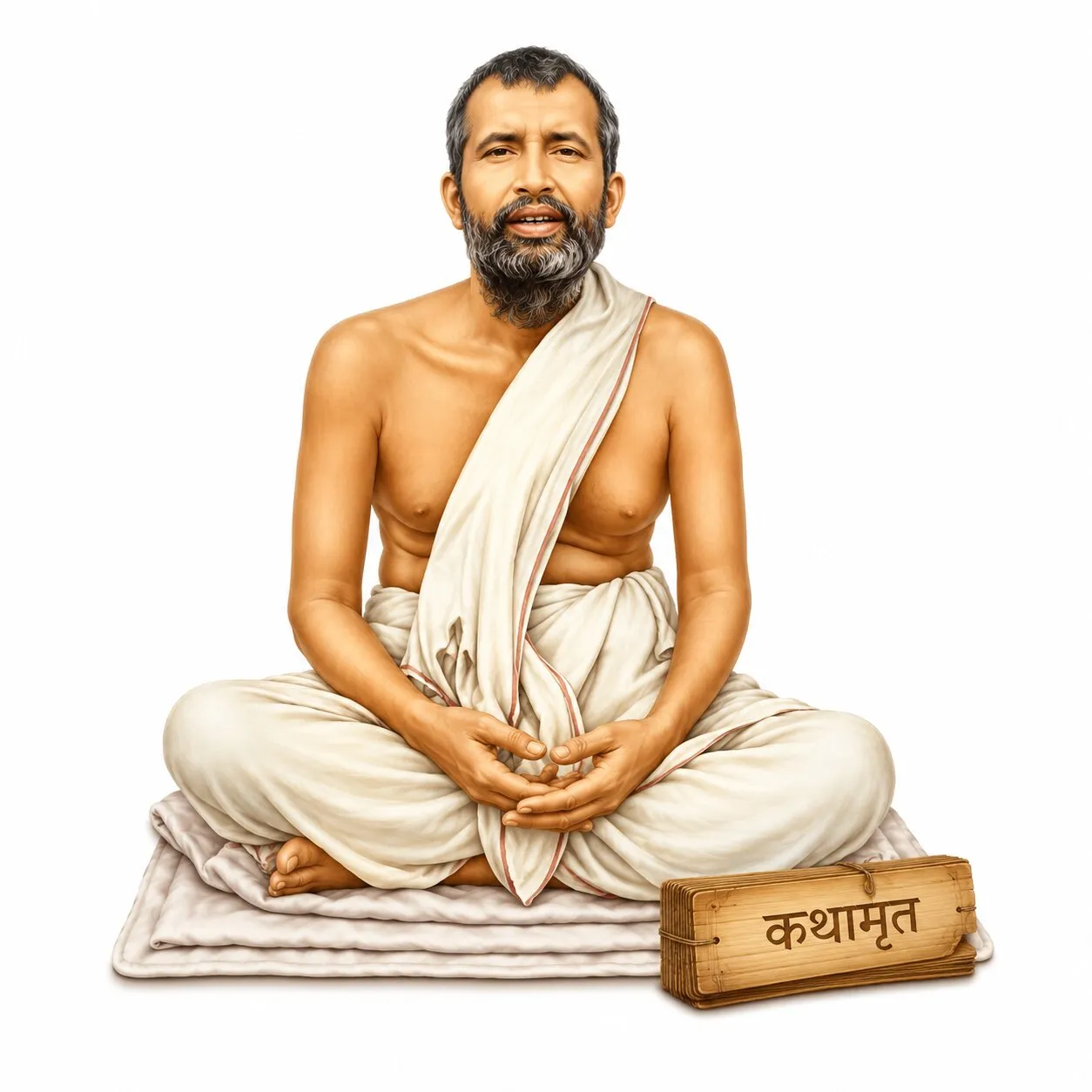
Sri Ramakrishna Paramahansa was a great 19th-century Indian saint, spiritual master and a devotee of Goddess Kali. He is considered one of the most influential spiritual figures of modern India. Ramakrishna Paramahansa demonstrated through his life that there may be different paths to reach God, but the ultimate goal of all paths is the same. He preached the message of devotion, love, sadhana, tolerance and equality among all religions. His teachings have made a significant contribution to bringing about spiritual awakening not only in India but also in the whole world.
Birth and early life of Ramakrishna Paramahansa
Sri Ramakrishna Paramahansa was born on February 18, 1836, in the village of Kamarpukur in West Bengal. His childhood name was Gadadhar Chattopadhyay. His father Khudiram Chattopadhyay and mother Chandramani Devi were highly religious and cultured. Since childhood, Gadadhar had a special attraction to Bhagwan. He was immersed in bhajans, worship and spiritual contemplation. His divine experiences and spiritual inclinations were visible from childhood.
Dakshineshwar Kali Temple and Spiritual Practice
Ramakrishna Paramhansa served as a priest at the Dakshineshwar Kali Temple near Kolkata. Here he devoted himself completely to the worship of Mother Kali. His devotion was so intense that he often entered a state of divine trance and spiritual realization. He not only practiced Shakti Upasana but also experienced her truth through the practice of Vaishnava, Tantric, Vedanta and other spiritual traditions.
The message of universal equality
Ramakrishna Paramahansa's greatest contribution is his message of universal equality. He practiced not only Hinduism but also Islam and Christianity. Based on his experiences, he said that all religions lead to the same ultimate truth. He used to say that just as different rivers meet in the ocean, different religions also ultimately lead to the same God. This ideology promoted religious tolerance and global unity.
Swami Vivekananda and Ramakrishna Paramahansa
Ramakrishna Paramahansa's most famous disciple was Swami Vivekananda. The young Narendranath Dutt (later Swami Vivekananda) was deeply influenced by the life and teachings of Ramakrishna Paramahansa. Ramakrishna Paramahamsa inspired Vivekananda to follow the path of spiritual knowledge and human service. Later, Vivekananda established the Ramakrishna Mission and spread his guru's message to the whole world.
Teachings of Ramakrishna Paramahamsa
Ramakrishna Paramahamsa's teachings were based on love, devotion, selflessness, self-knowledge and God-realization. He believed that a sincere heart, pure devotion and a truthful life were necessary to attain God. He considered the renunciation of ego, human service and spiritual practice as the main pillars of life. His teachings are still an inspiration to millions of people who follow the spiritual path today.
Ramakrishna Mission and Legacy
To further the ideas and teachings of Ramakrishna Paramahamsa, his disciple Swami Vivekananda founded the Ramakrishna Mission in 1897. Today, this organization is doing important work in the fields of education, health, disaster relief and spiritual awakening around the world. Ramakrishna Paramahamsa's legacy is still alive in the lives of millions of people.
Conclusion
Shri Ramakrishna Paramahamsa was a great saint, spiritual master and a pioneer of interfaith harmony. He demonstrated through his life that the basic message of all religions is love, devotion and God-realization. His teachings played a significant role in the spiritual renaissance of modern India. Even today, the life and thoughts of Ramakrishna Paramahamsa inspire millions of people to move forward on the path of peace, devotion and self-knowledge.