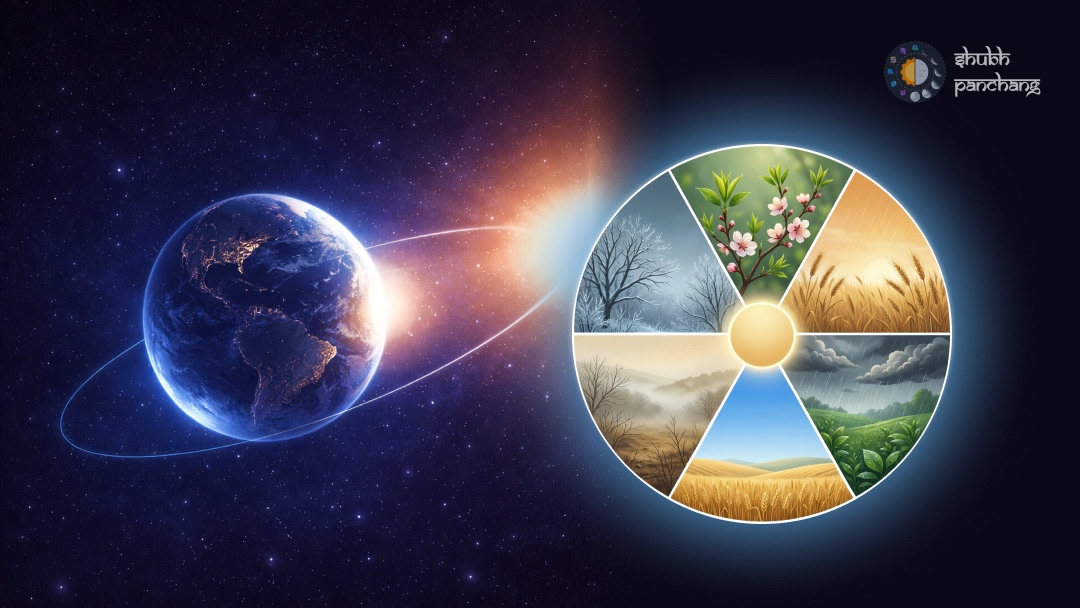




What are Planetary Transits in Vedic Astrology?
Planetary transits, known as Gochar in Vedic astrology, represent the continuous movement of planets through the twelve zodiac signs. While a birth chart or Janm kundali serves as a static snapshot of the heavens at the moment of birth, transits reflect the current, live positions of celestial bodies. According to the Surya Siddhanta, these ongoing movements create dynamic interactions with an individual’s natal planetary placements, triggering specific life events, emotional shifts, and opportunities for growth. Understanding Gochar allows individuals to align their actions with the prevailing celestial rhythms rather than working against them.
Understanding Transits vs. Birth Charts and Dashas
The impact of a Planet Transit is always analyzed in the context of the natal chart and the current Dasha period. In the hierarchy of jyotisha, the birth chart provides the foundational potential, the Mahadasha (major planetary period) determines the timing of manifestation, and the transit acts as the immediate delivery mechanism or trigger. For example, even a favorable Jupiter transit may yield limited results if the underlying Dasha is unfavorable. Conversely, a challenging transit might be experienced as a manageable lesson if the natal chart is strong and the Dasha period is supportive.
Analyzing Gochar via Moon Sign and Ascendant
Vedic astrology primarily evaluates transits from the Chandra Lagna or the Moon sign because the Moon governs the mind and emotional perception. When a planet enters a house relative to the natal Moon, it influences the individual’s psychological state and immediate environment. However, a comprehensive analysis also considers the transit from the Ascendant (Lagna) to predict physical and tangible outcomes. The Phaladeepika notes that the strength of the transiting planet is further determined by the Ashtakavarga system, which provides a numerical value to the benefic or malefic nature of a planet's movement through a specific sign for a specific individual.
Influence of Major Planetary Transits on Life
Each planet brings a unique thematic influence as it moves through the zodiac signs. The Sun transit lasts about 30 days and influences confidence, authority, and health. The Moon moves every 2.25 days, affecting daily moods and mental peace. Mercury transits impact communication, commerce, and learning, while Venus governs relationships, luxury, and creativity. Mars transits bring energy, courage, or potential conflict. Jupiter, the planet of expansion, stays in a sign for approximately one year, marking periods of spiritual and material growth. Saturn, the slowest mover at 2.5 years per sign, brings discipline, karmic accountability, and responsibility. Rahu and Ketu, the shadow planets, move backward and often signify sudden changes, unconventional thinking, and spiritual detachment.
Significant Transit Concepts: Sade Sati and Retrogrades
Certain transit phenomena are particularly significant in Vedic timekeeping, most notably the Shani Sade Sati and planetary retrogrades. Sade Sati occurs when Saturn transits through the 12th, 1st, and 2nd houses from the natal Moon, a period traditionally associated with intense introspection and the clearing of karmic debts. Retrograde motion (Vakra Gati) occurs when a planet appears to move backward from Earth's perspective. According to the Brihat Samhita, retrograde planets become exceptionally strong, often forcing an individual to revisit past actions or internalize the themes associated with that planet, such as re-evaluating communication during a Mercury retrograde.
Impact of Transits on Career, Relationships, and Health
Transits influence different life areas by activating the various houses of the horoscope. A transit through the 10th house from the Moon or Lagna typically impacts career and public image, while the 7th house governs marriage and business partnerships. Financial fluctuations are often tied to transits in the 2nd and 11th houses. Health and emotional stability are monitored through transits in the 6th, 8th, or 12th houses. It is essential to recognize that these influences are not identical for everyone; the specific results are modified by the conjunctions and aspects formed between the transiting planet and the planets in the natal birth chart.
Spiritual Remedies and Practices During Difficult Transits
Vedic tradition offers several spiritual practices to balance the perceived negative effects of challenging planetary transits. These remedies focus on mental discipline and karmic alignment rather than superstitious avoidance. Common practices include mantra chanting (Japa) to stabilize the mind, and performing charity (Dana) or selfless service (Seva) to mitigate Saturn or Rahu’s restrictive influences. Fasting (Vrat) on specific days of the week and engaging in meditation or Yoga are also recommended to maintain inner equilibrium. These practices are intended to strengthen the individual's willpower and spiritual resilience, allowing them to navigate difficult periods with grace.
Misconceptions and the Role of Human Effort
A major misconception in astrology is the belief that planetary transits represent an unchangeable fate. Astrology provides a map of tendencies and environmental pressures, not a fixed script of destiny. The influence of Gochar is indicative rather than causative; it shows the 'weather' of one's life, but human effort (Purushartha) and choices remain paramount. While modern tools like Panchang apps make it easy to track transits daily, it is important to avoid becoming overly dependent on them. Use transit data as a guide for timing and self-reflection, maintaining a balanced perspective that prioritizes practical action and logic.
Conclusion: Personal Growth Through Celestial Awareness
Planetary transits symbolize the inherent rhythms and cycles of human existence, reminding us that no phase is permanent. By observing these movements, one can learn when to push forward with new initiatives and when to focus on introspection and discipline. The goal of studying Gochar is to foster personal growth, adaptability, and spiritual groundedness. Whether one is experiencing an expansive Jupiter cycle or a restrictive Saturn phase, the objective remains to stay centered and use the insights of Vedic astrology to lead a more aware and purposeful life.