







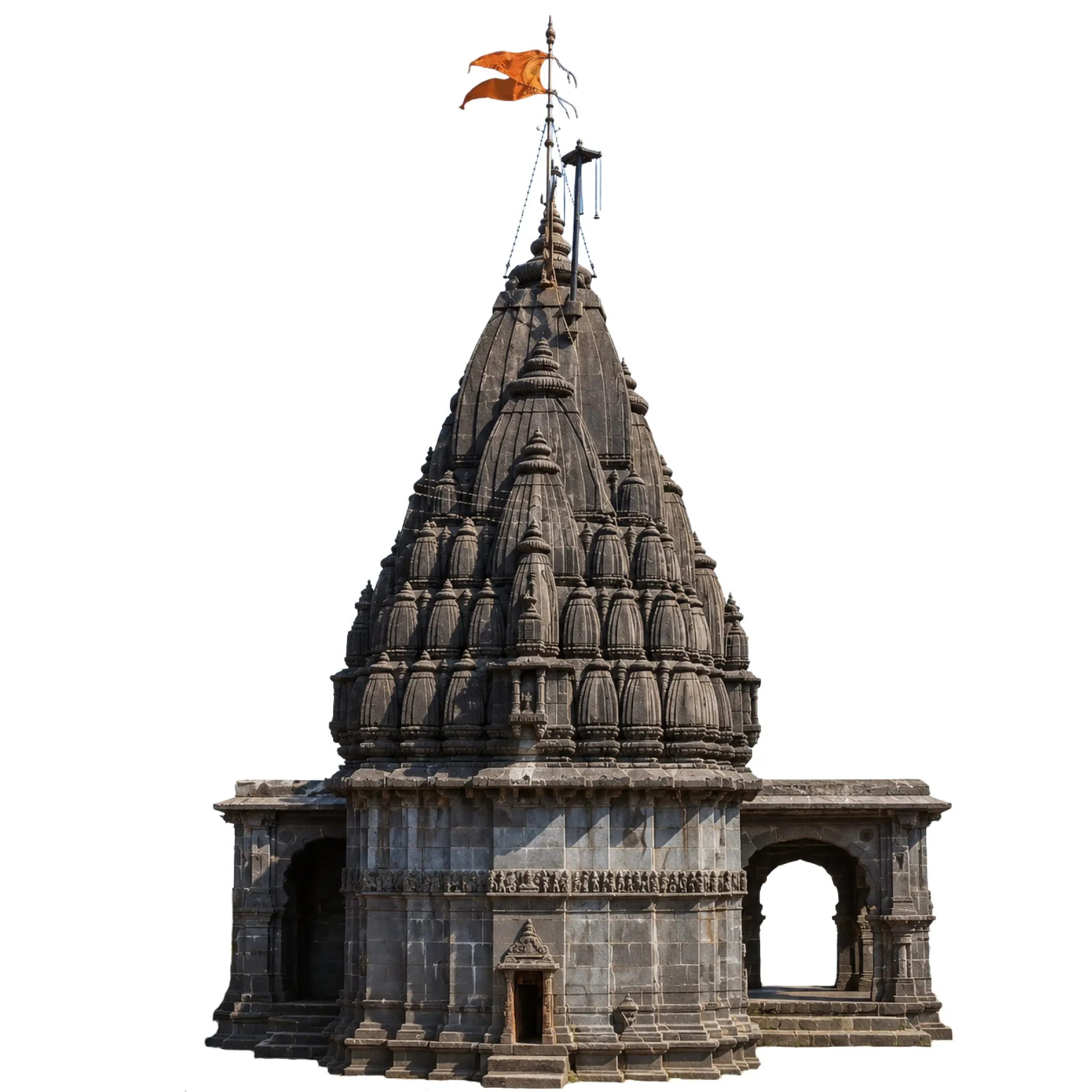
Shri Bhimashankar Jyotirlinga Introduction
The sixth Jyotirlinga of the twelve Jyotirlingas of Lord Shiva is famous as Shri Bhimashankar. This holy Shivdham located near Pune in the Sahyadri mountain range of Maharashtra state is considered to be a symbol of the most powerful and benevolent form of Lord Shiva. This pilgrimage site located near the source of the Bhima river is a unique confluence of nature, spirituality and devotion.
The Bhimashankar Temple, nestled amidst dense forests and mountains, gives devotees a sense of divine peace. It is believed that the sight and worship of Lord Bhimashankar destroys sins and brings happiness, prosperity and spiritual advancement in life.
Religious Importance of Bhimashankar Jyotirlinga
According to the Shiva Purana, Lord Shiva assumed the form of Bhimashankar to protect his devotees and destroy unrighteousness. This holy Jyotirlinga is a living symbol of Lord Shiva's devotion and divine power. Many Shiva devotees come here for special darshan during Mahashivratri and Shravan month.
Bhimashankar Dham is not only known as a Jyotirlinga, but also as a powerful austerity. The holy atmosphere here concentrates the mind in meditation and sadhana.
The story of the appearance of Shri Bhimashankar Jyotirlinga
In ancient times, a powerful demon named Bhima lived in the Sahyadri mountains. He was the son of Ravana's brother Kumbhakarna and in the arrogance of his strength, he used to hurt sages and devotees. Bhima's atrocities spread unrest all over the earth.
One day Bhima learned about his father's death from his mother Karkati. Hearing about the killing of Kumbhakarna by Lord Shriram, Bhima became extremely angry and resolved to take revenge on the gods.
He did severe penance and received the boon of extraordinary power from Brahmaji. After that, Bhima defeated the gods and kings and started spreading unrighteousness. King Sudakshin of Kamarupa was a great devotee of Lord Shiva. Bhima imprisoned him, but even in jail, King Sudakshin continued to worship Lord Shiva by making a Shivlinga on earth.
Pleased with the unwavering devotion of King Sudakshina, Lord Shiva appeared there. Bhima got angry and tried to attack the Shivalinga, but Lord Shiva took the form of “Bhimeshwar” and killed the demon Bhima. After that, Lord Shiva settled at that place in the form of a Jyotirlinga and became famous as Bhimashankar.
Description of Bhimashankar Temple
The Bhimashankar Temple is built in the ancient Nagar style of architecture. The forest area around the temple is also known as “Bhimashankar Wildlife Sanctuary”, where various rare animals and birds are found.
The sanctum sanctorum of the temple is considered very sacred, where the self-contained Jyotirlinga of Lord Shiva is installed. Devotees worship Lord Shiva here through Abhishek, Rudrapath and special pujas.
Major pilgrimage sites associated with Bhimashankar
There are many holy places around Shri Bhimashankar Dham, of which Gupta Bhimashankar, Sakshi Vinayak Temple, Kamalja Mata Temple, Bhorgiri and Hanuman Lake are of special importance.
Shri Bhimashankar Jyotirlinga Mantra
To get the grace of Lord Bhimashankar, devotees chant the following mantra:
“Om Bhimashankarai Namah”
“Om Namah Shivaya”
Importance of Bhimashankar Yatra
Bhimashankar Yatra gives the devotees spiritual strength and peace of mind. This journey amidst the Sahyadri mountains offers a wonderful experience of natural beauty and devotion.
It is believed that the darshan of Bhimashankar removes the sufferings of life and brings the special grace of Lord Shiva.
shankar Dham is also known as the source of Bhima River and this river is considered important for Maharashtra.