









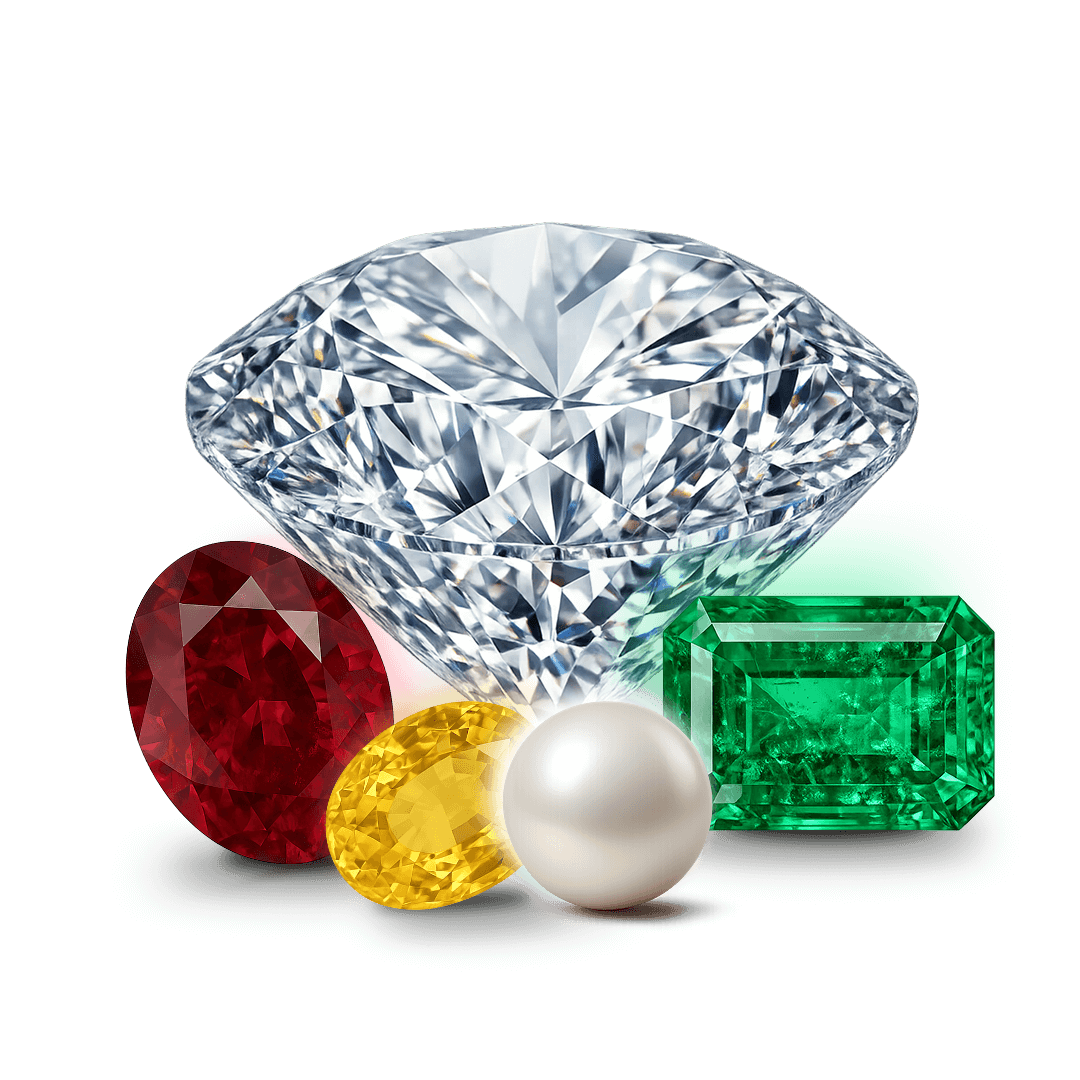
What is a Gemstone?
Gemstones are precious and semi-precious minerals created by nature, which have special significance in Hinduism, Vedic astrology and spiritual traditions. Since ancient times, gemstones have been worn not only for beauty and adornment, but also for auspiciousness, prosperity and planetary auspiciousness. According to Vedic astrology, each gemstone is related to a planet and it is believed that wearing the right gemstone can have a positive impact on a person's life.
In Hindu tradition, gemstones have been associated with the nine planets. Different gemstones have been assigned to the Sun, Moon, Mars, Mercury, Jupiter, Venus, Saturn, Rahu and Ketu. These gemstones are known as "Navratnas". Ancient kings, emperors and saints also wore gemstones as symbols of auspiciousness and protection.
Gems are not only astrologically significant but also culturally, historically and spiritually significant. Even today, millions of people wear various gemstones according to their zodiac sign, planetary position or personal beliefs. However, it is considered advisable to consult a knowledgeable astrologer or expert before wearing any gemstone.
Navratnas and their planets
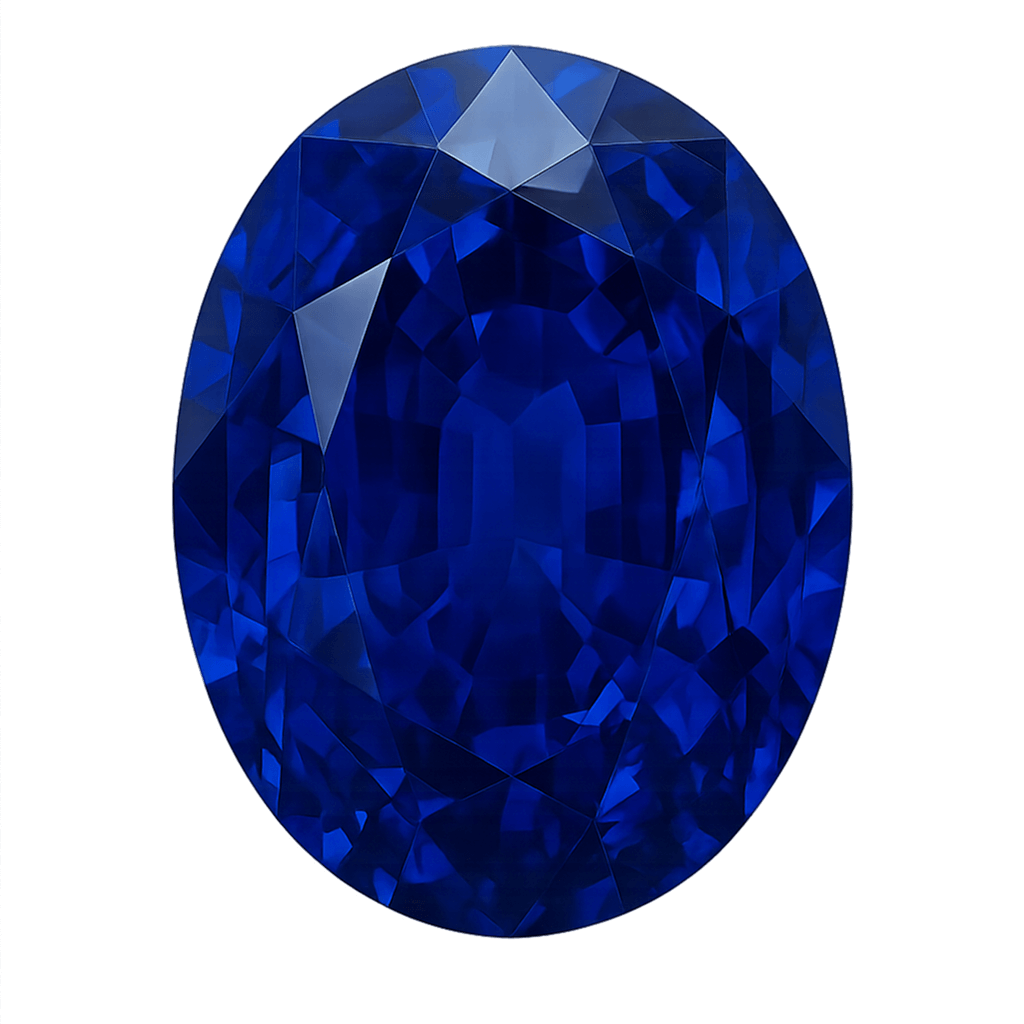
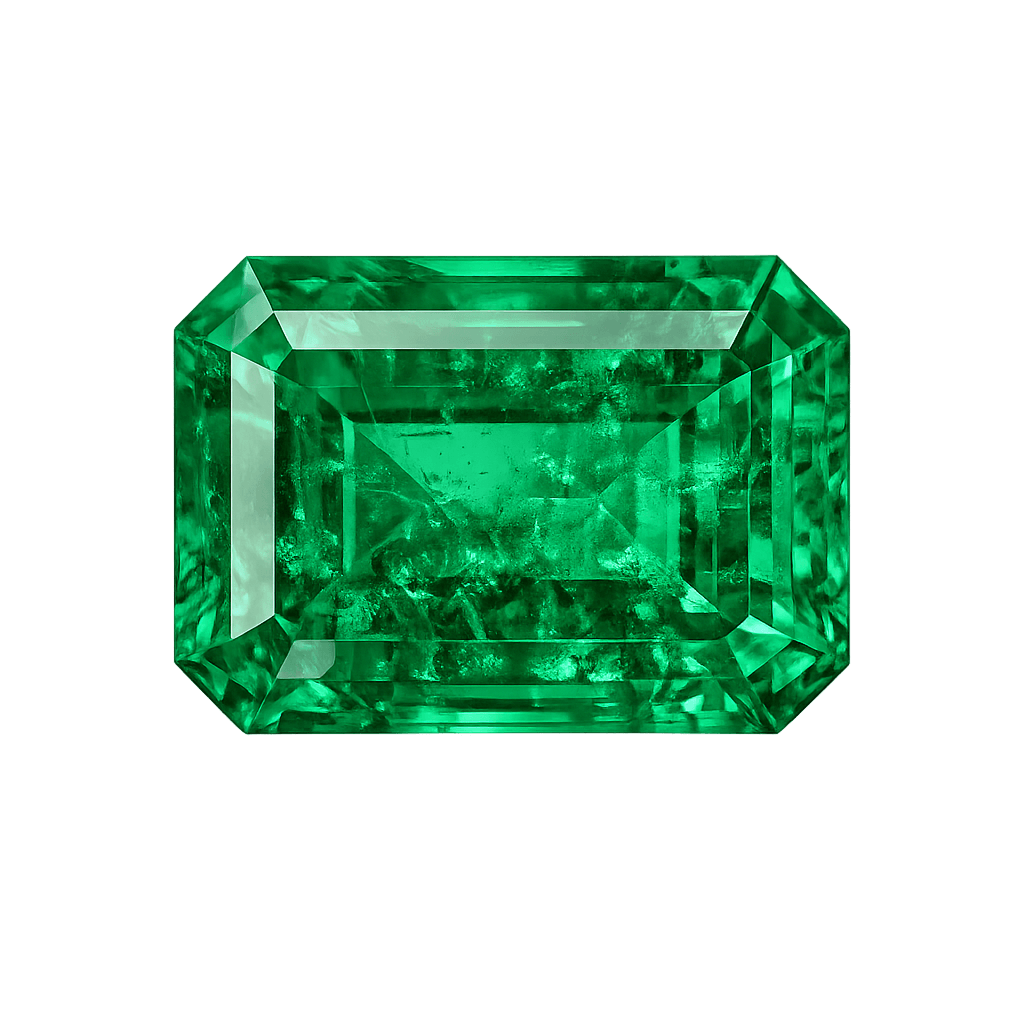
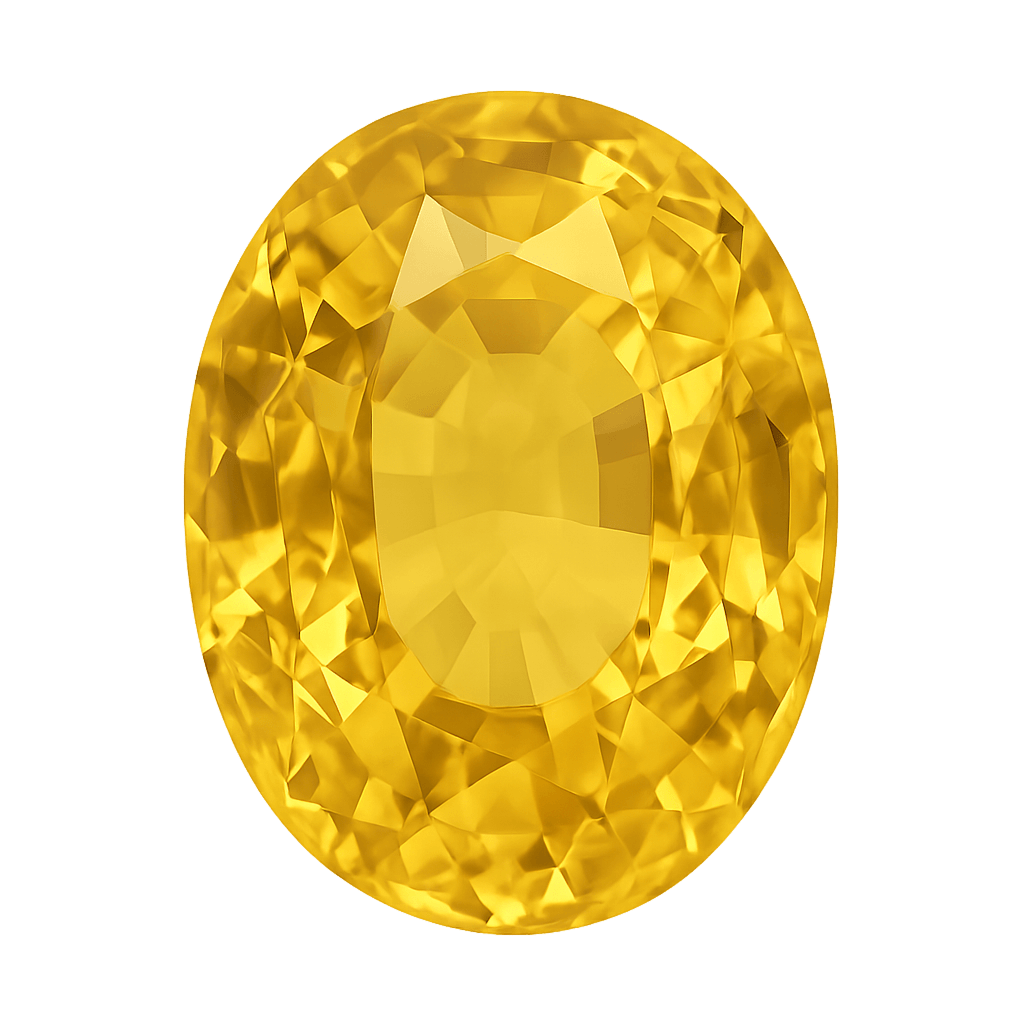
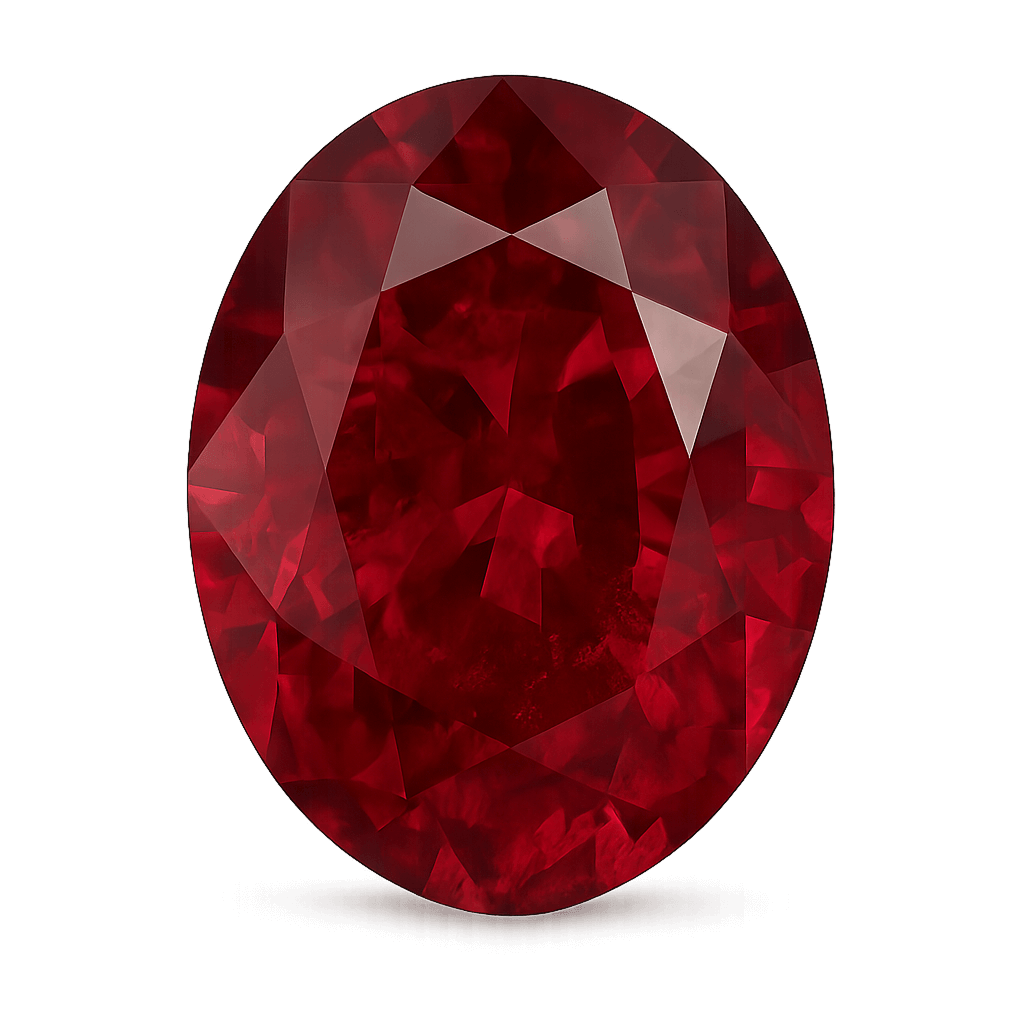
Manek (Sun), Moti (Moon), Mungo (Mars), Panna (Mercury), Pukhraj (Jupiter), Hero (Venus), Neelam (Saturn), Gomed (Rahu) and Lahsuniya (Ketu) are considered to be the main Navratnas associated with the Navagrahas.
Religious and Astrological Significance of Gemstones
In Vedic astrology, gems are considered to symbolize the energy of the nine planets. It is believed that wearing the right gemstone increases the auspiciousness of the planet concerned and can lead to positive results in life. Many people wear gems for education, career, health, wealth and spiritual development. However, beliefs about gems are based on religious and astrological traditions.
Special Importance of Navaratna
Navaratna consists of nine main gems and is considered to symbolize the balance of the nine planets. In ancient times, kings and rulers used crowns, ornaments and thrones studded with Navaratna. Wearing Navaratna is considered to symbolize auspiciousness, prosperity and all-round well-being.
Selection of Gemstones
Gemstones are usually selected based on the horoscope, zodiac sign, constellation or planetary position. Each gemstone has its own unique significance and not all gemstones are suitable for the same person. Therefore, it is important to seek proper guidance before wearing a gemstone.
Place of Gemstones in Hindu Culture
In Hindu culture, gemstones are considered a symbol of auspiciousness, splendor, beauty and spiritual power. Gemstones are mentioned in many religious texts, Puranas and the history of dynasties. Precious gemstones are also used in the ornaments of gods and goddesses in temples.
Conclusion
Gemstones are an important part of Hindu religion, Vedic astrology and Indian culture. From the Navaratnas to various precious stones, they are believed to be associated with auspiciousness, prosperity and planetary energy. Gemstones have a special place in religious and astrological traditions and are still worn by millions of people with faith and devotion.