


Introduction
Indira Ekadashi is observed on the Ekadashi (11th day) of the Krishna Paksha (waning phase) in the month of Ashwin. This sacred day is dedicated to Lord Vishnu and holds immense importance for attaining salvation not only for oneself but also for the peace of one's ancestors. It typically falls during the Pitru Paksha period, enhancing its significance as a day for ancestral liberation.
Religious Significance
According to the Brahmavaivarta Purana, by observing the Indira Ekadashi fast, devotees can help their departed forefathers attain moksha (liberation from the cycle of rebirth). The fast and prayers offered on this day help in washing away sins and bringing peace to souls in the afterlife.
Story from Scriptures
The legend speaks of King Indrasena of Mahishmati, who was visited by Sage Narada. Narada told him that his deceased father was suffering in the afterlife. He advised the king to observe Indira Ekadashi fast with full devotion. The king followed the rituals strictly, and as a result, his father's soul was liberated and attained heaven.
Observance and Rituals
-
Fasting: Devotees observe a strict fast, often without water (nirjala), while some consume fruits and milk.
-
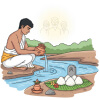
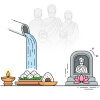
Shraddha and Tarpan: Offerings are made to ancestors with sesame seeds, water, and food donations.
-
Vishnu Puja: Lord Vishnu is worshipped with Tulsi leaves, incense, lamps, and Vishnu Sahasranama chanting.
-
Night Vigil: Devotees stay awake at night singing bhajans and reciting holy scriptures.
Spiritual Meaning
Indira Ekadashi promotes spiritual upliftment, detachment from worldly pleasures, and compassion for the deceased. It helps build the virtues of gratitude and familial duty in the devotee’s heart.
Conclusion
Indira Ekadashi is a deeply spiritual occasion aimed at helping both the living and the departed. By observing this Ekadashi, one not only purifies their soul but also performs a sacred duty toward their forefathers, helping them attain peace and liberation.