


Introduction
Ekadashi Shraddh is observed on the 11th day (Ekadashi Tithi) of the Krishna Paksha during Pitru Paksha. It is a sacred ritual dedicated to offering homage to ancestors who passed away on this lunar date.
Spiritual Significance
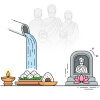
According to Hindu belief, honoring ancestors during Pitru Paksha helps liberate their souls and brings peace and prosperity to the family. Ekadashi is already considered a spiritually powerful day in the Hindu calendar, and when Shraddh is performed on this tithi, it is said to have multiplied benefits.
Who Should Perform Ekadashi Shraddh
The eldest son or male family member, or anyone responsible for performing the ancestral rites, should conduct this Shraddh. It is performed especially for those ancestors who departed on Ekadashi Tithi.
Key Rituals
-
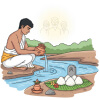
Tarpan with sesame seeds, water, and barley
-
Pinda Daan with rice balls
-
Offering food to cows, dogs, and crows
-
Feeding and giving Dakshina to Brahmins
-
Charity of clothes, food, or money
Scriptural Context
Garuda Purana and other scriptures highlight that Shraddh performed on the appropriate tithi ensures peace to the ancestors and fulfillment of family duties. It reduces Pitru Dosha and helps the soul progress toward Moksha.
Conclusion
Ekadashi Shraddh is a meaningful and pious way to express respect, duty, and gratitude toward one’s ancestors. It ensures harmony between the departed souls and the living lineage.