


troduction
Dashami Shraddh is observed on the 10th day (Dashami Tithi) of the Krishna Paksha during the Pitru Paksha period. It is performed to honor the departed souls who passed away on the Dashami date of any month according to the Hindu lunar calendar.
Spiritual Significance
This ritual holds immense value in Hindu traditions. Performing Shraddh on the exact lunar date ensures that the ancestors receive the offerings and blessings are bestowed upon the family. Dashami Shraddh is considered spiritually purifying and helps in clearing ancestral debts (Pitru Rin).
Who Should Perform Dashami Shraddh
The closest male descendant (usually the eldest son or grandson) performs the Shraddh. It is especially done if the deceased passed away on Dashami Tithi. In the absence of a son, a close male relative can also perform the rites.
Main Rituals
-
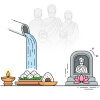
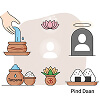
Tarpan (offering water mixed with sesame and barley)
-
Pinda Daan (offering of rice balls to ancestors)
-
Feeding cows, crows, and dogs
-
Offering food, clothes, and dakshina to Brahmins
-
Acts of charity to the needy
Scriptural Basis
The Garuda Purana and other Hindu scriptures state that timely Shraddh ensures the journey of the soul toward peace and liberation (moksha). It is believed that ancestors bless their descendants with happiness, health, and prosperity when properly honored.
Conclusion
Dashami Shraddh is a sacred duty that strengthens the bond between generations. It expresses gratitude, ensures spiritual harmony, and invites divine blessings into one’s life.