





Is Fasting Just About Food or Something Deeper?
Have you ever wondered why, in almost every Hindu household, there’s always someone skipping a meal for a 'Vrat'? I used to think it was just an old-school way of showing devotion, but after years of practice and deep diving into Vedic wisdom, I’ve realized it’s something far more pivotal. It’s like a cosmic reset button for your entire being. Think of fasting not as 'starving' but as a pivotal tool for self-mastery . In our tradition, we call it Vrat , which essentially means a 'vow' or a 'firm resolve.' It is a conscious choice to tell your senses, 'Hey, I am the master here, not my cravings.' But what if I told you that by emptying your stomach, you are actually filling your soul with clarity?
The Soul's GPS: Fasting as Your Cosmic Alignment
Interestingly, our ancestors didn't just pick dates out of a hat. They were master astronomers. I've noticed that fasting usually aligns with specific lunar phases or planetary shifts. For instance, many of us observe Somvar Vrat to align with the calming lunar energies of Lord Shiva. It’s fascinating how our bodies—which are mostly water—respond to the moon’s pull just like the tides. By fasting during these shifts, we aren't just following a ritual; we are synchronizing our internal rhythm with the universe's heartbeat. It’s like updating your spiritual software to the latest version, ensuring you’re running at peak performance without any lag from heavy, unprocessed energy.
Devotion in Motion: The Magic of Maha-Shivratri and Navratri
Initially, I thought staying awake and hungry during Maha-Shivratri was just about endurance. But then, I felt it—that profound stillness that comes when you stop the constant noise of digestion. It creates a space for genuine prayer. Similarly, during the vibrant days of Navratri , we shift our focus from worldly consumption to inner strength. These aren't just festivals; they are masterclasses in sensory control . Whether it’s the intense devotion of Ekadashi or the festive discipline of Navratri, each fast is a step closer to understanding our true nature beyond the physical body. It’s beautiful, really, how a simple act of restraint can bloom into such immense spiritual joy.
The Science of the Sacred: Detox and Mental Clarity
What's fascinating is how modern science is finally catching up with our ancient sages. We talk about 'autophagy' now—the body's way of cleaning out damaged cells—but our Shastras knew this as Shuddhikaran (purification) centuries ago. I’ve seen practitioners, including myself, experience a sharp spike in focus after the initial hunger pangs fade. It’s not a coincidence. When your body isn't busy processing a heavy lunch, that energy goes straight to your brain. It promotes emotional balance and washes away the 'mental fog' that many of us struggle with in our busy professional lives. It’s a natural detox that doesn't cost a penny but pays dividends in health and peace.
Practical Tips for Your Modern Vrat
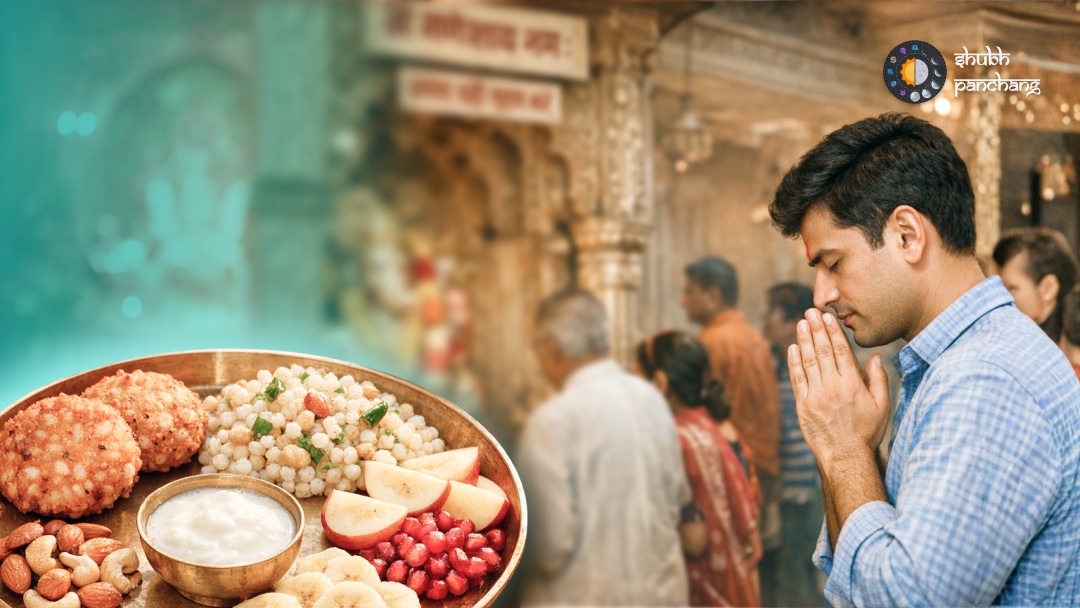
Wait until you discover how much easier life becomes when you approach fasting with the right mindset! Don't just jump into a 'water-only' fast if you're a beginner. Start small. Maybe try Phalahar (fruit-based) or just avoid salt for a day. The key is consistency and intention . Use the time you’d usually spend cooking or eating to meditate or read a sacred text. Remember, the goal isn't to suffer; it's to simplify. If you feel irritable, you might be 'ego-fasting' rather than 'soul-fasting.' Keep a gentle smile, stay hydrated, and remind yourself that you are doing this to honor the divine light within you. It’s a journey of gratitude, not a marathon of deprivation.
Conclusion: A Harmony of Body and Spirit
At the end of the day, fasting in Hinduism is a beautiful bridge between our physical health and our spiritual growth. It teaches us moderation in a world that constantly screams for 'more.' By choosing to step back, we actually step forward into a higher state of awareness. I challenge you to try a simple fast this coming week—not because you have to, but because you want to see what your soul feels like when it’s not weighed down. You might just find that the lightest days are the ones where you feel the most powerful. Let the tradition of Vrat be your guide to a life of mindfulness and deep, inner peace.