




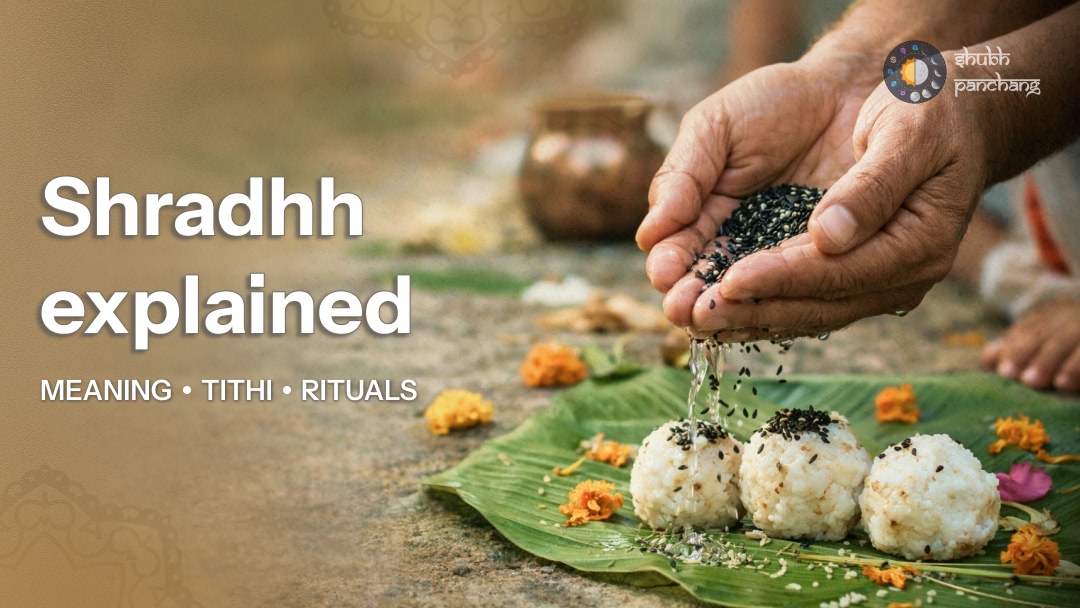
Why We Remember: The Soulful Essence of Shraddha
I've spent years sitting with families who feel a sudden, inexplicable tug at their hearts as the monsoon clouds begin to part. It’s a call from the blood, a whisper from those who came before us. In our fast-paced digital world, the word Shraddha often gets dismissed as a mere ritual, but it is so much more. Derived from the word 'Shraddha' (faith), it literally means an act performed with absolute sincerity and devotion. Think of it as a bridge of gratitude connecting the living with the departed. In my practice, I’ve seen how performing these rituals brings a sense of closure and immense peace to the grieving heart. It isn’t about fear; it’s about acknowledging that we are the living extensions of our ancestors' dreams. But what if I told you that this simple act of offering water could shift the energetic balance of your entire lineage? It’s like sending a cosmic thank-you note that resonates across the dimensions of existence.
Ancient Wisdom: What the Shastras Tell Us
The Sacred Duty of Pitru Rin
Initially, I used to wonder why the Garuda Purana or the Mahabharata placed such heavy emphasis on these rites. But after seeing the transformative power of these rituals, I realized it's about the concept of 'Pitru Rin'—our ancestral debt. The Dharma Shastras remind us that our physical bodies are gifts from our ancestors, and Shraddha is the way we repay that biological and spiritual loan. Even the mighty Bhishma Pitamah spoke of the importance of these rituals to Yudhishthira. It’s a pivotal duty. When we perform these rites, we aren't just following old books; we are providing the 'fuel' (in the form of spiritual energy) that helps the soul transition toward liberation or Moksha . I’ve noticed that families who regularly honor their ancestors tend to have a certain groundedness, a strength that feels like it’s backed by an invisible army of well-wishers.
Cracking the Code: The Lunar Math of Shradhh Tithi
Here’s the thing that confuses most people: why does the date change every year? Well, the Gregorian calendar is great for your office meetings, but for spiritual resonance, we use the Panchang . Your grandfather’s 'Punyatithi' isn’t a fixed date in October; it’s a specific lunar phase, a Tithi. For instance, if a loved one passed on the Pratipada (first day) of the dark fortnight, their Shraddha happens on that same Tithi every year. Calculation can be tricky because of how lunar days overlap with sunrise. To make your life easier and ensure you never miss this sacred window, I always suggest using a reliable Shraddha Tithi Calculator to find the exact day. It’s like a cosmic GPS, ensuring your offerings reach the right destination at the precise moment the veil between worlds is thinnest.
The Golden Window: Pitru Paksha and Sarva Pitru Amavasya
The 16 Days of Grace
Wait until you discover the significance of Pitru Paksha . This 16-day lunar period in the month of Bhadrapada or Ashvin is when the sun enters Virgo, and tradition says the gates of the ancestral realm open wide. It is a period of deep reflection. But what if you don't know the exact date a relative passed away? Don't worry; our tradition is incredibly compassionate. This is where Sarva Pitru Amavasya comes in. It’s the final day of the fortnight and serves as a 'catch-all' day. Whether you forgot the Tithi or the person died in an accident, this day allows you to honor everyone. It’s a beautiful safety net of grace, ensuring no soul is left hungry or forgotten in the cosmic shuffle.
The Rituals: Tarpan, Pind Daan, and the Power of Charity
Performing Shraddha involves a few key steps that might seem complex but are deeply symbolic. Tarpan is the offering of water mixed with black sesame seeds—water represents life, and sesame represents permanence. Then there is Pind Daan , where balls made of rice or barley flour are offered. I often tell my clients, 'You aren't just feeding a soul; you are nourishing your own roots.'
Feeding the hungry, especially Brahmins or the needy, is a vital part of the process.
In many traditions, we also offer food to crows (as messengers of Yamaraj), dogs, and cows. It’s a reminder that the divine resides in all living beings. When you give to the poor in the name of your father or mother, you are essentially channeling their goodness back into the world. It’s a beautiful way to keep their legacy of kindness alive.
Spiritual Science: Beyond the Surface Rituals
Is there a psychological aspect to this? Absolutely. Shraddha acts as a structured way to process grief and maintain a connection with our lineage. It reminds us that we are not isolated islands but part of a long, flowing river. I’ve observed that the act of remembrance actually helps in healing transgenerational trauma. By acknowledging our ancestors, we acknowledge the strengths and even the struggles we've inherited. It brings a sense of family harmony and removes 'Pitru Dosha'—those invisible blockages in our lives that keep us from succeeding despite our best efforts. It’s about creating a harmonious flow of energy from the past into the present. Interestingly, when we pray for their peace, we often find our own anxiety melting away. It’s a reciprocal blessing.
Living the Tradition: A Call to Action
In the end, Shraddha isn't just about the dead; it's about the living. It's a reminder that life is a continuous thread. My challenge to you is this: don’t just treat this as a checkbox on your religious to-do list. This year, sit for ten minutes in silence after your offerings. Feel the presence of your lineage. Use a Shraddha Tithi Calculator to be precise, and then perform your rites with a heart full of love. Whether you are a busy professional or someone deeply rooted in tradition, these rituals ground us. They remind us that we are the stewards of a sacred legacy. So, will you take a moment to honor the shoulders you stand upon? Your ancestors are waiting for that single drop of water offered with faith.