





The Triple Blessed Full Moon of Vaishakh
The Stillness of the Full Moon
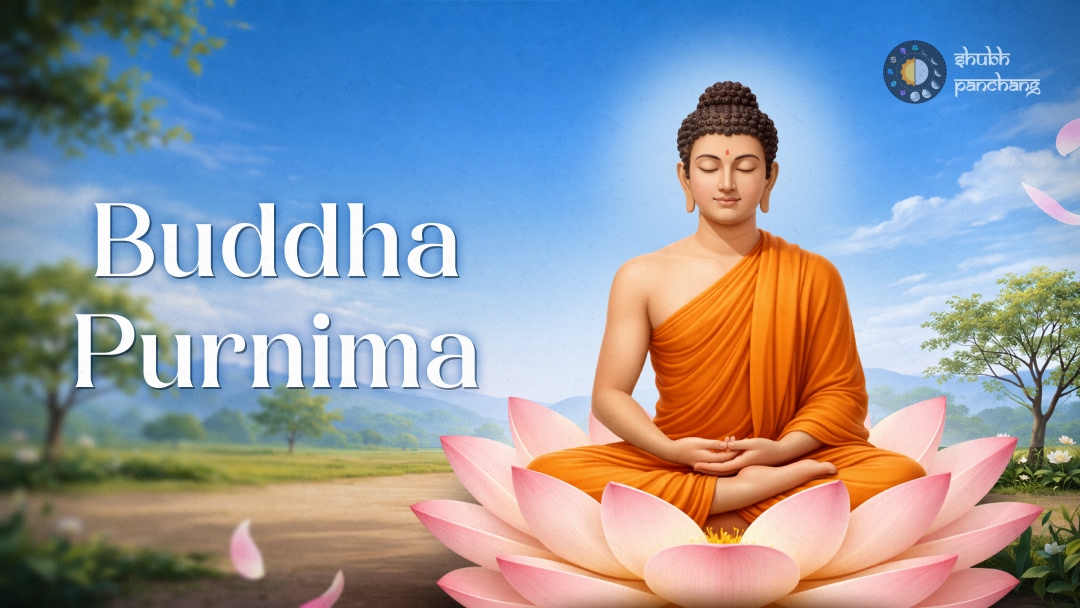
I’ve noticed that every year when the Vaishakh Purnima approaches, there is a distinct quality in the air—a certain stillness that feels different from any other full moon. After years of observing the lunar cycles as an astrologer, I can tell you that this isn't just my imagination. This is Buddha Purnima , a day so spiritually charged that it is often called 'triple-blessed.' Why? Because it marks the birth, the enlightenment (Bodhi), and the final passing (Mahaparinirvana) of Gautama Buddha. It is incredibly rare for a single soul to have all three major life milestones align on the same lunar date. For those of us following the Buddha Purnima traditions, this day serves as a cosmic GPS, recalibrating our internal compass toward peace and mindfulness. But what if I told you that the energy of this day is accessible to everyone, regardless of their religious path? It’s a time when the veil between the mundane and the spiritual feels exceptionally thin.
From Palace Walls to the Path of Truth
The Prince Who Wanted More Than Gold
Initially, I thought of Prince Siddhartha’s story as just another ancient legend, but the more I practice astrology and guide people through life’s crises, the more I see his struggle in all of us. Born into the lap of luxury in Lumbini , Siddhartha had everything—wealth, power, and a protected life. Yet, he felt a profound emptiness. Have you ever achieved a goal only to realize it didn't bring the happiness you expected? That was Siddhartha. His renunciation wasn't just about leaving a palace; it was a desperate search for the end of human suffering. When he witnessed the 'Four Sights'—an old man, a sick person, a corpse, and an ascetic—it wasn't just a sad moment; it was a pivotal realization that life is transient. He stepped away from his royal identity not out of duty, but out of a deep empathy for the collective pain of humanity. It takes immense courage to walk away from the known, doesn't it? But sometimes, the only way to find the Truth is to leave the comfort of the familiar.
The Moment Under the Bodhi Tree
The Transformation into the Awakened One
What’s fascinating about the Buddha’s journey is that he didn't find enlightenment through extreme self-mortification or by following the crowd. He found it through the Middle Way . After years of wandering, he sat under a Peepal tree in Bodh Gaya and made a vow: he would not rise until he found the answer. Can you imagine that level of focus? As the Purnima moon rose, the shadows of his mind cleared, and Prince Siddhartha became the Buddha , which literally means 'The Awakened One.' It’s such a beautiful metaphor—while the rest of the world was sleeping in the darkness of ignorance, he was waking up. In my practice, I often tell people that enlightenment isn't about reaching some far-off heaven; it’s about waking up to the reality of the present moment. That night, he discovered that the root of all suffering is attachment and desire, a lesson that remains shockingly relevant in our modern, consumer-driven world.
Wisdom for Life: The Four Noble Truths
A Manual for the Human Mind
Wait until you discover the simplicity of the Buddha’s core teachings. He didn't offer complex dogmas; he offered a diagnostic manual for the mind called the Four Noble Truths . First, he acknowledged that suffering exists (Dukkha). Second, he identified that suffering arises from craving and attachment. Third, he shared the good news: there is an end to this suffering! And fourth, he provided the prescription—the Eightfold Path. Here’s the thing: we often spend our lives trying to outrun pain or buy our way out of sadness. The Buddha suggests something radical: look directly at the pain, understand its source, and let go of the attachment that feeds it. It’s not about being emotionless; it’s about having a heart that is wide open but not desperately clinging to things that are destined to change. Isn't that a more peaceful way to live?
The Eightfold Path: A Practical Compass
Integrating Ancient Wisdom into Daily Routine
In our modern Vedic living, we often struggle to balance tradition with a busy career. The Eightfold Path is like a spiritual toolkit for the professional world. It covers Right Understanding, Right Intent, Right Speech, Right Action, Right Livelihood, Right Effort, Right Mindfulness, and Right Concentration . Think about it—how much smoother would our days be if we practiced 'Right Speech' by avoiding gossip, or 'Right Mindfulness' while answering stressful emails? I’ve seen clients transform their lives just by focusing on 'Right Livelihood'—ensuring their work doesn't harm others. This isn't just philosophy; it’s a practical strategy for success and mental health. It’s about being deliberate with our energy rather than just reacting to every cosmic shift or planetary transit that comes our way.
How the World Honors the Awakened One
A Global Tapestry of Celebration
Celebrating Buddha Purnima is an experience that transcends borders. From the quiet hills of Nepal to the vibrant temples of Sri Lanka and Thailand, the world turns into a sea of white. I’ve always been moved by the tradition of devotees wearing simple white clothing to signify purity and humility. In many households, a sweet dish called Kheer is prepared, reminiscent of the milk rice offered to Siddhartha by a young woman named Sujata right before his enlightenment. In temples, you’ll hear the rhythmic chanting of 'Buddham Saranam Gacchami' —I take refuge in the Buddha. There’s no loud music or chaotic revelry; instead, there is a profound sense of communal peace. People offer flowers and light oil lamps, symbolizing the light of wisdom that dispels the darkness of ignorance. It’s a beautiful reminder that even a small light can illuminate a vast room.
Sacred Footsteps: Pilgrimages of Peace
Standing Where History Changed
If you ever get the chance, I highly recommend visiting the 'Holy Circuit.' Bodh Gaya is where the enlightenment happened; it’s the spiritual heart of the world for Buddhists. Then there’s Sarnath , where the Buddha gave his first sermon, setting the 'Wheel of Dharma' in motion. And finally, Kushinagar , the place of his final transition. Standing in these spots, you can almost feel the residual energy of centuries of prayer. I remember visiting Sarnath and feeling an overwhelming sense of calm just by looking at the ancient Dhamek Stupa. Devotees from all over the world gather at these sites during Buddha Purnima to meditate together. There’s something incredibly powerful about thousands of people sitting in silence, focusing on the same intention of peace. It proves that despite our differences, we all seek the same liberation from suffering.
Living the Teachings in Our Daily Rush
Practical Spirituality for Today
So, how do we actually celebrate this in our own homes? It’s simpler than you might think. Many practitioners follow the 'Five Precepts' more strictly on this day—abstaining from harm, theft, misconduct, lying, and intoxicants. A very touching tradition is the 'releasing of birds' or captive animals, symbolizing a heart that wishes freedom for all sentient beings. Charity, or Dana , is also pivotal. Whether it’s offering food to the needy or spending time at an animal shelter, these acts of kindness are the true worship of the Buddha. Interestingly, many people choose to maintain a strictly vegetarian diet on this day to honor the principle of Ahimsa (non-violence). By making these small choices, we aren't just observing a festival; we are actively participating in the energy of compassion that the Buddha embodied.
Conclusion: A Universal Message of Hope
Reflections on the Path
As we wrap up our look at this sacred day, I want to leave you with a thought. Buddha Purnima is not just for Buddhists; it is a universal call to awaken. Whether you are navigating a difficult planetary transit or just trying to find some peace in a chaotic week, the Buddha’s message is clear: the light you are seeking is already within you. It’s just covered by the clouds of desire and distraction. I challenge you this year to spend even ten minutes in silence on the night of the full moon. Reflect on what you can let go of to make your heart lighter. After all, the greatest tribute we can pay to the Awakened One is to strive to be a little more 'awake' ourselves. May your path be filled with peace, your heart with compassion, and your mind with the clarity of the full moon. Happy Buddha Purnima!