


Understanding the Significance of the Eleventh Lunar Day
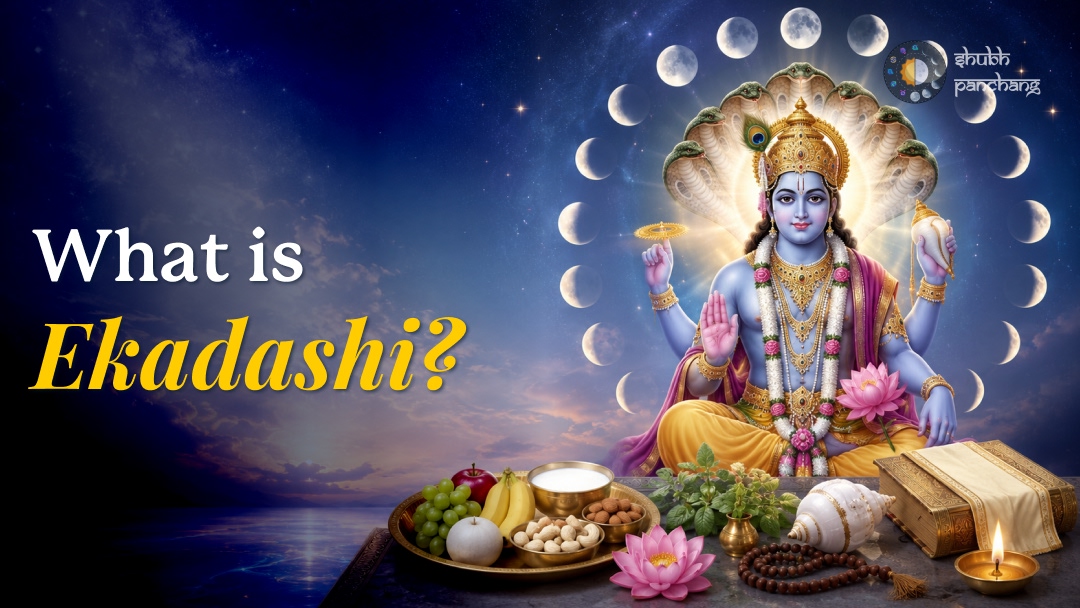
Ekadashi is the eleventh tithi (lunar day) of each of the two lunar phases in the Hindu calendar month—the Shukla Paksha (waxing moon) and the Krishna Paksha (waning moon). In a standard lunar year, there are typically 24 Ekadashis, with two additional ones occurring during the Leap Year or Adhik Maas. According to the Padma Purana, observing this day is considered one of the most effective ways to attain spiritual purification and the grace of Lord Vishnu. It is not merely a day of dietary restriction but a comprehensive spiritual discipline intended to detach the mind from worldly distractions and focus on divine consciousness. Devotees often plan their schedules by referring to the annual Hindu festival calendar to ensure they observe the correct tithi according to local sunrise timings.
The Etymological Meaning of Ekadashi
The word Ekadashi is derived from the Sanskrit terms 'Eka', meaning one, and 'Dasha', meaning ten, which together signify the number eleven. This refers to the eleventh day of the lunar fortnight. In Vedic timekeeping, the tithi is determined by the longitudinal angle between the Sun and the Moon. The eleventh day is considered a transition point where the lunar influence on the human mind and body is particularly potent. Scriptural texts like the Vishnu Purana suggest that on this day, the senses (five sense organs, five action organs, and the mind) are more easily controlled, making it the ideal time for 'Upavasa'—which literally means 'sitting near' the divine. The objective is to move beyond physical needs and establish a closer connection with the Paratman.
Lord Vishnu and the Origin of Ekadashi
Ekadashi is intrinsically linked to Lord Vishnu, the preserver within the Hindu Trimurti, and is often referred to as 'Hari-Vasara' or the day of Lord Hari. The mythological origin of this vrat is described in the Padma Purana, involving a battle between Lord Vishnu and a demon named Mura. During the struggle, a female deity emerged from Lord Vishnu’s body to slay the demon and protect the righteousness of the world. Impressed by her power and devotion, Vishnu named her 'Ekadashi' and declared that anyone who fasts on her day will be liberated from the cycle of birth and death. Consequently, the vrat is performed to seek Vishnu's blessings, with devotees engaging in continuous prayer and meditation to honor the energy that defeated negativity and ignorance.
The Spiritual and Mental Benefits of Fasting
The primary purpose of the Ekadashi fast is the purification of the mind and body through self-discipline and sense control. Traditionally, it is believed that the mind is more susceptible to emotional fluctuations during the eleventh day of the lunar cycle. By practicing austerity, a devotee stabilizes their mental state and strengthens their willpower. The Dharmasindhu emphasizes that fasting helps in the 'Kshaya' (destruction) of past negative karmas and the accumulation of 'Punya' (merit). It is viewed as a period for internal cleansing where the digestive system is rested, allowing the body’s energy to be redirected toward higher spiritual pursuits and contemplation. This holistic approach ensures that the practitioner remains balanced and focused on their bhakti.
Variations in Ekadashi Fasting Methods
Devotees observe Ekadashi in various ways based on their physical capacity, age, and local traditions. The most rigorous form is the 'Nirjala Ekadashi', where the observer abstains from both food and water for the entire duration of the tithi. A more common method is 'Sajala' or 'Phalahari' fasting, which involves consuming only water, milk, and specific fruits. Some practitioners follow a 'Sattvic' diet, avoiding grains but consuming tubers like sweet potatoes and nuts. The choice of method is often guided by the principles of 'Yatha Shakti' (according to one's strength), ensuring that the physical hardship does not overshadow the spiritual focus. Regardless of the type, the core intent remains the same: to minimize physical indulgence and maximize spiritual engagement.
Essential Rituals and Puja Vidhi
The observance of Ekadashi begins with a holy bath (Snaan) before sunrise, followed by the Sankalpa (solemn vow) to maintain the fast with sincerity. The central ritual involves the worship of Lord Vishnu, typically in his form as Krishna or Narayana. Devotees offer yellow flowers, incense, sandalwood paste, and Tulsi leaves—which are especially dear to Vishnu. Reading the Bhagavad Gita, chanting the Vishnu Sahasranama (the thousand names of Vishnu), and performing Kirtan are highly recommended activities. Many practitioners also observe 'Jagran', staying awake throughout the night to engage in meditation and devotional singing. The focus is to keep the mind occupied with divine thoughts, preventing it from drifting toward mundane or tamasic desires.
Strict Dietary Restrictions and Prohibited Foods
One of the most critical rules of Ekadashi is the total avoidance of grains (Ann) and lentils (Dal). According to the Brahma Vaivarta Purana, it is believed that the demon Mura resides in grains on this day, and consuming them is considered spiritually detrimental. Specifically, rice is strictly prohibited because, in the Ayurvedic tradition, it is thought to retain water and cause lethargy, which hinders meditation. Onions, garlic, and heavy spices are also avoided as they are 'Tamasic' in nature and can disturb mental peace. Acceptable foods for those not performing a Nirjala fast include 'Sama' rice (barnyard millet), sabudana (tapioca pearls), makhana (fox nuts), and singhara (water chestnut flour). These foods are chosen because they provide energy without burdening the digestive system.
Dwadashi and the Parana Process
The Ekadashi fast is concluded on the following day, known as Dwadashi, during a specific window called the 'Parana' time. It is essential to break the fast after sunrise but before the Dwadashi tithi ends, as breaking it at the wrong time is thought to diminish the merits of the vrat. A crucial factor in timing is the 'Hari Vasara', which is the first quarter of the Dwadashi tithi; fasting should not be broken during this period. The traditional practice involves offering food to Brahmanas or the needy before taking one's own meal. The first meal usually includes a bit of the grain that was avoided the previous day, often prepared simply to transition the body back to a regular diet. Proper Parana marks the successful completion of the spiritual vow.
Major Ekadashis and their Unique Importance
While every Ekadashi is sacred, several hold particular prominence in the Vedic calendar. 'Nirjala Ekadashi' is considered the most powerful, as observing it strictly is said to provide the benefits of all 24 Ekadashis. 'Devshayani Ekadashi' marks the beginning of 'Chaturmas', the four-month period when Lord Vishnu is believed to go into a cosmic sleep. Conversely, 'Devutthan Ekadashi' signifies his awakening and the start of the auspicious wedding season. 'Vaikuntha Ekadashi' is another significant day, especially in South India, where it is believed the gates of Vaikuntha (Vishnu's abode) are open for devotees. Each of these days has specific legends associated with them, emphasizing different aspects of devotion and the triumph of dharma over adharma.