



What is Fulkajali Vrat?
Fulkajali Vrat is a traditional Hindu observance primarily followed by young girls and married women in the state of Gujarat during the holy month of Shravan. This vrat is characterized by a five-day period of disciplined fasting and devotion, aimed at seeking the blessings of the Divine for a prosperous future, a virtuous life partner, and the well-being of the family. Unlike many other fasts, Fulkajali emphasizes 'Aluna' or a saltless diet, which serves as a practice in self-control and physical purification. It is deeply rooted in regional folklore and is passed down through generations as a rite of passage for young girls to learn the values of patience and religious commitment. The observance concludes around the time of Nag Panchami, marking a significant period in the Gujarati cultural calendar.
The Meaning and Symbolism of Fulkajali
The name Fulkajali is derived from two Gujarati words: 'Ful' meaning flower and 'Kajali' referring to the lamp soot or the black residue formed by a burning flame. This name encapsulates the dual nature of the ritual, which involves the delicate offering of flowers to deities and the symbolic use of a lamp to ward off spiritual darkness. The lamp represents the light of knowledge and the soul, while the soot signifies the protection against the 'evil eye' or negative influences. By observing the Fulkajali Vrat, devotees seek to bloom like a flower in their character while maintaining a steady, protective inner light. The simplicity of these symbols ,flowers and lamps reflects the Vedic philosophy that spiritual growth does not require elaborate material wealth but rather pure intention and a focused mind.
When is Fulkajali Vrat Observed?
Fulkajali Vrat is observed during the Krishna Paksha (waning phase of the moon) of the Hindu month of Shravan, typically spanning five days. According to the Purnimanta and Amanta calendar systems followed in Western India, these dates usually fall in late July or August. The vrat often commences on the first or second day of the dark fortnight and culminates on the day of Nag Panchami or Randhan Chhath. Since the month of Shravan is dedicated to Lord Shiva and involves various other austerities like the Gauri Vrat and Jaya Parvati Vrat, Fulkajali integrates into this larger seasonal atmosphere of piety and discipline. The timing is calculated using the Drik Ganit method to ensure that the tithi alignments for the morning prayers and evening lamp rituals are precisely observed.
The Traditional Vrat Katha of Fulkajali
The Vrat Katha associated with Fulkajali Vrat tells the story of a merchant's daughter whose unwavering devotion saved her family from misfortune. Traditionally, the story narrates how a young girl, through the strict observance of the saltless fast and the worship of the sacred lamp, pleased the deities and secured the longevity and prosperity of her household. When her brothers or family faced challenges, her 'Tap' (austerity) acted as a shield. This narrative is read or recited during the five days of the vrat to remind practitioners that the strength of one's character and the purity of their prayers have the power to overcome worldly obstacles. The story serves as a moral foundation, teaching that discipline is not merely a physical act but a spiritual tool for resilience.
Rituals and Daily Practices
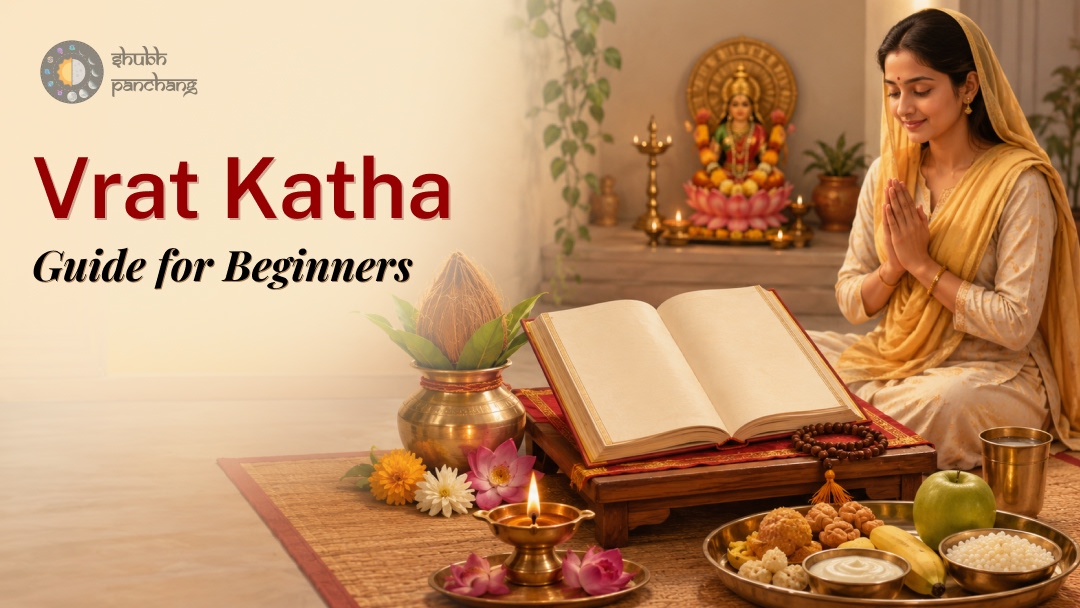
The daily rituals of Fulkajali Vrat involve waking up before sunrise to perform a ritual bath and offering prayers to the sun and the household deities. The most distinct feature is the 'Aluna' diet, where the practitioner consumes food prepared without any salt for the entire duration of the five days. Central to the puja is the lighting of an earthen lamp (diya), which is kept burning during the prayer sessions. Devotees offer fresh seasonal flowers to the idols of Shiva-Parvati or local deities, symbolizing the blossoming of their own devotion. In many households, young girls also perform 'Kajali'—where they carefully observe the flame of the lamp and apply a small dot of the soot as a protective mark. This practice is believed to sharpen the vision and provide mental clarity. The rituals are often performed in groups, where girls gather to sing traditional hymns and share the Vrat Katha.
Rules and Guidelines for the Vrat
Strict adherence to the rules of the vrat is essential for its successful completion, starting with the total avoidance of salt in all meals. This dietary restriction is meant to calm the senses and reduce 'Rajasic' tendencies, promoting a 'Satvik' or pure state of mind. Along with the saltless diet, practitioners are expected to avoid grains like wheat or certain lentils depending on family traditions, often sticking to fruits, milk, and specific tubers. Maintaining cleanliness of the body and the puja space is mandatory. Beyond physical rules, the vrat emphasizes moral conduct; participants are encouraged to avoid harsh speech, anger, and negative thoughts. Following these guidelines is seen as a way to honor the tradition and derive the maximum spiritual benefit from the austerity.
Significance of the Saltless (Aluna) Fast
The 'Aluna' or saltless fast is a significant aspect of Gujarati culture that goes beyond mere religious ritual to offer physiological and psychological benefits. From a traditional perspective, salt is believed to stimulate the palate and the nervous system; by giving it up, the devotee practices Indriya Nigraha (control over the senses). This self-imposed discipline fosters a sense of inner peace and helps the individual focus on their spiritual goals rather than physical cravings. Historically, such vrats were designed to prepare young individuals for the responsibilities of adulthood by instilling a sense of resilience and the ability to find contentment in simplicity. The absence of salt for five days serves as a powerful reminder of the body's dependence on nature and the importance of self-restraint.
Cultural and Social Importance in Gujarat
Fulkajali Vrat holds immense cultural importance in Gujarat as it serves as a platform for social bonding among women and young girls. In villages and residential colonies, girls often observe the vrat together, turning the period of austerity into a collective cultural experience. They participate in 'Garba' or folk songs in the evenings, which alleviates the rigors of the fast and strengthens community ties. This collective participation ensures that the nuances of the ritual, the specific melodies of the bhajans, and the traditional cooking methods for saltless food are preserved and passed down. It is not just a religious event but a celebration of girlhood and the transition into womanhood, emphasizing the role of women as the keepers of household traditions and spiritual values.