


What is Shitala Satam and When is it Observed?
Shitala Satam is a significant Hindu festival dedicated to Goddess Sheetla, observed on the Saptami (seventh day) of the Krishna Paksha during the month of Shravan in the Amanta calendar used in Gujarat. This festival usually falls in the month of August and is a major observance for families seeking health and protection for their children. While North Indian states celebrate a similar festival called Sheetla Ashtami (Basoda) during Chaitra month, the Shravan observance is specifically prominent in Gujarat and parts of Rajasthan. The day is characterized by the unique tradition of not lighting the kitchen stove and consuming cold, pre-prepared food to honor the 'cooling' nature of the Goddess.
Why Shitala Satam is Observed: The Legend of Goddess Sheetla
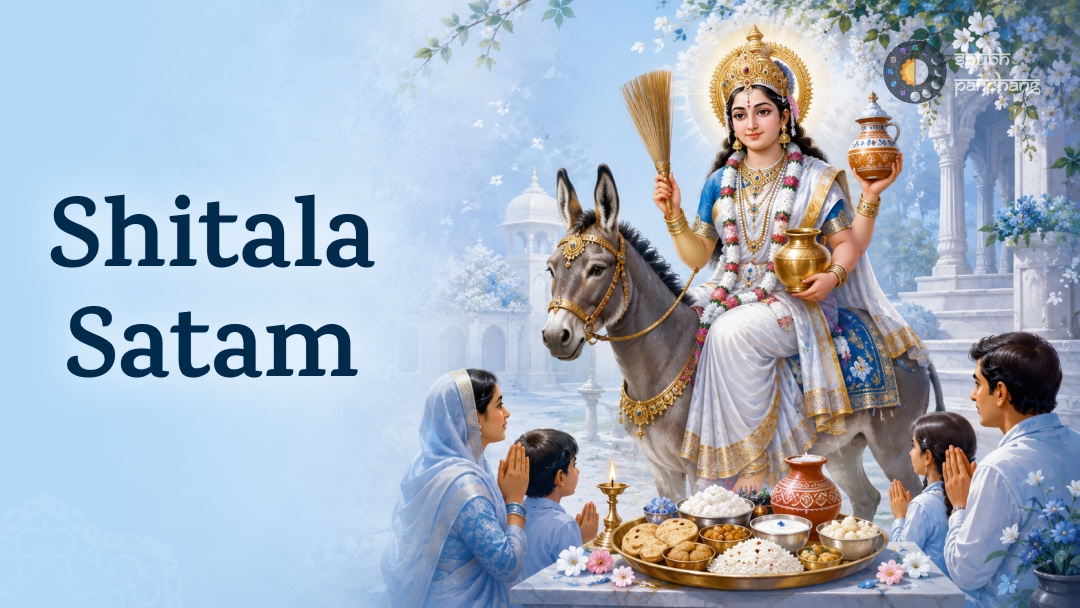
The primary reason for observing Shitala Satam is to seek the blessings of Goddess Sheetla, who is revered as the protector against infectious diseases such as smallpox, chickenpox, and heat-related ailments. According to tradition, the word 'Shitala' is derived from the Sanskrit word 'Shital,' which means 'cold' or 'cooling.' Goddess Sheetla is often depicted riding a donkey, carrying a broom to sweep away diseases and a pot of cold water to provide relief to those suffering from fever and rashes. Devotees believe that by keeping the home cool and consuming cold food, they appease the Goddess, who in turn ensures the health and longevity of the household, especially the young children who are more susceptible to seasonal illnesses.
The Connection Between Randhan Chhath and Shitala Satam
Randhan Chhath is the essential preparatory day observed exactly one day before Shitala Satam, where all the meals for the festival are cooked in advance. Since lighting a fire or using the stove is strictly prohibited on Satam, the day of Chhath (the sixth day) is dedicated to cleaning the kitchen and preparing a variety of dishes that can stay fresh for over 24 hours. Once the cooking is completed late at night, the stove is cleaned and symbolically worshipped, then left untouched for the entire next day. This transition from 'Randhan' (cooking) to 'Shitala' (cooling) represents a shift from heat to rest, emphasizing the cooling theme of the festival.
Rituals and Puja Vidhi of Shitala Satam
Rituals for Shitala Satam involve an early morning bath, traditionally with cold water, followed by offering prayers to Goddess Sheetla at home or in a temple. Devotees often prepare a small 'Sheetla Mata' idol or use a photo for the puja, offering curd, milk, flowers, and the pre-cooked food as 'bhog.' A vital part of the ritual is visiting a local well or temple where women sing folk songs and recite the Sheetla Mata Vrat Katha. In many households, the stove is decorated with vermilion and turmeric, and no fire is lit in the house from sunrise to sunset. This period of 'Agni-Tyaga' (renouncing fire) is seen as a way to invite the cooling presence of the Goddess into the home.
Traditional Food: What to Eat on Shitala Satam
The diet on Shitala Satam consists entirely of cold food items, specifically chosen for their ability to remain palatable and safe for consumption after being prepared the day before. Common dishes include Bajra Rotla, Thepla, Puri, Sukhi Bhaji (dry potato curry), and various types of Vada. Curd and buttermilk are mandatory components of the meal as they are naturally cooling for the body and help in digestion. Sweets like Magas, Sukhadi, or Sabudana Kheer (prepared earlier and kept cold) are also enjoyed. This practice of eating stale or cold food, often referred to as 'Basioda' in some cultures, serves as a culinary break and aligns with the seasonal requirements of the body during the humid Shravan month.
Historical and Scriptural Basis of the Festival
The scriptural basis for the worship of Goddess Sheetla can be found in the Skanda Purana, where she is described as a form of Goddess Katyayani who provides healing and protection. The text contains the 'Sheetlashtakam,' a collection of eight verses attributed to Lord Shiva, which highlights her role in maintaining the health of the physical body. Historically, Shitala Satam emerged as a communal response to the lack of modern medicine for viral outbreaks. By institutionalizing cleanliness and the consumption of cooling foods through religious mandates, ancient Vedic traditions provided a framework for public health and hygiene that has been passed down for centuries.
Rules and Dos and Don'ts for Devotees
Specific rules must be followed during Shitala Satam to maintain the sanctity of the vrat and ensure health benefits.
- Do not light the stove: The most important rule is to avoid lighting any fire in the kitchen for cooking.
- Avoid hot water: Traditionally, cold water is preferred for bathing and drinking to maintain the 'cool' theme.
- Maintain cleanliness: The Goddess is believed to reside only in clean environments; therefore, the house should be thoroughly swept and sanitized.
- No fresh cooking: Even heating up the food prepared during Randhan Chhath is avoided.
- Focus on health: This is a day to rest the digestive system and avoid spicy or oily hot meals that generate internal body heat.
Modern Relevance: Hygiene and Health Awareness
The modern relevance of Shitala Satam lies in its deep-rooted focus on hygiene, discipline, and the understanding of seasonal changes. While the threat of smallpox has been eradicated, the festival serves as a reminder to be cautious of viral infections and skin diseases that often spike during the monsoon and humid months. The tradition of cleaning the kitchen and the entire house is a practical way to maintain sanitation. Furthermore, consuming fermented or cold foods like curd during this period is supported by Ayurvedic principles for gut health. This festival successfully blends spiritual devotion with a practical lifestyle habit of periodic detoxification and environmental cleanliness.
Cultural Celebration in Gujarat and Beyond
Cultural celebrations of Shitala Satam in Gujarat are marked by community gatherings and the sharing of traditional 'cold' meals. In rural areas, women gather at local Sheetla Mata temples, which are often located near water bodies like ponds or wells, reflecting the goddess's association with cooling water. In Rajasthan, the festival takes on a festive fair-like atmosphere in certain regions. Regardless of the location, the essence remains the same: a day of rest for the homemakers, a day of health-centric eating for the family, and a day of profound devotion to the mother goddess who protects against the heat of disease and the hardships of life.