


What is Pavitra Ekadashi?
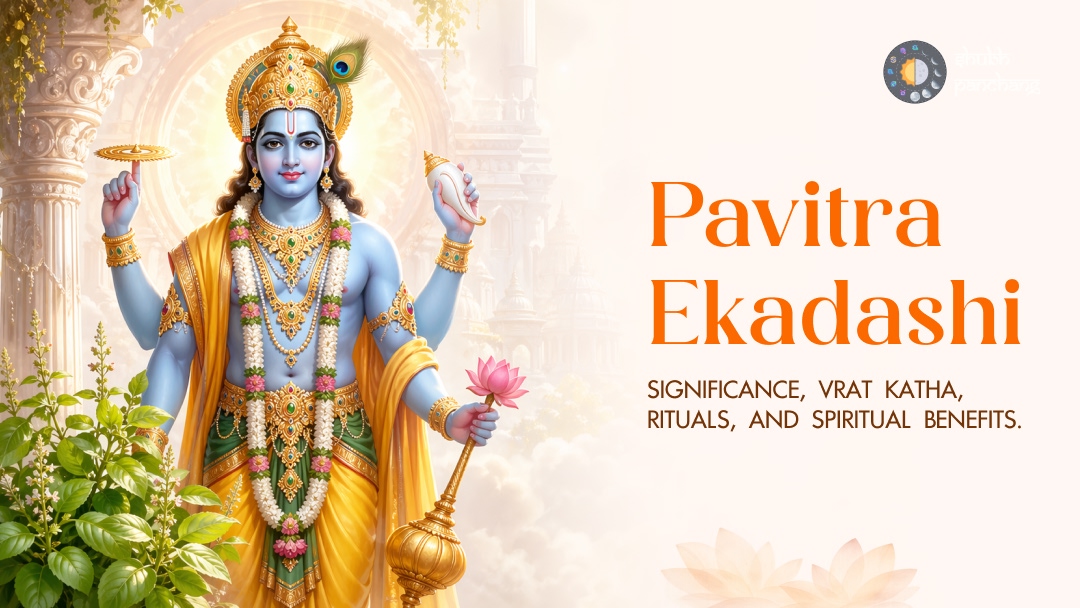
Pavitra Ekadashi is a sacred Hindu fast observed on the eleventh day of the waxing moon (Shukla Paksha) during the month of Shravan. This tithi is deeply revered as it falls within the holy Shravan period and is dedicated to Lord Vishnu, the preserver of the universe. Devotees often refer to this day as Shravana Putrada Ekadashi because of its traditional association with the blessing of progeny. Observing this fast with sincere devotion is believed to grant not only worldly happiness and the fulfillment of desires but also spiritual liberation. According to the Bhavishya Purana, the merits gained from this vrat are comparable to the spiritual fruits of performing a Vajpayee Yagya.
The Meaning of Pavitra and Internal Purity
The name Pavitra signifies the essence of purity and holiness that defines this specific lunar day. This Ekadashi is intended to purify the mind, body, and soul of the practitioner through a combination of dietary discipline and meditative focus. In the Vedic tradition, pavitratā (purity) is not merely physical cleanliness but an internal state where the consciousness is free from negative impulses and distracting desires. By observing Pavitra Ekadashi, a seeker aligns their internal rhythm with the divine, facilitating a deeper connection with Lord Vishnu and cultivating a sense of peace that transcends daily stressors.
Spiritual Significance of the Shravan Ekadashi
The spiritual importance of this day is highlighted by the emphasis on self-discipline and the cleansing of past karmic burdens. Lord Krishna explained to King Yudhishthira that of all the fasts, the Ekadashis of the Shravan month hold a special place for their ability to wash away sins. Devotion on this day involves more than just abstaining from food; it requires the cultivation of patience, truthfulness, and compassion. The cleansing effect of the fast helps in calming the senses, which is essential for any seeker aiming for higher spiritual growth and mental clarity. It is a day where the devotee seeks to reset their spiritual path by focusing entirely on the divine.
The Vrat Katha of King Mahijit
The Vrat Katha of Pavitra Ekadashi centers on King Mahijit, the benevolent but childless ruler of the city of Mahishmati. Despite his righteous rule and care for his subjects, the king was deeply troubled by the lack of an heir to his kingdom. Seeking a solution, his subjects and advisors approached the learned Sage Lomasa, who possessed deep knowledge of the past, present, and future. The sage revealed that the king’s childlessness was the result of a minor transgression in a previous life. He advised that the king and his subjects should observe the Shravana Shukla Ekadashi fast. Following the sage's instructions, the kingdom observed the vrat with strict adherence to rituals, and soon after, the queen gave birth to a healthy son, illustrating the power of collective devotion and divine grace.
Rituals and Puja Vidhi for Pavitra Ekadashi
Rituals for Pavitra Ekadashi begin with a holy bath (snan) during the Brahma Muhurta to symbolize the removal of external impurities. Devotees establish a dedicated altar for Lord Vishnu and offer yellow flowers, incense, and lamps. The offering of Tulsi leaves is considered mandatory, as Hindu tradition holds that Vishnu remains incomplete without his favorite plant. Many practitioners observe a 'Nirjala' (waterless) fast, while others opt for 'Phalahari' (fruit-based) consumption depending on their physical capacity. Throughout the day, the chanting of the "Om Namo Bhagavate Vasudevaya" mantra and the recitation of the Vishnu Sahasranama are recommended to maintain a high spiritual vibration and keep the mind focused on the presiding deity.
Dos and Don’ts of the Fasting Day
Strict dietary and behavioral rules must be followed to maintain the sanctity of the Pavitra Ekadashi fast. Grains, pulses, and beans are strictly avoided because, according to traditional belief, sins reside in grains on the day of Ekadashi. Tamasic ingredients such as onion and garlic are prohibited to keep the mind calm and conducive to meditation. Beyond food, the practitioner is expected to avoid anger, greed, and the habit of gossiping or criticizing others. This day serves as a practical exercise in mindfulness, where every action and word is filtered through the lens of kindness and devotion. Truthfulness and charity are encouraged as part of the day's spiritual discipline.
Spiritual Benefits and Results of the Vrat
The benefits of observing this vrat range from material prosperity to profound spiritual transformation. Foremost among these is the blessing of progeny, which gives the day its alternate name, Putrada Ekadashi. Beyond the desire for children, the fast is said to provide peace of mind and protection from negative influences that may obstruct one's life path. Scriptural texts suggest that even hearing or reading the glories of this Ekadashi can help an individual accumulate significant spiritual merit. For the modern seeker, it provides a structured way to reset the digestive system and recalibrate the mind toward higher values, leading to a more righteous and peaceful life.
Importance of Dwadashi and Parana
Parana, or the breaking of the fast, must be performed on the Dwadashi tithi within the specific time frame (Hari Vasara) as indicated in the Drik Ganit Panchang. It is customary to offer food and dakshina (charity) to the needy or to Brahmins before the practitioner consumes their first meal. The meal used to break the fast should be simple and sattvic, usually including the grains that were avoided the previous day. This ritual transition reinforces the idea that the discipline practiced during the fast should transition into a life of service and gratitude, rather than returning immediately to indulgence. Proper Parana ensures that the full spiritual benefits of the Ekadashi vrat are preserved.