


Understanding Nag Panchami and Its Significance
Nag Panchami is a traditional Hindu festival dedicated to the worship of Nagas or serpent deities, observed on the fifth day (Panchami) of the bright fortnight (Shukla Paksha) in the lunar month of Shravan. This festival holds immense religious significance across India and Nepal, coinciding with the monsoon season when snakes often emerge from their burrows due to rain. Devotees offer prayers to the Nag Devta to seek protection for their families and to appease the divine forces represented by serpents in Vedic tradition. According to the Hindu calendar, Nag Panchami serves as a reminder of the deep-rooted connection between human life and the natural environment.
Mythological Background and Scriptural References
Scriptural references in the Bhavishya Purana and Mahabharata highlight the profound connection between divinity and serpents. Lord Shiva is famously depicted with the serpent Vasuki coiled around his neck, symbolizing the control over ego and the cycles of time. Lord Vishnu rests upon the thousand-headed Sheshnag (Ananta Shesha), who supports the universe and represents eternity. Additionally, the Bhagavata Purana narrates the episode of Kaliya Daman, where Lord Krishna subdued the venomous serpent Kaliya in the Yamuna river, eventually sparing him and establishing a balance between human safety and the existence of the creature. These stories reinforce the status of snakes as divine entities capable of both destruction and protection.
Spiritual Importance of Serpent Worship
The spiritual essence of Nag Panchami lies in the recognition of the serpent as a symbol of the Kundalini Shakti—the dormant spiritual energy located at the base of the human spine. In Yogic philosophy, the awakening of this 'serpent power' leads to higher consciousness and spiritual enlightenment. Furthermore, snakes are considered guardians of the earth's treasures and symbols of fertility and rejuvenation due to their ability to shed their skin. Worshipping them on this day is a gesture of humility toward the forces of nature that are often feared but are essential components of the cosmic order. It signifies the human desire to transcend fear and find peace with the untamed aspects of creation.
Essential Puja Rituals and Traditions
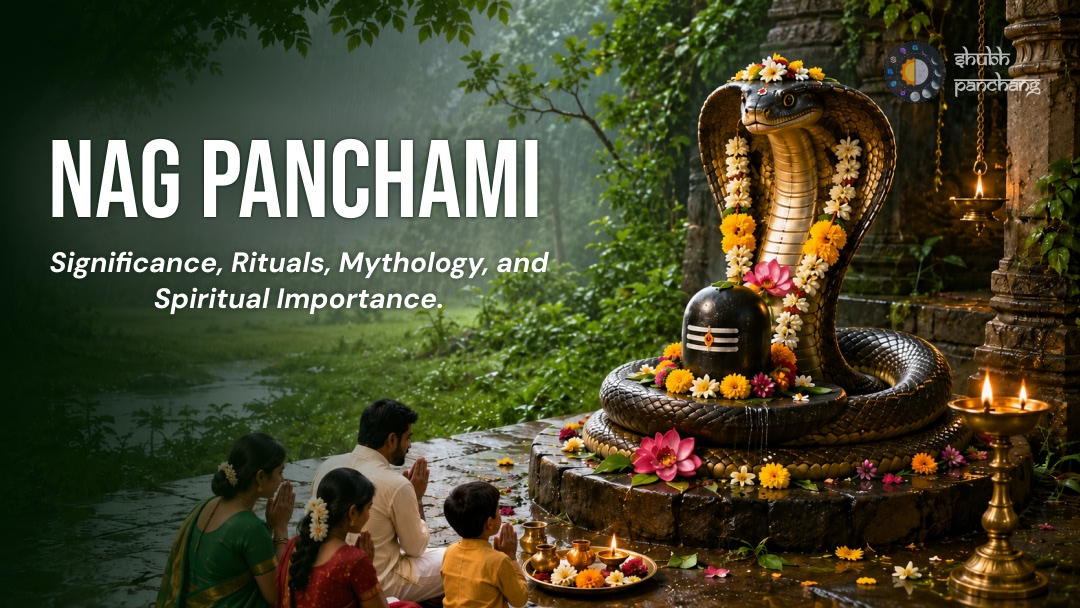
Devotees perform specific rituals to honor the Nag Devta, often involving the offering of milk, honey, and flowers to idols or pictures of snakes. Many people visit temples dedicated to serpents or offer prayers at anthills, which are considered the natural homes of snakes. A common tradition involves drawing images of snakes using clay, cow dung, or sandalwood paste on the doorways of houses to protect the household from snake bites and negative energies. Special mantras, such as the Nag Stotra, are recited during the puja to invoke the blessings of the nine primary Nagas: Ananta, Vasuki, Shesha, Padmanabha, Kambala, Shankhapala, Dhritarashtra, Takshaka, and Kaliya. Many families also observe a fast (vrat) to show their devotion.
Important Dos and Don’ts for the Festival
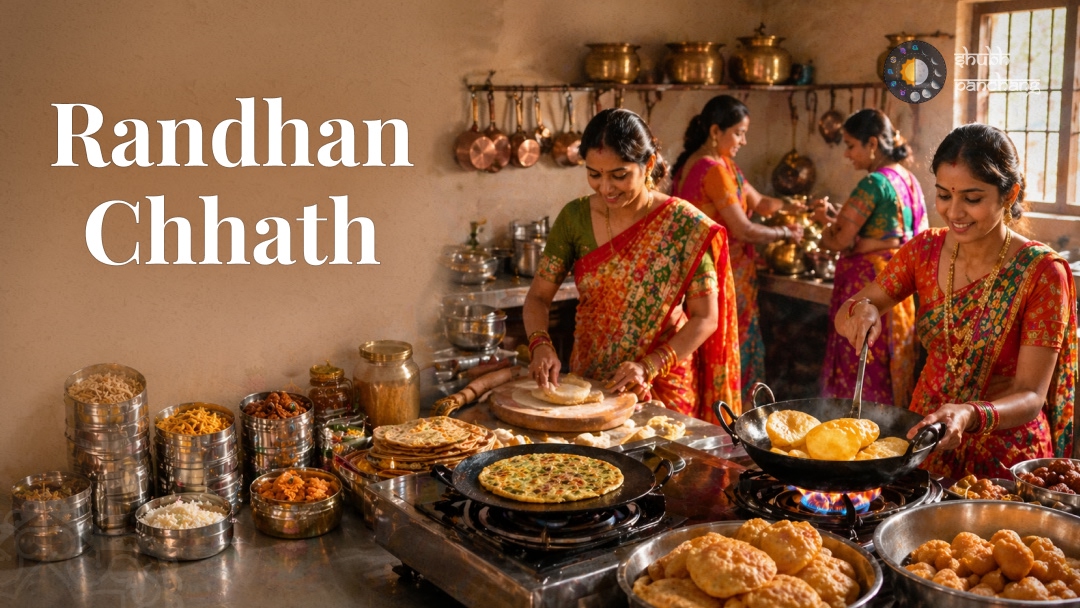
Traditional guidelines emphasize the protection of the earth and living beings during Nag Panchami. According to the Dharmasindhu, one should strictly avoid digging the soil on this day, as it may inadvertently harm snakes residing underground in their burrows. Farmers typically refrain from plowing their fields as a mark of respect and safety. It is also customary in many regions to avoid using iron pans (tava) for cooking or sharp objects like needles and knives, which are seen as symbolic of harm. Instead, steamed foods or dishes prepared without frying on a flat pan are preferred. Most importantly, one must never kill or harm a snake, as the day is meant to celebrate their existence and divine status.
Role of Nag Panchami in Agriculture and Ecology
Beyond religious beliefs, Nag Panchami serves as a reminder of the ecological necessity of snakes in maintaining the natural balance. Snakes play a critical role in agriculture by naturally controlling the population of rodents and pests that destroy standing crops. This festival encourages a transition from primal fear to informed respect, promoting the conservation of wildlife. Modern interpretations of the festival advocate for the protection of snake habitats and the humane treatment of these reptiles, aligning ancient Vedic wisdom with contemporary environmental awareness. By protecting snakes, farmers ensure the health of their fields and the stability of the local food chain.
Regional Variations in Celebrations
Nag Panchami is celebrated with distinct local flavors across various Indian states. In Maharashtra, the village of Battis Shirala is famous for its unique historical celebrations. In South India, particularly in Karnataka and Andhra Pradesh, women perform the Naga Panchami puja for the well-being of their brothers, often offering 'Thambittu' (a sweet dish) to stone idols of snakes (Naga Kallu). In Bengal and parts of North-East India, Goddess Manasa, the queen of snakes, is worshipped with great fervor during this time. These diverse traditions highlight how the worship of serpents is woven into the cultural fabric of the entire subcontinent, adapted to local legends and social structures.
Harmony and Coexistence with Nature
The celebration of Nag Panchami teaches the profound lesson of coexistence between humans and the wild. It reminds us that every creature, regardless of how dangerous it may appear, has a rightful place in the ecosystem and the divine hierarchy. By honoring the Nag Devta, devotees acknowledge their dependence on the natural world and pray for a life free from obstacles. This festival is not merely a ritualistic practice but a spiritual commitment to live in harmony with all sentient beings, fostering a sense of universal peace and mutual respect. It encourages us to look past our fears and recognize the divinity present in all forms of life.