



The Cosmic Rain and the Inward Journey
Every year, as the scorching heat of summer gives way to the rhythmic drumming of the monsoon rains, I feel a distinct shift in the air. It is more than just a drop in temperature; it is a spiritual invitation. In our hectic modern lives, we often ignore the subtle cues of nature, but the Vedic tradition has always been perfectly synchronized with these rhythms. This sacred four-month period, known as Chaturmas , is not just a date on a calendar. After years of observing these cycles, I've come to see it as a pivotal cosmic pause—a time when the universe itself takes a breath, inviting us to do the same. But what if I told you that this period of 'restrictions' is actually the ultimate gateway to personal freedom? It is a time for deep devotion, self-discipline, and a profound connection with the divine that many of us desperately need in today's chaotic world.
Decoding the Timeline of the Four Sacred Months
Interestingly, the word 'Chaturmas' literally translates to 'four months.' It spans from the lunar month of Ashadha to Kartik. I often tell my students to think of Chaturmas as their cosmic GPS, recalibrating their life's direction. The journey begins on the auspicious day of DevShayani Ekadashi , when the solar energy shifts, and it concludes on Prabodhini Ekadashi. During this time, the monsoon is at its peak in India. Historically, this made travel difficult for wandering monks and sages, leading to the tradition of Varshavas , where they would stay in one place to meditate and study. Initially, I thought this was just a practical solution for the rain, but then I realized the spiritual genius behind it: when we stop moving externally, we finally have the chance to move internally.
The Myth of Yoga Nidra: When the Preserver Rests
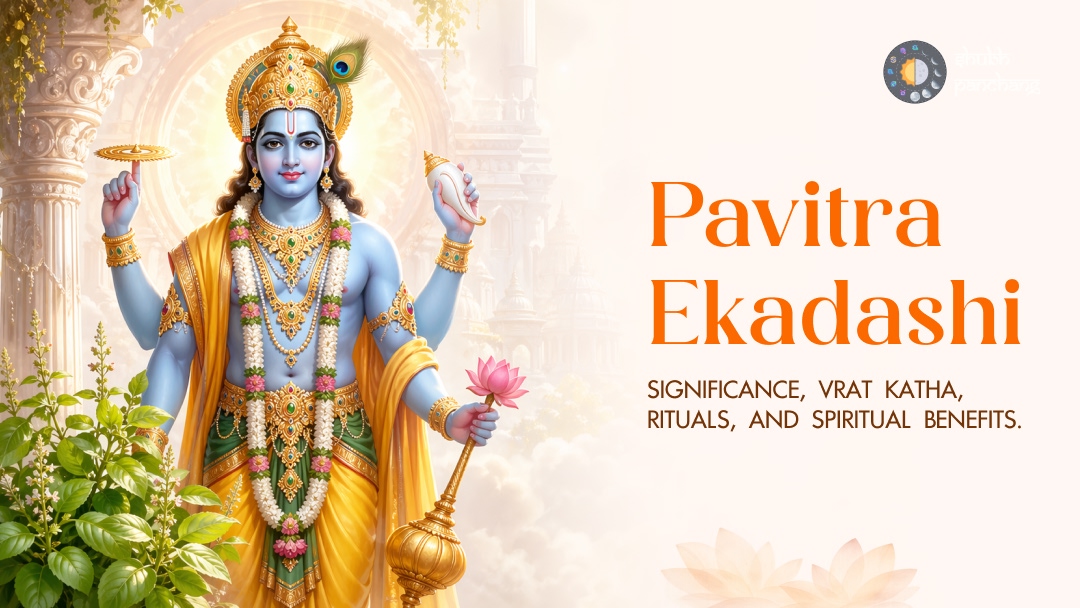
There is a beautiful mythological layer to this period that I find absolutely fascinating. It is said that during these four months, Lord Vishnu, the Preserver of the Universe, enters Yoga Nidra —a state of deep, cosmic sleep—while resting on the serpent Sheshnag in the Ksheer Sagar (Ocean of Milk). He 'retreats' from his cosmic duties, only to awaken on Prabodhini Ekadashi. Does this mean the universe is left unattended? Not at all! It signifies that the external preservation of the world is taking a backseat so that the internal preservation of the soul can begin. When we observe DevShayani Ekadashi , we are essentially tucking our own ego into bed, allowing our higher consciousness to take the lead. It’s a vivid metaphor for the rest and rejuvenation we all require to function at our highest potential.
The Heart of Spiritual Significance: Why We Observe It
In my practice, I’ve noticed that people often view Chaturmas as a list of 'don'ts.' But let's flip that perspective. This is a time of intense Sadhana or spiritual practice. The core themes are self-control, purification, and detachment. By voluntarily stepping back from certain worldly pleasures, we create a vacuum that the divine can fill. I remember a client who felt perpetually overwhelmed; we worked on integrating simple Chaturmas principles like daily chanting and mindful eating. The result? A sense of groundedness that no 'productivity hack' could ever provide. Whether you are a seasoned practitioner or a curious beginner, the goal is the same: to emerge from these four months more refined, more patient, and more aligned with your true purpose.
Rituals that Ground the Soul
The rituals of Chaturmas are designed to anchor us. Devotees often engage in increased prayer, reading of holy scriptures like the Bhagavata Purana, and performing Daan (charity). Fasting is perhaps the most significant ritual here. Many people observe the Ekadashi fasts with extra fervor during this time. I personally find that the act of Puja (worship) during the monsoon months feels different—the atmosphere is heavy with moisture and devotion. It’s common to see people taking vows (Vrats) to give up a favorite food item or a particular habit for the entire duration. This isn't about punishment; it's about proving to yourself that you are the master of your senses, not their servant. It's a gentle humor I share with my friends: if you can resist your favorite sweets for four months, that difficult work presentation suddenly doesn't seem so scary!
The Satvik Lifestyle: Purity in Thought and Action
Wait until you discover the physiological benefits of the Chaturmas restrictions! Traditionally, certain foods like onions, garlic, and leafy vegetables are avoided. Onions and garlic are Rajasic and Tamasic , meaning they can agitate the mind or make it sluggish. During a period meant for meditation, we want the mind to be Satvik —pure and calm. Furthermore, from a biological standpoint, the monsoon season slows down digestion and increases the risk of waterborne diseases in leafy greens. Our ancestors were incredibly wise to weave health into spirituality! Maintaining celibacy and simple living during these months helps conserve vital energy, which can then be redirected toward intellectual and spiritual pursuits. It’s about creating a 'clean' internal environment so that your thoughts can flourish like the green landscapes outside.
A Parade of Festivals: The High Points of Devotion
Chaturmas is anything but dull; it is home to some of the most vibrant festivals in the Hindu calendar! We begin with Guru Purnima , honoring our teachers. Then comes the joy of Krishna Janmashtami , the community spirit of Ganesh Chaturthi , and the powerful energy of Navratri . Each of these festivals serves as a milestone on our four-month journey. For instance, after weeks of quiet discipline, the celebration of Janmashtami feels like a burst of spiritual ecstasy. These festivals remind us that the ultimate end of all discipline is joy. I've always found that celebrating these occasions during Chaturmas feels more profound because you’ve been 'doing the work' of self-purification in the weeks leading up to them.
Modern Vedic Living: How to Adapt Today
I know what you’re thinking: 'I have a 9-to-5 job and a family; how can I possibly do this?' Here’s the thing: you don’t have to move to a cave. Modern Vedic living is about integration. Can you dedicate 10 minutes every morning to silence? Can you swap one processed meal a day for a simple, home-cooked Satvik dish? Can you commit to not speaking ill of anyone for these four months? These are the real Chaturmas practices for the 21st century. I've seen busy professionals find incredible clarity by simply limiting their social media intake during this time. Use this period to prune the 'weeds' of your digital and mental life, making room for the 'flowers' of wisdom to grow. It is about small, consistent steps that lead to a massive internal shift.
Conclusion: Emerging Transformed
As we approach the end of Chaturmas at Prabodhini Ekadashi, the rains usually subside, and the air turns crisp. Just as the earth looks refreshed and green, your spirit should feel renewed. This four-month journey is a powerful testament to the human capacity for change. I challenge you this year to pick just one small discipline to follow during this sacred time. Whether it's a dietary change or a daily mantra, watch how it ripples through your life. Chaturmas isn't just an ancient tradition; it's a living, breathing opportunity for self-transformation. So, as Lord Vishnu rests, will you take this chance to wake up to your own potential? The journey inward is the greatest adventure you'll ever take, and the cosmic gates are wide open.