


Understanding the Significance of Aja Ekadashi
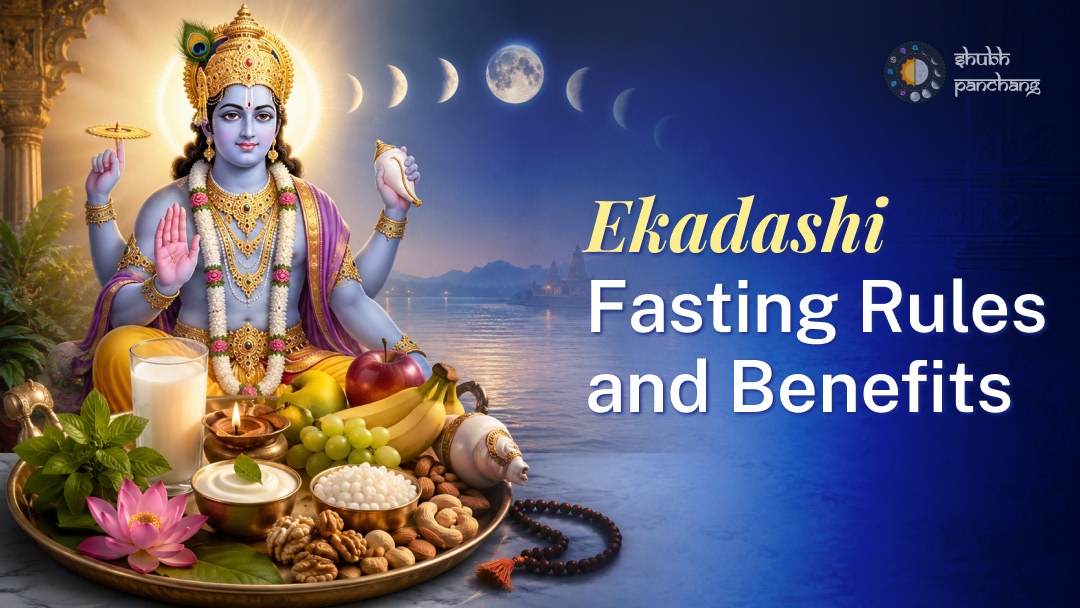
Aja Ekadashi is a sacred day of fasting observed on the eleventh day (Tithi) of the Krishna Paksha (waning phase of the moon) during the Hindu month of Bhadrapada. This day is dedicated to the worship of Lord Vishnu and is highly regarded in the Vedic tradition for its capacity to help individuals overcome past karmic burdens. According to the Brahmanda Purana, observing this vrat with full sincerity is believed to cleanse the mind and soul of sins committed in previous lives. The term Aja refers to that which is unborn or eternal, signifying the timeless nature of the divine. Devotees observe this fast to attain peace, prosperity, and spiritual elevation, viewing it as a powerful opportunity for inner purification and self-reflection. Unlike other observances, the spiritual weight of Aja Ekadashi is said to be equivalent to the merit gained from performing the most complex of Vedic sacrifices.
The Vrat Katha of King Harishchandra
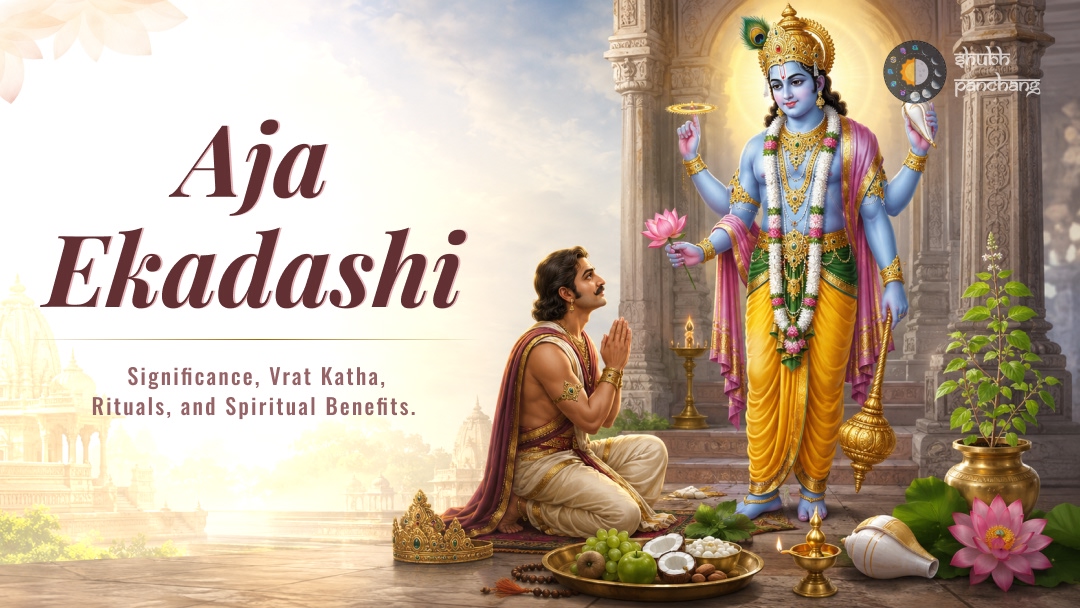
The spiritual legacy of Aja Ekadashi is deeply rooted in the legendary story of King Harishchandra, as narrated in the Brahmanda Purana. Known for his unwavering commitment to truth, the king faced a period of extreme hardship due to the influence of destiny and past karma. He lost his kingdom, his wealth, and was separated from his wife, Shaivya, and his son, Rohitashva. Ultimately, he found himself serving as a helper at a cremation ground in Kashi, living a life of utter poverty and suffering. Despite these trials, Harishchandra never abandoned the path of Dharma. One day, he encountered Sage Gautama, who recognized the king's plight and advised him to observe the Aja Ekadashi vrat. Following the sage's guidance, the king performed the fast with total devotion and stayed awake through the night in prayer. As a result of this sincere observance, his past sins were dissolved, his deceased son was restored to life, and he regained his lost kingdom and family, eventually attaining a place in the divine abode.
Core Spiritual Themes: Truth and Karma
The story of King Harishchandra associated with Aja Ekadashi highlights several profound spiritual themes that remain relevant in modern life. The first is the power of Satya (Truth); the king's refusal to lie even in the face of total ruin serves as a benchmark for integrity. The second theme is the concept of Karma and redemption. The narrative suggests that while one must face the consequences of past actions, sincere devotion and spiritual discipline like the Ekadashi fast can mitigate these effects. Patience and faith during difficult times are also emphasized, teaching devotees that suffering is often a temporary phase of purification. By observing this vrat, individuals are encouraged to look beyond immediate material losses and focus on the eternal values of the soul, recognizing that divine grace is always accessible to those who remain steadfast in their moral duties.
Rituals and Puja Vidhi for Aja Ekadashi
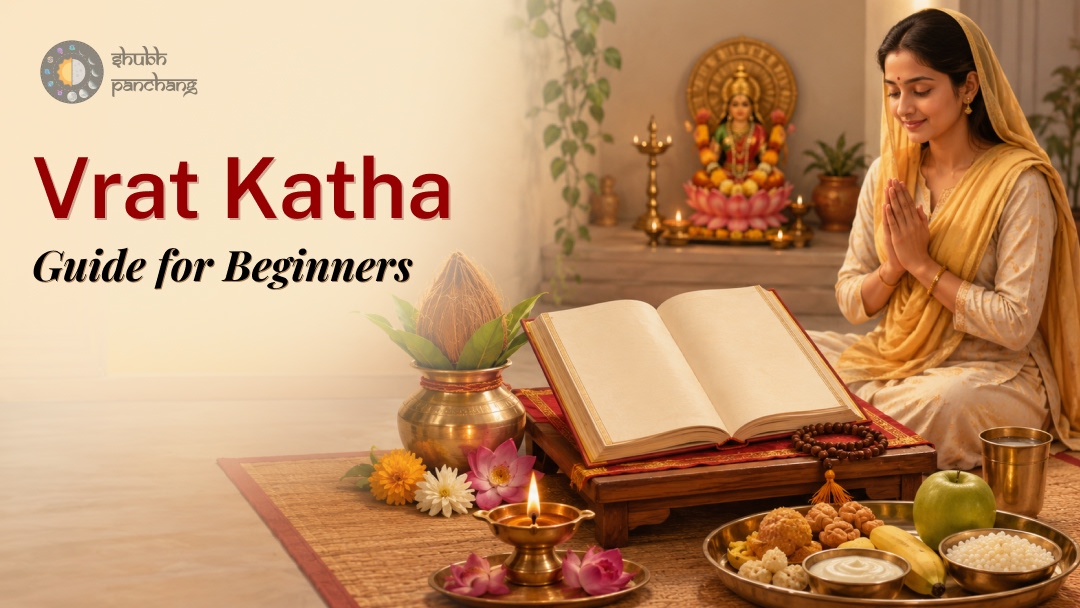
The rituals for Aja Ekadashi begin a day earlier on Dashami, where devotees consume a single Sattvic meal to prepare the body for the fast. On the day of Ekadashi, the practitioner wakes up during Brahma Muhurta and performs a holy bath (snan). A Sankalp or solemn vow is then taken to observe the fast with sincerity. The worship of Lord Vishnu, specifically in his Hrishikesha form, involves offering yellow flowers, Tulsi leaves, incense, and lamps. Chanting the Vishnu Sahasranama or the mantra "Om Namo Bhagavate Vasudevaya" is considered highly auspicious. Many devotees also participate in a night vigil (Jagran), spending the night singing bhajans or reciting the Vrat Katha. The presence of Tulsi is vital, as Lord Vishnu is said to be particularly pleased by those who offer Tulsi leaves with devotion on this day.
Types of Fasting and Permissible Foods
Devotees observe the Aja Ekadashi fast in various ways depending on their physical health and personal resolve. The most rigorous form is the Nirjala fast, where neither food nor water is consumed for 24 hours. However, many choose the Phalahari method, consuming only fruits and water. For those unable to maintain such strictness, a partial fast involving milk, nuts, and Sabudana (tapioca) is permissible. According to the Dharmasindhu, the primary rule for any Ekadashi is the complete avoidance of grains and pulses, specifically rice, as it is traditionally believed that negative energies reside in these grains on this day.
| Category | Permitted Foods | Prohibited Foods |
|---|---|---|
| Grains | None (No wheat, rice, corn) | All grains and pulses |
| Vegetables | Potato, Pumpkin, Sweet Potato | Onion, Garlic, Leafy greens |
| Dairy | Milk, Curd, Ghee, Paneer | None |
| Other | Fruits, Nuts, Rock Salt (Sendha Namak) | Common Salt, Mustard, Spices |
The focus should remain on simplicity and self-control rather than sensory gratification.
Spiritual and Emotional Benefits of the Vrat
Observing Aja Ekadashi offers significant benefits that extend beyond religious merit. Spiritually, it serves as a 'detox' for the soul, allowing the practitioner to distance themselves from worldly distractions and reconnect with the divine. Emotionally, the discipline of fasting fosters mental strength and resilience, teaching the mind to master the body's impulses. It is traditionally believed that this vrat helps in removing negative thought patterns and brings about a sense of inner peace and clarity. Many practitioners report feeling a renewed sense of purpose and a reduction in anxiety after the fast. From an Ayurvedic perspective, the periodic abstinence from complex foods allows the digestive system to rest and the body to eliminate toxins, which in turn supports a clearer meditative state. The ultimate benefit, however, is the cultivation of Para-Bhakti or supreme devotion to the Almighty.
Importance of Dwadashi and Parana Vidhi
The fast of Aja Ekadashi is not considered complete until the Parana, or the breaking of the fast, is performed on the following day, Dwadashi. According to the rules laid out in the Nirnaya Sindhu, the fast must be broken after sunrise and before the end of Dwadashi Tithi, provided Hari Vasara (the first quarter of Dwadashi) has passed. Breaking the fast during Hari Vasara is traditionally avoided as it is said to diminish the merits of the vrat. The Parana typically involves offering food to Brahmanas or the needy as an act of charity (Daan). The practitioner then consumes the Prasadam, often starting with water and a simple Sattvic meal. This transition from fasting back to a normal diet must be done with gratitude and mindfulness, acknowledging the strength provided by the divine to complete the vow.
The True Essence of Ekadashi Observance
While the physical restrictions on food are an important aspect of Aja Ekadashi, the true essence lies in the purity of conduct and thought. The scriptures emphasize that a fast is incomplete if the mind is filled with anger, greed, or deceit. True Ekadashi involves the 'Upa-vasa'—staying close to the divine—where 'Upa' means near and 'Vasa' means to dwell. This day should be used to practice compassion, speak the truth, and engage in acts of selfless service. In modern times, this can translate to a digital fast or a period of silence (Mauna), allowing the practitioner to look inward. By aligning physical discipline with ethical living, the devotee transforms a simple ritual into a profound spiritual experience that fosters lasting character development and a deeper connection with the cosmic order.