


Introduction
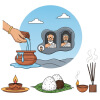
Panchami Shraddh is observed on the fifth day (Panchami Tithi) of the waning lunar phase (Krishna Paksha) during the 16-day period of Pitru Paksha, which is dedicated to honoring deceased ancestors. This day is especially significant for those whose ancestors passed away on the Panchami Tithi of any lunar month.
Spiritual and Cultural Significance
The concept of Shraddh is deeply rooted in Hindu philosophy. It is believed that through Shraddh rituals, one can express gratitude and fulfill duties toward the forefathers, enabling their souls to attain peace (moksha). Panchami Shraddh is considered important not just for peace of the departed souls but also to eliminate Pitru Dosha (ancestral karma imbalance) which may affect the prosperity and health of descendants.
Rituals and Practices
Devotees perform rituals early in the morning. After bathing, the performer (usually the eldest son) wears clean, white or traditional clothes and sits in a calm space to perform the rituals.
-
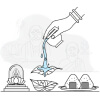
Tarpan – A sacred offering made with water mixed with black sesame seeds, barley, and kusha grass. It is offered while chanting the names of ancestors.
-
Pinda Daan – Balls of cooked rice mixed with black sesame and ghee are offered to represent the body for the ancestors. These are placed on a leaf or clean surface for offering.
-
Feeding Beings – Food is first offered to cows, crows, dogs, and ants – believed to be connected to ancestral spirits. Later, Brahmins are fed and offered dakshina.
-
Charity and Donations – Clothes, grains, money, and food are donated to the poor or priests as a mark of reverence and detachment.
Scriptural References
The importance of Shraddh is elaborated in Garuda Purana, Agni Purana, and other ancient texts. According to scriptures, not performing Shraddh can lead to dissatisfaction of ancestors, causing obstacles in life. Doing Shraddh on the correct tithi ensures the soul’s onward journey toward liberation.
Modern Relevance
Even today, many families across India continue to perform Shraddh with faith. In urban areas where traditional priests may not be available, spiritual organizations and temples organize group Shraddh events to help devotees perform the rituals correctly.
Conclusion
Panchami Shraddh is a sacred opportunity to show love and duty toward one’s lineage. It not only helps in spiritual upliftment of ancestors but also strengthens family harmony and blessings. Performing Shraddh with devotion is said to purify the household and bring long-lasting peace and prosperity.