





Is Kamurta Really a Time of Bad Luck?
I've noticed a strange tension in the air whenever a family priest mentions the word Kamurta . Suddenly, wedding plans are frozen, and housewarming parties are pushed back. After years of practice, I've seen people treat this period as if the universe has suddenly turned its back on us. But what if I told you that Kamurta—or Kharmas —is not a curse, but a cosmic invitation? It is like a 'Do Not Disturb' sign the universe hangs up so you can finally focus on your inner world. Most folks see it as an 'inauspicious' gap, but in my experience, it's one of the most spiritually pivotal times of the year. It’s a period where we stop building structures in the outside world and start building the foundation of our soul.
The Astrological Mechanics: When the Sun Meets Jupiter
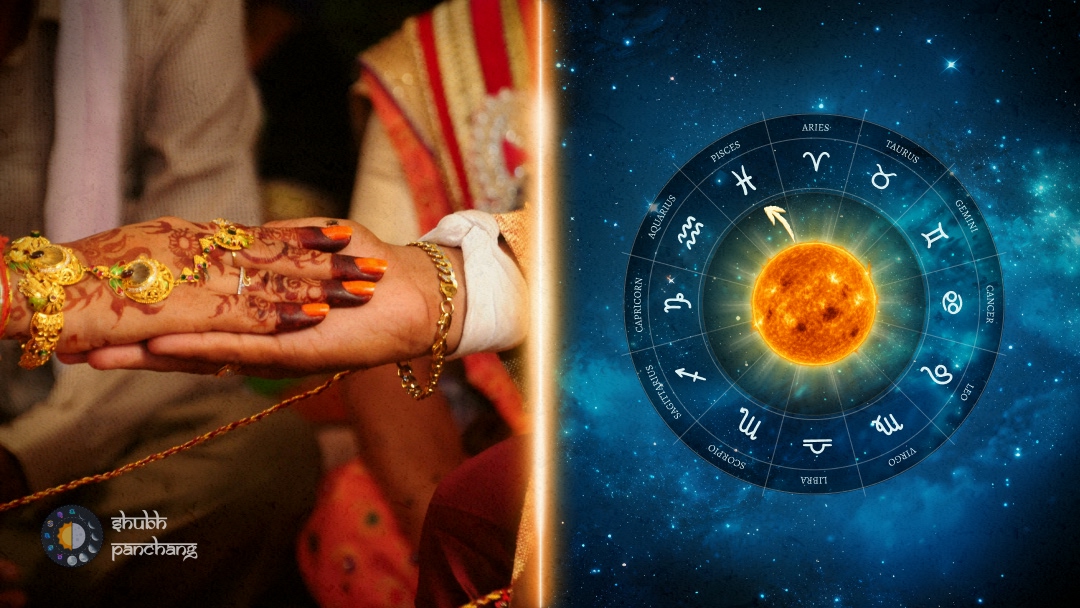
So, what exactly happens in the sky during Kamurta? Astrologically, it occurs when the Sun enters the zodiac signs of Sagittarius (Dhanu) and Pisces (Meen) . These signs are ruled by Jupiter (Guru), the planet of wisdom and spirituality. Interestingly, when the Sun—the king of the planets—enters the house of the Guru, he humbles himself. This transition usually happens twice a year: once in mid-December (Dhanurmas) and again in mid-March (Meenmas). During these 30-day windows, the Sun’s worldly energy is subdued. Initially, I thought this meant our power was drained, but then I realized the energy isn't gone; it's just being redirected inward. Checking your Panchang will show you exactly when these transitions happen, marking the start of a period where spiritual growth outweighs material gain.
The Legend of Kharmas: Why the Sun Slows Down
There's a fascinating story behind the name 'Kharmas' that I love sharing with my clients. In Vedic lore, the Sun travels on a chariot pulled by seven majestic horses. Legend says that while circling the universe, the horses became exhausted and thirsty. Seeing their plight near a pond, the Sun God stopped, but he couldn't leave the world in darkness. He replaced his horses with two 'Khars' (donkeys) to continue the journey. Naturally, donkeys are slower and lack the regal pace of horses, which is why the Sun’s transit through these signs is seen as 'slow' or 'heavy.' This metaphor is beautiful if you think about it—even the Sun needs to pace himself! It teaches us that there's a time to gallop and a time to trot, and fighting the rhythm only leads to burnout.
Why We Press Pause on Big Life Events
I often get asked, 'Why can’t I just sign the contract now?' Here's the thing: Hindu astrology is all about alignment. During Kamurta, the Suryadev is in a state of 'Mal' or 'Khar,' meaning his ability to bless worldly ventures is minimal. This is why we avoid Sanskaras like weddings, Griha Pravesh (housewarming), Mundan , and starting new business ventures. Without the full strength of the Sun, these events lack the 'Tejas' or vital fire needed for long-term prosperity. If you are planning an event, it is crucial to consult a proper Muhrat to ensure you aren't fighting against these cosmic tides. It's not about fear; it's about choosing the most fertile ground for your dreams to grow.
A Sacred Window for Inner Purification
If we aren't supposed to get married or start businesses, what are we supposed to do? This is where the magic happens. Kamurta is the ultimate 'Spiritual Bootcamp.' In my own life, I've found that my meditations are much deeper during this month. It is a time encouraged for:
- Charity (Daana): Giving to the needy during this time is said to bring manifold blessings.
- Mantra Chanting: Your voice resonates more clearly with the divine when worldly noise is quieted.
- Scriptural Study: Reading the Bhagavad Gita or Ramayana feels more insightful now.
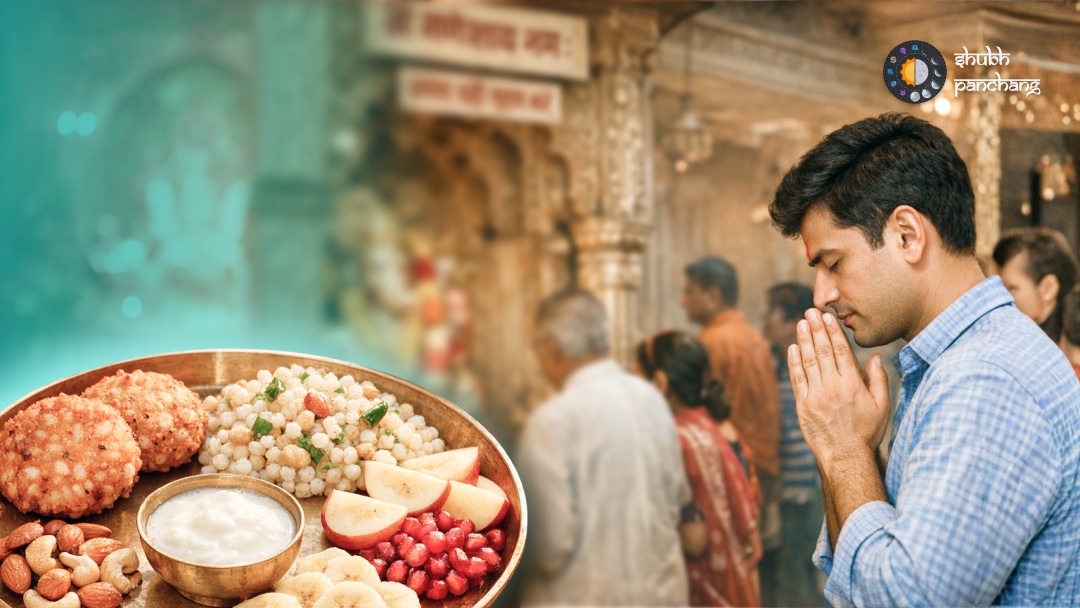
- Fasting: A way to detox the body while the soul recalibrates.
The Wisdom of Waiting in a Fast-Paced World
We live in a world that demands 'instant' everything. We want the promotion now, the house now, the wedding now. Kamurta challenges this 'hustle culture' by forcing a pause. It’s like the universe's way of teaching us patience and gratitude. I’ve noticed that people who respect this period often find that their subsequent ventures—started after Kamurta ends—have a much smoother path. They used the 'waiting time' to refine their plans and clear their mental clutter. It’s a vivid reminder that we are part of a larger cosmic ecosystem, and our personal clocks must occasionally sync with the divine timeline.
Embracing the Renewal: A Final Thought
So, the next time Kharmas rolls around, don’t look at it with disappointment. Don't see it as a month of 'bad timing.' Instead, see it as a sacred gift of time. It is an opportunity for renewal, a chance to shed old habits, and a moment to breathe deeply before the next big phase of life begins. Use this period to strengthen your connection with the divine consciousness. When the Sun finally emerges into the next sign and the Kamurta ends, you won't just be starting a new project; you'll be starting it as a more centered, purified, and enlightened version of yourself. Are you ready to trade the chaos of doing for the peace of being?