



A Double Dose of Divine Light: Dev Diwali and Tulsi Vivah
Have you ever felt the magic in the air when two celebrations intertwine, each amplifying the other's significance? That's exactly what Dev Diwali and Tulsi Vivah offer us. Celebrated around the same time, these festivals are deeply woven into the fabric of Hindu culture, especially after Diwali celebrations, and offer a potent combination of spiritual reflection and joyous festivity. But what if I told you these festivals are more than just vibrant spectacles? They hold profound messages about light, devotion, and the enduring power of faith. After years of practice, I've come to see these festivals as vital reminders of the divine presence in our daily lives.
Dev Diwali: Varanasi's River of Light
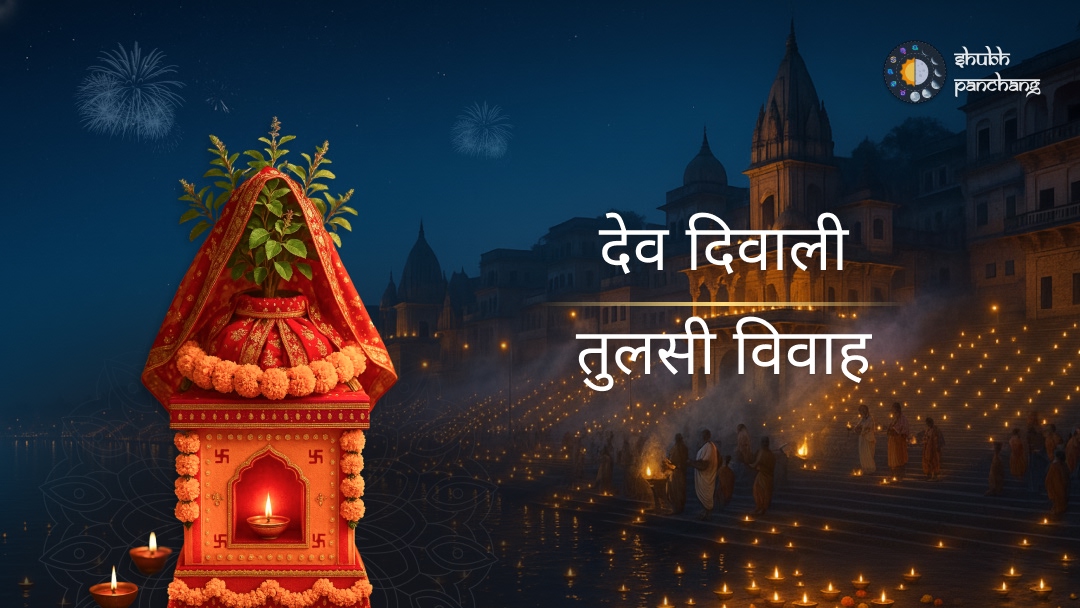
Dev Diwali, celebrated on Kartik Purnima, fifteen days after Diwali, is a sight to behold, especially in Varanasi. I remember my first visit to Varanasi during Dev Diwali – the experience was truly transformative. The ghats of the Ganga come alive with millions of diyas, transforming the city into a celestial river of light. This ‘Festival of Lights of the Gods’ isn't just a pretty picture; it commemorates Lord Shiva’s victory over the demon Tripurasura. Think about it – it's a powerful reminder that light always triumphs over darkness, good over evil. The grand Ganga Aarti, the prayers offered, and the holy dip in the river – each ritual adds to the spiritual intensity of the occasion.
Rituals of Dev Diwali
The core rituals include:
- Lighting diyas on the ghats
- Performing Ganga Aarti
- Offering prayers to Lord Shiva
- Taking a dip in the holy Ganga
Tulsi Vivah: A Sacred Union
Around the same time, we observe Tulsi Vivah, the ceremonial marriage of the holy Tulsi plant to Lord Vishnu (in the form of Shaligram). This isn't just a symbolic gesture; it marks the end of Chaturmas, a period of austerity, and heralds the beginning of the auspicious Hindu wedding season. What's fascinating is how this ritual is performed in homes and temples across India, bringing families together in a spirit of devotion. And here's the thing, I've noticed that families that observe Tulsi Vivah often report a greater sense of harmony and prosperity. It really brings positive energy to the household.
Household Rituals of Tulsi Vivah
The main practices include:
- Decorating the Tulsi plant
- Performing the marriage ceremony with traditional songs
- Offering sweets and prayers
- Seeking blessings for harmony and prosperity
Regional Flavors: Varanasi's Grandeur and Pan-Indian Devotion
Interestingly, while Dev Diwali finds its most magnificent expression in Varanasi, with millions of lamps illuminating the ghats, Tulsi Vivah is a more widespread tradition, observed in homes and temples throughout India. This regional variance adds depth to our understanding of these festivals, showcasing how traditions adapt and thrive in different cultural contexts. But what remains constant is the underlying devotion and reverence for the divine.
Dev Diwali: Celebrating Inner Purity
Dev Diwali encourages inner purity and the victory of righteousness. It reminds us to dispel the darkness within ourselves, illuminating our minds with knowledge and compassion. I've always found this festival to be a powerful catalyst for positive change, urging us to strive for a more virtuous life.
Tulsi Vivah: Faith and Sacred Bonds
Tulsi Vivah symbolizes devotion, sacred union, and the cyclical nature of renewal. It’s a celebration of faith and a reminder of the eternal bond between the human and the divine. After years of practice, I've come to appreciate the profound simplicity of this ritual, which reinforces the importance of family, community, and spiritual connection.
Embracing the Essence of Light and Union
Together, Dev Diwali and Tulsi Vivah embody devotion, tradition, and community spirit. Dev Diwali illuminates the world with divine light, while Tulsi Vivah symbolizes faith, harmony, and the eternal bond between the human and the divine. These festivals aren’t just about rituals; they are about connecting with something larger than ourselves, finding solace and strength in our shared cultural heritage. The grand rituals, the heartfelt prayers, and the joyous celebrations, when these merge, they create a tapestry of faith that enriches our lives in profound ways.
A Call to Embrace the Divine
So, as you celebrate these festivals, take a moment to reflect on their deeper meaning. Let the light of Dev Diwali illuminate your path, and let the sacred union of Tulsi Vivah strengthen your bonds of love and devotion. And remember, these festivals are an invitation to embrace the divine in all aspects of your life, from the grand celebrations to the quiet moments of personal reflection.