


The Golden Hue of April
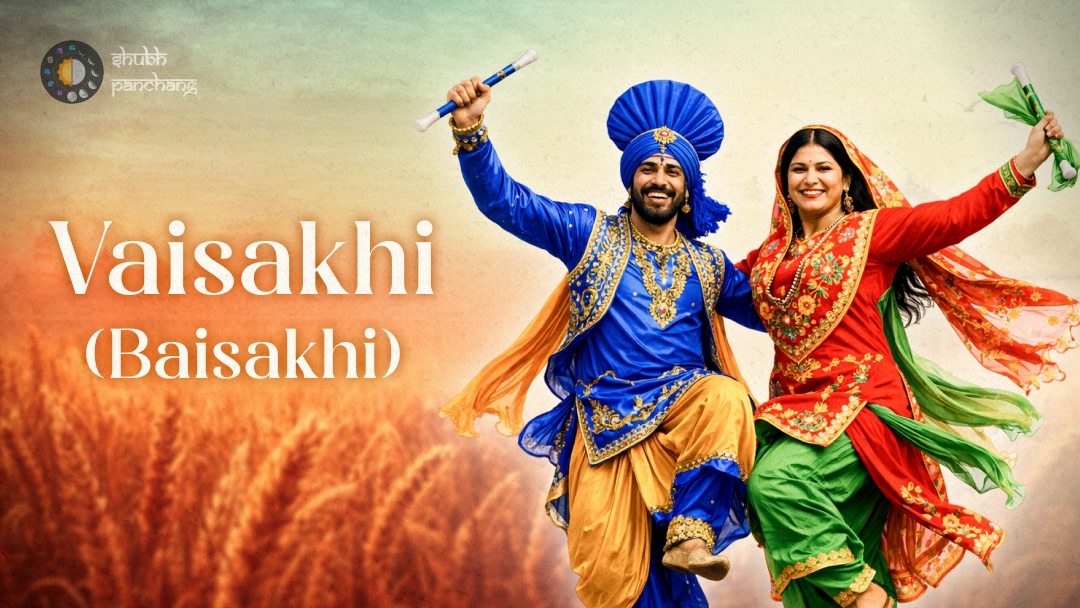
Have you ever stood in the middle of a Punjab wheat field just as the sun begins to set in mid-April? It is, quite literally, like standing in a sea of liquid gold. After years of visiting my family’s ancestral lands during this time, I’ve realized that Vaisakhi isn't just a date on a calendar; it’s a feeling that vibrates in the very air. Celebrated usually on April 13th or 14th, this festival marks the pinnacle of the spring harvest and the start of a brand-new solar year. But wait, it’s so much more than just a 'thank you' note to nature. It’s a profound intersection of history, faith, and the sheer grit of the human spirit. Whether you call it Baisakhi or Vaisakhi, the energy is undeniable. It’s the sound of the dhol, the smell of ripening grain, and that specific sense of hope that only comes when hard work finally bears fruit. Initially, I thought it was just about the farmers, but then I saw how the city dwellers embrace it with equal fervor—it is a collective sigh of relief and joy for the entire community.
When the Sun Enters Aries: A Cosmic New Beginning
In our practice at ShubhPanchang, we often talk about the importance of celestial transitions. Vaisakhi coincides with Mesha Sankranti, the moment the Sun enters Aries. Think of it as the cosmic GPS resetting itself for a fresh journey. While many follow the lunar calendar for festivals, Vaisakhi follows the solar cycle, making it a fixed point of light in our busy lives. Interestingly, I’ve noticed how this solar alignment brings a particular 'fire' or 'Tejas' to the celebrations. It’s the official start of the New Year for many communities across India. It’s a time to clear out the old cobwebs—both in our homes and our hearts—and step into the light of a new cycle with intention and vigor. It is a pivotal moment where the universe aligns to support new beginnings, making it an ideal time to set resolutions that actually stick.
The Farmer’s Soul: Gratitude in the Wheat Fields
To understand the heartbeat of Vaisakhi, you have to look at the hands of a farmer. These are hands that have spent months nurturing the rabi crops, especially the wheat that feeds millions. There’s a certain vulnerability in farming, isn't there? You’re at the mercy of the rains, the wind, and the sun. So, when the crop is finally ready for the sickle, the relief is palpable. It’s not just about the money; it’s about survival and the deep, spiritual connection to Bhoomi Devi. During vaisakhi , farmers offer their first harvest to the divine, a beautiful act of humility. It reminds me of the phrase 'Man proposes, God disposes'—we do the work, but the results are a gift. This gratitude is the foundation of the entire festival, teaching us that no matter how modern we become, we are still children of the earth, dancing to the rhythm of the seasons.
1699: The Day That Redefined Courage
But what if I told you that Vaisakhi changed the course of Indian history forever? In 1699, Guru Gobind Singh Ji chose this day to transform the Sikh community. I get goosebumps just thinking about that gathering at Anandpur Sahib. When the Guru asked for five heads, the silence must have been deafening. But five brave souls stepped forward—the Panj Pyare. This wasn't just a ritual; it was the birth of the Khalsa. By giving everyone the name 'Singh' (Lion) and 'Kaur' (Princess), the Guru effectively shattered the caste system in one stroke. He created a community of saint-soldiers dedicated to justice, equality, and protection of the weak. This historical weight makes Vaisakhi a day of immense pride and spiritual renewal. It’s a reminder that courage isn't the absence of fear, but the decision that something else is more important than that fear.
Bhangra, Beats, and Beyond: How We Celebrate
Wait until you discover the sheer explosion of color that is a Punjabi Vaisakhi celebration! The streets come alive with Nagar Kirtans—vibrant processions where the Guru Granth Sahib is carried with immense respect, led by the Panj Pyare. Then there’s the Bhangra. If you’ve never seen a group of men dancing Bhangra in their bright turbans or women performing the graceful Gidda, you’re missing out on the purest expression of human joy. The beat of the dhol isn't just music; it’s a pulse that makes your feet move before your brain even realizes it. Fairs or 'Melas' sprout up everywhere, filled with wrestling matches, acrobatics, and stalls selling everything from jalebis to handcrafted phulkari. It’s a sensory overload in the best possible way, proving that spirituality and celebration are two sides of the same coin.
The Heart of Seva: Spiritual Lessons from the Gurudwara
Beyond the loud drums and dancing, there is a quiet, powerful core to Vaisakhi: Seva (selfless service). I’ve spent many Vaisakhi mornings at the Gurudwara, and the sight of people from all walks of life cleaning shoes or serving food in the Langar hall is deeply humbling. In the Langar, there are no VIP seats. Whether you are a millionaire or a laborer, you sit on the floor and eat the same simple, blessed meal. This is equality in action, not just in theory. Listening to the soulful Kirtans (hymns) and participating in the Ardas (prayer) provides a spiritual grounding that lasts long after the festival ends. It teaches us that the highest form of worship is serving our fellow human beings with a heart full of love and zero ego.
From Punjab to Kerala: A Nation in Bloom
While Punjab is the epicenter, the spirit of Vaisakhi ripples across the entire subcontinent. It’s fascinating to see how the same agricultural joy manifests under different names. In Assam, it’s Rongali Bihu; in Bengal, it’s Poila Baisakh; in Kerala, it’s Vishu; and in Tamil Nadu, it’s Puthandu. Each region has its own unique flavor—Assamese dancers in silk, Malayalis looking at the 'Vishukkani' first thing in the morning, and Bengalis cleaning their shops for the new business year. Despite the linguistic and cultural differences, the underlying theme is identical: gratitude for the harvest and hope for the future. It’s like a giant, national family reunion where everyone celebrates their local traditions while being part of a larger, cosmic rhythm.
Savoring the Season: The Flavors of Baisakhi
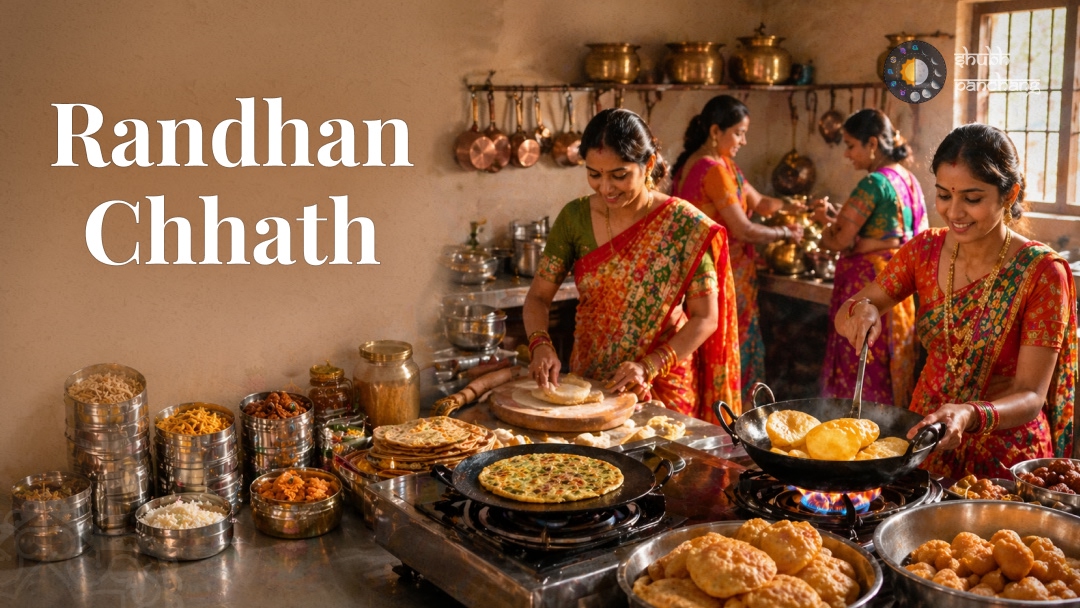
Let’s talk food, because you can’t have a Vaisakhi without a feast! Since it’s a harvest festival, the food is fresh, hearty, and celebratory. Traditional Punjabi attire—bright yellows and oranges—matches the golden fields and the saffron-colored sweets. You’ll find people enjoying Kadah Prashad, a rich, velvety flour-based halwa that feels like a hug for the soul. Then there’s the festive yellow rice (Meethe Chawal) and the classic Sarson da Saag with Makki di Roti. Even the clothing reflects the harvest; the color yellow represents the mustard flowers and the ripening wheat. It’s a complete immersion in the season’s bounty. My personal favorite is the fresh lassi served in tall steel glasses—there’s nothing quite like it to beat the rising April heat!
Living the Vaisakhi Spirit Every Day
So, as the sun sets on another Vaisakhi, what do we take away? It’s more than just a memory of a good meal or a fun dance. It’s a call to action. Vaisakhi challenges us to live with the courage of the Khalsa, the gratitude of the farmer, and the humility of the volunteer in the Langar. It asks us: Are we standing up for what is right? Are we thankful for the 'harvests' in our own lives, however small? My challenge to you this year is to take one lesson from this festival—be it a bit more seva or a bit more bravery—and weave it into your daily routine. Let the spirit of Vaisakhi be your cosmic GPS, guiding you toward a life of purpose, joy, and unwavering compassion. Happy Vaisakhi to you and your loved ones!"}],