





The Heartbeat of Every New Beginning
Have you ever noticed how a Hindu home feels incomplete without that charming, pot-bellied deity guarding the entrance? After years of walking people through their astrological charts, I’ve noticed something pivotal: we don’t just worship Lord Ganapati because of tradition; we do it because He represents the very first 'click' of a successful endeavor. Whether it is a wedding, a new business, or even the first day of school, the invocation of 'Shree Ganeshay Namah' acts as a cosmic GPS, aligning our internal frequency with the rhythm of the universe. I remember a client who was terrified of starting her boutique because of past failures. I told her, 'Don’t just pray to Ganesha; try to understand His head.' She looked at me confused, but that is the beauty of our Vighnaharta. He isn't just a remover of external hurdles like traffic or bad luck; He is the remover of the internal clutter—the doubt, the ego, and the fear—that stops us before we even begin.
Why He is the Prathampujya: A Tale of Infinite Wisdom
But why is He always the first one? Why not Shiva or Vishnu? Interestingly, there’s a story that perfectly captures His essence. Once, Lord Shiva and Goddess Parvati challenged their sons, Ganesha and Kartikeya, to a race around the universe. The winner would be the first to be worshipped by the world. Kartikeya, ever the warrior, jumped on His peacock and sped across the galaxies. Ganesha? He simply walked around His parents three times and sat down. When asked why, He replied that for Him, His parents were the entire universe. This wasn't just about laziness—it was about efficiency and wisdom . While Kartikeya looked at the surface, Ganesha looked at the core. This is why, when we select a Muhrat for any significant life event, we honor Ganesha first. He teaches us that before we go out to conquer the world, we must respect and understand our roots and the core purpose of our actions. It’s a profound lesson in prioritizing depth over distance.
The Vighnaharta: Mastering the Art of Obstacle Removal
The name 'Vighnaharta' literally means the taker-away of impediments. But here’s the thing—sometimes Ganesha *puts* obstacles in our path too. Wait until you discover why! He is also 'Vighnakarta' (the creator of obstacles) for those whose intentions are misaligned. I’ve seen many people rush into investments during 'bad' periods, only to face constant delays. Initially, they are frustrated, but later they realize those delays saved them from a total collapse. That is Ganesha’s grace. He uses obstacles as a filter. By worshipping Him first, we ask Him to remove the 'bad' obstacles and give us the strength to learn from the 'good' ones. This duality is what makes Him so relatable to our modern, chaotic lives. He doesn't just clear the road; He makes sure we are ready to drive on it. For those interested in the deeper origins of this energy, reading about the Blog-Birth celebration of Lord Ganesha can offer a beautiful perspective on how He came to embody this unique role.
The Symbolism of the Elephant God
Wisdom, Focus, and Adaptability
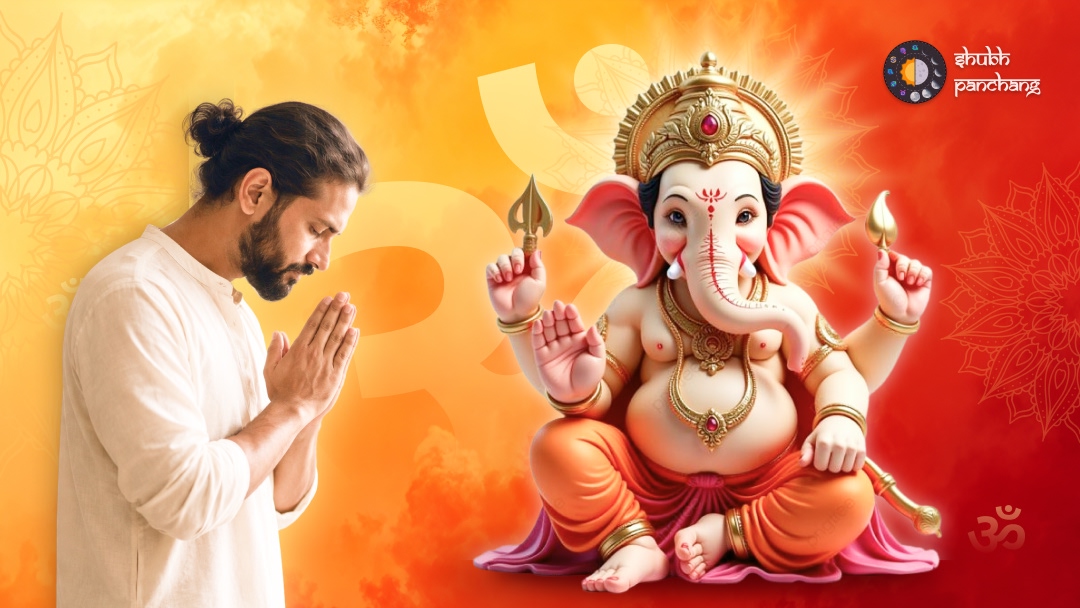
What’s fascinating about Ganapati is that His physical form is a literal manual for living a successful life. His large elephant head is a metaphor for big thinking and supreme wisdom. But notice the eyes? They are small and piercing, signifying intense focus . In my practice, I often tell young professionals that to be like Ganesha is to see what others miss. Then there are the ears—huge and fan-like. They remind us to listen more than we speak. In an era of social media noise, isn't that a pivotal skill? His large belly represents the ability to 'digest' all experiences—the good, the bad, the praise, and the insults—without losing one's balance. And that tiny mouse He rides? That is the mastery over desire. The mouse represents the wandering mind that nibbles away at our peace; by sitting on it, Ganesha shows us that our wisdom must control our urges, not the other way around. This internal mastery is what truly makes one a Vighnaharta of their own life.
Ganapati in Modern Vedic Living
How do we bring this ancient wisdom into our busy 9-to-5 schedules? It starts with the recognition that every moment is a chance for a new beginning. During Ganesh Chaturthi , we see the public fervor, but the real magic happens in the quiet moments of the morning when you set your intention. Are you acting from a place of ego, or a place of service? Ganesha’s broken tusk is a reminder of sacrifice; He broke it to write the Mahabharata, showing that the pursuit of knowledge is worth any personal cost. In modern Vedic living, we use the Panchang to find the right time, but we use Ganapati’s mindset to find the right 'why.' If your 'why' is strong, Ganesha ensures the 'how' becomes easy. It’s about balancing tradition with contemporary needs—using the cosmic GPS to navigate the concrete jungle.
Clarity, Humility, and the Path Forward
Ultimately, the worship of Lord Ganapati is a harmony of devotion and practical wisdom. He reminds us that true success doesn't belong to the fastest or the strongest, but to the one with the most clarity and humility. As you move forward with your plans, don't just ask for the removal of external hurdles. Ask for the wisdom of the elephant and the focus of the small eyes. I challenge you today: next time you face a 'vighna' or an obstacle, don't get angry. Instead, take a deep breath, offer a silent 'Om Gam Ganapataye Namah,' and ask yourself what this delay is trying to teach you. You’ll find that the obstacle itself often contains the map to your next victory. May the Lord of Beginnings light your path and turn every hurdle into a stepping stone toward your highest potential.