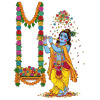



Dhuleti is the second day of Holi, celebrated on the full moon day of the Hindu month of Phagun. This festival especially symbolizes colors, joy, and brotherhood. People cover each other with colors and gulal, distribute sweets, and celebrate enthusiastically with music and dance. Dhuleti is celebrated with great zeal and various customs across India.
Mythology:
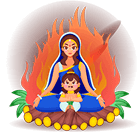
The famous story behind Dhuleti is associated with Hiranyakashipu, his sister Holika, and his son Prahlad. Hiranyakashipu wanted his son to worship only him, but Prahlad was a devotee of Lord Vishnu. Angered, Hiranyakashipu prepared to punish Prahlad by making Holika sit with him in a fire. Holika had a boon that prevented her from being burned by fire, yet due to Prahlad's devotion, Holika was burned while Prahlad remained unharmed.
This event became a symbol of the victory of good over evil, and in its remembrance, Holika Dahan is performed the night before Holi. The next day, Dhuleti is celebrated with colors and joy.
Why Dhuleti is Celebrated:
Dhuleti signifies the triumph of goodwill over evil. Through this festival, people forget old grievances and become immersed in the colors of love and friendship with friends and family. Joy is expressed through colors, and this festival brings new enthusiasm and positivity into life.
Main Traditions:
People apply colors and gulal to each other, play with water, and enjoy the festival with laughter and fun.
Sweets like Gujiya, Thandai, and other dishes are prepared and distributed.
On the first day, Holika Dahan takes place, where a bonfire is lit to symbolize the destruction of evil.
Family gatherings feature music and dance programs, creating an atmosphere of social mingling and entertainment.
Significance:
Dhuleti is not just a riot of colors; it's a symbol of love, joy, and harmony. This festival connects people, helps them forget old disputes, and provides an opportunity for new relationships and conversations. It also celebrates the arrival of spring, bringing new excitement and spiritual peace.