


Introduction
Ashtami Shraddh is observed on the eighth day (Ashtami Tithi) of the Krishna Paksha during the Pitru Paksha period. It is dedicated to offering prayers and rituals for the ancestors who passed away on this specific lunar date.
Spiritual Importance
Pitru Paksha is a time to honor and remember one’s forefathers. Ashtami Shraddh holds special significance for those whose ancestors left their mortal body on Ashtami Tithi. According to scriptures, performing Shraddh on the correct tithi ensures peace to the souls and brings prosperity and spiritual upliftment to the family.
Rituals Performed
On Ashtami Shraddh, the following customs are observed with devotion:
-
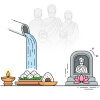
Tarpan (offering water mixed with sesame, barley, and kusha grass).
-
Pinda Daan (offering rice balls to represent ancestral souls).
-
Feeding animals like cows, crows, and dogs, as they are believed to carry offerings to ancestors.
-
Serving food and giving dakshina to Brahmins.
-
Offering charity like food, clothes, and donations to the needy.
Scriptural Backing
According to the Garuda Purana and other ancient texts, Shraddh rituals remove Pitru Dosha (ancestral karma) and pave the way for blessings in all aspects of life. Doing it with full faith on the tithi of death is said to yield the highest spiritual benefit.
Cultural Practice
The observance of Ashtami Shraddh is prevalent across Indian households, particularly among families who are deeply rooted in Vedic customs. The rituals are passed down through generations and performed to maintain the family’s spiritual continuity.
Conclusion
Ashtami Shraddh is not just a ritual but an expression of love and gratitude towards those who came before us. It reinforces the value of lineage, devotion, and duty.