







Is Your Yoga Practice Just a Fancy Stretch?
The Modern Misconception
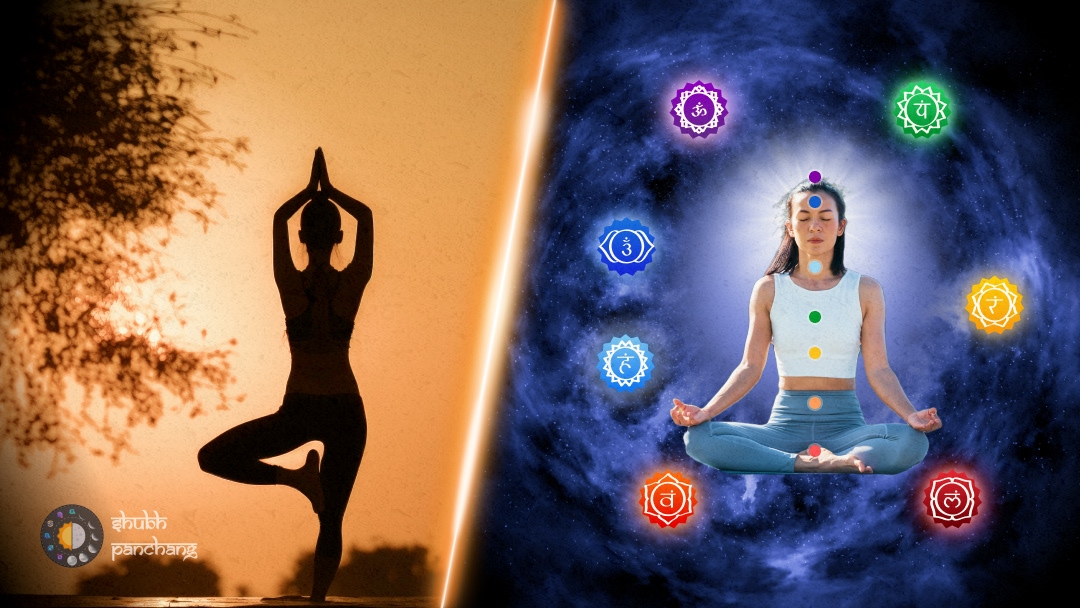
I’ve spent years watching the global yoga revolution unfold from my corner of the world, and while I’m genuinely thrilled to see so many people picking up a mat, I often feel a gentle tug at my heart. You see, after decades of practice and observation, I’ve realized that what we often call Yoga in modern gyms is like looking at the cover of a breathtaking book but never actually opening the pages. We’ve turned an ancient, cosmic science into a fitness trend. But what if I told you that the physical poses—the Asanas —are actually just the tip of a very profound iceberg? Initially, I too thought it was all about the flexibility of the hamstrings, but then I realized it’s really about the flexibility of the mind. Yoga isn’t just something you do for an hour to burn calories; it’s a systematic way of living that connects your individual pulse to the rhythm of the entire universe.
The Foundation We Often Forget to Build
Ethics Before Exercise
Interestingly, if we look back at the classical texts like the Yoga Sutras of Patanjali , the physical poses don't even appear until the third step of the journey. Most people are surprised to learn that the real foundation of Yoga lies in the Yamas and Niyamas —the ethical disciplines and personal observances. It’s like trying to build a skyscraper on sand; without these moral anchors, our physical practice is just gymnastics. I’ve noticed that when students start focusing on truthfulness (Satya) or non-possessiveness (Aparigraha), their physical practice suddenly deepens. Why? Because you’re clearing the mental clutter that makes the body stiff. It’s a pivotal shift in perspective. Instead of asking how deep you can go into a pose, you start asking how deeply you can live your values.
The Eightfold Path as Your Cosmic GPS
Navigating the Inner Landscape
Think of Ashtanga Yoga as your cosmic GPS. It’s a map designed to take you from the external world of noise and distraction straight to the center of your soul. We start with the body (Asana), but we quickly move into Pranayama , which is the mastery of breath. Have you ever noticed how your breath changes when you’re stressed? It becomes shallow and jagged. By mastering the breath, we literally hack our nervous system. But wait until you discover the later stages: Pratyahara (withdrawal of senses), Dharana (concentration), and Dhyana (meditation). These aren't just abstract spiritual concepts; they are practical tools for mental clarity. The ultimate goal, Samadhi , is that state of pure bliss where the 'self' dissolves and you experience life as a unified whole. It’s not just a 'zen' feeling; it’s a scientific restructuring of your consciousness.
Yoga in the Age of Constant Distraction
A Sanctuary for the Modern Mind
In today's fast-paced world, we are constantly bombarded by notifications, deadlines, and the pressure to achieve. This is where the spiritual science of Yoga becomes a literal lifesaver for the busy professional. Every year, when International Yoga Day rolls around, I see millions of people rolling out their mats. It’s a beautiful sight, truly, but the real magic happens when you take that mindfulness off the mat and into your boardroom or your kitchen. I’ve observed that practitioners who embrace the spiritual side of Yoga handle stress with a level of grace that is almost superhuman. They aren't just 'working out'; they are cultivating a reservoir of inner peace that doesn't deplete when things go wrong. Yoga teaches us Chitta Vritti Nirodha —the silencing of the mind's fluctuations. Imagine having a 'mute' button for your anxiety; that is what this science offers.
The Breath as a Bridge to the Divine
Connecting Body and Consciousness
What’s fascinating about Yoga is how it uses the breath as a bridge. In our Vedic tradition, Prana is the vital life force, not just oxygen. When we practice Pranayama, we aren't just breathing; we are directing energy. I’ve had moments during intense practice where the distinction between my body and the air around me seemed to vanish. It sounds poetic, but it’s actually a biological reality that the ancients mapped out thousands of years ago. By regulating the breath, we stabilize the mind. A stable mind allows us to perceive reality without the filters of ego or fear. This is why Yoga is a science—it’s repeatable, it’s systematic, and it’s based on the direct observation of how the human machine works in tandem with universal laws.
Living with Purpose and Inner Freedom
The Ultimate Goal of Self-Realization
At the end of the day, why do we do all this? Is it just to look good in photos? No. The real fruit of Yoga is Kaivalya —liberation or inner freedom. It’s the realization that you are not just your thoughts, your job, or your physical body. You are a manifestation of the divine. After years of practice, I can tell you that there is no greater feeling than this sense of harmony. When you align your individual consciousness with the universal consciousness, life starts to flow. Coincidences happen more often, obstacles seem to melt away, and you find a sense of purpose that isn't tied to external success. Yoga is the science of coming home to yourself. It’s about peeling away the layers of who you think you should be to reveal who you actually are. So, the next time you step on your mat, I challenge you: don't just move your body. Invite your soul to the party. Breathe with intention, act with kindness, and watch how the world around you begins to transform in response to the harmony you’ve built within.